


Gothic Arch Wooden Table
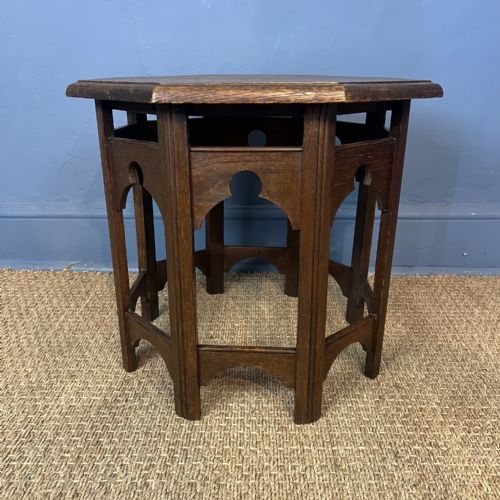
A gothic arch wooden table brings architectural lines and heavy timber into a room, offering a distinct focal point rooted in historical design.
Gothic Arch Wooden Table
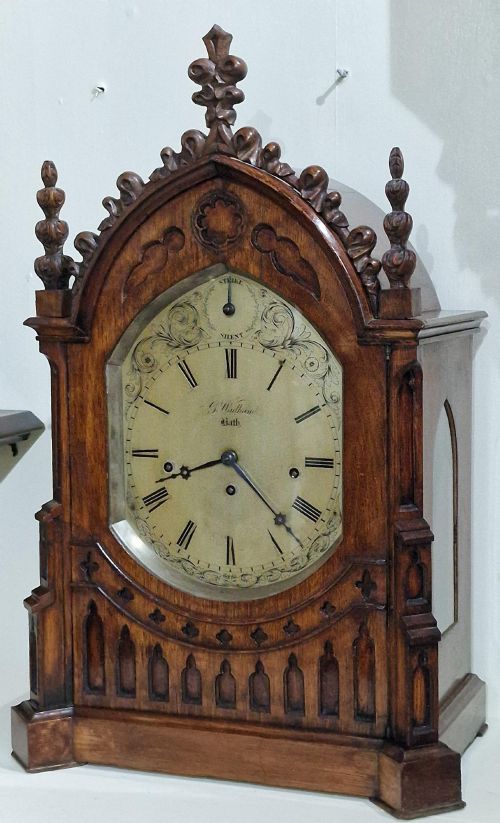
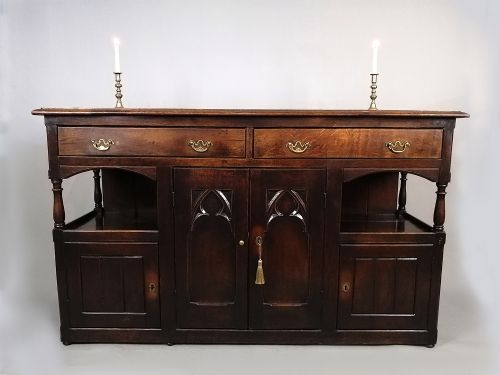
When you search for a gothic arch wooden table, you are looking at items that adapt ecclesiastical stone forms into domestic furniture. The pieces appearing in this category span several periods, notably the Georgian, Victorian, and Edwardian eras, reflecting enduring interest in pointed arches and vertical emphasis.
The primary forms found here lean towards side tables and occasional items, alongside larger library or centre tables executed in styles such as Gothic Revival and Arts and Crafts. Timber selection remains central to these pieces, with oak and mahogany dominating the available selection.
How they were made
Construction relies heavily on traditional cabinet-making techniques applied to dense hardwoods like oak, mahogany, and rosewood. Joinery is robust, designed to support heavy timber tops and complex carved underframes.
Carvers shaped pointed arch motifs directly into the solid wood or utilised applied mouldings to create depth and shadow. Brass hardware often complements the dark timber surfaces, adding functional contrast.
Listings feature oak and mahogany predominantly, spanning periods from Georgian through Edwardian.
What varies in quality
Quality rests on the crispness of the architectural carving and the selection of the timber. Finer examples show sharp, deliberate lines in the pointed arches and careful grain matching across the surfaces.
Simpler pieces rely on standard joinery with basic mouldings, whereas superior specimens integrate structural elements seamlessly with decorative tracery that mirrors stone architecture.
The Gothic Arch Wooden Table Glossary
- Gothic Revival
- A design movement drawing inspiration from medieval architecture, prominent in the nineteenth century. It utilises pointed arches, quatrefoils, and heavy vertical lines.
- Fusee
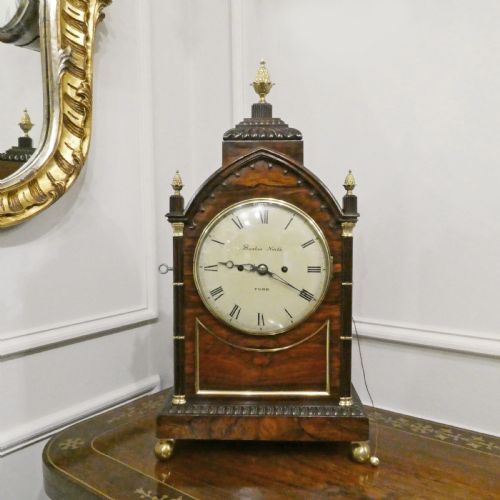
- A conical pulley used in clock movements to maintain even power as the mainspring winds down. It appears in several timepiece listings associated with these periods.
- Flame Mahogany Veneer
- A thin slice of wood cut from a crotch in the mahogany tree, displaying a fiery, swirling grain pattern. It provides decorative impact on cabinet and table surfaces.
- Refectory Table
- A long, sturdy dining or utility table traditionally used in monasteries and large halls. Examples are constructed from heavy oak with stretcher bases.
Gothic Arch Wooden Table: Frequently Asked Questions
What periods do these pieces come from?
The items span the Georgian, Victorian, and Edwardian periods, alongside specific dates from the nineteenth and early twentieth centuries. This reflects changing revivals of medieval design over several generations.
Craftsmen adapted older architectural motifs to suit contemporary domestic spaces during each of these eras.
How do I care for mahogany tables?
Keep wooden surfaces away from direct sunlight and steady sources of heat to prevent the timber from drying out or splitting. Regular dusting with a soft, dry cloth maintains the finish without buildup.
Apply a traditional wax polish occasionally to nourish the grain and protect against minor surface moisture.
Where were these items used originally?
These furnishings were placed in libraries, drawing rooms, and hallways of substantial homes influenced by medieval architecture. Their dramatic silhouettes suited formal rooms rather than casual spaces.
Owners sought to project an air of history and scholarship through Gothic design elements in their interiors.