

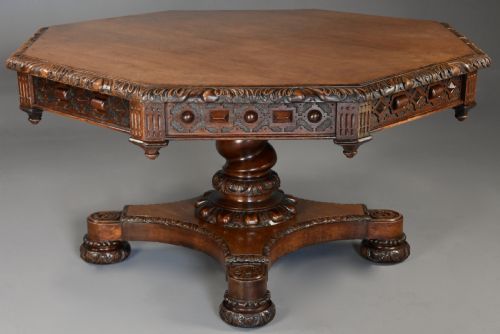
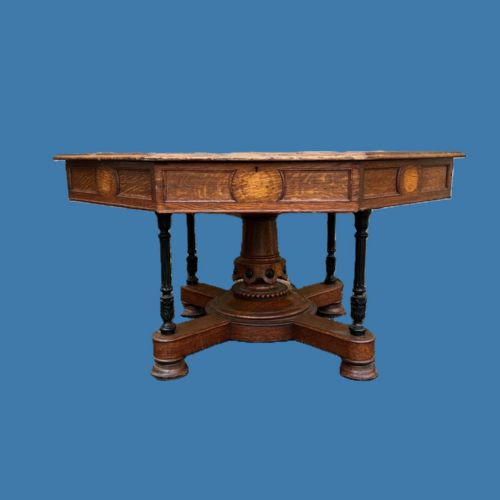


Gothic Pedestal Centre Table
A gothic pedestal centre table anchors a room with architectural timberwork, heavy carving and distinct period presence.
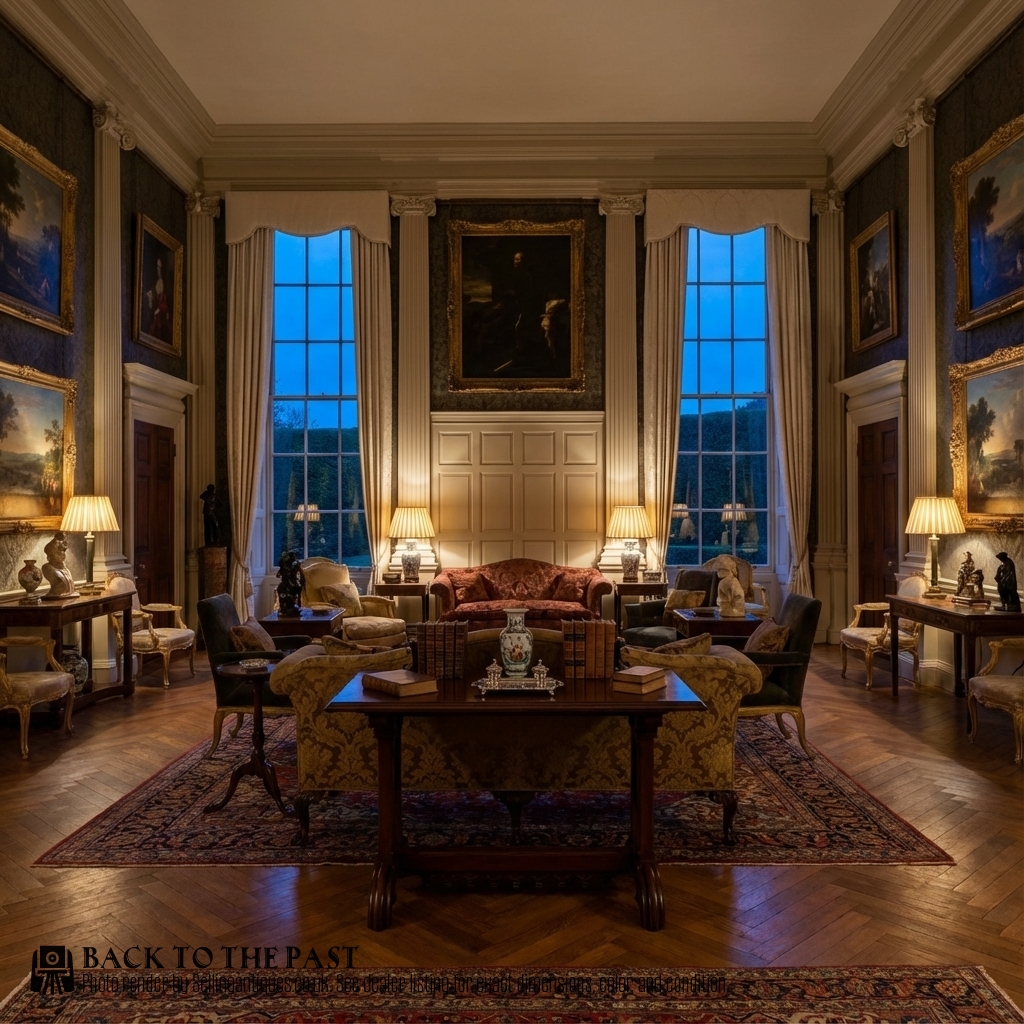
Gothic Pedestal Centre Table
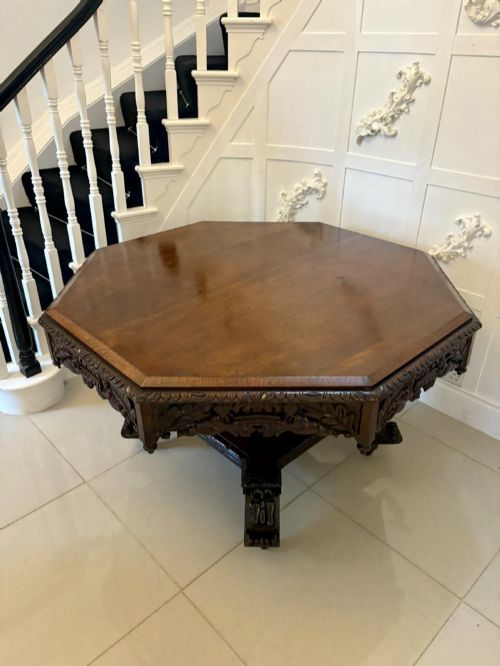
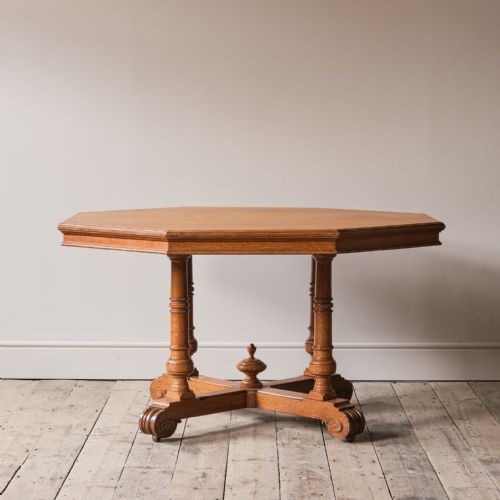
A gothic pedestal centre table stands freestanding in the middle of a room, serving as a library table, breakfast table or large occasional piece. These tables draw heavily on Victorian Gothic Revival, Reformed Gothic and Jacobean influences, often taking octagonal, oval or round forms.
The materials recorded across these pieces are predominantly oak, walnut and mahogany, alongside linden wood and marble. Many examples date from the nineteenth century, including specific years like 1860, 1870, 1880 and 1890, reflecting the height of the revival movements.
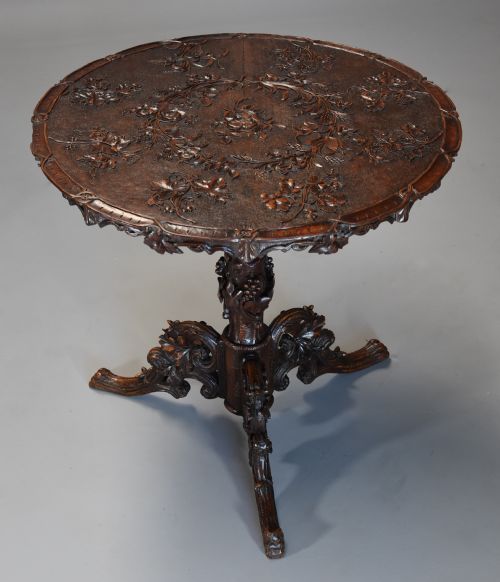
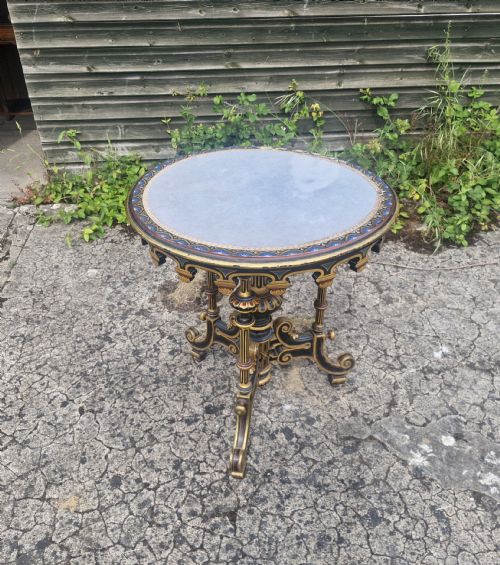
Buyers encounter variations such as carved Black Forest surfaces, painted finishes, Italian inlays and tooled Moroccan leather inset tops. The central support structure ranges from heavy architectural pedestals to elaborate scroll carvings and column bases.
How they were made
Cabinetmakers constructed these tables using solid hardwoods like oak, walnut and mahogany, frequently employing deep relief carving to execute tracery, linenfold or architectural motifs. Timber selection was vital for pieces designed to carry heavy central pedestals and substantial octagonal or round tops.
Specialised techniques included professional joinery for multi-sided octagonal frames, intricate hand-carving in linden wood for Black Forest items, and the application of tooled Moroccan leather inset tops. Secondary treatments involved paintwork, gilding and detailed inlay work.
Listings feature nineteenth-century pieces spanning the Victorian era, with specific dates recorded from 1860, 1870, 1880 and 1890 alongside early nineteenth-century examples.
What varies in quality
The depth and crispness of the timber carving set apart different grades of work, distinguishing standard production from profusely carved or finely detailed examples. Depth in scrollwork and architectural detailing requires skilled hand execution rather than mechanical shaping.
The choice of primary wood and the retention of original surface elements, such as tooled leather inserts or painted decoration, determine the integrity of a piece. Structural stability in the central pedestal and the precise joinery of multi-sided tops further define the standard of construction.
The Gothic Pedestal Centre Table Glossary
- Gothic Revival
- An architectural and decorative style drawing on medieval forms, pointed arches and heavy timber construction. This aesthetic dominated much nineteenth-century furniture design.
- Reformed Gothic
- A later nineteenth-century design movement focusing on structural honesty, simpler geometric lines and medieval influences rather than heavy surface ornamentation.
- Octagonal table
- A table featuring an eight-sided top, commonly found in nineteenth-century library and centre tables. This geometry suited the architectural themes of the period.
- Library table
- A large freestanding table designed for heavy use, often fitted with a leather inset top for writing. These pieces typically occupied the centre of a study or library.
- Black Forest carving
- Highly detailed Swiss and German woodwork known for naturalistic motifs and deep relief. Pieces from this tradition utilise linden wood and dark finishes.
Gothic Pedestal Centre Table: Frequently Asked Questions
What is a gothic pedestal centre table?
A gothic pedestal centre table is a freestanding nineteenth-century table supported by a central pillar, featuring architectural revival details, deep timber carving and medieval motifs.
These pieces were built in shapes like octagons, circles and ovals using woods such as oak, walnut and mahogany.
How were these tables used originally?
These tables served various functions in nineteenth-century interiors, acting as library desks, breakfast tables or central display surfaces in large rooms.
Versions with tooled leather inset tops were specifically designed for reading, writing and general study.
What woods were used for gothic tables?
Makers predominantly utilised solid oak, walnut and mahogany, along with linden wood for specialised continental carving. Some examples also incorporate marble inserts or painted finishes.
These dense timbers provided the necessary strength for heavy central pedestals and projecting carved decoration.
How do I identify Reformed Gothic style?
Reformed Gothic furniture focuses on structural clarity, geometric lines and simplified medieval references, distinguishing it from earlier heavily ornamented Victorian pieces.
Tables in this style often feature clean octagonal forms and restrained architectural details rather than profuse naturalistic carving.
Where should I place a centre table?
Centre tables are designed to stand freestanding in the middle of a room, allowing access from all sides rather than sitting against a wall.
They function well in large reception rooms, home libraries and entrance halls as both decorative and practical surfaces.