


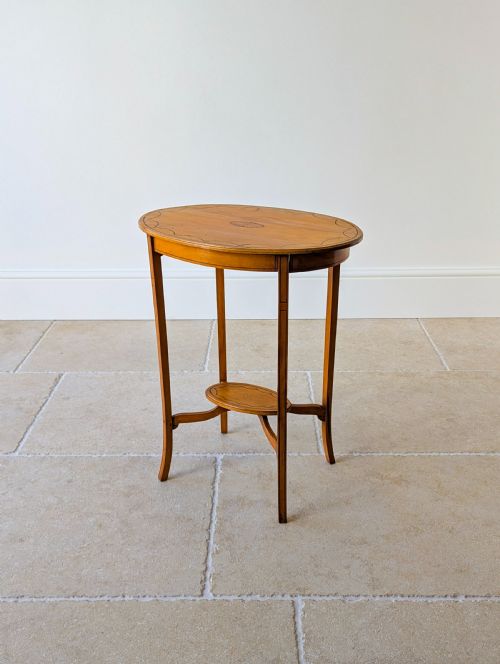
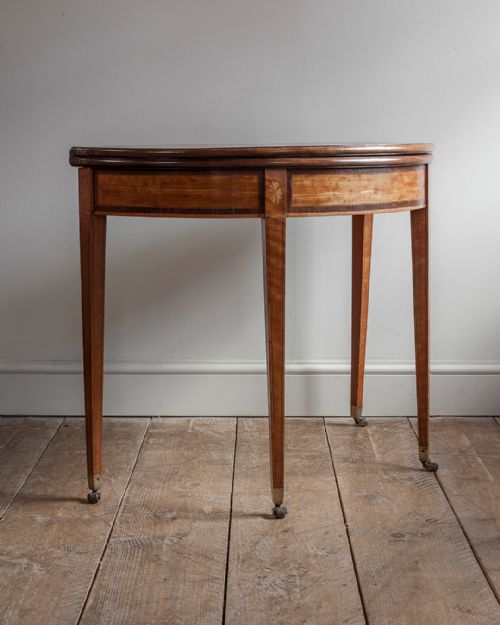
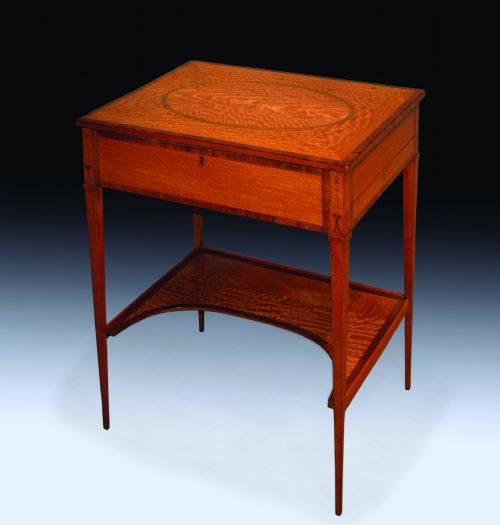


Golden Satinwood Tea Table
A golden satinwood tea table brings light timber and refined neoclassical form into a room.
Golden Satinwood Tea Table
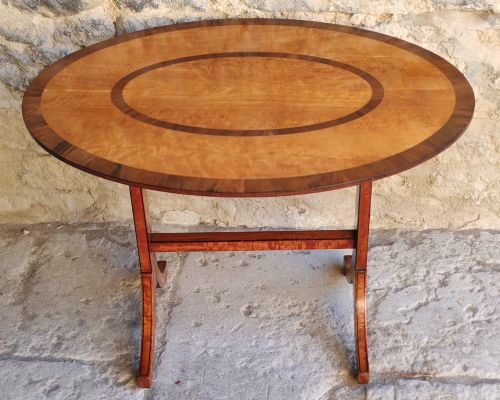
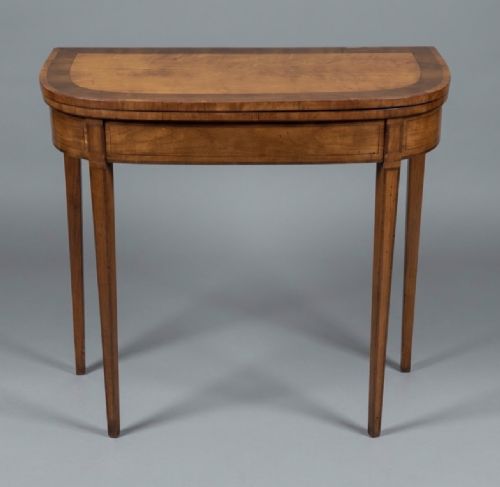
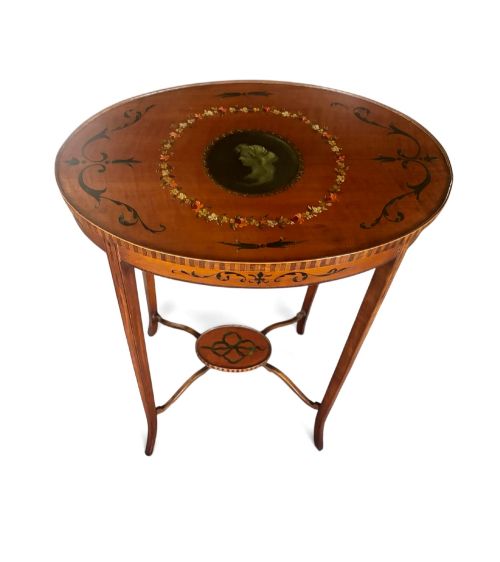
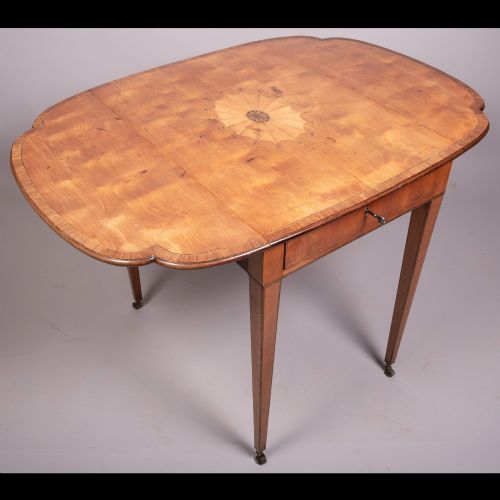
A golden satinwood tea table brings light timber and refined neoclassical form into a room, serving as both a functional surface and a decorative centrepiece. When searching for a golden satinwood tea table, buyers encounter a variety of forms including fold-over card tables, Pembroke tables with drop leaves, occasional tables, and Sutherland tables.
The pieces on this page span the eighteenth century, the nineteenth century, the Regency period, and the Edwardian era, showing both original period craftsmanship and later revivals in the Sheraton and Georgian styles. Card tables and occasional tables dominate the selection, often featuring folding tops or painted floral decoration.
Origins range from eighteenth-century George III workshops to Edwardian London makers, reflecting shifting domestic habits from formal tea service and card games to lighter occasional use. Each form utilises the distinct figure of satinwood, whether plain, cross-banded with rosewood, or detailed with marquetry inlay.
Judging Quality
Quality in these tables rests upon the selection of the timber and the crispness of the inlay. Finely figured satinwood with a deep, natural chatoyancy distinguishes the superior pieces from plain or heavily stained substitutes.
The precision of the marquetry and the delicacy of any painted floral decoration reveal the hand of a skilled workshop. Original brass castors, well-fitted hinges on fold-over tops, and tight joints without excessive movement separate the finest examples from standard production.
Golden Satinwood Tea Table Retail Price Guide 2026
Typical asking prices for golden satinwood tea table among the pieces listed under this phrase on Sellingantiques today, from the lower quarter to the upper quarter. They describe what is for sale here now, not the wider market.
Listings feature satinwood combined with mahogany, rosewood, boxwood, and ebony across Georgian, Regency, and Edwardian periods.
Maple and Co·Edwards and Roberts
The Golden Satinwood Tea Table Glossary
- Satinwood
- A hard, durable timber with a natural golden sheen and smooth texture. It takes a high polish and forms the primary decorative surface for these tables.
- Pembroke table
- A small rectangular table with two hinged drop leaves on opposing sides. It often includes a single drawer and slender legs.
- Card table
- A table featuring a hinged top that folds open to reveal a baize-lined surface for playing games. Many sit against a wall when closed.
- Cross-banding
- A narrow strip of veneer applied around the border of a tabletop with the grain running perpendicular to the central panel. This technique frames the primary timber.
- Marquetry
- Decorative patterns created by fitting together small pieces of tinted wood, shell, or ivory into a veneer. It creates pictorial or geometric designs across the surface.
Golden Satinwood Tea Table: Frequently Asked Questions
How were golden satinwood tea tables used?
These tables served primarily for serving tea or hosting card games in domestic drawing rooms. Fold-over tops allowed the furniture to sit compactly against a wall when not in use.
Drop leaves on Pembroke versions provided extendable surfaces for light refreshments or writing, adapting easily to the needs of the household throughout the day.
How do I care for satinwood furniture?
Keep satinwood surfaces away from direct sunlight and extreme temperature fluctuations to prevent the delicate veneers from fading or lifting. Dust gently with a dry, soft cloth.
Apply a microcrystalline wax occasionally to protect the polish, avoiding silicone-based sprays or harsh liquid polishes that damage antique finishes.
How can I tell an eighteenth-century table from an Edwardian revival?
Examine the secondary timbers beneath the table, such as oak or pine in drawer linings and framing, which often reveal the true age of the piece. Eighteenth-century examples display hand-cut joinery and older patination.
Edwardian Sheraton Revival pieces often feature machine-sawn components and brighter, more uniform satinwood veneers, reflecting the revival tastes of around nineteen hundred.
Can these tables be used for daily dining?
Most of these tables are lightweight occasional pieces or card tables rather than sturdy dining furniture. Placing heavy items or daily dining ware upon them is not recommended.
They function best as display surfaces, lamp tables, or occasional desks where the delicate veneered and painted tops face minimal strain.