




Golden Birch Cupboards
Golden birch cupboards combine warm, figured timber with practical storage, offering distinct character for traditional and modern interiors alike.
Golden Birch Cupboards
How they were made
These pieces utilise solid birch, satin birch, and birch veneer applied over supportive carcassing like pine. Cabinetmakers selected timbers with striking natural grain figures to create warm surface tones.
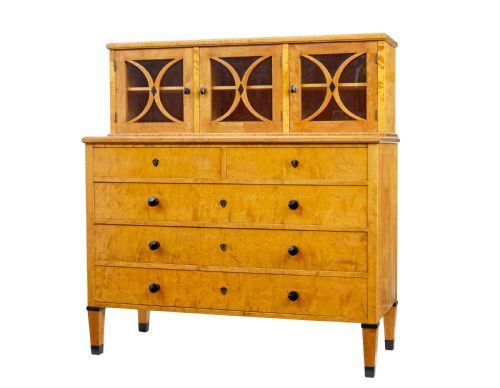
Hardware details such as brass handles and glass doors are integrated into the forms. Construction methods span traditional nineteenth-century cabinet joinery and twentieth-century modernist production techniques.
Several cupboards manage to look simultaneously austere and glowing, as if they spent their winters absorbing the pale Swedish sun.
What varies in quality
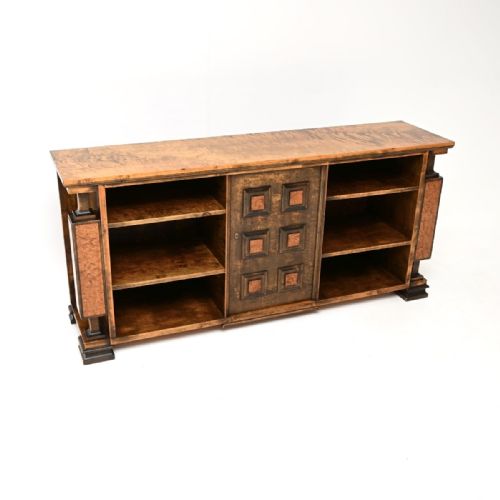
Quality separates through the selection and matching of the birch veneer or solid timber figure across the primary surfaces. Superior examples display cohesive grain patterns and precise execution in secondary woods such as walnut or satinwood.
The integration of fitted interior elements, original brass hardware, and the balance of regional styles like Swedish Grace or Art Deco influence the overall character of each cabinet.
Sandberg and Co·Oscar Nilsson Nordiska Kompaniet
The Golden Birch Cupboards Glossary
- Satin birch
- A light-coloured hardwood with a natural sheen and distinct figure, frequently utilised for high-end nineteenth-century and twentieth-century cabinetwork. The timber provides the characteristic golden warmth seen across these storage pieces.
- Birch veneer
- A thin layer of birch timber applied over a base wood such as pine to create decorative patterned surfaces. This technique allowed cabinetmakers to display striking grain figures on large cupboard doors.
- Chiffonier
- A compact sideboard or cabinet featuring enclosed shelving and sometimes a small superstructure, popular during the nineteenth century. These pieces provide versatile storage within domestic rooms.
- Swedish Grace
- A refined neoclassical style dominant in Swedish design during the early twentieth century, combining classical restraint with modern simplicity. Pieces from this movement often utilise pale blonde timbers like birch.
- Pedestal
- A supportive columnar base or a small bedside cabinet designed to stand independently. English nineteenth-century examples often incorporate enclosed storage behind a single panelled door.
Golden Birch Cupboards: Frequently Asked Questions
What periods do these cupboards cover?
The listings span from the nineteenth century through to the 1940s, encompassing Victorian, William IV, Art Nouveau, Art Deco, and mid-century design movements.
Nineteenth-century examples frequently originate from Sweden and England, while twentieth-century pieces reflect modernist Scandinavian aesthetics.
Which woods are used alongside birch?
Makers frequently paired birch and satin birch with contrasting timbers such as walnut, satinwood, and pine.
Metal fittings and glass are also integrated into the construction of cabinets, bookcases, and wardrobes.
Are bedside cabinets common in this wood?
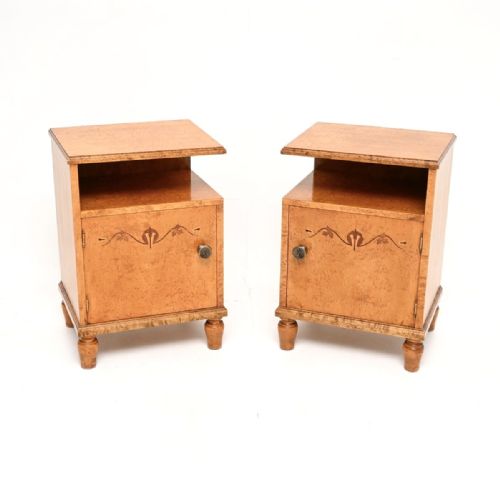
Pairs of bedside tables and pedestal night lockers appear regularly alongside larger wardrobes and fitted cupboards.
These smaller pieces often share the distinctive golden tones and polished finishes of the larger storage furniture.
How do Art Deco pieces differ from Victorian ones?
Victorian and William IV items rely on traditional proportions and timber figures, sometimes incorporating washstand or chiffonier formats.
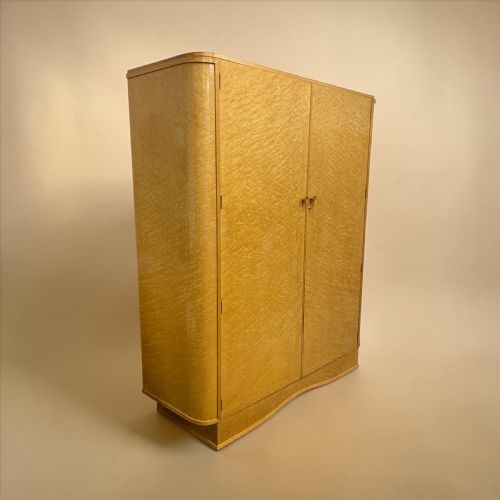
Art Deco and Swedish Grace examples from the 1930s and 1940s favour streamlined silhouettes and clean geometric lines.