




Gold Wool Rug
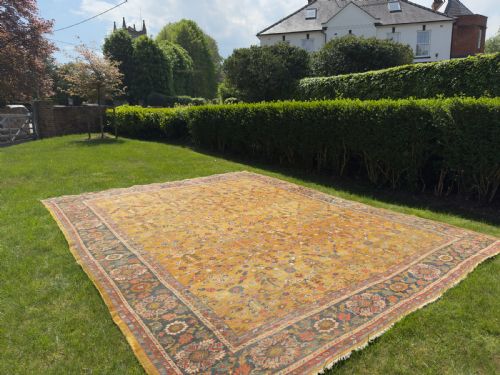
A gold wool rug brings warmth and historic textile tradition into a room through rich natural materials and time-honoured weaving methods.
Gold Wool Rug
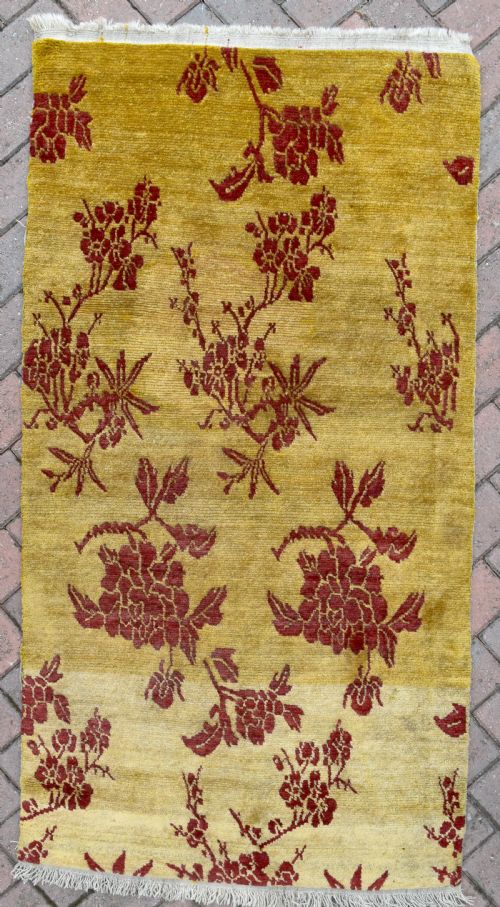
When you search for a gold wool rug, you encounter hand-knotted and woven floor coverings that span centuries of global textile artistry. These pieces range from large room-sized carpets originating in Persia, Turkey, and India to smaller village rugs and mats from Afghanistan, the Caucasus, and China.
The selections available here bring together diverse regional traditions under a shared palette of warm golden tones and woollen construction. You are most likely to meet nineteenth and early twentieth-century examples, including grand room carpets alongside specific formats like runners, seating mats, and embroidered wedding shawls.
Makers and weavers across different traditions utilised local wool and traditional dyeing methods to produce these durable floor coverings. The surviving examples demonstrate distinct regional designs, from repeating medallions to Ottoman prayer niches and intricate floral fields.
What varies in quality
Quality in these textiles depends on the density of the knotting, the fineness of the wool, and the complexity of the design execution. Superior pieces demonstrate precise control over the loom, resulting in crisp pattern definition and a resilient pile.
The depth and nuance of the golden tones also separate standard examples from exceptional ones, reflecting the skill of the dyer and the quality of the raw materials. Preservation of the original edges and structural integrity further distinguishes the finest pieces in the range.
Some nineteenth-century weavers hid tiny intentional irregularities in their carpets to ward off bad luck.
The Gold Wool Rug Glossary
- Pile
- The cut or looped surface of yarn that stands up from the woven foundation of the carpet. This layer absorbs foot traffic and displays the main design.
- Medallion
- A central decorative motif or ornament placed in the middle of the carpet field. It often forms the focal point of classical weaving traditions.
- Runner
- A long, narrow format of rug specifically suited for hallways, corridors, or alongside beds. These pieces emphasise repeating border patterns and linear designs.
- Prayer rug
- A small rug featuring a mihrab or niche design used historically for private devotion. The niche motif points toward Mecca during prayer.
- Warp
- The vertical threads stretched tightly on the loom before weaving begins. The weft threads are passed across them to lock the knots in place.
Gold Wool Rug: Frequently Asked Questions
How do I clean an antique wool rug?
Regular gentle vacuuming without a beater bar removes loose dirt from the wool pile safely. Professional specialist cleaning is recommended for deep washing to protect the natural fibres and dyes.
Avoid harsh chemical treatments and excessive water exposure, which can damage the historic foundation and cause bleeding in the golden tones.
Can I place these rugs in high traffic areas?
Wool is a naturally resilient and elastic fibre that handles foot traffic well when the rug has a dense, healthy pile. Placing a suitable underlay beneath the rug prevents slipping and reduces wear.
Lighter textiles or delicate embroidered pieces are better suited to low-traffic spaces or wall display to preserve their condition.
How do I identify the age of a rug?
Dating relies on examining the specific weave structure, the types of dyes used, and stylistic markers characteristic of particular regions and periods. Structural wear patterns and material choices also provide clues to the era of production.
Comparing the piece with established regional traditions helps narrow down the approximate decade or century of origin.
Are these rugs made with natural dyes?
Many older pieces utilise traditional natural dye sources derived from plants, roots, and insects to achieve their distinct palettes. These dyes often age gracefully, developing a rich patina over time.
Subtle tonal variations within the golden wool areas frequently indicate the hand-dyeing processes used by traditional makers.