




Ochre Wool Carpet
An ochre wool carpet brings deep earthy gold tones and traditional hand-knotted pile into a room, offering both warmth and history.
Ochre Wool Carpet
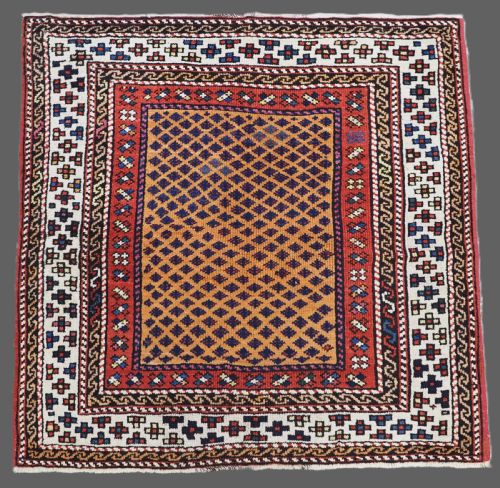
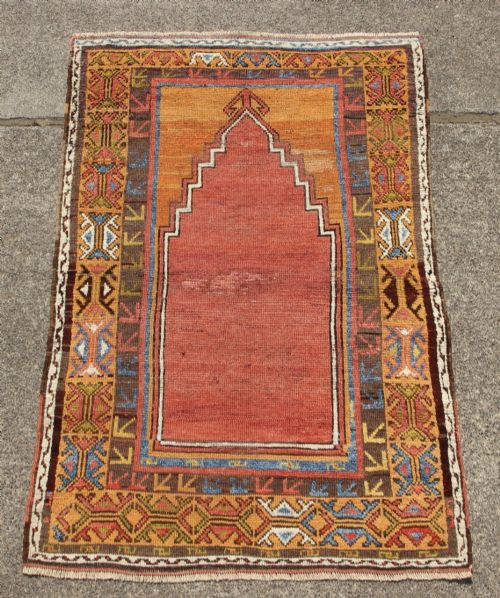
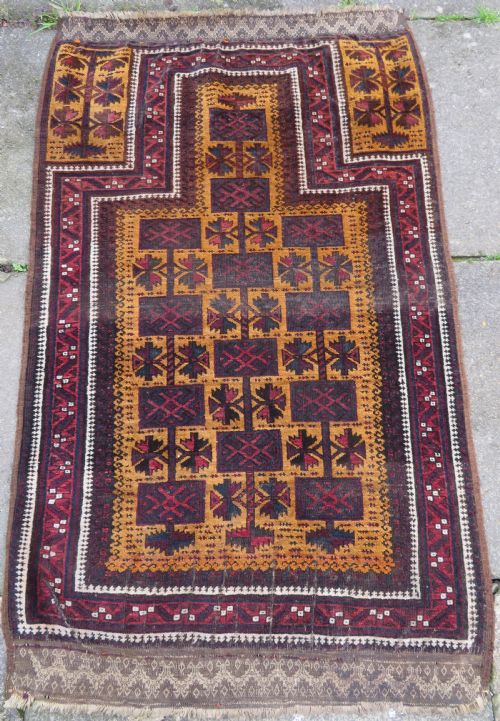
When you search for an ochre wool carpet, you are looking at hand-woven floor coverings from Middle Eastern and Central Asian traditions, particularly Turkish, Persian, and Afghan workshops. These pieces span from the early nineteenth century through to the early twentieth century, showing periods like the eighteen-fifties, eighteen-nineties, and nineteen-thirties.
The formats you encounter range from large square room sizes and grand carpets to narrow hallway runners and small prayer rugs. Designs feature geometric lattices, star medallions, and architectural prayer niches executed in rich golden, yellow, and mellow warm hues.
Originating from tribal weavers and established workshops alike, these textiles display distinct regional aesthetics from centres such as Ushak, Heriz, Konya, and Bergama. Each piece relies on traditional weaving structures passed down through generations.
How they were made
The construction relies predominantly on natural wool, occasionally incorporating hand-spun wool and camel hair for specific pile or foundation details alongside cotton for structural warps and wefts. Weavers knotted these fibres by hand onto sturdy vertical looms, building dense piles designed to withstand generations of daily use.
Dyeing methods utilised natural materials to achieve the enduring golden-yellow and ochre ground colours seen across these rugs and carpets. Over decades of light and wear, these organic dyes mellow further, creating the faded and softened patinas characteristic of older specimens.
Listings feature wool, cotton, hand-spun wool, and camel hair across nineteenth and early twentieth-century Anatolian, Persian, and Afghan traditions.
What varies in quality
Knot density and structural fineness separate standard utility weaving from exceptional workshop production, influencing how crisply the geometric or medallion patterns resolve. The choice of materials also plays a role, with finer hand-spun wools and camel hair yielding a softer handle and more nuanced tactile depth.
Preservation of the original borders, end finishes, and pile depth dictates the overall integrity of an antique carpet. Examples that retain their authentic proportions and balanced vegetable-dyed palettes command greater appreciation among collectors.
The Ochre Wool Carpet Glossary
- Prayer rug
- A small textile featuring a mihrab or niche design, traditionally used for individual daily prayers. These rugs often orient the user towards a specific direction during ritual use.
- Runner
- A long, narrow carpet format specifically proportioned for corridors, hallways, and staircases. They guide movement through domestic spaces while protecting wooden floorboards.
- Medallion
- A central ornamental motif placed in the middle of a carpet field, frequently geometric or floral in form. It serves as the primary focal point of the overall composition.
- Weft
- The horizontal threads passed back and forth across the vertical warp threads on a loom to secure the knots. Together, warp and weft form the foundational grid of the rug.
- Pile
- The vertical or slanted surface of cut or looped yarn that stands up from the woven foundation. In these carpets, the pile consists primarily of dyed wool.
Ochre Wool Carpet: Frequently Asked Questions
Where should I place an antique runner?
These long, narrow formats suit hallways, corridors, and gallery spaces where they soften footfall and add historical character to transitional areas.
Ensure you use a suitable underlay beneath the textile to prevent sliding and reduce friction against hard floor surfaces.
How do I clean an old wool carpet?
Regular gentle vacuuming without a rotating brush roll helps remove grit from the wool pile without damaging the historical structure. Professional specialist cleaning remains essential for addressing deeper dirt or spills.
Avoid saturation and harsh chemical detergents that can strip the natural lanolin from the wool fibres or alter vegetable dye colours.
What is a prayer rug used for?
Weavers designed these smaller formats with specific architectural niche motifs to indicate the direction of prayer in domestic or religious settings.
Today, collectors often display them as wall hangings or place them in low-traffic rooms to preserve their delicate pictorial fields.
How do I identify an Ushak carpet?
Ushak pieces typically feature large-scale floral or geometric motifs rendered in soft, warm palettes dominated by gold, saffron, and muted reds. The wool often feels silky and has a looser, more relaxed weave structure.
These carpets originated in the historic West Anatolian weaving town, known for producing grand decorative room-size floor coverings.