

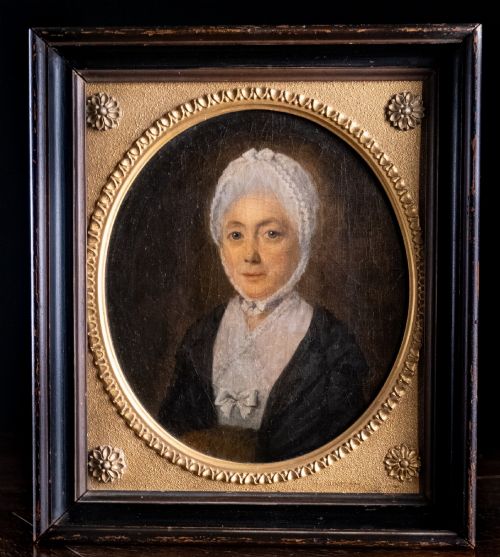
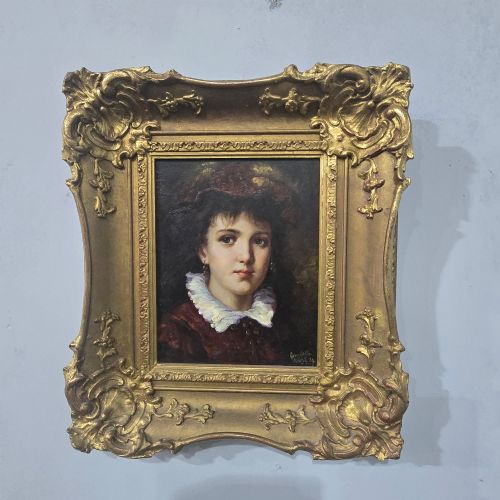
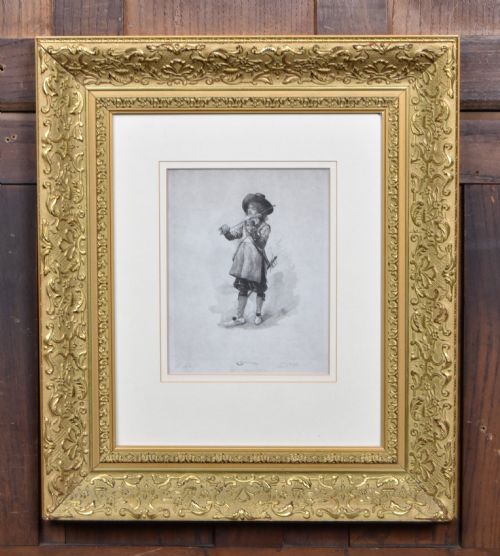
Gold Wood Framed Art
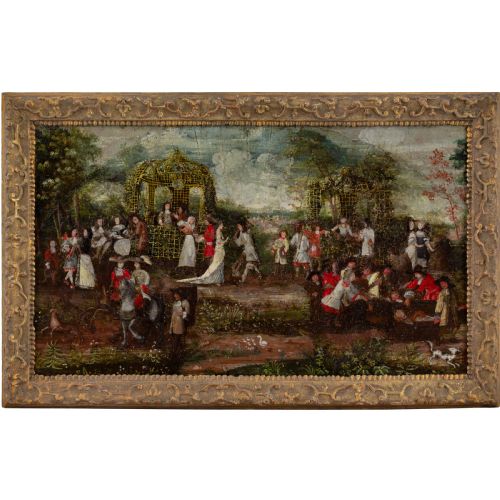
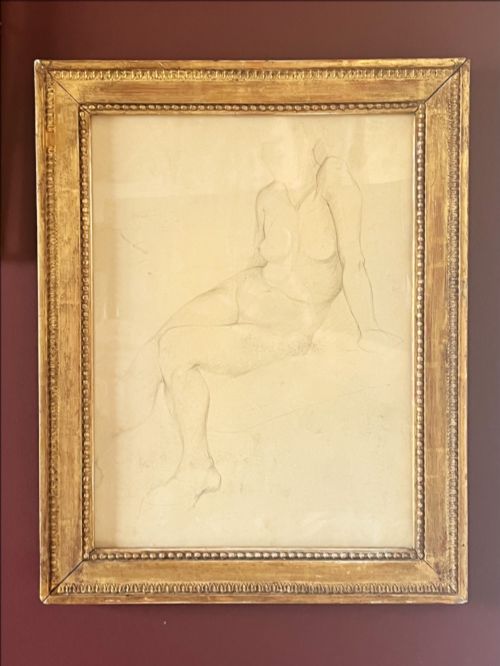
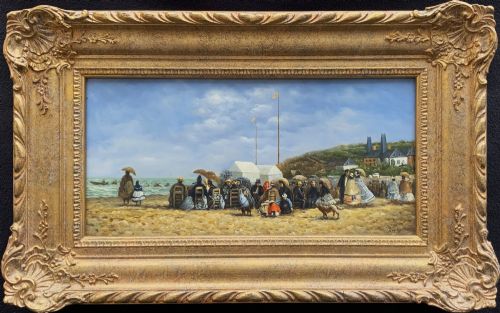
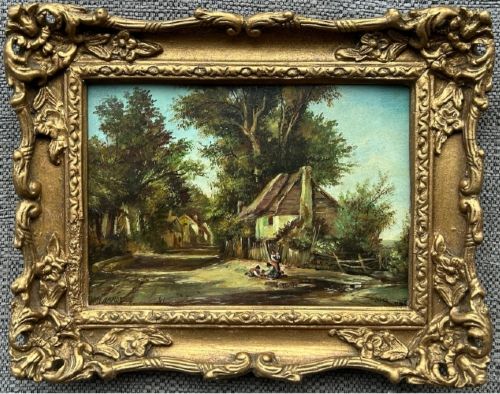
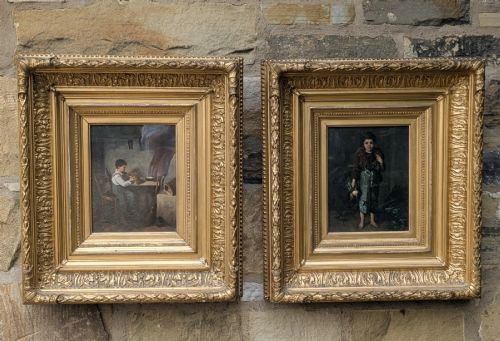
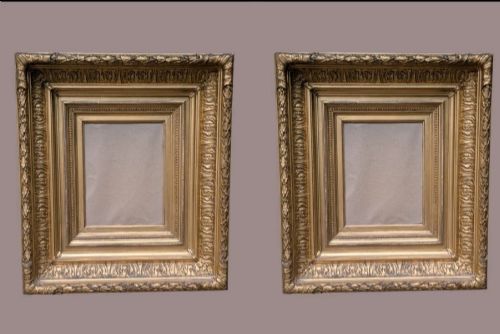
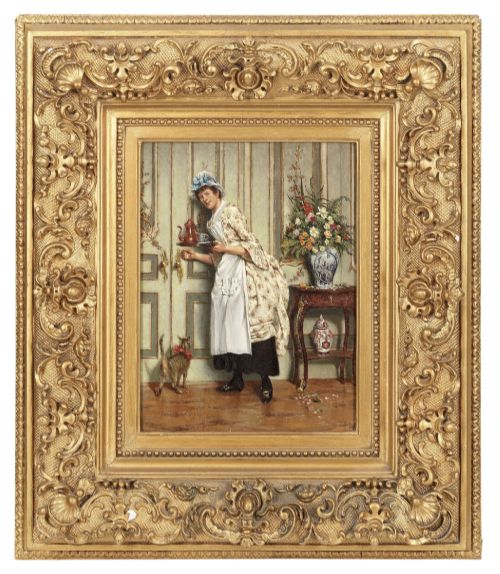
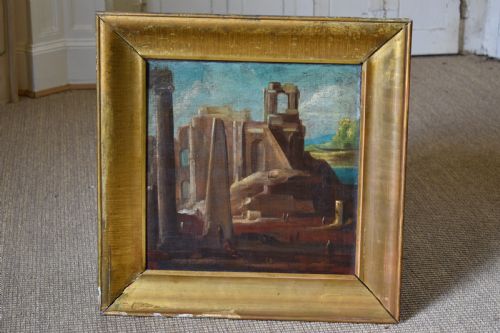
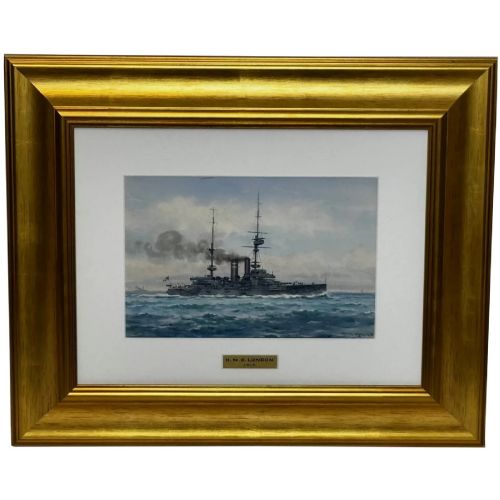
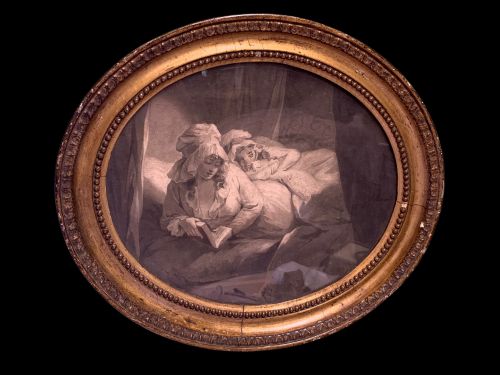
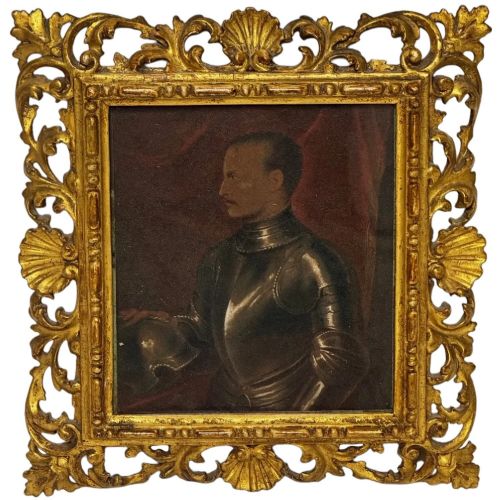
Gold wood framed art gathers centuries of paintings, prints and mirrors held within carved and gilded surrounds.
Materials and construction
Artworks within this selection utilise oil on canvas or panel, watercolour on paper, pastel and printed media fixed with glass where appropriate. The accompanying surrounds rely on timber frames built from wood, gesso and applied gold leaf or giltwood to achieve a reflective metallic surface.
Framemakers sculpted gesso over wooden bases to create relief ornamentation before applying thin sheets of gold leaf or gilt. Painters worked with traditional pigment preparations on prepared canvases, wooden panels or heavy paper stocks suited to the period.
Assessing quality and preservation
Quality rests upon the harmony between the artwork and its frame, particularly where period surrounds match the creation date of the painting or print within. Original frames showing period gilding carry greater integrity than later replacements fitted to older canvases.
The execution of the painted or drawn subject, from fine brushwork in portraits to detailed linework in engravings, distinguishes finer pieces from standard decorative items. The preservation of the underlying wood, gesso mouldings and gold leaf surface also shapes the standing of each piece.
Materials recorded across the stock include glass, oil on canvas, paper, gesso and gold leaf.
Joseph Clover RA·Emily Eyres·William Howard Hardy·John Smith·Stephen Samuel Lewin·Frank Watson Wood·Gian Paolo Pace·Johannes Lingelbach·Thomas Beach·Toussaint Gelton·Frederick Walker·Jan van Staveren·George Oyston·Sir Alfred East·Thomas Spinks·Charles Hunt·Hendrik Valkenberg·Huet Demarteau·Allan Ramsay·Valdemar Magaard·Alfred Arthur Brunel de Neuville
The Gold Wood Framed Art Glossary
- Giltwood
- Wood carved and coated with gold leaf, gilt or metallic powder. This technique provides the luminous finish seen on traditional picture frames.
- Gesso
- A plaster mixture applied to wooden frames as a base for moulding and gilding. It allows craftsmen to carve intricate relief patterns before applying gold leaf.
- Oil on panel
- A painting executed on a wooden board rather than canvas. Artists utilised panels extensively during the seventeenth century and earlier periods.
- Mezzotint
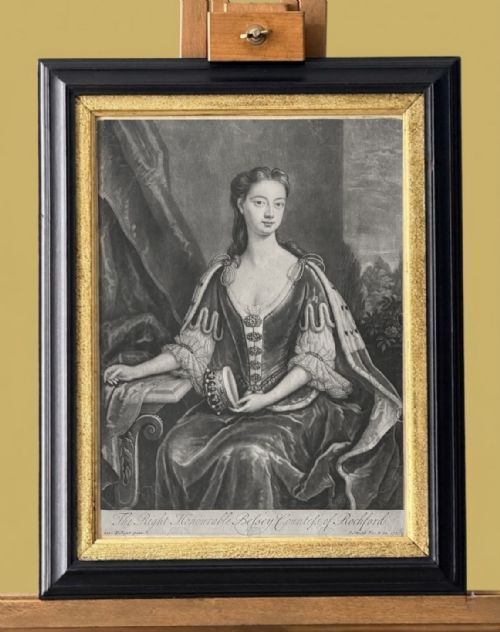
- A printmaking process of the tonal engraving family. It enables the creation of subtle gradations of light and shade in historical portraits.
- Oleograph
- A type of chromolithographic reproduction textured to imitate an oil painting. These appeared on canvas during the nineteenth century.
Gold Wood Framed Art: Frequently Asked Questions
How do I date a gold wood frame?
Dating relies on the construction techniques of the wood, the composition of the gesso layer and the style of the ornamentation. Earlier frames often feature hand-carved wooden mouldings while later Victorian examples utilise heavy moulded plaster.
Examining the reverse reveals corner joints, tool marks and fixings that indicate the period of manufacture. Original combinations of artwork and frame remain particularly valued by collectors.
Were these frames made for the artworks?
Many historical paintings and prints retain their original period frames, designed specifically to complement the scale and subject of the work. Other pieces have been paired with suitable antique frames gathered over time.
Matching frames share the stylistic vocabulary of the era, such as Neoclassical or Baroque motifs, ensuring a cohesive visual presentation between the artwork and its surround.
How should I care for giltwood frames?
Giltwood surfaces require gentle dusting with a soft, dry brush to prevent the accumulation of particles within the carved crevices. Avoid liquid cleaners, moisture and chemical sprays which can lift or tarnish the delicate gold leaf.
Positioning pieces away from direct sunlight and fluctuating humidity protects both the wooden framing and the canvas or paper artwork contained within.
What subjects appear in these works?
The selection encompasses portraiture, landscape watercolours, marine scenes, genre subjects and botanical studies spanning several centuries. Portraits range from named sitters by known artists to anonymous studies of children and nobility.
Landscapes record rural British and European views, capturing changing light through oil and watercolour mediums suited to domestic display.