




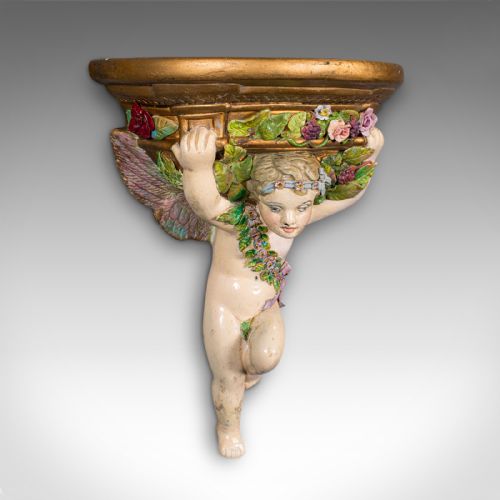

Gold Wall Mounted Bracket
A gold wall mounted bracket brings rich period presence to any room, offering a sturdy yet decorative ledge for displaying cherished objects.
Gold Wall Mounted Bracket
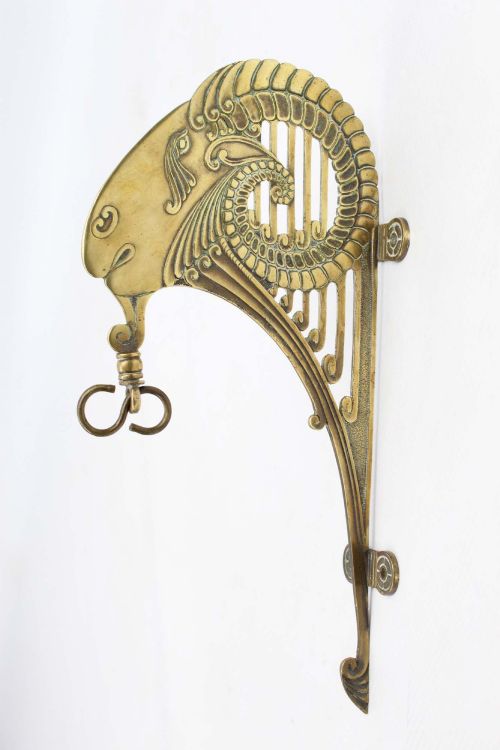
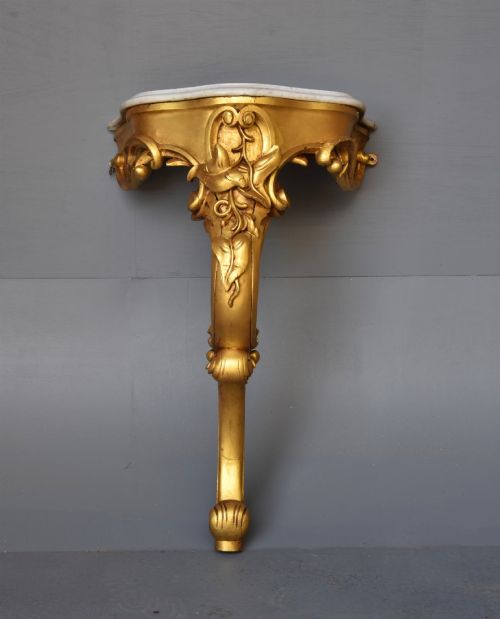
A gold wall mounted bracket encompasses a range of decorative ledges, consoles, and sconces designed to be fixed directly to the wall. The items found here span the nineteenth century and early twentieth century, showing influences from Rococo Revival and French Neoclassical styles.
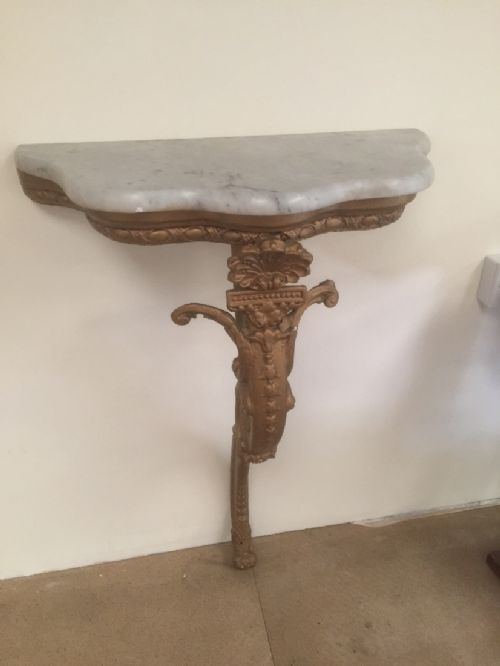
Shoppers will encounter various forms, including wall consoles with marble tops, carved pier tables, and gilded wall sconces. These pieces originate from distinct periods such as the Victorian era and the Napoleon III style, reflecting varied European aesthetics.
The selection includes both single items and pairs, giving options for balanced interior schemes. Console tables and smaller wall brackets dominate the forms, offering functional display surfaces with distinct historical character.
How they were made
The construction of these items relies heavily on traditional materials such as giltwood, gesso, and cast bronze or brass. Artisans carved intricate decorative motifs into wood and plaster before applying gold leaf or paint finishes.
Many surfaces combine carved wooden frames with inset marble tops or mirror glass panels. Ormolu mounts and ebonised details appear on finer pieces, showing the meticulous joinery and metalworking techniques of the nineteenth century.
Gold Wall Mounted Bracket Retail Price Guide 2026
Typical asking prices for gold wall mounted bracket among the pieces listed under this phrase on Sellingantiques today, from the lower quarter to the upper quarter. They describe what is for sale here now, not the wider market.
The listings combine nineteenth-century items with early twentieth-century pieces, spanning materials from humble plaster to carved giltwood and marble.
What varies in quality
Quality in these brackets and consoles rests upon the depth and crispness of the carving and the application of the gilding. Superior examples display hand-chiselled details on bronze or finely hand-carved gesso work that retains its original sharpness.
The choice of materials also dictates the tier of the piece, with solid marble tops and heavy cast ormolu separating standard decorative items from exceptional works associated with known makers.
Henri Dasson
The Gold Wall Mounted Bracket Glossary
- Giltwood
- Wood that has been coated with thin gold leaf or powder. This finish gives the carved surfaces a bright, reflective metallic sheen.
- Gesso
- A plaster mixture applied to wood surfaces as a base for gilding or painting. It allows artisans to carve intricate relief details before applying gold leaf.
- Ormolu
- Gilt bronze ornamentation applied to furniture and decorative objects. This technique was widely used in nineteenth-century French and English workshops.
- Console
- A table or bracket supported on wall-fixed brackets rather than four legs. These pieces project outward from the wall to display ornaments.
- Pier table
- A narrow table designed to stand against a wall, often beneath a mirror. These frequently feature serpentine marble tops and ornate gilded frames.
Gold Wall Mounted Bracket: Frequently Asked Questions
How were antique gold wall brackets originally used?
These brackets and console tables served as decorative ledges for holding clocks, vases, or candelabra in formal reception rooms. They maximised floor space while adding architectural grandeur to plain walls.
Wealthy households positioned them beneath mirrors or between windows to reflect light and display prized decorative arts.
What materials should I expect to find?
The listings feature a mix of giltwood, gesso, cast bronze, brass, and plaster, often paired with inset marble or mirror glass. Surface treatments include traditional gold leaf and painted finishes.
Finer pieces incorporate heavy ormolu mounts and ebonised wood elements to create striking visual contrast.
How do I distinguish between Victorian and earlier styles?
Victorian pieces often adapt earlier French aesthetics like Rococo Revival or Louis XV designs, but with distinct British manufacturing traits. Examining the construction underneath and the composition of the gesso helps clarify the period.
Stylistic cues such as heavy serpentine lines and neoclassical symmetry point toward specific nineteenth-century decades.
Are these pieces suitable for modern walls?
Most wall-mounted consoles and brackets require secure fixing into solid masonry or adequate wall studs due to their weight, especially those with marble tops. Professional installation ensures the bracket safely supports the intended display objects.
Their compact projection makes them ideal for hallways, living rooms, and dining areas where floor space is limited.