



Gold Upholstered Side Chairs
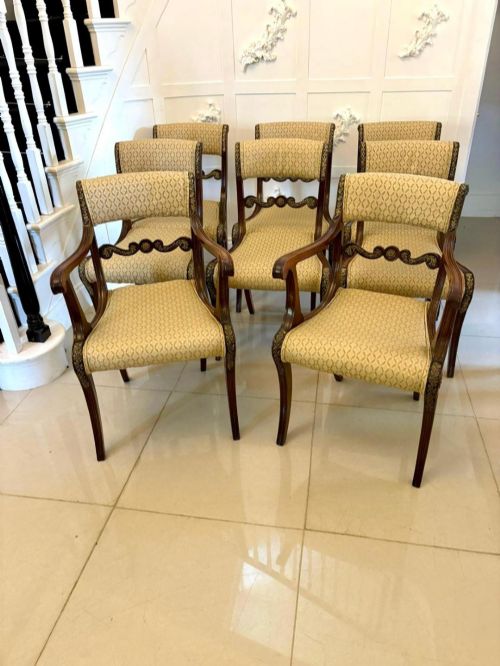
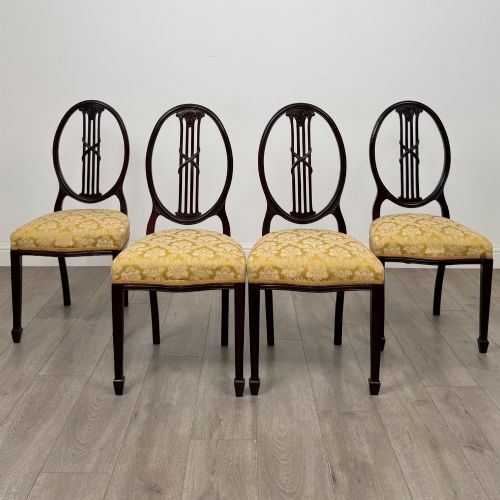
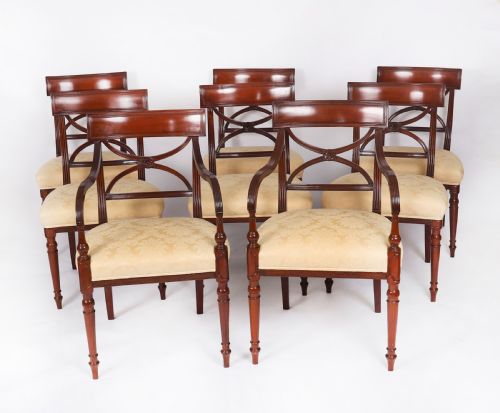
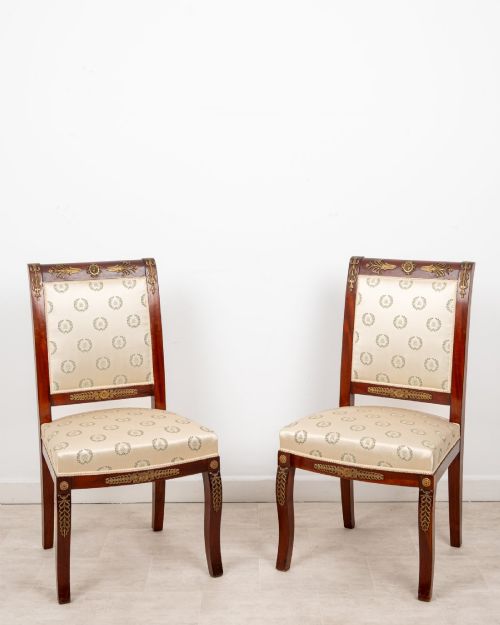
Gold upholstered side chairs bring warmth and formal presence to a room, spanning periods from the Georgian era through the Edwardian years.
Gold Upholstered Side Chairs
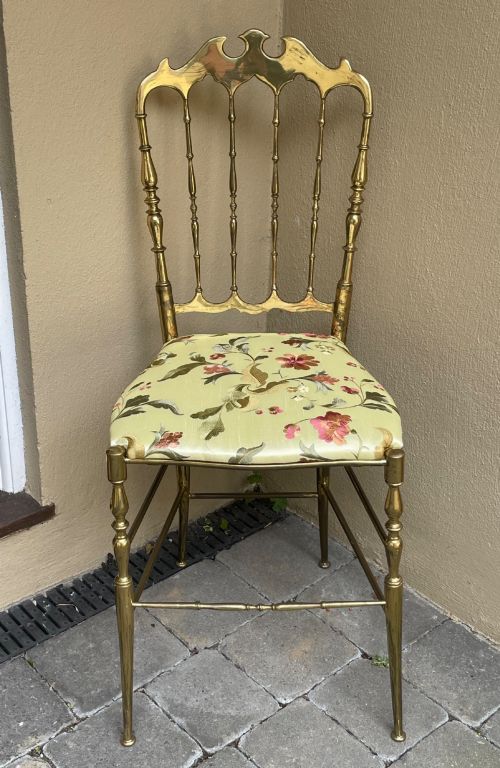
Gold upholstered side chairs encompass dining chairs, salon chairs, and occasional seating originating from the Georgian, Victorian, and Edwardian periods. Buyers searching this phrase encounter giltwood frames, gold paint, and textiles in silk, damask, velvet, and fabric.
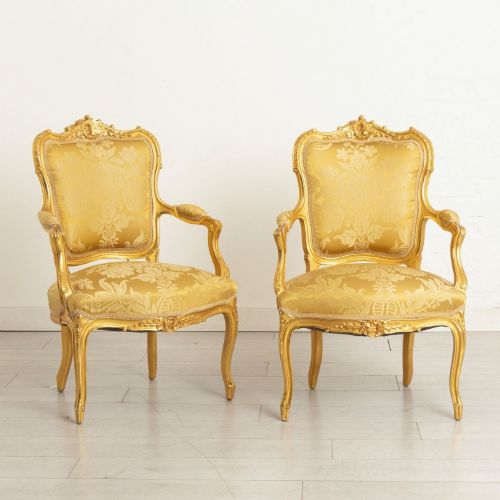
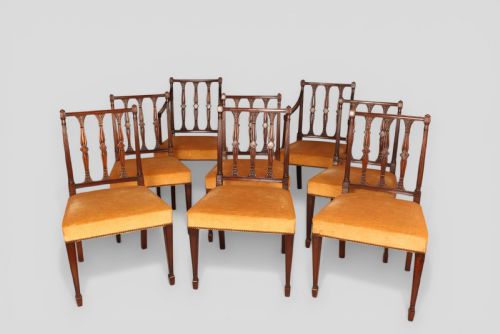
The selection ranges from French revival styles with ormolu mounts to English mahogany and rosewood frames upholstered in gold tones. Side chairs share space with armchairs, prayer chairs, and nursing chairs across the nineteenth and twentieth centuries.
Most examples date to the nineteenth century, reflecting Victorian and Regency revivals of Louis XVI and French Rococo aesthetics. These seating forms served formal reception rooms, drawing rooms, and dining spaces.
Assessing Standard and Execution
Quality rests in the crispness of the wood carving, the integrity of the gilded surfaces, and the stability of the frame construction. Exhibition quality pieces display superior joinery and refined proportions.
The grade of the upholstery textile and the fidelity to historical revival styles, such as Louis XVI or Hepplewhite, distinguish standard production from exceptional examples.
Victorian prayer chairs offered pious Victorians a comfortable place to kneel while contemplating eternity in velvet.
Blyth and Sons·Lamb of Manchester
The Gold Upholstered Side Chairs Glossary
- Giltwood
- Timber coated with gold leaf or gesso to create a lustrous metallic surface. This finish appears frequently on French revival salon and dining chairs.
- Damask
- A reversible figured fabric woven on a jacquard loom, often utilised in silk for formal upholstery. It provides a subtle pattern through contrasting warp and weft faces.
- Ormolu
- Cast brass that is mercury-gilded, applied as a decorative mount to furniture frames. It signals high-status nineteenth century French and English pieces.
- Carver
- An armchair designed to match a set of single dining chairs, typically positioned at the head of a table. These pieces share stylistic details with the accompanying side chairs.
- Prie Dieu
- A low prayer chair featuring an elevated backrest designed for kneeling devotion. Victorian examples often incorporate needlepoint or velvet upholstery.
Gold Upholstered Side Chairs: Frequently Asked Questions
How do I date a gold upholstered side chair?
Dating relies on timber choice, carving style, and construction methods visible in the frame. Georgian and Regency pieces show distinct linear restraint, while Victorian examples often embrace heavier rosewood, walnut, and elaborate revival motifs.
Secondary indicators include turning patterns on legs, the presence of brass castors, and the application of giltwood or gold paint. Comparing structural details against documented nineteenth and twentieth-century workshop practices confirms the period.
Where were side chairs used historically?
Side chairs functioned primarily in dining rooms, drawing rooms, and formal salons where flexible seating was necessary. Their armless design allowed them to sit flush against walls when not in use around a table.
Specific forms like salon chairs and occasional chairs populated reception spaces for entertaining guests. Bedroom chairs and nursing chairs served private chambers for resting and dressing.
Are these chairs suitable for daily dining?
Many period side chairs, particularly robust mahogany and oak dining variants from the nineteenth century, remain structurally sound for regular use. Assessing frame rigidity and joint stability determines whether a piece handles daily sitting.
Fragile giltwood salon chairs or delicate antique silk upholstery require more careful treatment and suit low-traffic display or occasional seating better. Modern reinforcement of internal webbing ensures functional longevity.
What is the difference between giltwood and gold painted chairs?
Giltwood involves applying genuine gold leaf over a prepared gesso and bole layer on wood, producing a deep, enduring metallic sheen. This technique demands skilled craftsmanship and indicates higher-tier manufacture.
Gold paint relies on metallic pigment suspended in a liquid medium, applied directly to the timber surface. Painted finishes often appear on later nineteenth-century French revival and decorative salon chairs.