

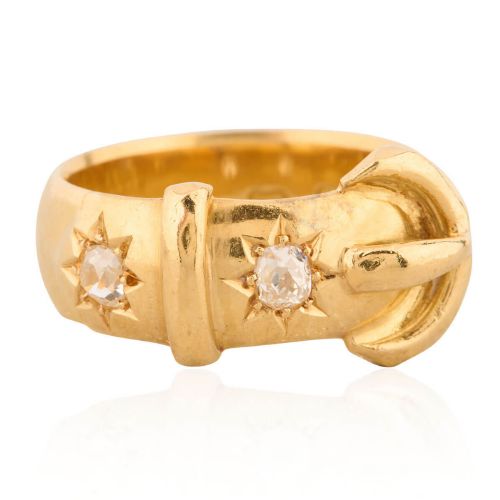


Gold Star Setting Ring
A gold star setting ring brings together centuries of fine metalwork and celestial motifs, offering wearable history with enduring charm.
Gold Star Setting Ring
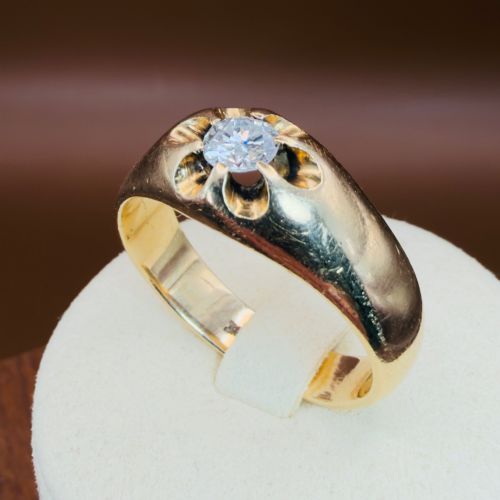
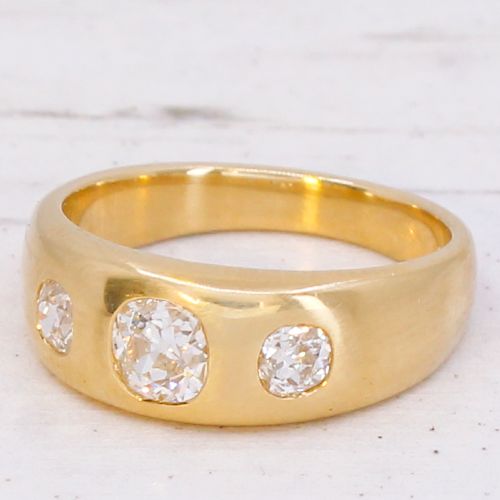
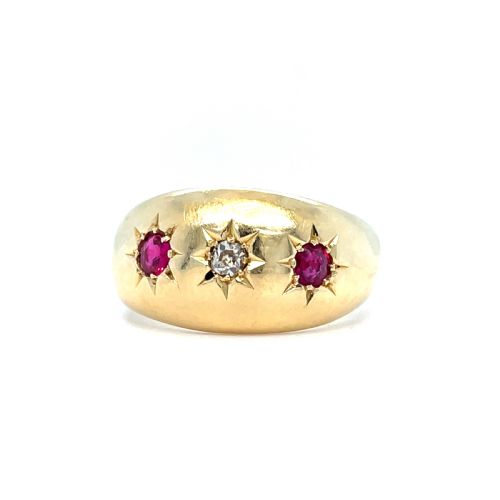
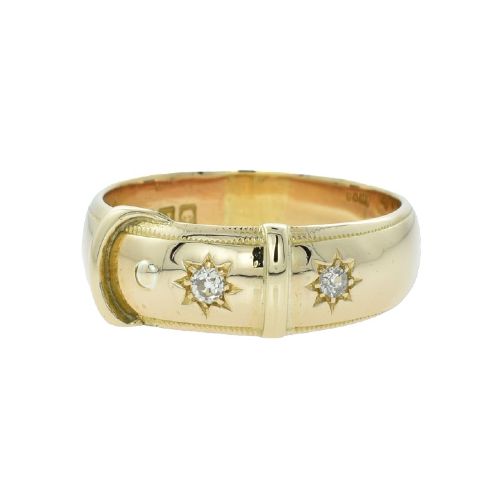
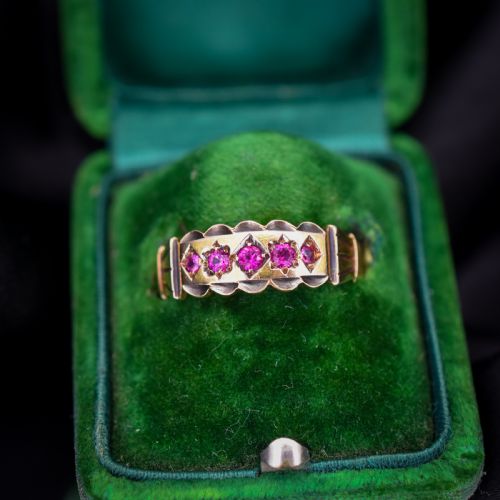
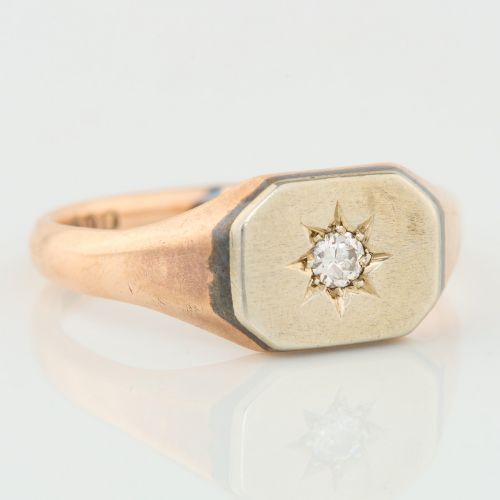
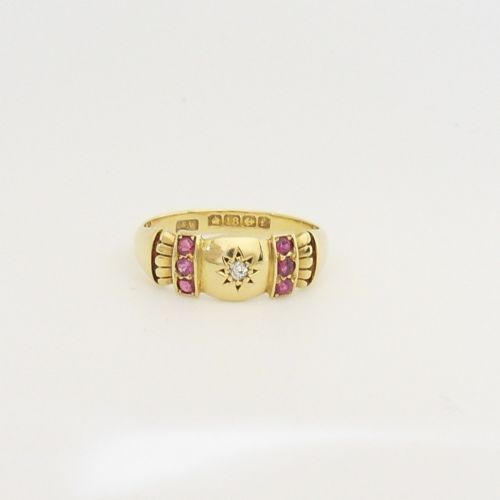
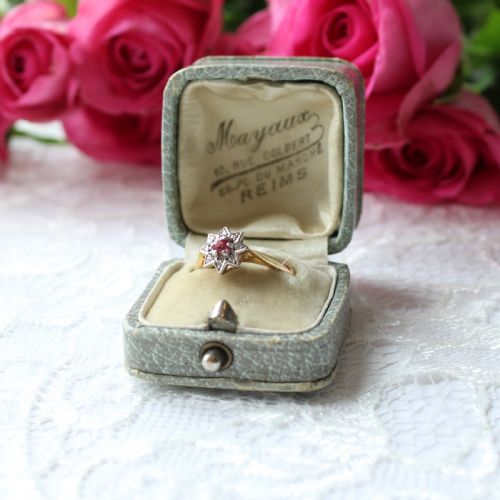
A gold star setting ring incorporates a flush or starburst engraving radiating outward from a central stone, typically housing diamonds, rubies, or sapphires. These pieces frequently appear in Victorian, Edwardian, and Art Deco designs, spanning band rings, gypsy settings, and buckle forms.
The aesthetic bridges utilitarian durability with romantic symbolism, often framing old cut diamonds within geometric or celestial recesses. Surviving examples showcase various gold purities alongside platinum or palladium combinations from the nineteenth and twentieth centuries.
How they were made
Goldsmiths shaped high-carat yellow gold and occasionally platinum or palladium into sturdy bands, employing hand-carved starburst motifs to secure and highlight central stones. Gypsy settings and illusion mounts required precise metal chasing to hammer the surrounding gold tightly over the gemstone edges.
Makers set old cut diamonds, natural sapphires, and rubies flush into the metal surface, creating a smooth profile suited for everyday wear. Engravers added further detail through patterned bands, buckle motifs, and black enamel accents.
Listings feature yellow gold ranging from nine to eighteen carats, alongside platinum and palladium elements from the Victorian era onward.
What varies in quality
The crispness of the hand-engraved star facets and the structural integrity of the flush bezel separation determine the primary tier of craftsmanship. Sharp, deep graver lines around the central stone distinguish finer Victorian and Edwardian examples from softer, worn later castings.
The selection and match of old cut diamonds, unheated star sapphires, or rich rubies elevate certain pieces above standard multi-stone bands. Substantial shank weight and legible hallmarks from assay offices like Chester or Birmingham further denote superior provenance.
The Gold Star Setting Ring Glossary
- Gypsy setting
- A mounting style where the gemstone is flush with the surface of the ring, surrounded by a heavy metal wall. This technique gained immense popularity during the Victorian era for practical, snag-free daily wear.
- Old cut diamond
- A hand-faceted diamond shape predating modern brilliant cuts, characterised by a smaller table, higher crown, and open culet. These stones catch candlelight with a distinct, warmer sparkle.
- Illusion setting
- A mounting method where a faceted metal plate surrounds a smaller stone to make it appear larger. It was widely utilised during the Edwardian and Art Deco periods.
- Trilogy ring
- A ring featuring three main gemstones, often symbolising the past, present, and future. They appear frequently with diamond and ruby combinations across nineteenth-century inventories.
- Hallmark
- An official stamp struck into precious metal indicating purity, the maker, and the assay office. British pieces often display regional town marks alongside date letters.
Gold Star Setting Ring: Frequently Asked Questions
How do I date my ring?
Dating relies on hallmarks, gemstone cuts, and overall stylistic traits such as Victorian gypsy bands or Art Deco geometric mounts.
Old cut diamonds and specific regional assay stamps help narrow the period of creation to specific decades.
Are these rings durable for daily wear?
Gypsy and flush star settings rank among the most secure mounting styles for everyday use because the stones sit level with the gold.
Heavier nineteenth-century shanks offer particular resilience, though older claws require routine checks by a jeweller.
What stones are used in these pieces?
Diamonds, rubies, and sapphires appear most frequently, accompanied occasionally by pearls, emeralds, and black onyx.
Many Victorian and Edwardian examples combine old cut diamonds with rich blue sapphires or deep red rubies.