

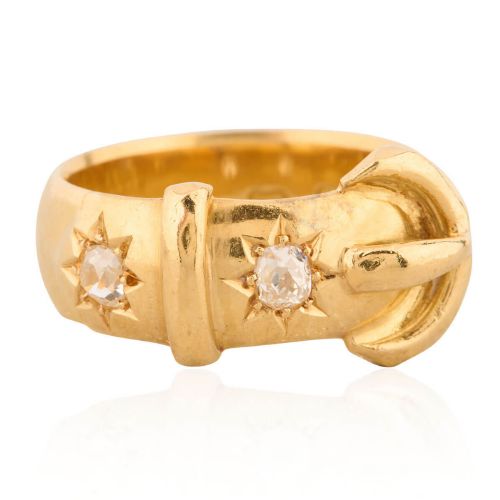


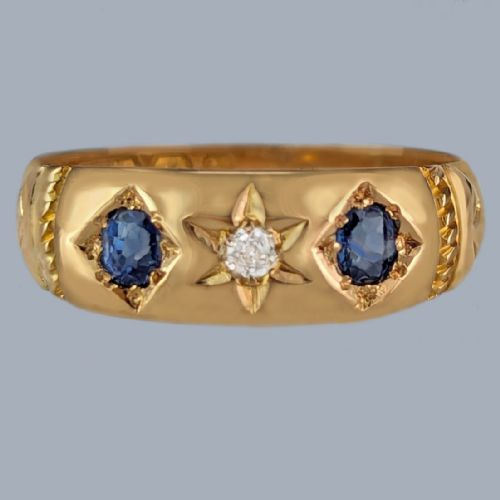
Victorian Star Diamond Ring
A victorian star diamond ring centres celestial motifs and old cut stones in gold bands designed to catch the candlelight.
Victorian Star Diamond Ring
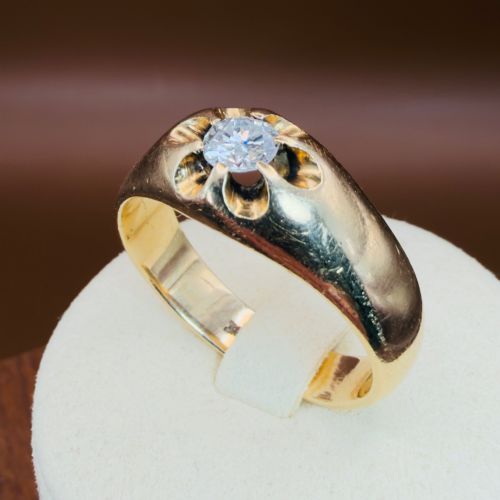
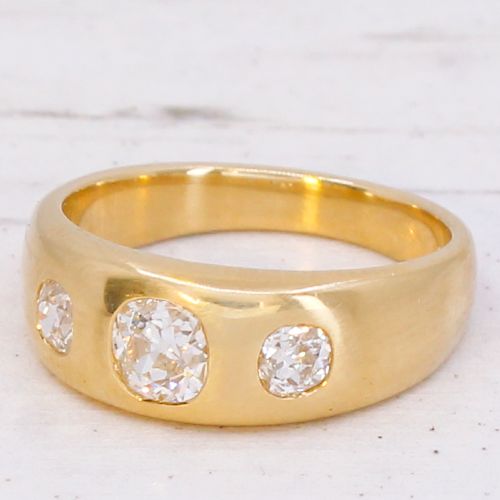
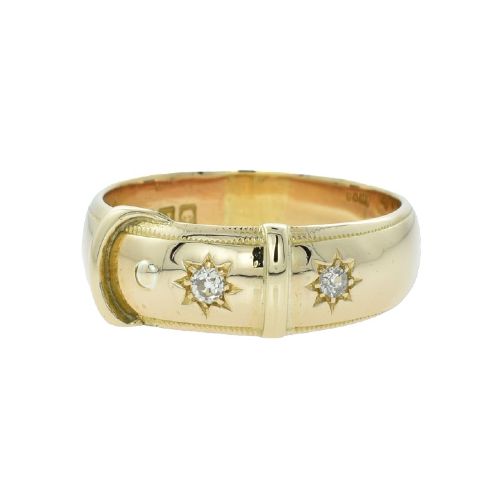
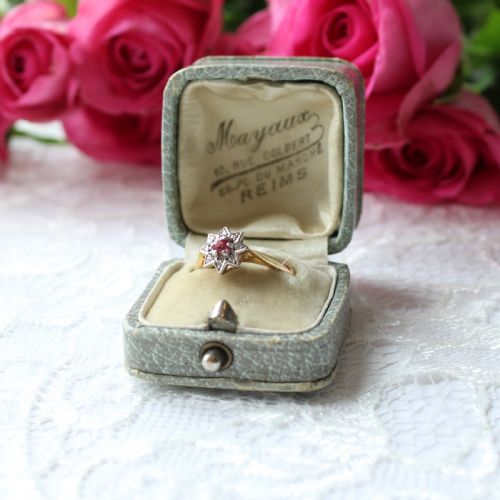
A victorian star diamond ring combines nineteenth-century craftsmanship with celestial iconography, typically presenting stones flush-set or raised within engraved starburst motifs. You will encounter gypsy bands, buckle designs and cluster configurations most frequently on this page.
The materials span eighteen-carat and nine-carat yellow gold, occasionally accented with enamel, pearl, ruby, sapphire or onyx alongside the central diamond. These pieces originate predominantly from the Victorian and Edwardian eras, with occasional variations spanning into the mid-twentieth century.
Materials and construction
Goldsmiths utilised yellow gold of varying purities, hammering or casting heavier bands to accommodate flush star settings that protected fragile stone edges during daily wear. Old cut diamonds and rose cut diamonds were hand-set into these starburst engravings, often accompanied by natural rubies, sapphires or pearls.
Techniques such as gypsy setting sank the diamond directly into the thick shoulder of the ring, while illusion settings created a broader appearance for smaller stones. Hallmarks stamped into the interior of the bands record assay office towns and specific years of production.
Listings feature yellow gold ranging from nine to eighteen carats, alongside platinum-free designs spanning the Victorian and Edwardian periods.
Judging quality in these rings
Quality rests upon the crispness of the hand-engraved starburst rays surrounding the diamond and the depth of the metal work. Crisp, sharp points on the star motif indicate superior hand-chasing by the original jeweller.
The choice of gemstones and the weight of the gold band dictate the substance of the piece. Heavier eighteen-carat gold examples with well-matched old cut diamonds represent the higher tier of survival from this period.
The Victorian Star Diamond Ring Glossary
- Gypsy setting
- A mounting style where the gem is flush with the surface of the metal, secured by thick surrounding walls of gold. This technique became popular during the nineteenth century for practical, snag-free daily wear.
- Old cut
- A hand-faceted diamond cut predating modern brilliant standards, characterised by a smaller table, higher crown and open culet. These stones display a softer, chunkier light return under low-level illumination.
- Buckle ring
- A ring fashioned in the likeness of a buckled belt, symbolising loyalty and attachment in nineteenth-century jewellery. These often incorporate star-set diamonds upon the strap.
- Trilogy ring
- A ring featuring three principal stones set in a row, representing the past, present and future. In these listings, they frequently combine diamonds with rubies or sapphires.
- Illusion setting
- A mounting technique utilising a faceted or bright-cut metal plate around a smaller diamond to trick the eye into seeing a larger stone. It was widely employed to maximise visual impact.
Victorian Star Diamond Ring: Frequently Asked Questions
How do I wear a antique gypsy ring safely?
Gypsy rings sit low to the finger with smooth surfaces, making them exceptionally practical for daily wear compared to high-prong modern settings. Their flush metal borders protect the girdle of the diamond from accidental knocks.
Despite their durability, you should remove them during heavy manual tasks or swimming to protect the antique gold bands and any secondary gems like pearls or enamel from chemical damage.
What is an old cut diamond?
An old cut diamond is a hand-polished stone shaped before the advent of modern machinery in the early twentieth century. These diamonds possess distinctive facets, smaller tables and deep pavilions designed to sparkle under candle or gas light.
Because each stone was cut entirely by eye to maximise weight and brilliance within the rough crystal, no two old cut diamonds are identical.
How can I date my gold ring?
Dating relies primarily on official hallmarks stamped inside the band, which include maker marks, standard purity marks, assay office symbols and date letters. Comparing the style of engraving, such as Etruscan Revival motifs or starbursts, also helps narrow the decade.
In the absence of clear hallmarks, stylistic indicators like tapered gypsy shoulders and specific gemstone combinations provide a reliable chronological window.
Did Victorians wear engagement rings?
Victorians exchanged many styles of rings to mark betrothals, including multi-stone gypsy bands, cluster rings and designs incorporating symbolic motifs like buckles and starbursts. Diamonds were valued alongside coloured gemstones such as rubies and sapphires.
These versatile designs were worn by both men and women as tokens of affection, friendship or commitment rather than conforming to a single standard engagement style.