

Gold Rococo Wall Glass
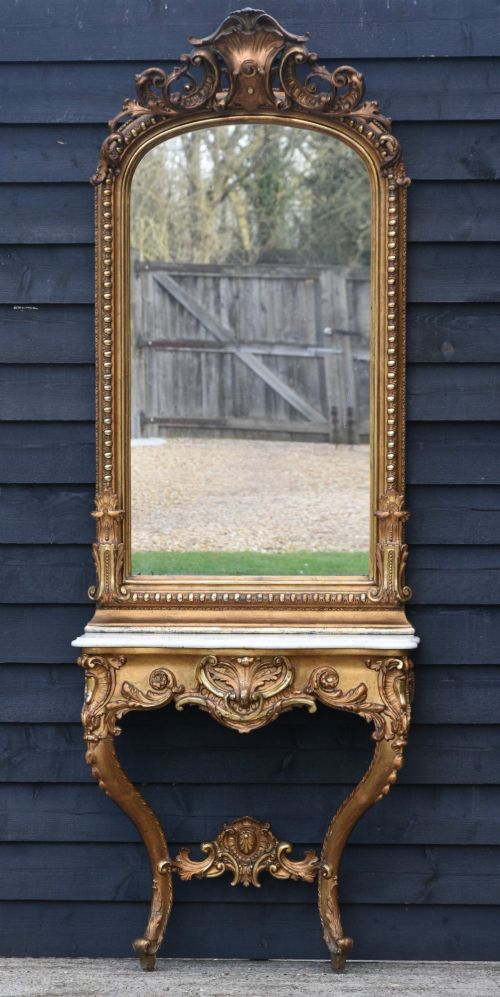
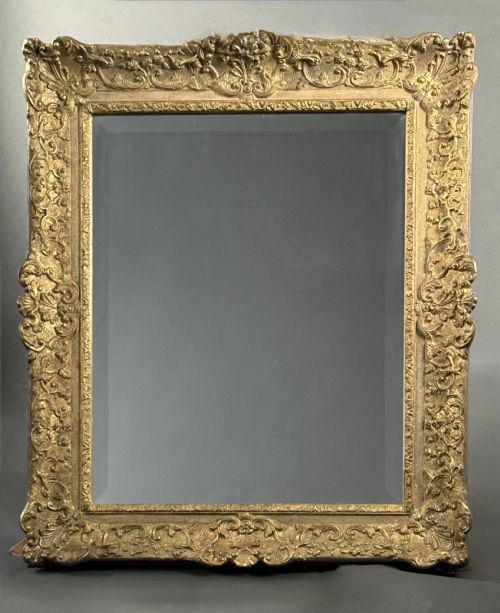
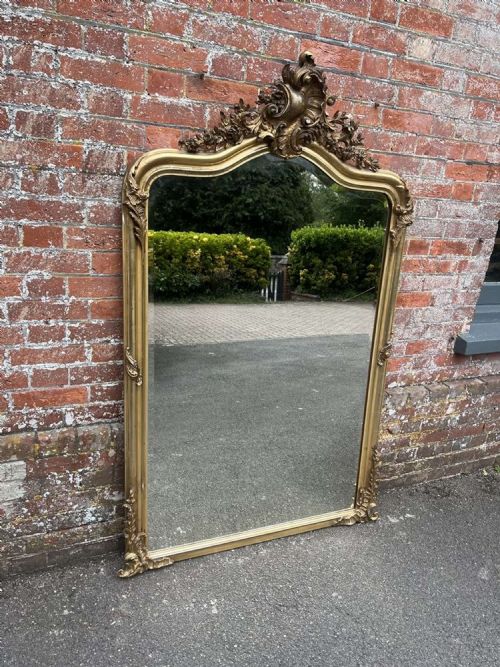
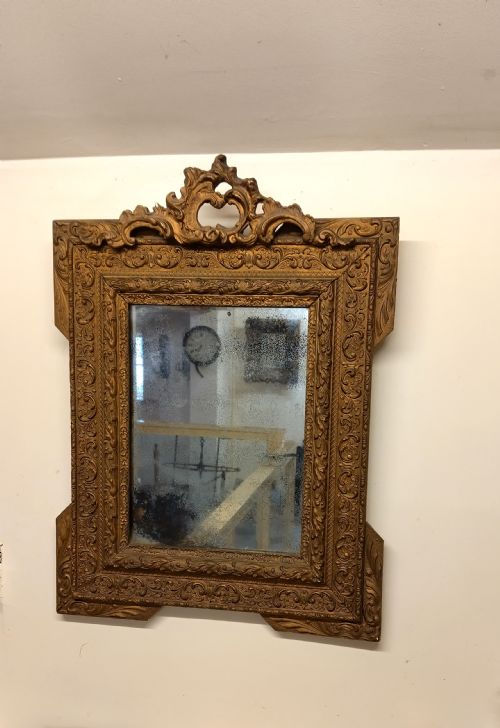
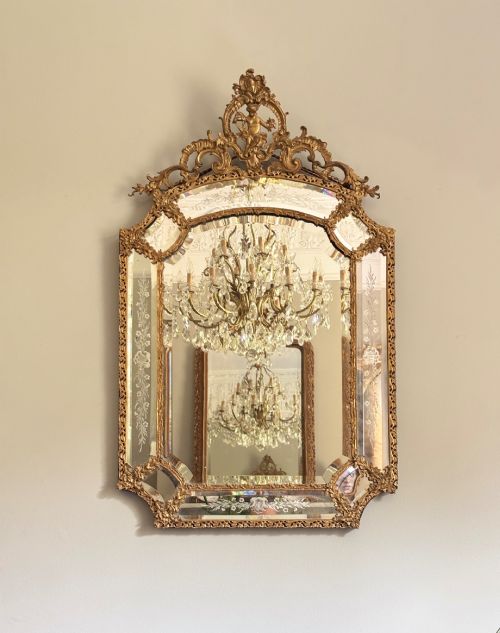
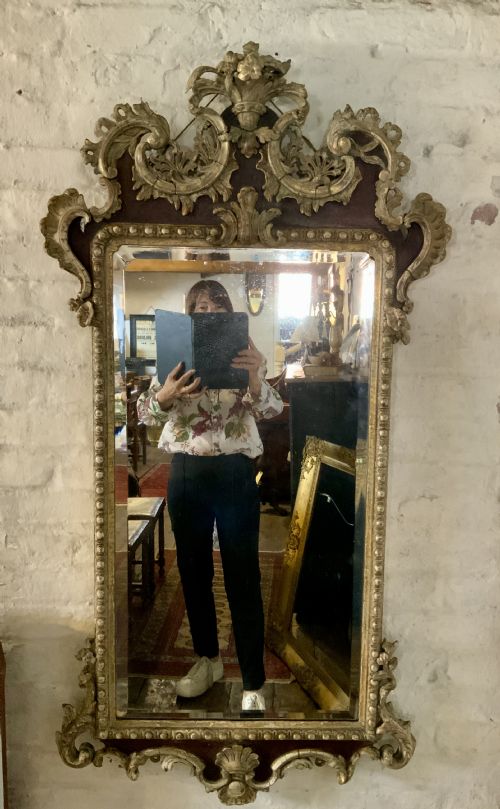
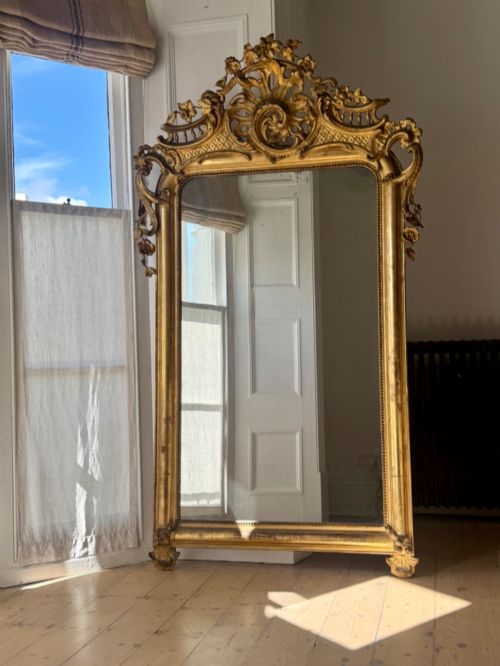
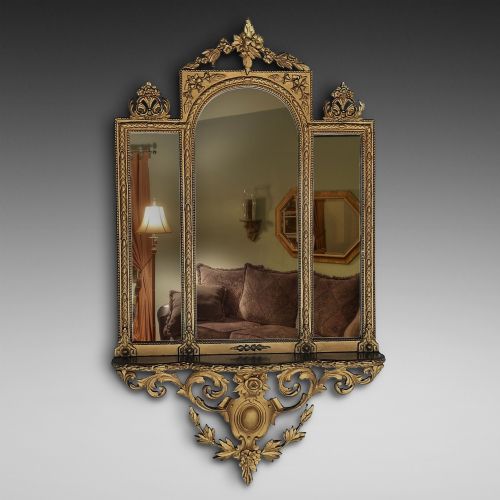
These gold rococo wall glass pieces bring exuberant asymmetric curves and brilliant gilded surfaces to an interior, channelling centuries of continental and British craftsmanship.
Gold Rococo Wall Glass
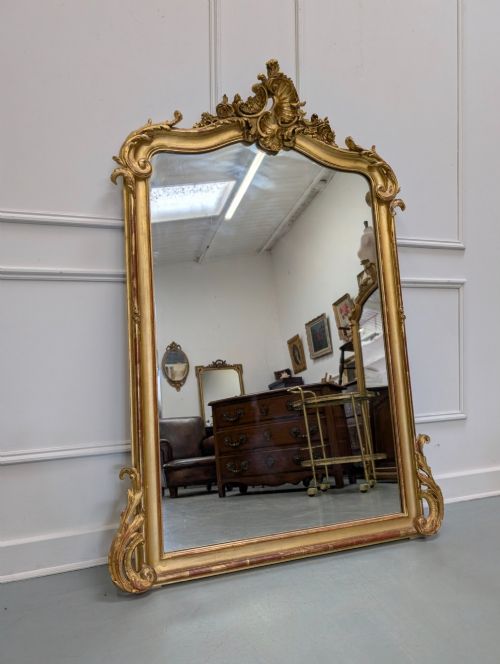
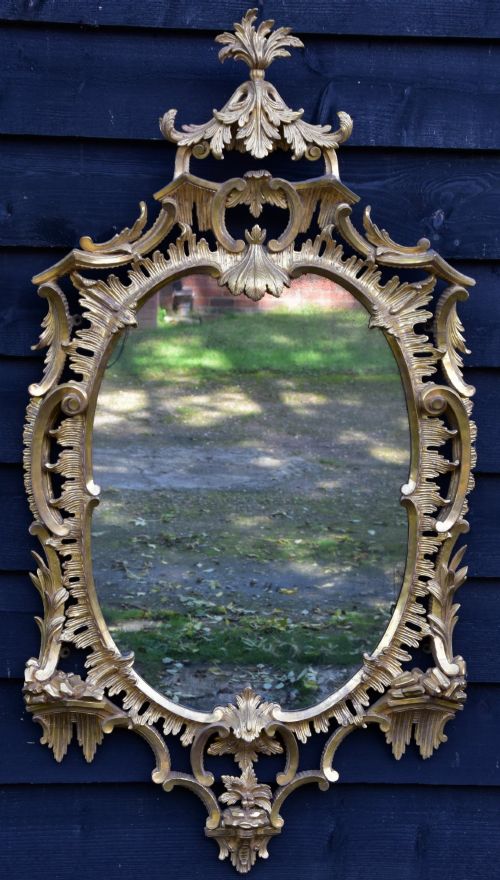
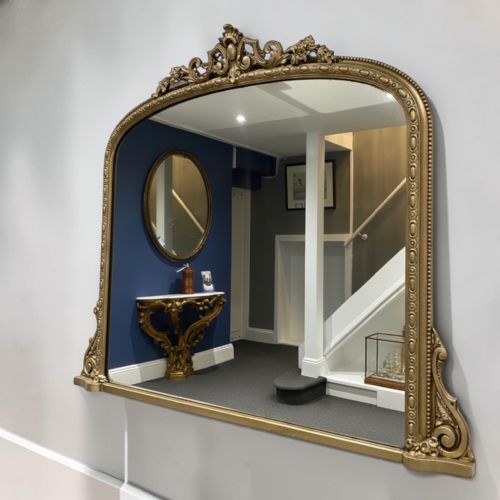
A gold rococo wall glass search gathers ornate mirrors, overmantel glasses, console tables with matching mirrors, and wall lights spanning the eighteenth, nineteenth, and early twentieth centuries. You encounter French, Italian, and English works displaying heavy revival influences from the periods of Louis XV, the Georgian era, and the Victorian age.
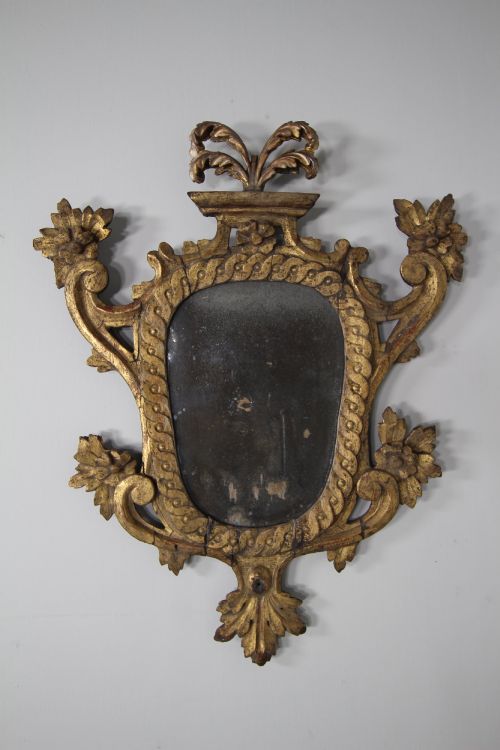
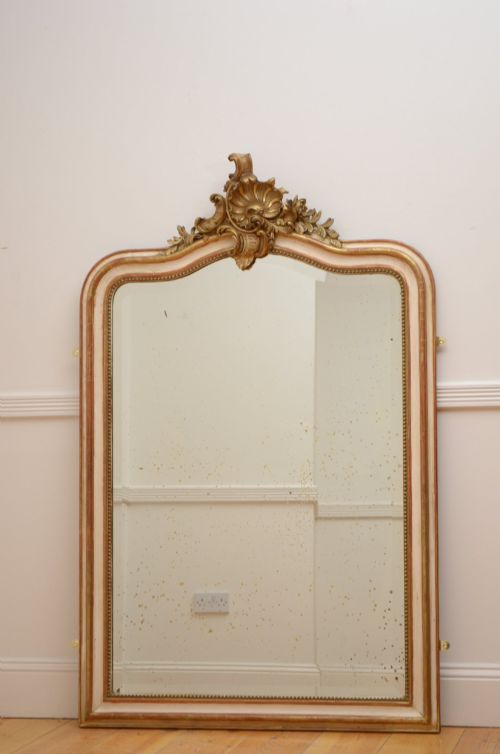
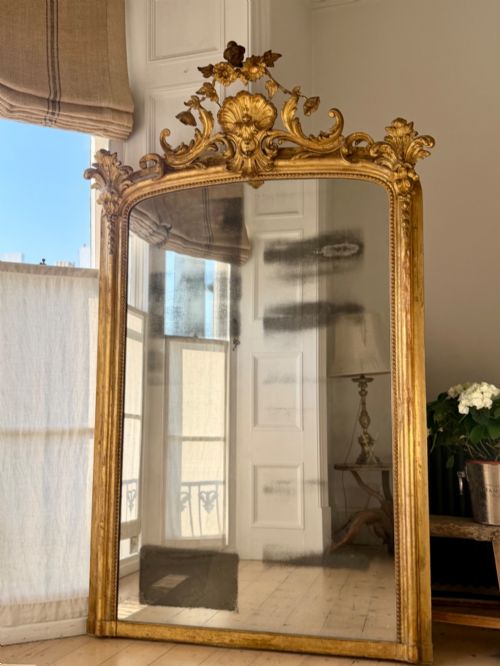
The most common survival on this page is the nineteenth century French or Italian giltwood wall mirror, often shaped at the top with carved scrolling foliage and putti. Alongside these stand eighteenth century cartouche forms and larger overmantel plates designed to sit above a fireplace.
Makers and workshops across Europe produced these items using regional stylistic variations, moving from authentic eighteenth century carving to later nineteenth century revivals using composition ornamentation over carved wooden frames.
Materials and Construction
The structural framework typically relies on carved wood or moulded composition applied to a wooden base, which is then covered in layers of gesso before receiving gold leaf or gilding. Many examples incorporate original mercury glass plates, whilst others feature later bevelled mirror glass.
Gilding techniques range from traditional water gilding with gold leaf to oil gilding and painted metallic finishes on gesso grounds. Structural elements like oak, walnut, and mahogany underpin the heavy carved frames, occasionally paired with marble tops on associated console tables.
Listings feature walnut, oak, and mahogany frames alongside gesso, carved wood, and giltwood constructions.
Evaluating the Pieces
Quality rests in the crispness of the hand carving and the depth of the gesso relief work, where fluid asymmetric scrolls distinguish superior artisan execution from mass-produced Victorian composition mouldings. Original gilding showing natural warm ageing holds greater integrity than later repainted surfaces.
The character of the mirror plate itself dictates the tier of the piece, with foxed or engraved mercury glass offering period authenticity compared to modern replacement glass. Frame stability and the preservation of delicate crestings and carved putti without excessive modern repairs further separate standard examples from finer works.
The Gold Rococo Wall Glass Glossary
- Gesso
- A plaster mix applied to wood frames to create a smooth surface for gilding. It allows carvers to build up intricate relief details before laying gold leaf.
- Mercury glass
- A silvered mirror glass produced by pouring a mercury amalgam behind the glass pane. It develops characteristic dark foxing spots over time.
- Trumeau
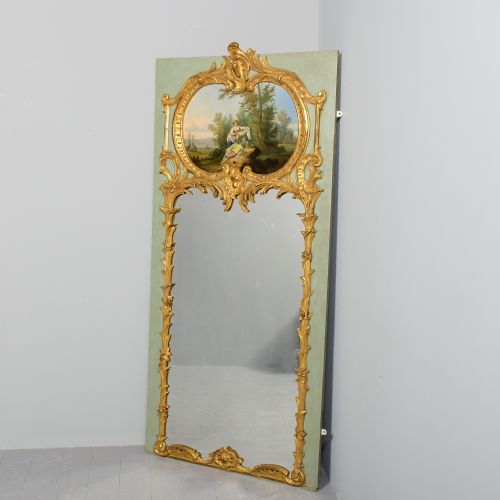
- A decorative wall mirror fitted into a panel, often incorporating painted scenes or carved wood above the glass plate. These French pieces sat flush against drawing room walls.
- Cartouche
- An ornamental frame resembling a rolled-up scroll or unfurled parchment, frequently used for eighteenth century Italian and French mirror designs.
- Giltwood
- Timber that has been covered with thin sheets of gold leaf. This technique protects the underlying wood while reflecting interior candlelight.
Gold Rococo Wall Glass: Frequently Asked Questions
How do I spot original mercury glass?
Original mercury glass displays uneven dark spots, clouding, and a deep, liquid reflection known as foxing.
Modern replacement plates appear clear, uniform, and lack the characteristic historical degradation seen behind eighteenth and nineteenth century frames.
Where should I hang a heavy overmantel mirror?
These large mirrors anchor principal reception rooms, traditionally mounted directly above a fireplace mantelpiece to bounce light around the space.
Ensure the wall structure and fixings bear the substantial combined weight of the timber frame, gesso, and glass plate safely.
What is the difference between eighteenth and nineteenth century frames?
Eighteenth century pieces generally feature hand-carved wooden frames with organic asymmetry and original mercury plates.
Nineteenth century revival pieces often utilise moulded composition over timber bases to replicate earlier Louis XV and Baroque styles with heavier ornamentation.
How do I care for antique gilded surfaces?
Dust gently with a dry, soft feather duster or microfiber cloth to prevent scratching the fragile gold leaf or flaking the underlying gesso.
Avoid all liquid cleaners, polishes, and chemical sprays, as moisture strips historical water gilding permanently from the wood.