

Gold Reading Light
A gold reading light brings warm, focused illumination and period character to a room, spanning styles from Victorian brass columns to Edwardian floor lamps.
Gold Reading Light
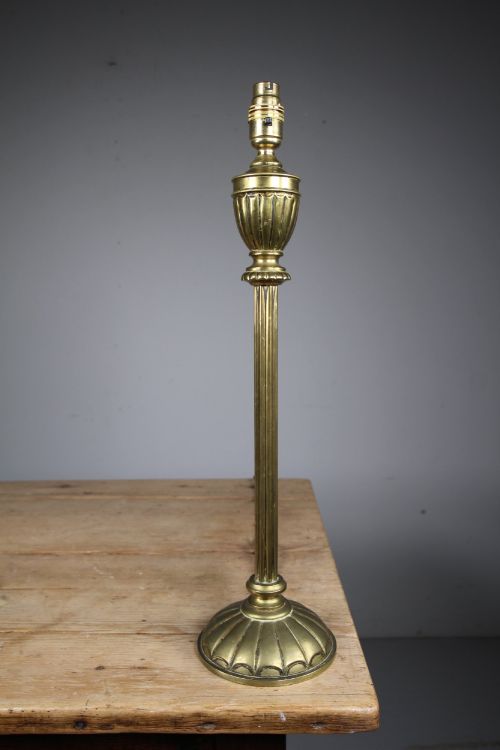
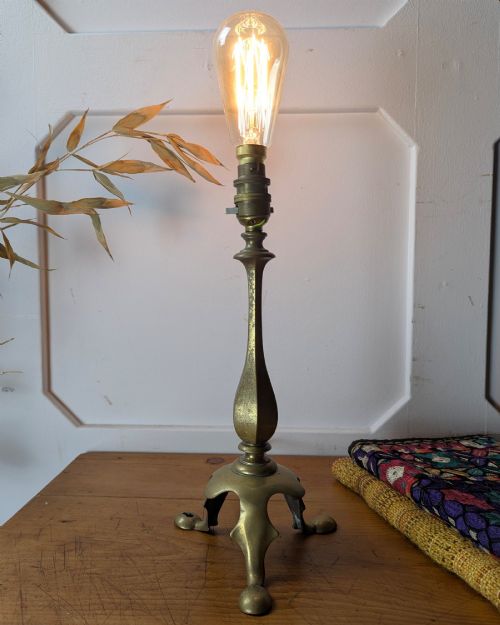
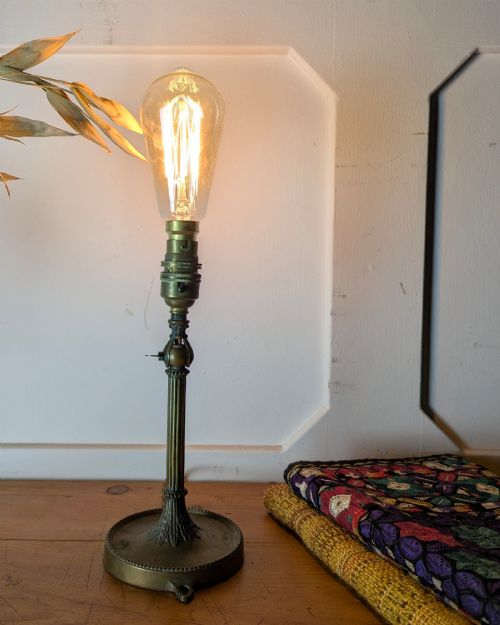
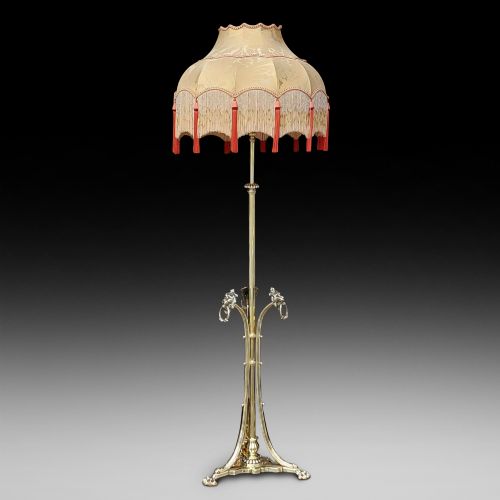
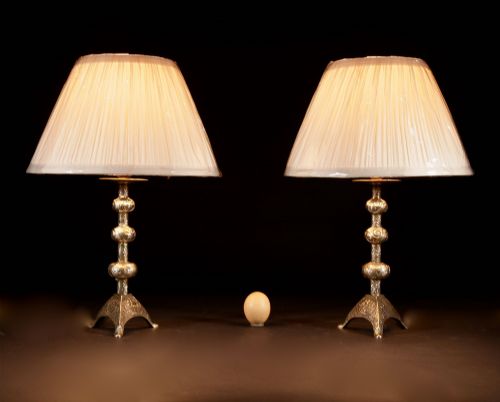
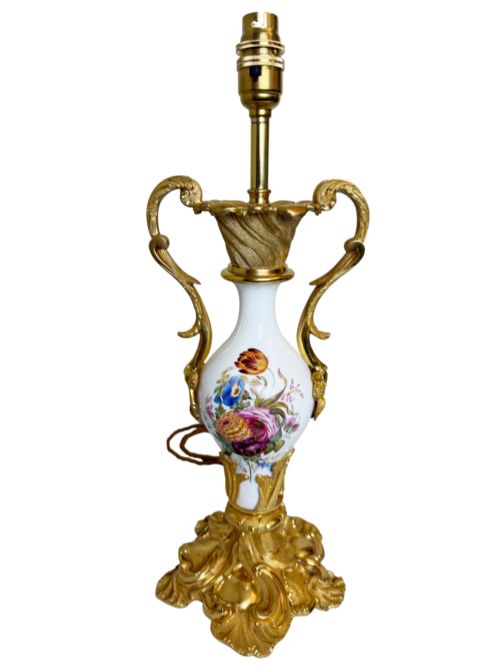
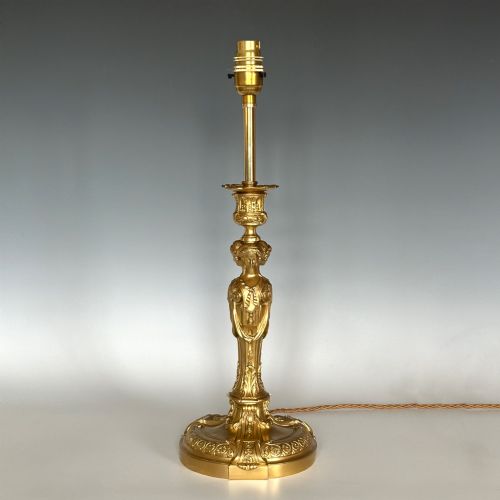
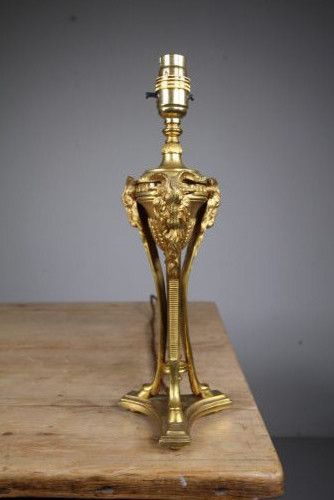
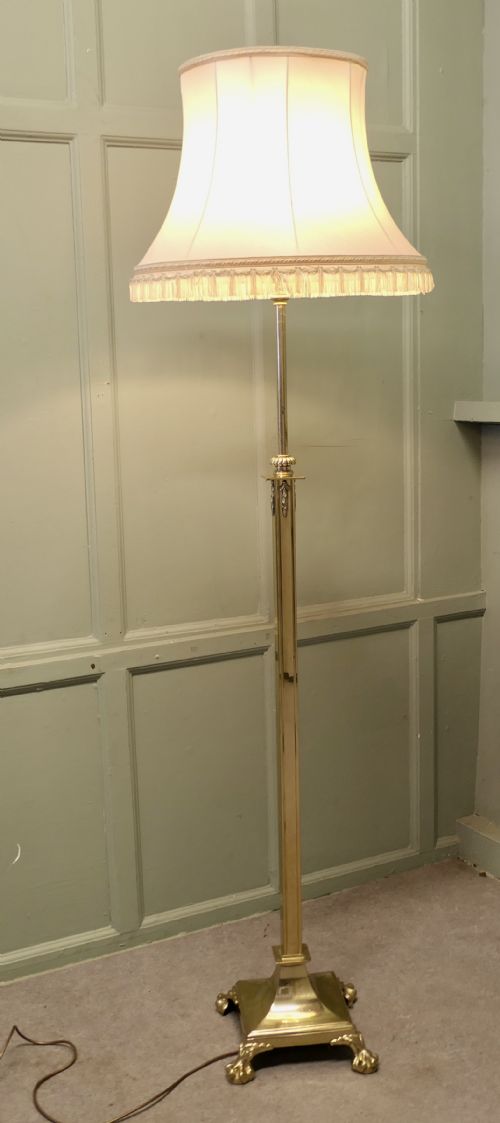
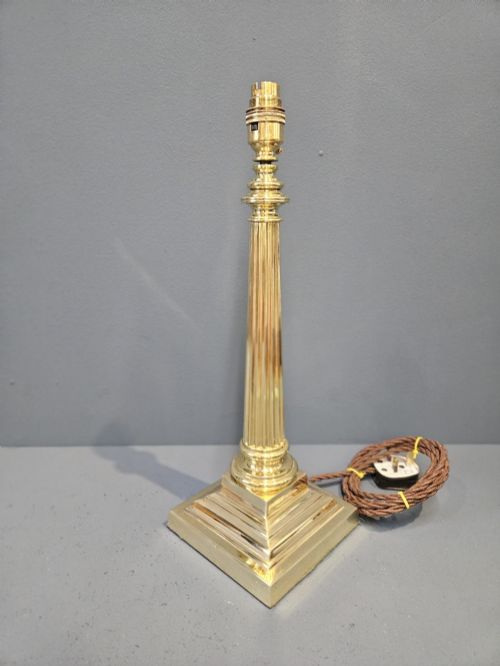
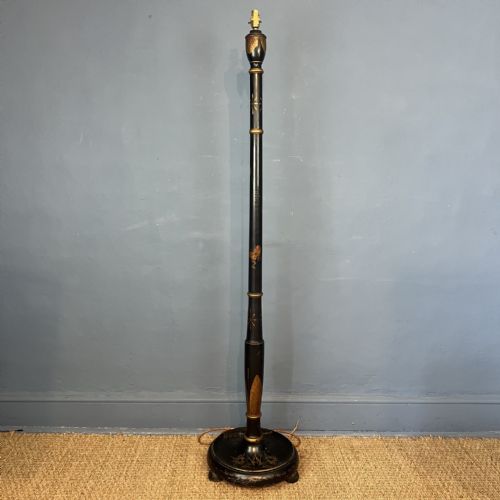
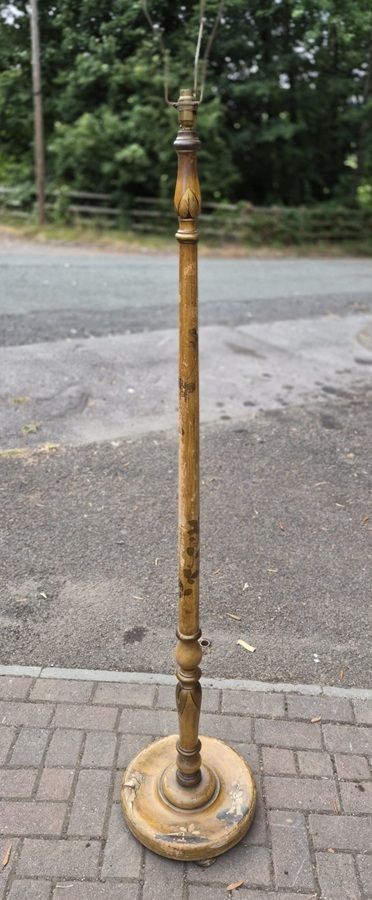
A gold reading light encompasses various brass, gilt bronze, and ormolu fixtures designed to illuminate tasks, frequently appearing as table lamps, floor lamps, and standard lamps. These pieces draw from Victorian, Edwardian, and early twentieth-century origins, often displaying classic column or adjustable stem forms.
The selection on this page relies heavily on nineteenth-century and early twentieth-century designs, featuring styles such as Neoclassical, Art Nouveau, and French Empire. Standard lamps and table lamps dominate the offerings, providing both functional illumination and decorative presence.
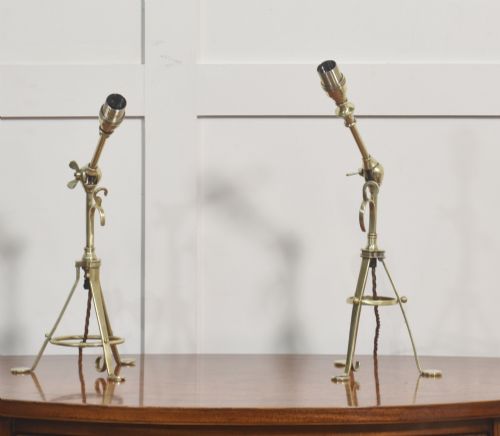
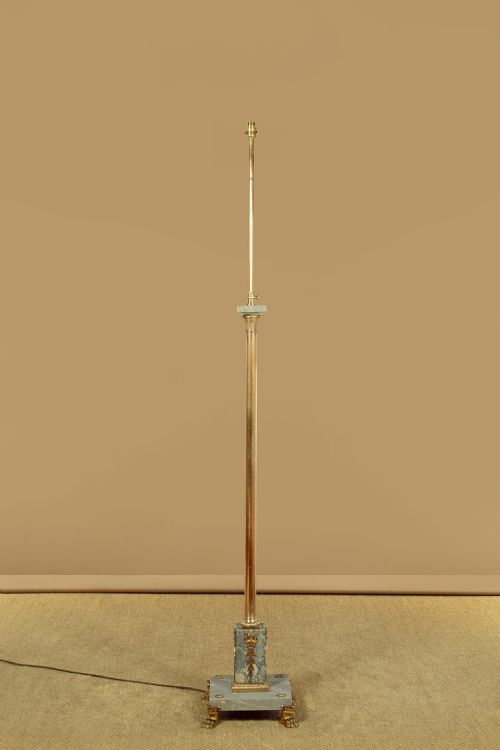
Buyers encounter items ranging from petite boudoir reading lamps to tall telescopic floor lamps. These fixtures frequently incorporate adjustable mechanisms, offering flexible lighting solutions rooted in historical periods.
Materials and Techniques
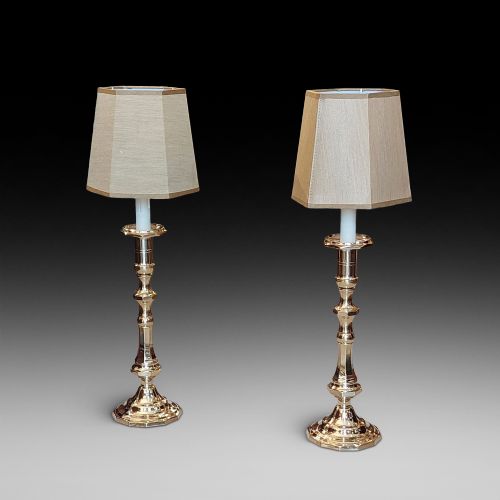
Construction relies primarily on metals such as brass, gilt bronze, and ormolu, shaped through casting, turning, and detailing. These metallic elements often pair with fabric shades made from silk or glass components to diffuse the light effectively.
Workmanship demonstrates period manufacturing methods, including reeded columns, Corinthian capitals, and cast brass ornamentation. Additional materials like marble and lacquer occasionally appear in the bases and columns to add weight and visual contrast.
Listings feature materials including brass, gilt bronze, ormolu, fabric, silk, glass, marble, and lacquer across table and floor lamp configurations.
Distinctions in Quality
Quality differentiates through the crispness of metal casting, the weight of the brass or gilt bronze, and the refinement of architectural details like fluted columns and capitals. Superior examples display sharply defined ornamentation and balanced proportions without relying on superficial embellishment.
The sophistication of mechanical adjustments, such as telescopic stems and pivoting joints, also separates standard production from finer pieces. Original or well-matched components and shades contribute to the overall integrity of the light.
W.A.S. Benson·Dugourc
The Gold Reading Light Glossary
- Ormolu
- A technique of applying finely ground, high-carat gold to a bronze object. This process yields a rich, golden surface finish characteristic of fine French decorative metalwork.
- Corinthian Capital
- The topmost member of a column, decorated with stylized acanthus leaves. It frequently crowns the brass columns found on Victorian and Edwardian table lamps.
- Standard Lamp
- A British term for a floor-standing lamp designed to illuminate a specific area of a room. These tall fixtures often feature adjustable heights and heavy bases for stability.
- Gilt Bronze
- Bronze metal that has been coated with a thin layer of gold. It provides a durable metallic base with a warm, reflective golden appearance.
Gold Reading Light: Frequently Asked Questions
How do I choose between a table lamp and a floor lamp?
Table lamps suit surfaces like desks, sideboards, or bedside tables, providing localized pools of light for reading or writing. Floor lamps stand independently on the floor, offering broader illumination and serving as prominent vertical elements in a room layout.
Selecting the right format depends on the available space and the specific lighting needs of the interior. Adjustable floor lamps provide flexibility for seating areas, while smaller table options fit intimate reading corners.
What periods do these gold reading lights come from?
The listings span from the Victorian and Edwardian eras into the early twentieth century, encompassing styles from the nineteenth century onwards. Pieces reflect design movements including Neoclassical, Art Nouveau, and French Empire.
Identifying the period involves examining the casting methods, decorative motifs, and structural hardware typical of each era. Brass columns and gilt bronze details help anchor the items within their specific decades.
How were these reading lights originally used?
These fixtures provided dedicated task lighting for reading, writing, or sewing in drawing rooms, studies, and boudoirs before electricity became widespread or alongside early electric conversions. Adjustable stems and swing arms allowed users to direct the beam precisely where needed.
Many designs served a dual purpose as decorative objects of status, utilising polished brass and gilt bronze to catch the ambient light of gas or early electric bulbs. Their sturdy construction ensured stability on heavy wooden tables or beside armchairs.
How do I safely live with vintage brass lighting?
Living with vintage lighting involves ensuring the electrical components meet modern safety standards while preserving the exterior metal finish. Many period pieces benefit from professional rewiring to accommodate contemporary plugs and bulbs safely.
Maintenance requires gentle dusting of the brass or gilt bronze and appropriate care for any fabric shades or glass elements. Avoiding harsh chemical cleaners preserves the natural patina developed over the decades.