


Gold Porcelain Wall Plate
When you search for a gold porcelain wall plate, you are looking at decorative ceramics enriched with metallic leaf, enamel, and gilding.

Gold Porcelain Wall Plate
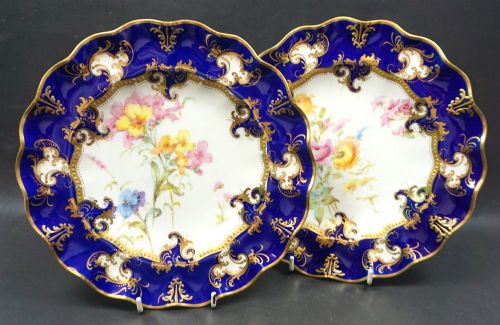
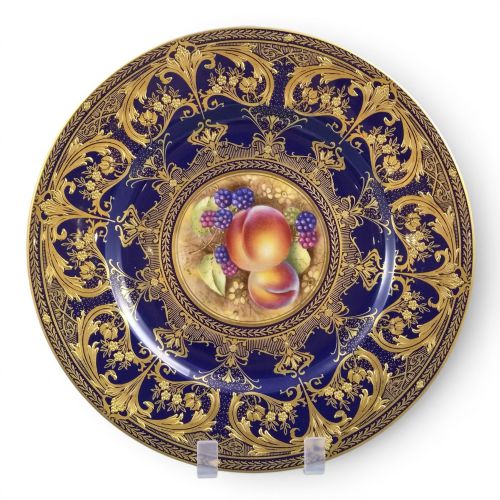
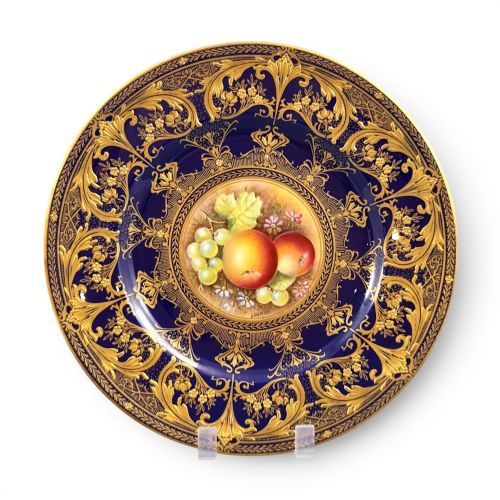
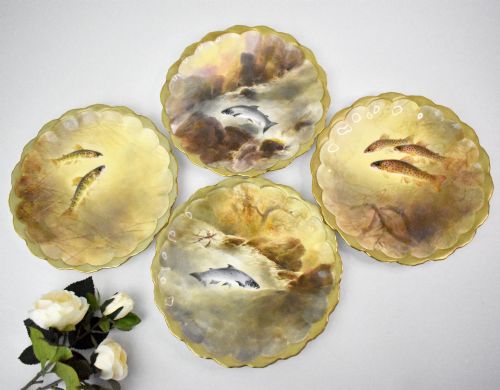
A gold porcelain wall plate combines fine ceramic bodies with elaborate gilding, enamel work, and hand-painted scenes designed for display rather than daily dining. These ornamental items span centuries of production, taking the form of cabinet plates, chargers, and dessert services.
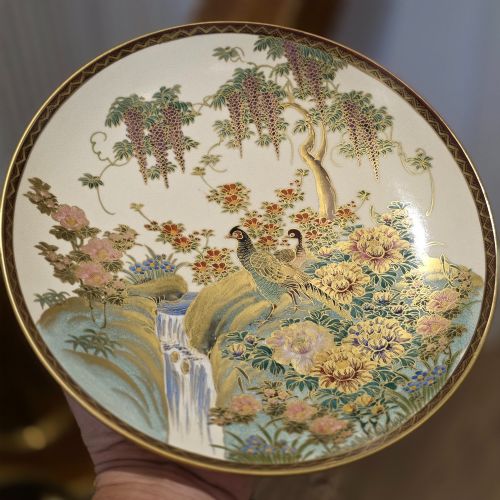
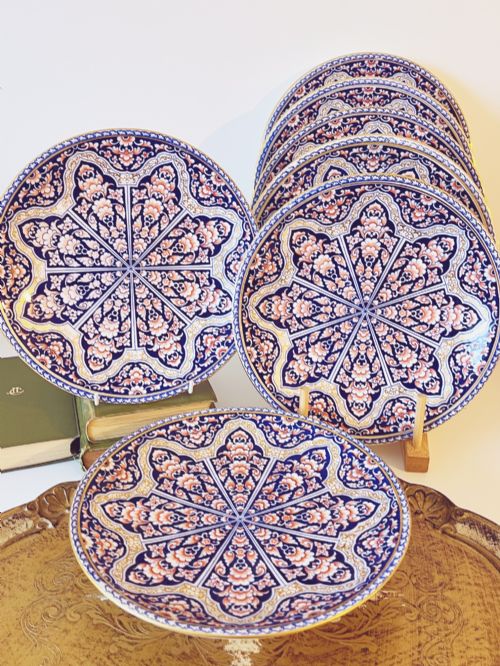
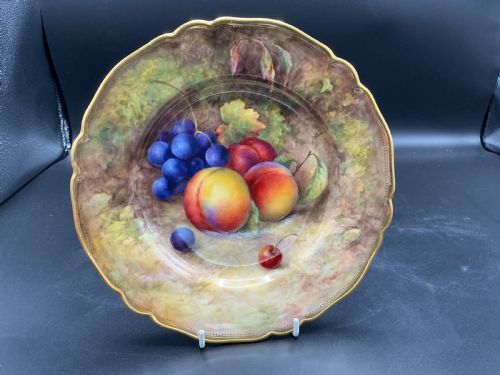
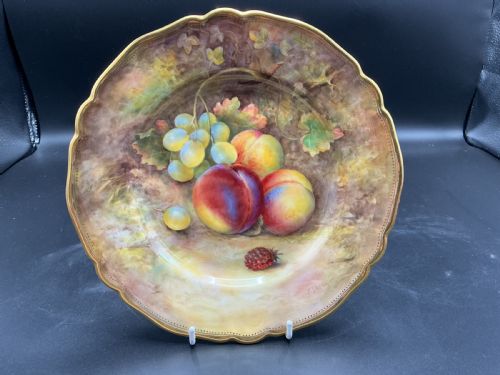
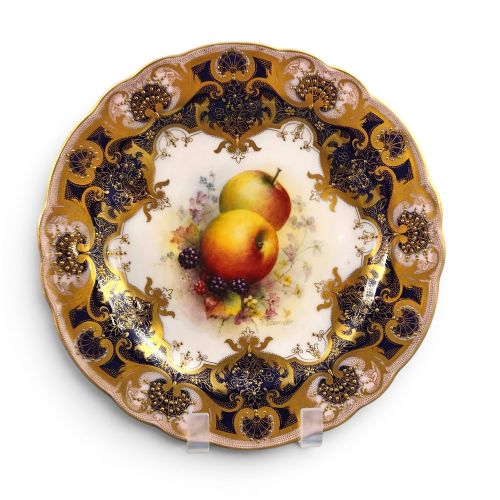
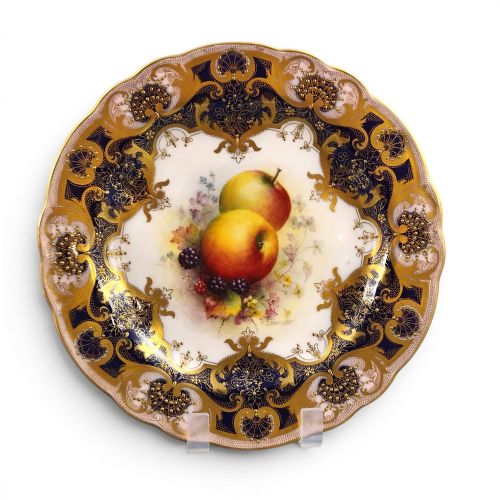
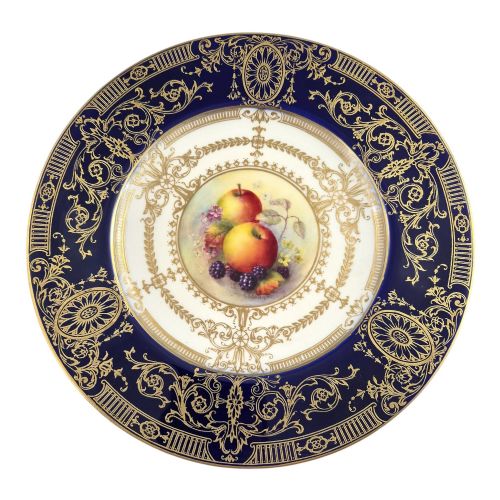
The pieces you meet most often on this page date from the nineteenth century and the early twentieth century, originating from notable English factories like Royal Worcester and continental houses such as Vienna. Makers applied rich cobalt borders, tooled gold, and hand-painted fruit or mythological subjects to elevate utilitarian forms into decorative art.
Earlier examples reach back to the eighteenth century with soft-paste porcelain, featuring Kakiemon designs or armorial crests. Whether styled in the Neoclassical taste or elaborately pierced, these objects reflect the changing decorative fashions of their respective periods.
How they were made
Potters shaped these objects using hard-paste porcelain, soft-paste porcelain, bone china, or earthenware, often forming them into specialised shapes like basketweave plates or large chargers. Artisans applied hand-painted enamels directly onto the ceramic body before a high-temperature kiln firing fixed the pigments.
Guilders and decorators added gold leaf, liquid gilding, and tooled gold accents in distinct patterns around the borders and central reserves. Further low-temperature firings melted the gold and enamel into the glaze to secure a permanent metallic lustre.
Listings feature porcelain forms spanning the eighteenth, nineteenth, and twentieth centuries, incorporating gold leaf, enamel, and bone china.
What varies in quality
The skill of the hand-painted subject separates standard decorative wares from exceptional cabinet pieces, particularly when signed by known artists who specialised in fruit or figurative scenes. Finely detailed brushwork in portraits or botanical studies indicates a higher tier of craftsmanship.
The execution of the gilding itself dictates value, where heavily tooled, raised gold work requires significantly more labour than simple painted gold bands. The crispness of porcelain moulding, especially on pierced borders or relief-moulded shapes, further distinguishes superior production.
Royal Worcester·Royal Crown Derby·Royal Doulton·Meissen·Coalport
The Gold Porcelain Wall Plate Glossary
- Cabinet plate
- A decorative ceramic plate intended for display in a cabinet or on a wall rather than for practical table use.
- Charger
- A large decorative plate or dish, often measuring significantly broader than standard dinnerware, used as a centrepiece or wall hanging.
- Gilding
- The application of gold leaf, powder, or liquid gold to the surface of porcelain to create metallic ornamentation.
- Soft-paste porcelain
- An artificial ceramic paste fired at lower temperatures than hard-paste porcelain, producing a distinctive warm texture and soft glaze appearance.
- Enamel
- Opaque or translucent glass-like material fused to the ceramic surface through firing to impart colour and decoration.
Gold Porcelain Wall Plate: Frequently Asked Questions
How do I hang a porcelain plate on the wall?
Most decorative plates require a coated wire spring hanger that grips the rim securely without scratching the ceramic body or the gilding.
Ensure the wall fixture matches the weight of the piece, particularly for larger chargers and heavy earthenware items.
Can I use these plates for serving food?
These decorative items are intended primarily for visual display rather than culinary use.
Historic glazes, delicate hand-painted enamels, and delicate gold leaf can wear down or sustain damage when exposed to cutlery and food acids.
How do I clean antique gilded porcelain?
Dust the surface gently with a soft, dry microfibre cloth to remove accumulated particles without abrading the metallic highlights.
Avoid chemical cleaners, abrasive sponges, and immersion in water, which can damage old enamel work and vulnerable gilding.
How do I identify the period of a plate?
Examine the base for factory backstamps, date ciphers, and impressed marks that record the exact year or decade of manufacture.
Stylistic cues such as paste composition, hand-painted subject matter, and border designs help narrow down the era when factory marks are absent.