


Gold Porcelain Teacup
A gold porcelain teacup brings cabinet presence and hand-painted artistry to the table, spanning Regency shapes to Edwardian sets.
Gold Porcelain Teacup
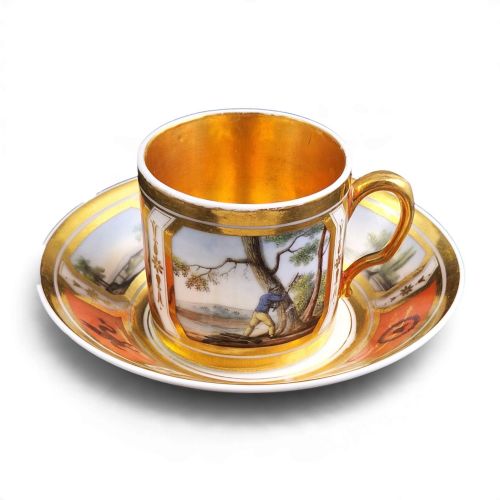
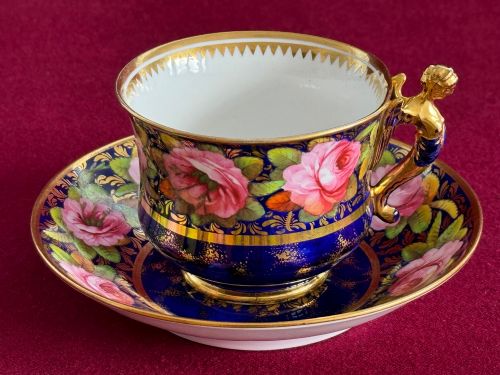
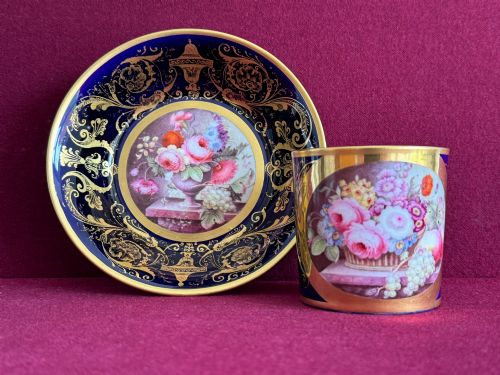
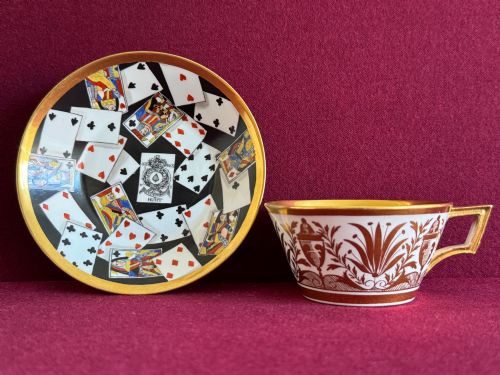
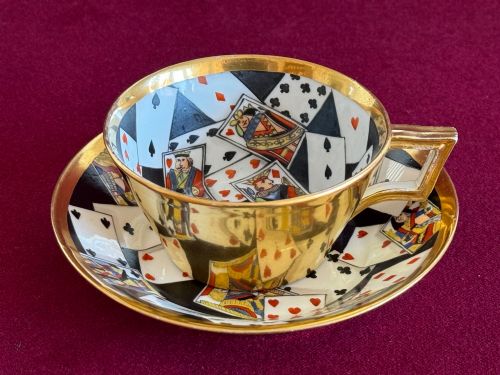
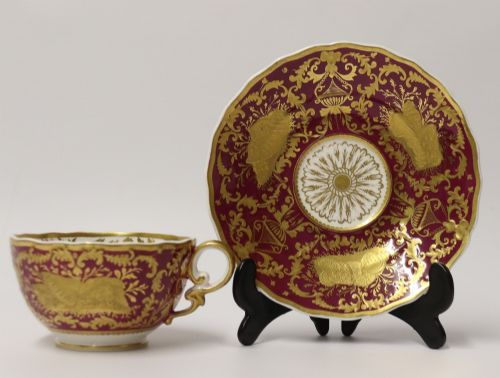
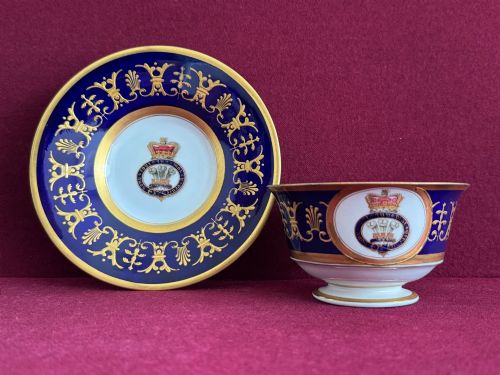
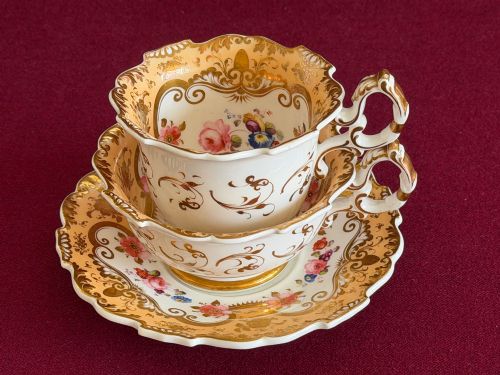
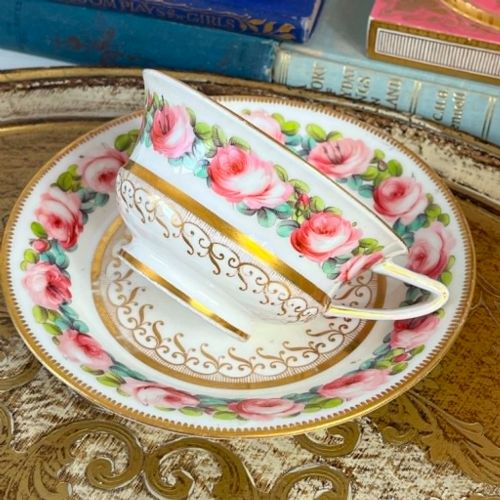
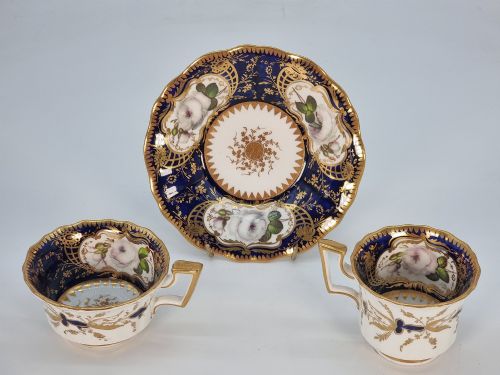
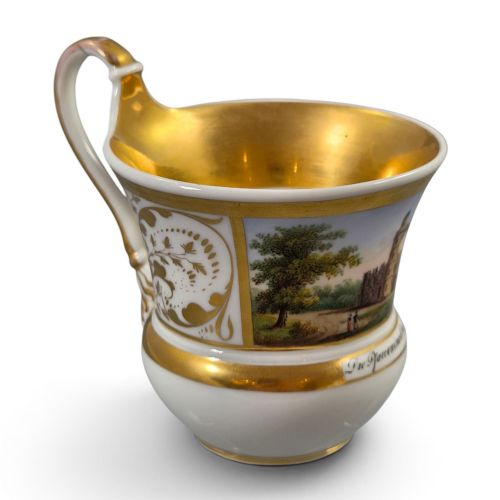
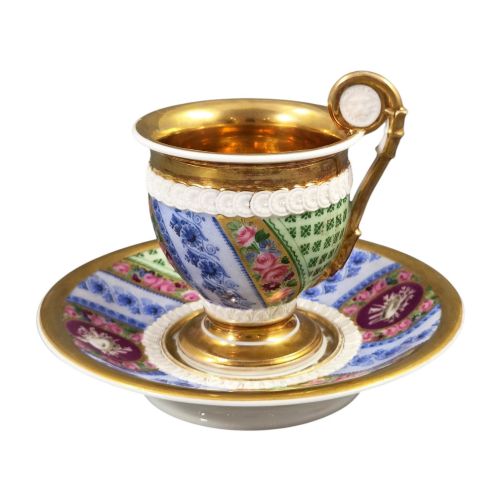
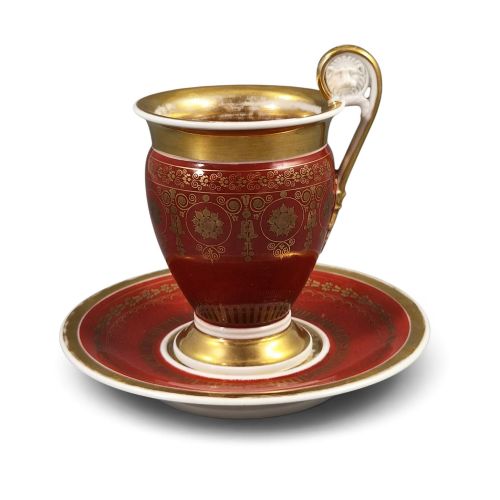
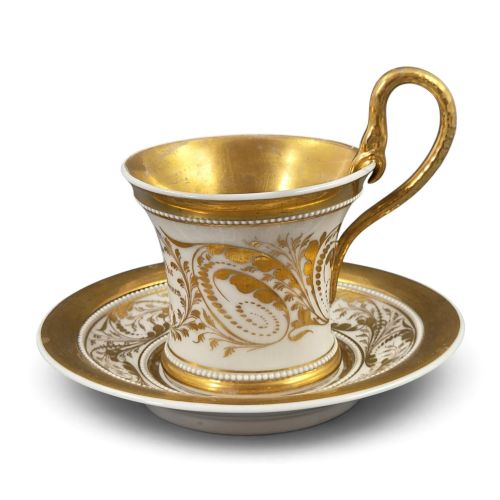
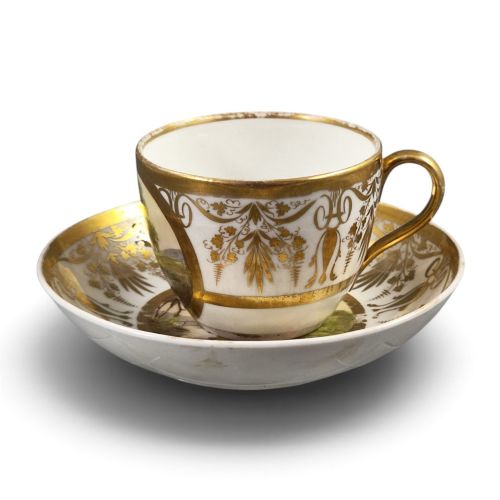
A gold porcelain teacup sits at the intersection of utilitarian drinkware and cabinet display, frequently appearing as a standalone cabinet cup and saucer or part of a larger tea service. When searching for a gold porcelain teacup, buyers encounter forms ranging from early nineteenth-century Regency trios to Edwardian hand-painted sets. The pieces span origins from English factories like Worcester and Coalport to continental porcelain houses such as KPM Berlin and French Old Paris workshops.
Most examples on this page take the form of teacups and saucers, cabinet cups, or demi-tasse cups paired with matching saucers. Tea sets and trios incorporating a matching plate also appear alongside miniature cups and saucers. These ceramic items serve both display and functional roles, reflecting the shifting social habits of tea drinking across Georgian, Victorian, and Edwardian periods.
How they were made
Makers utilised hard-paste porcelain, bone china, and ceramic bodies, shaping them into classical forms such as pedestal cups, bat-wing patterns, and lion mask handles. Artisans applied gold leaf, gilding, and gold gilt alongside hand-painted enamel decoration to accent topographical landscapes, pink cabbage roses, and armorial crests.
Techniques combined high-temperature kiln firing of the porcelain body with subsequent lower-temperature firings to fix hand-applied enamels and gold details. Guilds and factories employed specialised painters for miniature landscapes and floral panels, while gilders applied gold leaf by hand before burnishing the metal to a bright finish.
Gold Porcelain Teacup Retail Price Guide 2026
Typical asking prices for gold porcelain teacup among the pieces listed under this phrase on Sellingantiques today, from the lower quarter to the upper quarter. They describe what is for sale here now, not the wider market.
The inventory spans the Regency, Georgian, Victorian, and Edwardian periods through to the 1920s.
What varies in quality
The standard of painting separates standard utility vessels from high-tier cabinet pieces, particularly when artists rendered detailed topographical landscapes, armorials, or botanical studies by hand. The precision of the gilding and the preservation of the gold leaf or gold gilt also dictate the standing of an individual cup and saucer.
The reputation of the manufactory influences desirability, with works from established houses such as KPM Berlin, Flight Barr and Barr Worcester, and Spode holding distinct status. Additionally, the survival of complete trios, sets, or paired saucers alongside the original cup alters the integrity of the piece.
A H & R Daniel·Davenport·Coalport·KPM Berlin·Derby·Worcester·Kusnetzoff·Royal Worcester·Royal Albert Crown China·Spode·Hutschenreuther·Hirsch Dresden
The Gold Porcelain Teacup Glossary
- Cabinet Cup
- A decorative cup intended primarily for display within a cabinet rather than daily use at the tea table. These pieces often feature elaborate hand-painted scenes and heavy gilding.
- Trio
- A matched set consisting of a teacup, a saucer, and a matching tea plate. Trios became particularly popular in English ceramic production during the Regency period.
- Demitasse
- A small cup used for serving strong black coffee or espresso. They frequently appear paired with a matching saucer in twentieth-century settings.
- Gilding
- The application of gold leaf or gold paste to the surface of porcelain. Artisans burnished this metal layer to create contrasting matte and shiny decorative effects.
- Hard-paste Porcelain
- A dense, vitrified ceramic composition fired at high temperatures. This material forms a durable body that resists scratching and absorbs little moisture.
Gold Porcelain Teacup: Frequently Asked Questions
What is the difference between a tea set and a trio?
A trio consists of three matching components for a single person: a teacup, a saucer, and a side plate. This configuration was a standard presentation format in nineteenth-century English ceramics.
A tea set comprises a larger collection of vessels designed to serve multiple guests, including teapots, sugar bowls, cream jugs, and multiple cups and saucers. While trios focus on individual service, sets provide the complete apparatus for hosting an entire table.
Can I use antique porcelain teacups?
Antique porcelain teacups can be used gently, though hand washing is necessary to protect the delicate hand-painted enamels and gold leaf decorations. High-temperature dishwashers and harsh detergents will quickly degrade the antique gilding.
Many collectors choose to limit these pieces to display or occasional use due to their age and fragility. Hard-paste porcelain and bone china bodies are structurally sound, but the surface decoration remains vulnerable to abrasive wear.
How do I date a porcelain teacup?
Dating a teacup involves examining the factory marks stamped or painted on the base, the style of the handle, and the decorative motifs used. Regency pieces often exhibit classical revival shapes, while Edwardian and later sets display softer floral palettes.
Comparing the paste composition and the style of the gilding against known factory production periods helps narrow the date of manufacture. Reference guides detailing factory ciphers provide precise chronological markers for marked pieces.