
Gold Porcelain Cabinet Plates
Gold porcelain cabinet plates are decorative ceramics designed for display rather than dining, combining fine painting with rich gilding to catch the eye.
Gold Porcelain Cabinet Plates
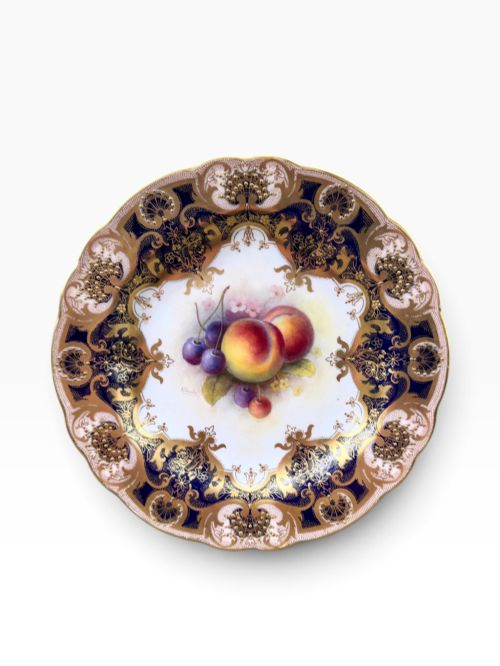
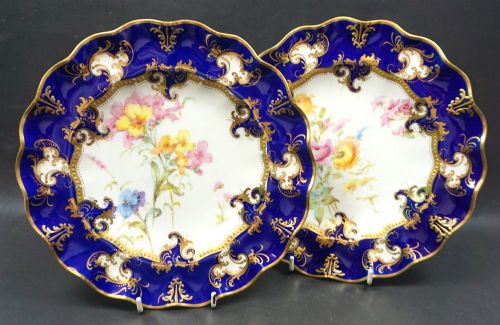
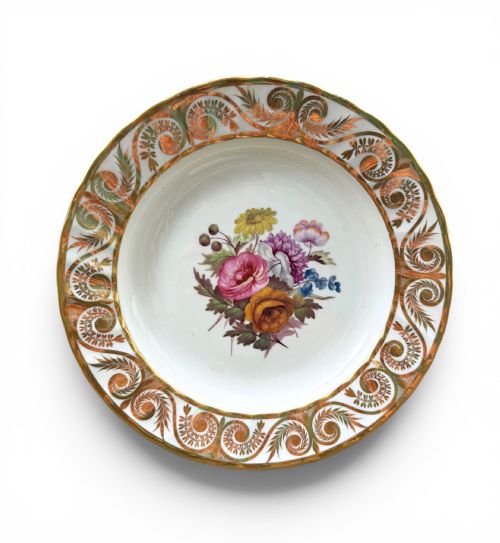
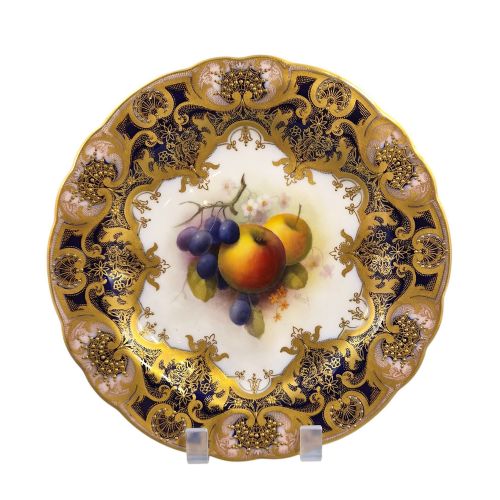
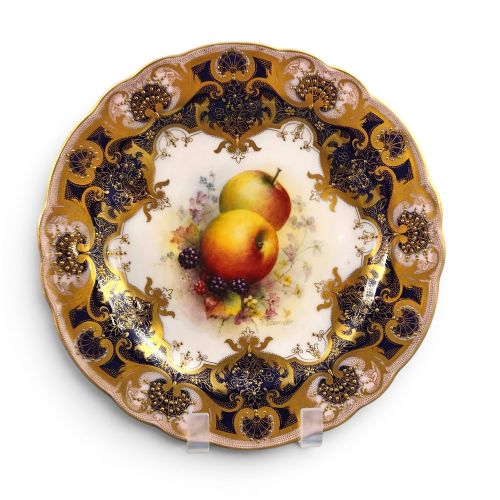
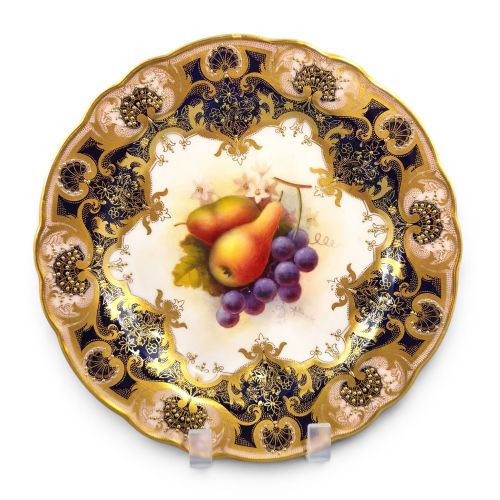
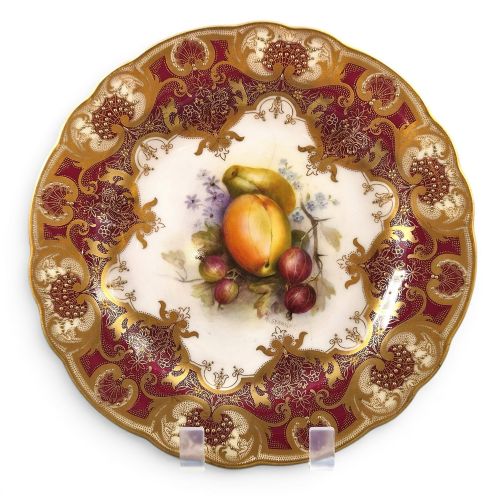
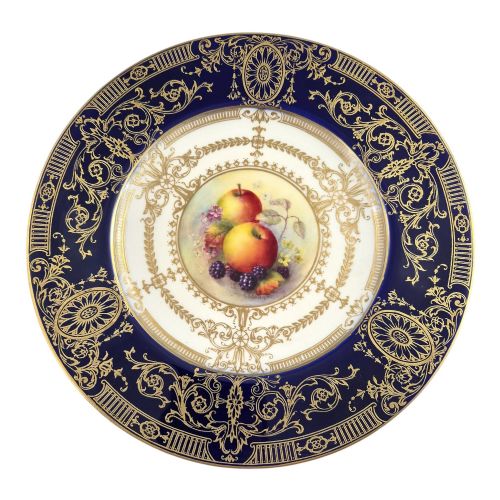
Gold porcelain cabinet plates serve as ornamental focal points rather than functional tableware, typically displayed on mantelpieces or in glazed vitrines. When searching for gold porcelain cabinet plates, buyers encounter forms ranging from deep dessert dishes and basketweave plates to flat cabinet plates created across the nineteenth and twentieth centuries. These pieces originate largely from English factories such as Worcester, Derby, Minton, Coalport, and Royal Doulton, alongside continental porcelain houses.
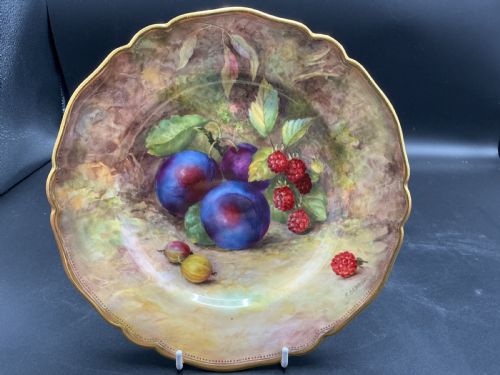
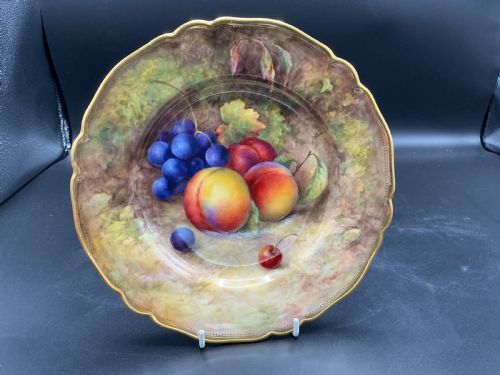
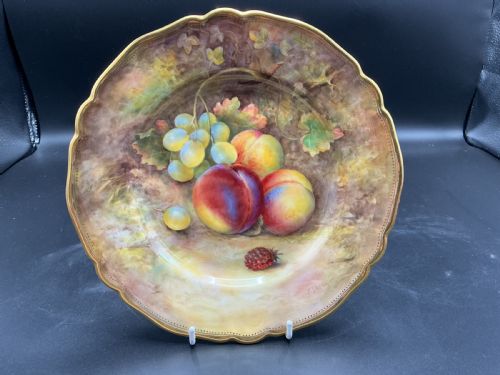
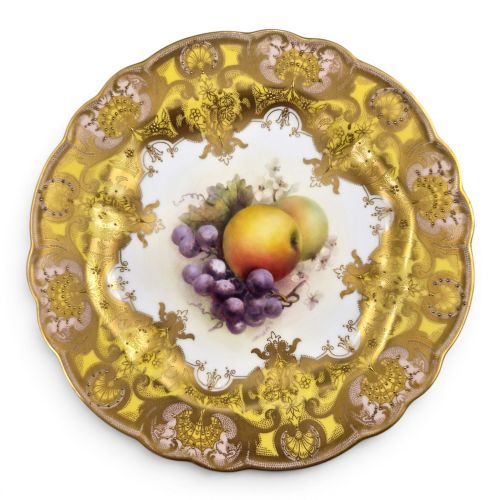
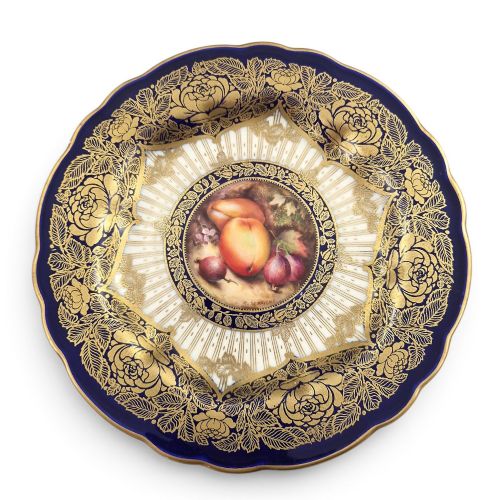
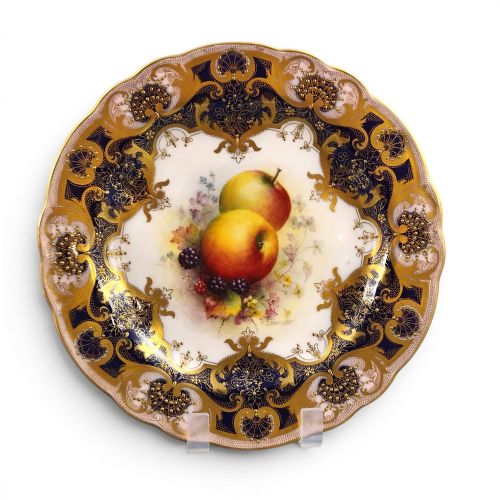
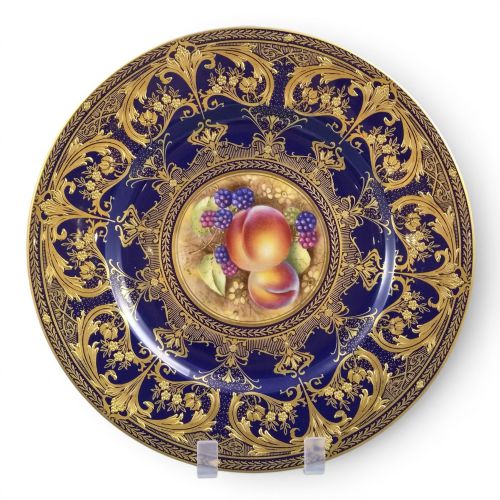
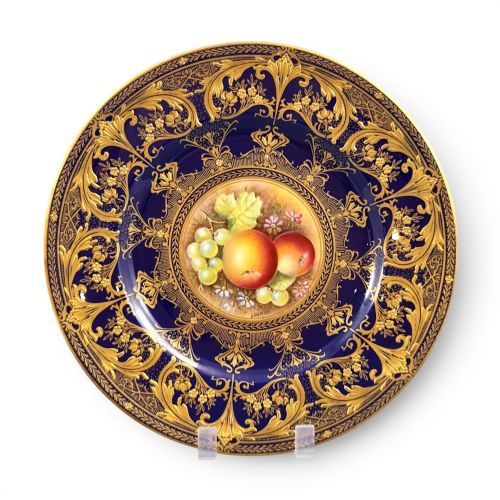
The decorative schemes on these plates rely heavily on hand-painted botanical studies, ornithological subjects, landscapes, and fruit groupings framed by elaborate gilt borders. Many examples feature raised paste gilding or blue scale grounds that accentuate the central artistic composition. Collectors primarily encounter nineteenth-century Regency and Victorian iterations, as well as Edwardian and later twentieth-century studio work.
How They Were Made
Makers utilised hard-paste and soft-paste porcelain bodies, shaped on wheels or pressed into moulds to create forms like basketweave rims and rope edges. Once shaped, the pieces underwent initial biscuit firing before receiving underglaze prints or hand-applied enamel paint. Artisans then added gold leaf, liquid gold, or gilt enamel highlights by hand.
A subsequent kiln firing bonded the metallic gold and enamel colours permanently to the glaze. Skilled gilders often built up layers of gold leaf to create high-relief patterns, which were then burnished with agate stones to achieve a bright metallic finish.
Early painters occasionally hid tiny beetles or ladybirds among painted floral sprays to test if observant buyers were truly paying attention.
What Varies in Quality
The standard of hand painting dictates the upper tier of these pieces, separating factory-produced transfer designs from bespoke artistic commissions by named artists. Plates featuring detailed botanical studies, fruit, or figural scenes executed by accomplished painters command greater attention.
The application and tooling of the gilding also distinguish finer items. Flat, thin washes of gold leaf sit below heavily chased and burnished raised paste gilding, which reflects light with dimensional depth.
Royal Worcester·Royal Crown Derby·Royal Doulton·John Ridgway·Barr Flight and Barr·Coalport·Minton·C.J. Mason
The Gold Porcelain Cabinet Plates Glossary
- Cabinet plate
- A decorative ceramic plate intended solely for display in a cabinet or on a wall rather than for serving food. These items typically feature elaborate hand-painted scenes and heavy gilding.
- Gilding
- The application of gold leaf, gold dust, or liquid gold onto the porcelain surface. This technique adds metallic lustre to rims, borders, and central motifs.
- Raised paste
- A thick white compound applied beneath the gold leaf to create three-dimensional decorative relief work. Artisans burnish the raised areas to produce a brilliant finish.
- Biscuit
- Unglazed porcelain that has undergone its initial kiln firing. It presents a matte texture before enamel and gilding are applied.
- Enamel
- Vitreous coloured glass painted over the glazed porcelain surface. Pieces require an additional low-temperature firing to fuse these pigments permanently.
Gold Porcelain Cabinet Plates: Frequently Asked Questions
Were gold porcelain cabinet plates used for dining?
These decorative plates were made exclusively for display in formal reception rooms and drawing-room cabinets. Their delicate hand-painted surfaces and fragile gold leaf meant they were kept away from everyday meals.
Owners typically mounted them on specialised wire stands or hung them on walls to showcase wealth and artistic taste to visitors.
How do I identify the maker of a plate?
Makers marked their porcelain using factory stamps, impressed ciphers, or painted pattern numbers on the underside of the base. Many nineteenth-century English houses changed their marks during royal patronage shifts.
Artist signatures, such as those found on painted fruit studies, often appear tucked near the edge of the central artwork.
How should I display cabinet plates safely?
Display these ceramics using coated spring-loaded wall hangers or padded metal display stands that distribute weight evenly across the rim. Keep them out of direct sunlight to prevent the enamel colours from fading over time.
Position cabinets away from high-traffic zones to avoid accidental knocks against the fragile porcelain edges.