
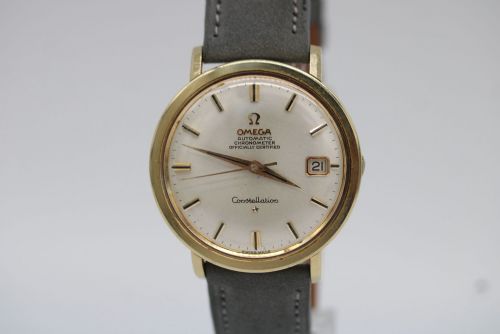
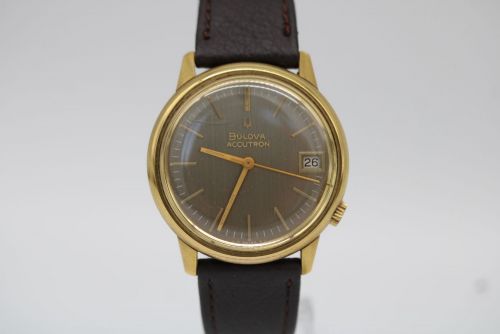
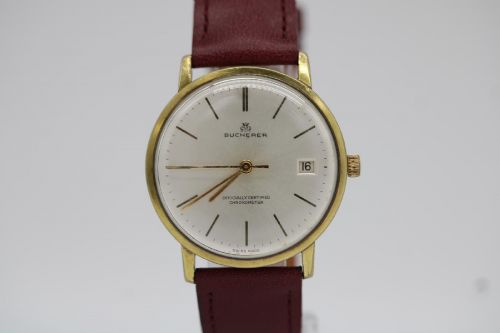
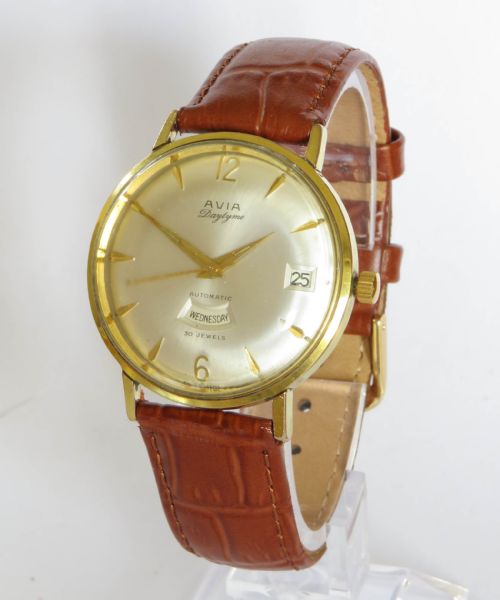
Gold Plated Watch
A gold plated watch delivers the warm lustre of solid metal while pairing period character with everyday practicality.
What gold plated watch styles you will find
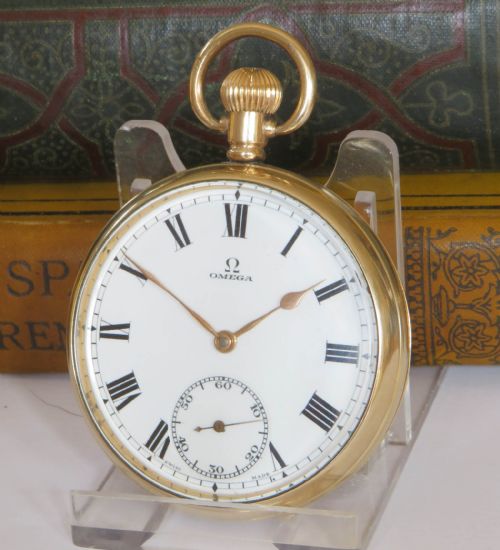
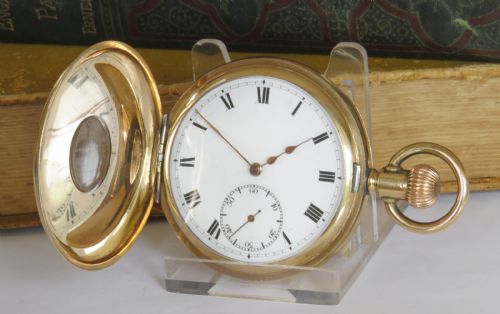
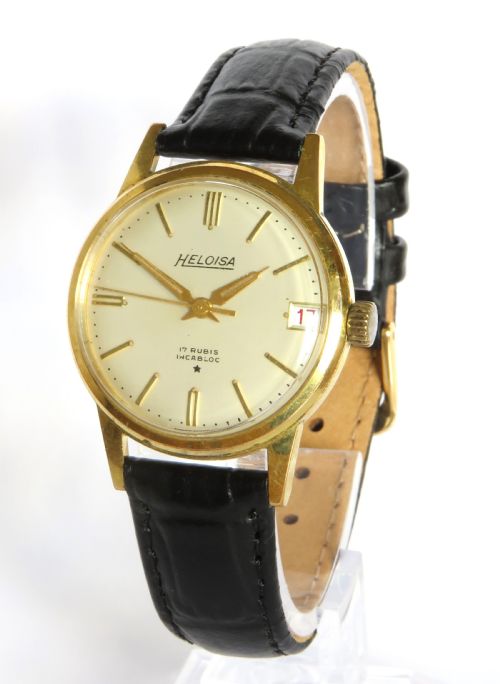
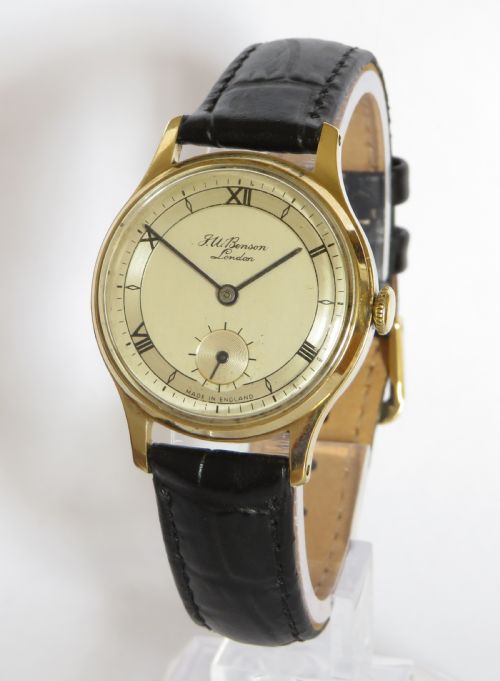
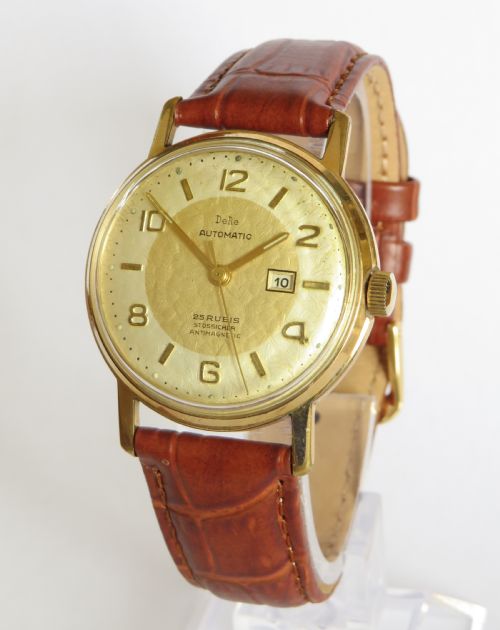
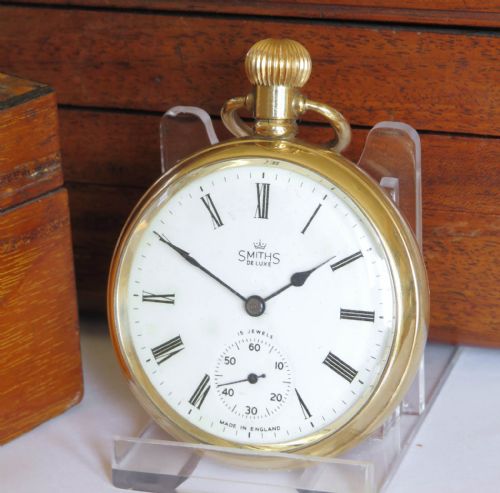
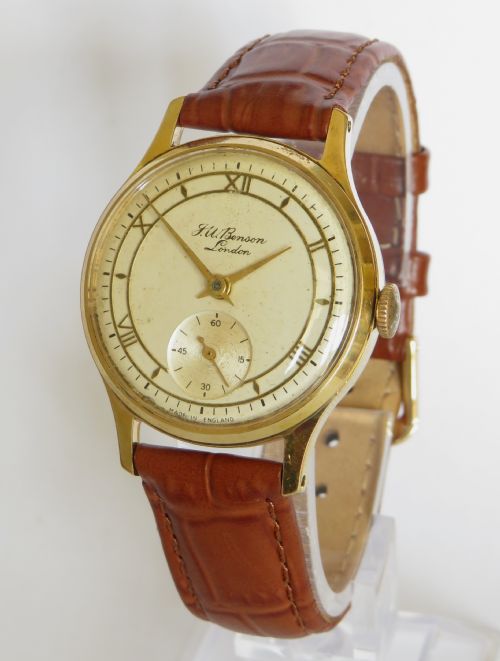
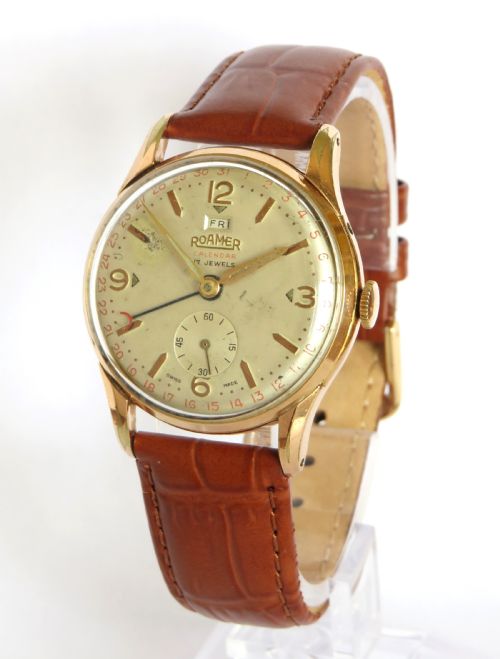
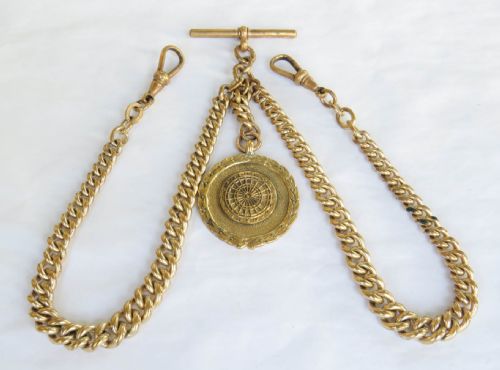
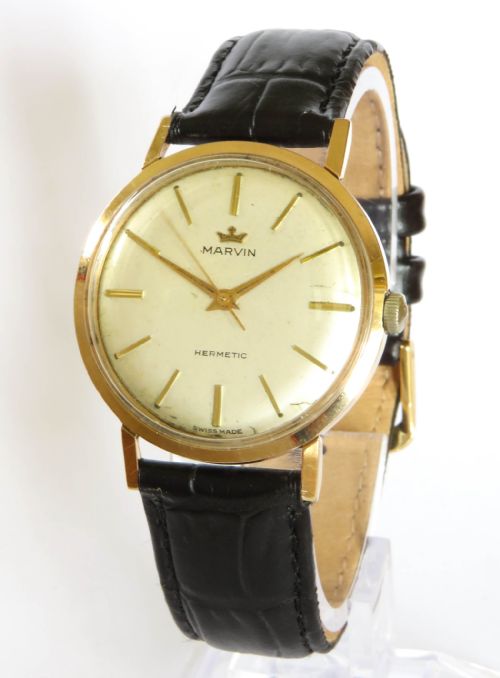
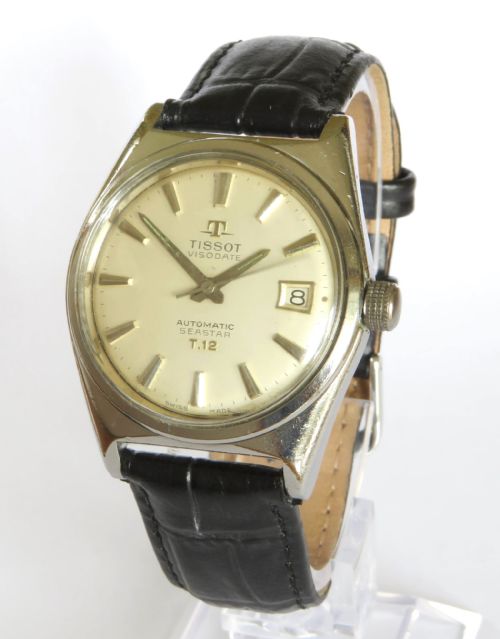
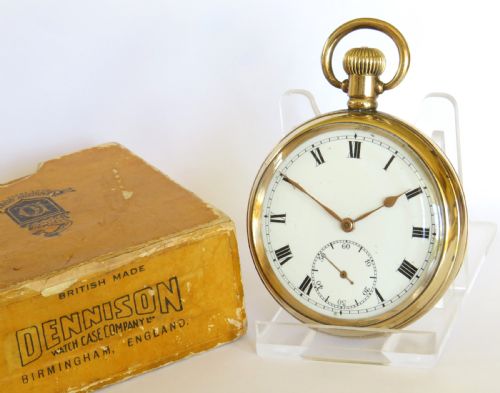
A gold plated watch spans several decades of horological design, taking shape primarily as wristwatches and pocket watches from the nineteen-thirties, nineteen-fifties, and nineteen-sixties. You will frequently encounter wristwatches displaying Mid-Century Modern or Art Deco aesthetics, alongside traditional open-faced and full hunter pocket watches.
Makers ranging from Omega and Bucherer to Waltham and Record produced these pieces using gold plate to achieve a polished, formal appearance. The selection balances wristwatches featuring leather straps and stainless steel backs with pocket watches designed for daily utility.
What sets individual pieces apart
The distinction between standard examples and finer items rests upon the preservation of the gold plating across high-wear edges and lugs. Intact finishes without significant base metal showing through indicate careful handling and storage over the decades.
Quality also relates to the integrity of the dial typography, the clarity of the acrylic or glass crystal, and whether mechanical movements retain their original components and service history.
Retail Price Guide 2026
Typical UK retail prices for gold plated watch, calculated from the Sellingantiques database of over a million retail prices indexed since 2003. This retail price guide relies exclusively on Sellingantiques data; no external sources or auction records are used, so the figures do not describe the wider market.
Listings feature wristwatches and pocket watches spanning the Art Deco and Mid-Century Modern styles.
Omega·Waltham·Smiths·Elgin·Jaeger-LeCoultre·Breitling
The Gold Plated Watch Glossary
- Gold plate
- A thin layer of gold bonded to a base metal substrate, providing the appearance of solid gold. This technique allowed manufacturers to produce accessible dress pieces.
- Full hunter
- A pocket watch featuring a spring-loaded metal cover that protects the dial from scratches and dust. The cover springs open via a crown-mounted pusher.
- Open faced
- A pocket watch designed without a protective front cover, allowing the dial, hands, and crystal to remain visible at all times. This format became popular for swift time reading.
- Calibre
- The specific internal movement designation used by a manufacturer to identify a particular watch mechanism. It denotes the structural layout and engineering of the gears and escapement.
Frequently Asked Questions
How do I wind a manual watch?
Rotate the crown gently between your thumb and forefinger in a forward direction until you feel firm resistance. Stop immediately at that point to avoid over-winding and damaging the internal mainspring.
Wind the watch at roughly the same time each day to maintain consistent tension and stable timekeeping performance.
Can I wear my vintage watch daily?
These timepieces can be worn regularly provided you observe sensible precautions regarding physical impact and moisture. Most vintage designs lack modern water resistance seals and require protection from heavy rain or immersion.
Remove the watch during rigorous activities or manual labour to preserve the gold plate and mechanical movement from shock.
What is an automatic movement?
An automatic movement utilises an internal oscillating weighted rotor that pivots with the natural motion of your wrist. This kinetic action winds the mainspring automatically throughout the day without manual intervention.
Such self-winding calibres bridge the gap between traditional mechanical craft and modern convenience.
How do I read a pocket watch?
Hold the watch in the palm of your hand and press the crown button if the piece is a full hunter to release the front cover. Read the hour and minute hands against the graduated markers on the enamel or metal dial.
Attach a suitable chain to the button loop and secure it through a waistcoat or trouser pocket for safe carriage.