
Gold Plated Dress Watch
A gold plated dress watch offers refined horological elegance, combining the warmth of gold with dependable mechanical movements from decades past.
Gold Plated Dress Watch
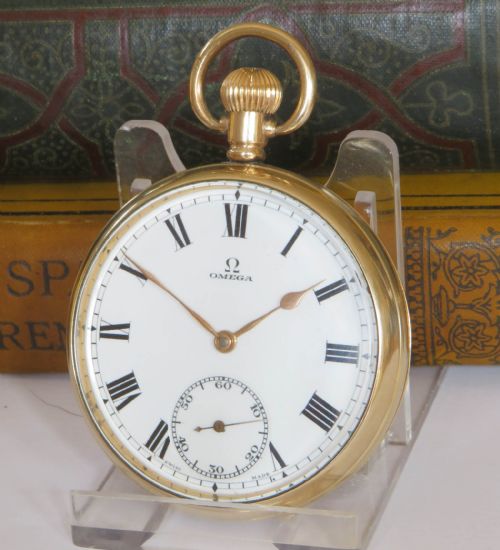
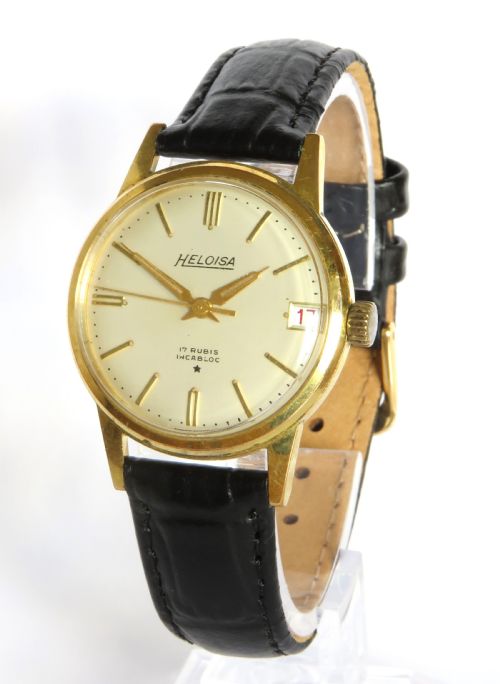
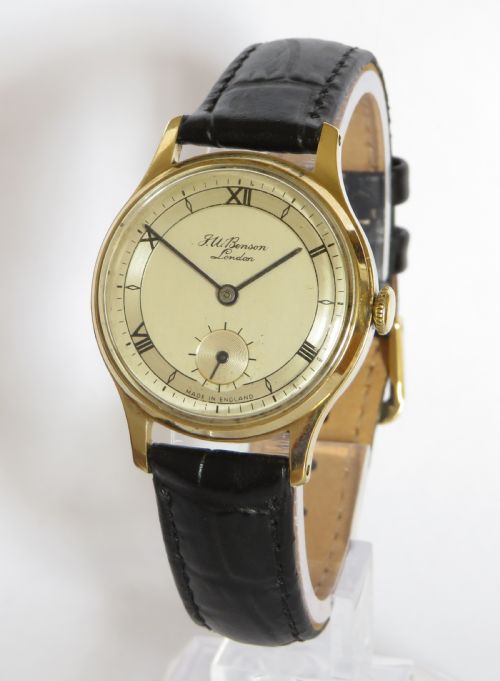
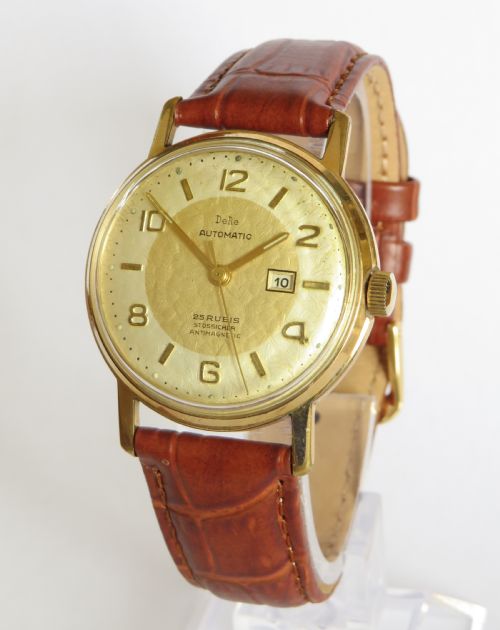
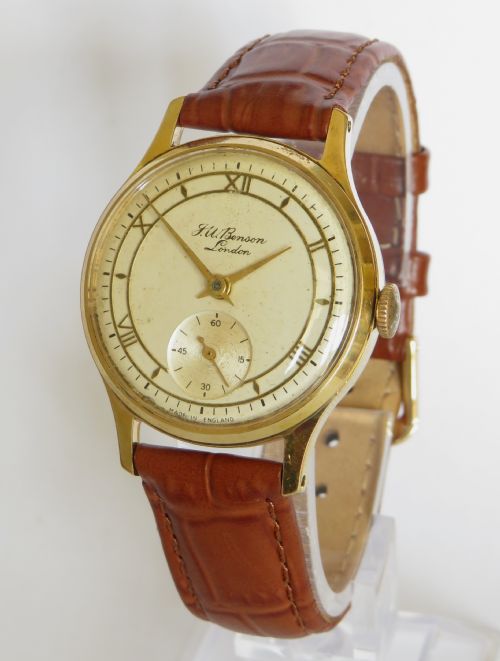
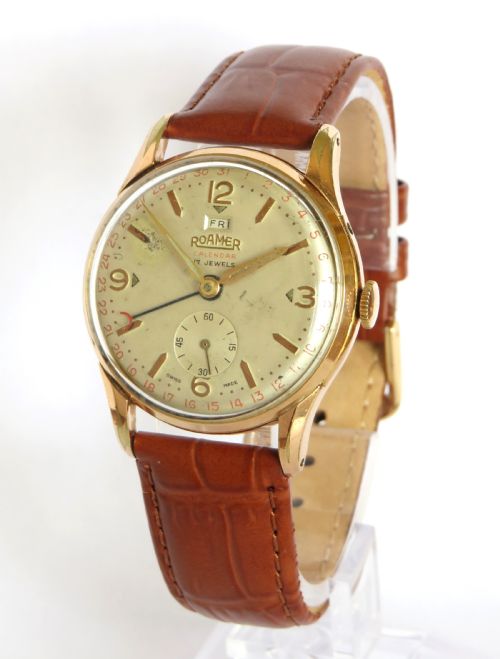
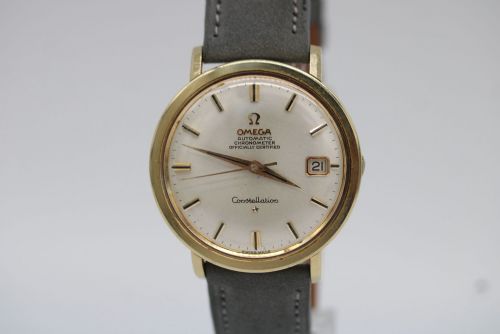
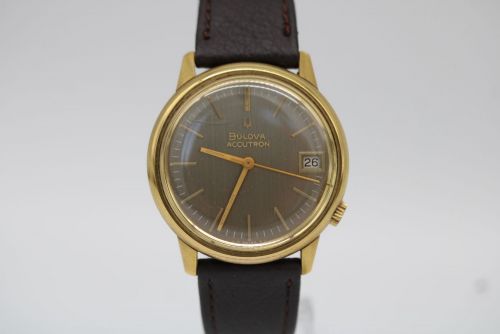
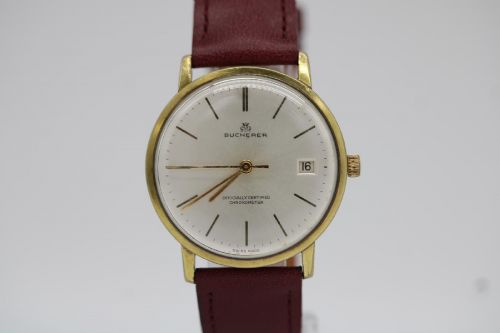
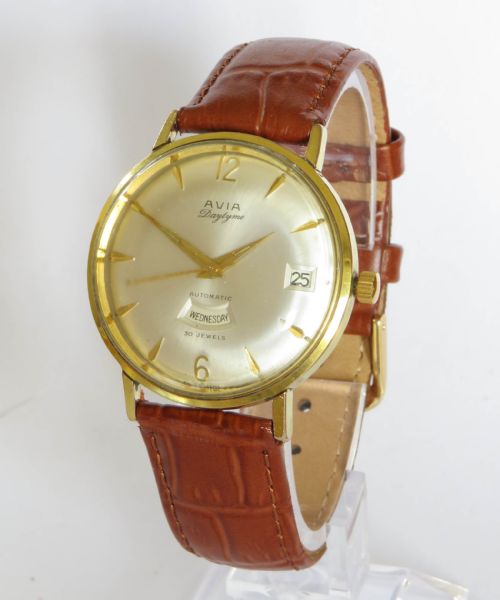
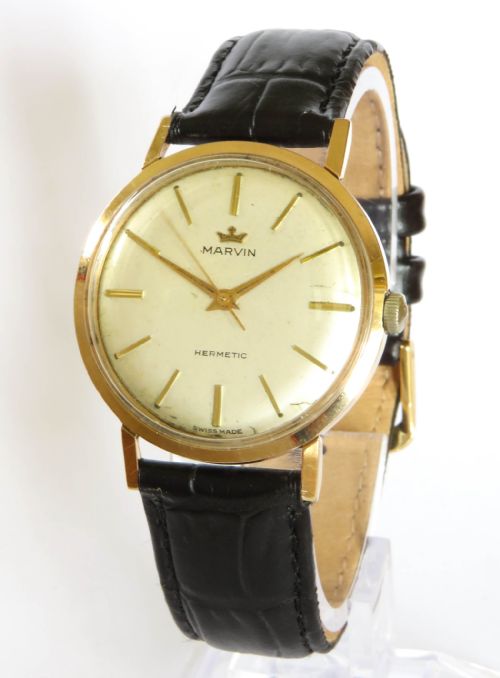
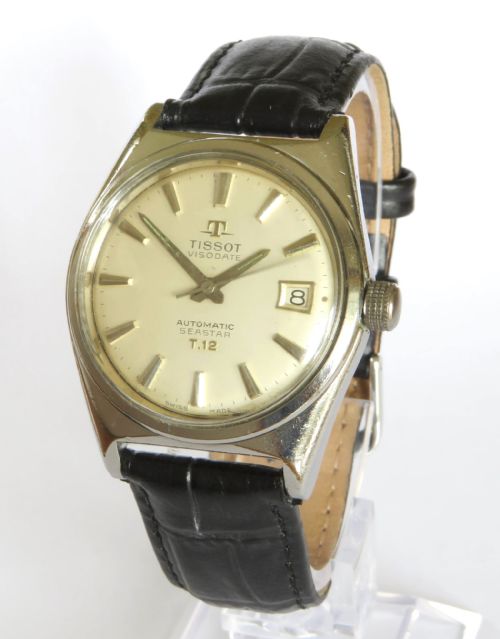
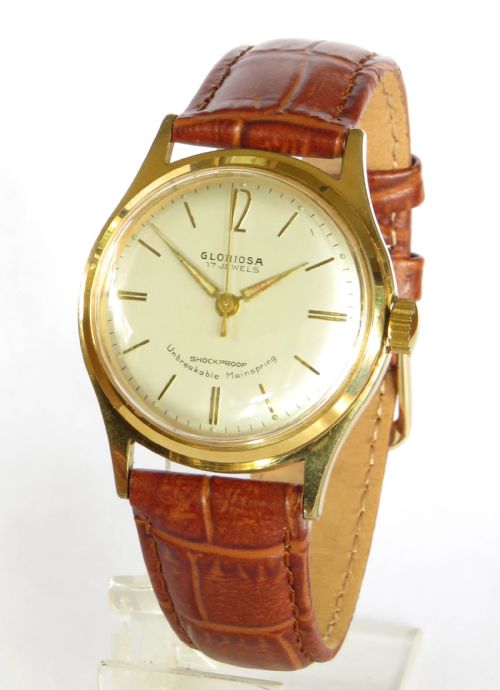
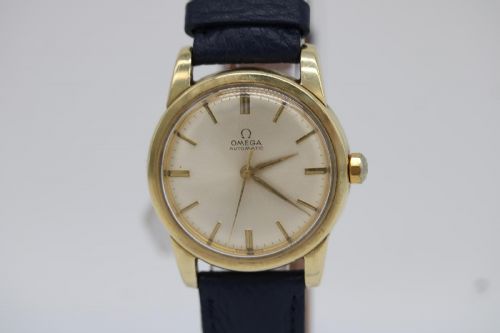
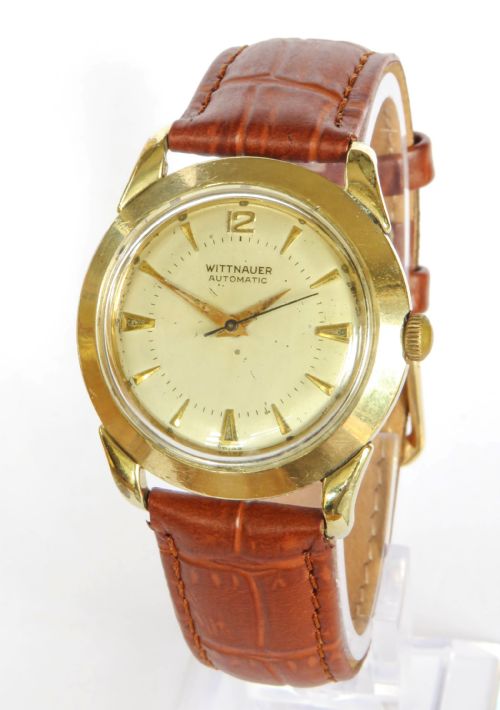
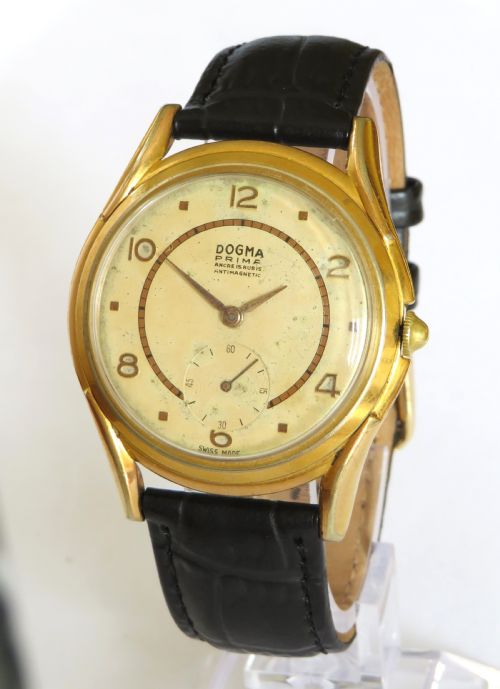
A gold plated dress watch represents a sophisticated class of timepiece designed primarily for formal wear, frequently emerging from the mid-twentieth century. These horological items prioritize slim profiles, clean dials, and understated proportions rather than rugged utility.
The versions most commonly met on this page date from the 1950s and 1960s, spanning mechanical manual-wind and early automatic calibres. They typically manifest as gents wristwatches, though occasional pocket watches and earlier twentieth-century examples appear.
Makers range from established Swiss houses to notable British retailers and manufacturers, reflecting a diverse period of horological production. The primary aesthetic centres on round or subtly shaped cases paired with leather straps.
How they were made
Cases utilise a base metal such as brass or steel bonded with a thin layer of gold, providing the appearance of solid precious metal at a more accessible weight and cost. Dials frequently incorporate applied markers, subtle texturing, and glass or acrylic crystals protecting the face.
Movements rely on intricate mechanical components powered by mainsprings, housed securely within the plated outer shell. Straps are predominantly constructed from leather, completing the traditional dress aesthetic.
Gold Plated Dress Watch Retail Price Guide 2026
Typical asking prices for gold plated dress watch among the pieces listed under this phrase on Sellingantiques today, from the lower quarter to the upper quarter. They describe what is for sale here now, not the wider market.
What varies in quality
The calibre of movement dictates much of the horological standing, with adjusted Swiss movements and in-house mechanisms commanding greater regard among collectors. The precision of case finishing and the integrity of the gold plating layers also define the upper tiers.
Originality plays a significant role, where untouched dials and matching components distinguish finer examples from heavily restored counterparts. Preserved packaging, such as original boxes, adds further distinction to specific pieces.
Heloisa·Smiths·J W Benson·DeRe·Roamer·Omega·Bulova Accutron·Bucherer·Avia·Marvin Hermetic·Tissot·Gloriosa·Wittnauer·Dogma Prima·Certina·Consul·Zenith·Baume Bimatic·Ensign·Tavannes·Lanco·Eterna-Matic·Garrard·Technos Goldshield·Longines
The Gold Plated Dress Watch Glossary
- Calibre
- The specific internal mechanical movement manufactured by a watchmaker. This identifier denotes the specific design and series of the internal mechanism.
- Manual wind
- A movement wound by hand via the crown rather than through automatic wrist motion. Users must turn the crown regularly to maintain operation.
- Automatic
- A self-winding mechanical movement utilising an internal rotor powered by the wearer's wrist motions. This innovation eliminated the need for daily manual winding.
- Acrylic
- A lightweight synthetic material utilised for watch crystals prior to the widespread adoption of synthetic sapphire. It offers clarity and can be polished if scratched.
- Gold plate
- A thin layer of gold bonded to a base metal substrate. This technique provided the aesthetic of solid gold while reducing material costs.
Gold Plated Dress Watch: Frequently Asked Questions
Are these watches suitable for daily wear?
These timepieces function well for everyday use provided they receive appropriate care and regular servicing. Their slim profiles fit easily beneath shirt cuffs.
However, owners should avoid exposure to water and heavy impacts, as vintage plating and mechanical movements require gentle handling.
How do manual wind and automatic movements differ?
Manual wind watches require the wearer to turn the crown daily to tension the mainspring and store power. Automatic movements contain an internal weighted rotor that winds the mainspring through natural wrist motion.
Both systems represent traditional mid-century watchmaking craftsmanship.
What materials protect the watch face?
Most period examples utilise glass or acrylic crystals to cover the dial. Acrylic offers flexibility and resistance to shattering, while glass provides superior scratch resistance.
Both materials contribute to the authentic period appearance of the watch.
How can I identify the decade of a watch?
Stylistic cues such as dial typography, hand shapes, and case geometry often indicate the era of manufacture. Mid-century examples frequently feature minimalist markers and clean lines.
Movement serial numbers can also provide a precise year of production when checked against manufacturer records.