


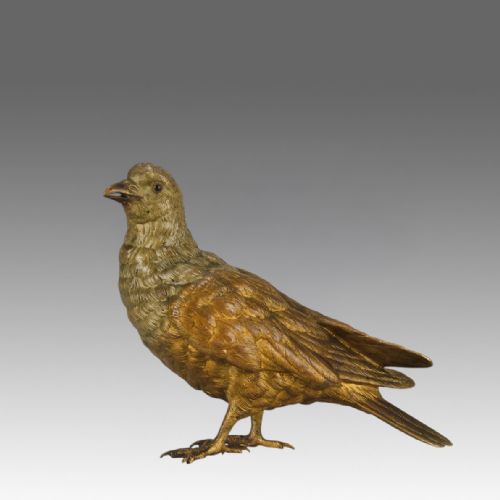


Gold Painted Sculpture
These gold painted sculpture pieces combine metallic lustre with figurative forms spanning the nineteenth and twentieth centuries.
Gold Painted Sculpture
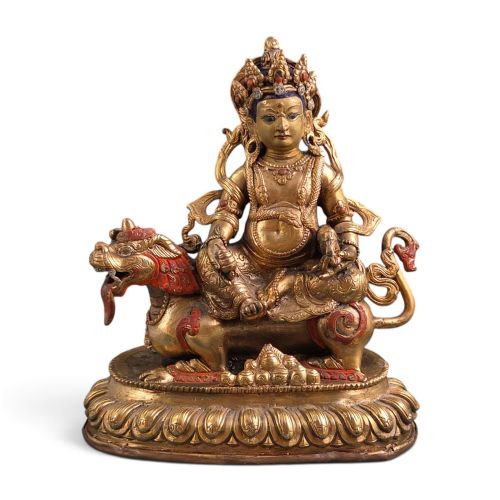
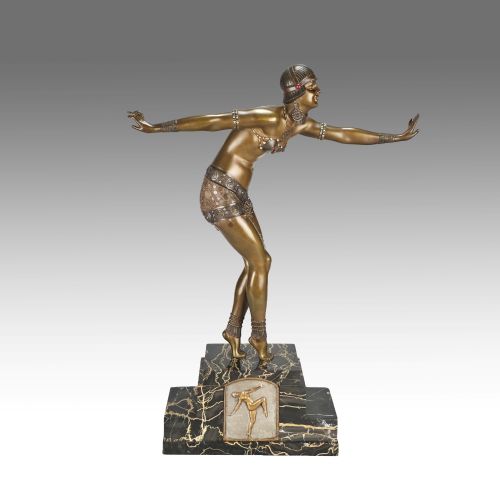
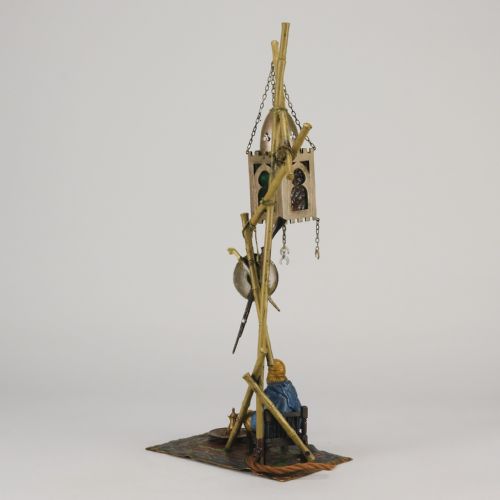
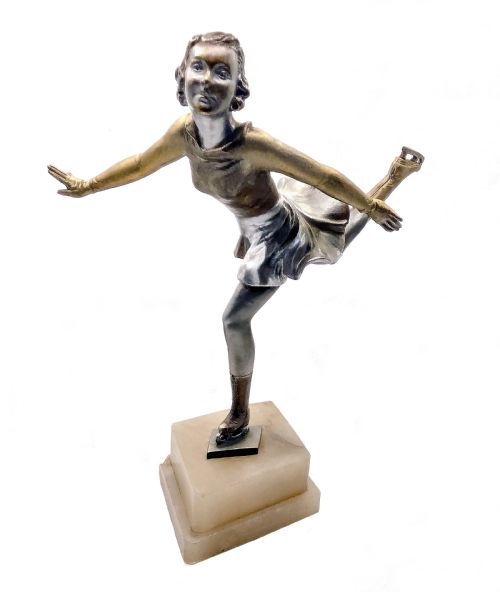
A gold painted sculpture encompasses a diverse group of figures, busts and table lamps created across the nineteenth and twentieth centuries. When searching for gold painted sculpture, collectors encounter everything from Orientalist studies and Viennese animalier bronzes to European dancer figures.
The pieces represented here include works from the Edwardian era, the Meiji period, and the 1930s Art Deco movement. Forms range from mythological deities and animal studies to human figures posed in motion.
Spelter and bronze dominate the sculptural bodies, frequently paired with bases of onyx or marble. Ceramic and porcelain examples also appear alongside metalwork.
Materials and methods
Maker studios utilised bronze, spelter, ceramic and porcelain to cast or model the foundational forms. Cold-painting techniques and gold leaf applications then added surface colour and metallic radiance to the bodies.
Many works combine metals with other substances, such as ivory in chryselephantine pieces or parcel-gilt and polychrome painted finishes on wooden or ceramic structures. Bases are frequently fashioned from solid onyx or marble to anchor the weight of the metal figures.
Gold Painted Sculpture Retail Price Guide 2026
Typical asking prices for gold painted sculpture among the pieces listed under this phrase on Sellingantiques today, from the lower quarter to the upper quarter. They describe what is for sale here now, not the wider market.
Listings feature 19th Century, Edwardian, and 1930s periods alongside materials such as bronze, spelter, marble, onyx, porcelain, and gold leaf.
Judging the work
Quality rests upon the crispness of the casting and the preservation of the cold-painted or gilt surface. Superior examples exhibit finely detailed chasing in the metal and careful application of polychrome paints.
The integrity of the structural materials, from the seating of a figure on an onyx base to the stability of ceramic components, defines the standard of the piece. Attribution to known sculptors or potteries also elevates the standing of an item.
Franz Bergman·Josef Lorenzl·Demetre Chiparus·Jennings Brothers·Ferdinand Preiss·Erté·Ernst Whaliss·Goldscheider
The Gold Painted Sculpture Glossary
- Cold-painted bronze
- Bronze that has been painted with polychrome oil paints and heated to bond the pigment to the metal surface. This technique allows for intricate multi-coloured detailing.
- Spelter
- A zinc alloy frequently utilised as an economical alternative to bronze for sculptural figures, particularly during the Art Deco period. It provides a smooth surface for metallic paints.
- Chryselephantine
- A term describing a statue made of gold and ivory, or combining bronze with carved ivory sections. These works often depict dancers and figures from the early twentieth century.
- Parcel-gilt
- A method where only specific portions of an object are gilded with gold leaf or paint, leaving the remaining areas in their original material or painted finish.
- Animalier
- A nineteenth-century artistic style and genre focusing on the realistic portrayal of animals. Works in this group frequently capture creatures in dynamic motion.
Gold Painted Sculpture: Frequently Asked Questions
What periods do these sculptures date from?
The pieces span the late nineteenth century through to the 1930s, encompassing the Meiji period, Art Nouveau, and Art Deco movements.
Dates are determined by stylistic markers, materials, and documented maker production periods.
How do I care for cold-painted surfaces?
Keep metal and painted sculptures away from direct sunlight and high humidity to protect the pigments. Dust gently with a dry, soft cloth without using liquid cleaners.
Harvested waxes or chemical solvents can damage delicate cold-painted or gilt finishes.
What is the difference between bronze and spelter?
Bronze is a durable copper and tin alloy capable of holding sharp casting details, whereas spelter is a softer zinc alloy commonly used for affordable decorative figures.
Spelter figures are lighter and often display painted or bronze-toned coatings to simulate solid metal.
How are figures mounted on bases?
Many sculptural figures are secured directly to natural stone plinths made from onyx or marble. These heavy bases provide stability and contrast with the metallic figures above.
Mounting styles vary by period, with Art Deco pieces frequently employing geometric stone slabs.