



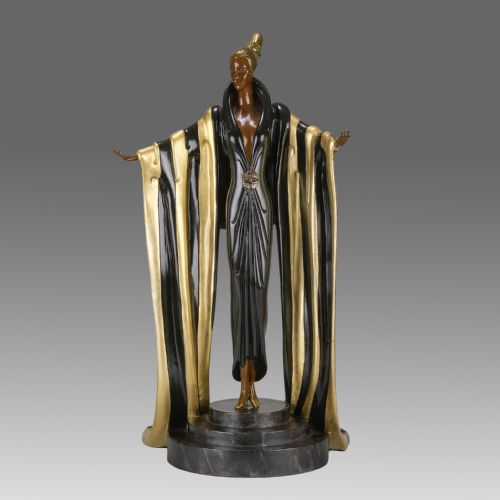


Gold Painted Bronze Figure
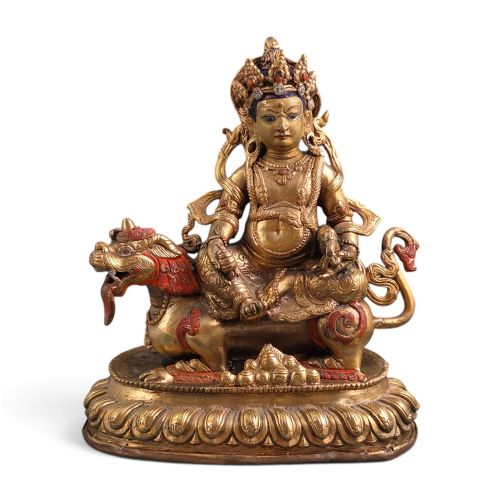
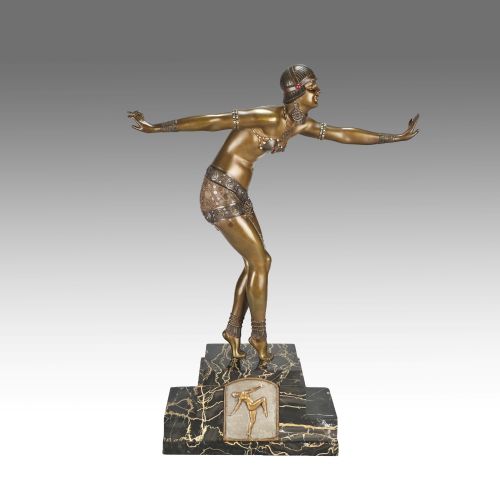
A gold painted bronze figure brings metallic lustre and sculptural presence to a room, ranging from theatrical dancers to seated deities.
Gold Painted Bronze Figure
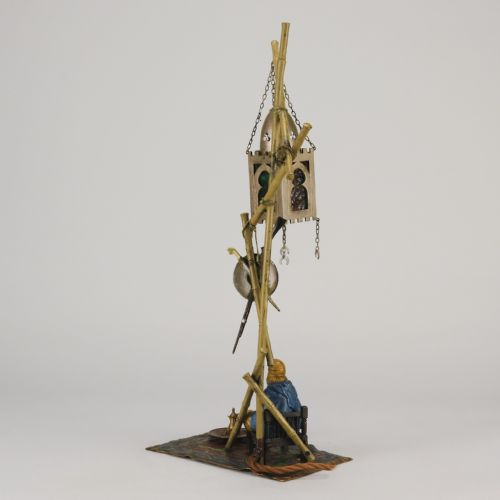
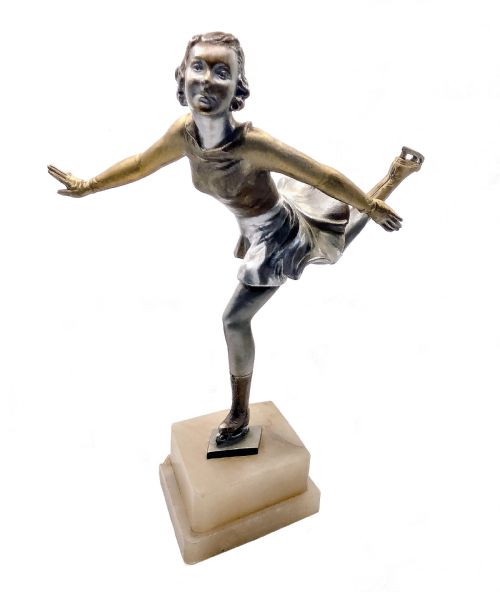
When you search for a gold painted bronze figure, you encounter works spanning the late nineteenth century and the Art Deco era. The selection draws together pieces described variously as gilt bronze, cold-painted bronze, and related materials such as spelter mounted on marble or onyx bases.
The most common examples you meet on this page date from the nineteen-thirties and display the characteristic geometric or figurative energy of Art Deco sculpture. Alongside these European dancer and animal studies, you find Orientalist subjects and early twentieth-century Sino-Tibetan ritual figures.
Makers and designers whose work appears here include renowned sculptors and foundries like Franz Bergman, Josef Lorenzl, and Ferdinand Preiss. Their output ranges from large table lamps to delicate cabinet figurines, often combining metalwork with carved ivory or stone plinths.
Materials and methods
Foundries created these sculptures using the lost-wax casting method or metal slush casting for spelter figures. The metal was then finished with applied gilding, gold paint, or cold-painted polychrome details.
Bases frequently utilise contrasting natural stones such as green onyx or variegated marble to provide stability and visual weight. Certain works incorporate carved ivory components alongside the metal elements to render flesh and faces.
Listings feature works created between eighteen-ninety and nineteen-thirty, spanning the Art Nouveau, Art Deco, and Orientalist movements.
Assessing quality
Quality reveals itself in the crispness of the casting detail and the preservation of the original painted or gilt surface. Superior examples retain their hand-applied polychrome or gold finish without extensive flaking or clumsy over-painting.
The choice of base materials and the signature of a recognised artist or foundry elevate a piece. Heavier bronze casts demonstrate greater refinement in facial expression and drapery than lighter spelter alternatives.
Franz Bergman·Demetre Chiparus·Josef Lorenzl·Jennings Brothers·Ferdinand Preiss·Goldscheider
The Gold Painted Bronze Figure Glossary
- Cold-painted bronze
- A technique where the bronze is painted with multiple layers of oil-based or enamel colours rather than fired in a kiln. This finish is delicate and prone to rubbing over time.
- Gilt bronze
- Metal that has been coated with a thin layer of gold leaf or gold powder suspended in a medium. It provides a bright, durable metallic sheen.
- Spelter
- A zinc alloy frequently utilised as a less expensive substitute for solid bronze during the early twentieth century. It is softer and often finished with metallic paint to imitate bronze or gold.
- Chryselephantine
- A term describing a statue made of gold and ivory combined. In twentieth-century sculpture, this usually denotes metal figures with carved ivory faces and hands.
- Orientalism
- An artistic style from the nineteenth and early twentieth centuries depicting scenes and figures from the Middle East and North Africa. These works often feature intense colour and intricate costume detail.
Gold Painted Bronze Figure: Frequently Asked Questions
How do I clean a painted bronze figure?
Dust the surface gently with a soft, dry brush to prevent accumulation. Avoid all liquid cleaners, polishes, and abrasive cloths, as these will damage the delicate gold paint or cold-painted surface.
Keep the sculpture away from direct sunlight and damp environments to protect the metal and any attached stone or ivory components from deterioration.
What is the difference between bronze and spelter?
Bronze is a durable copper alloy that accepts fine casting detail and patination well. Spelter is a softer, zinc-based substitute that was commonly used for mass-produced figures in the early twentieth century.
You can often distinguish them by weight, sound, and the condition of the metal beneath any paint chips, as spelter is lighter and more brittle.
How do I identify an Art Deco dancer sculpture?
Art Deco dancer figures typically feature stylised, elongated forms captured in motion, reflecting the fashions and dance styles of the nineteen-twenties and thirties. They often stand on heavy circular or stepped onyx and marble bases.
Signatures or attribution marks near the base frequently point toward prominent sculptors of the period such as Josef Lorenzl or Demetre Chiparus.
Why do some figures have stone bases?
Stone bases made of onyx or marble provided necessary weight to anchor slender figures and table lamps securely. They also added a decorative element that complemented the metallic finishes of the sculpture.
In many designs, the stone plinth forms an integral part of the overall aesthetic, particularly in European decorative bronzes from the early twentieth century.