

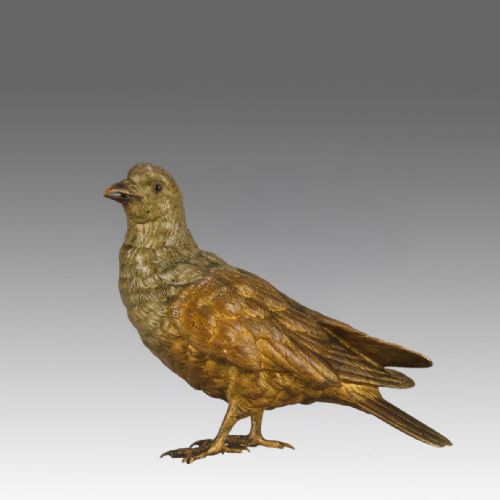
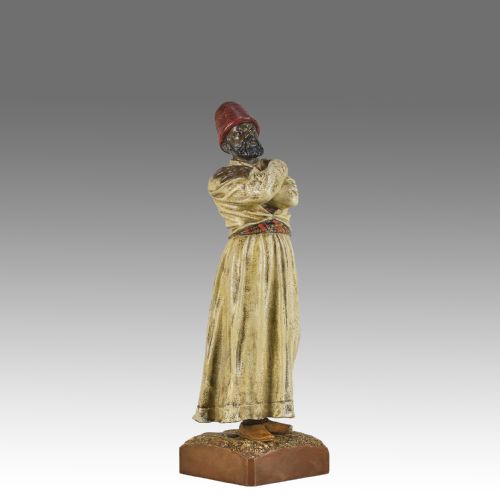
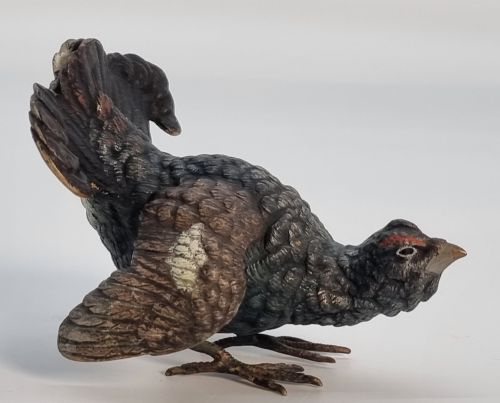
Vienna Bronze Statue
A vienna bronze statue brings rich colour and tiny detail to a desk or mantelpiece through cast metal and careful pigment.
Vienna Bronze Statue
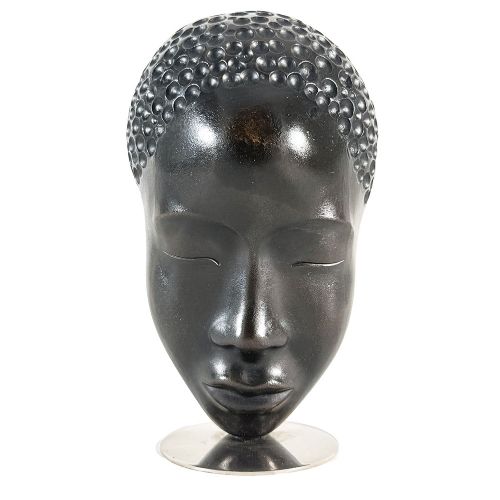
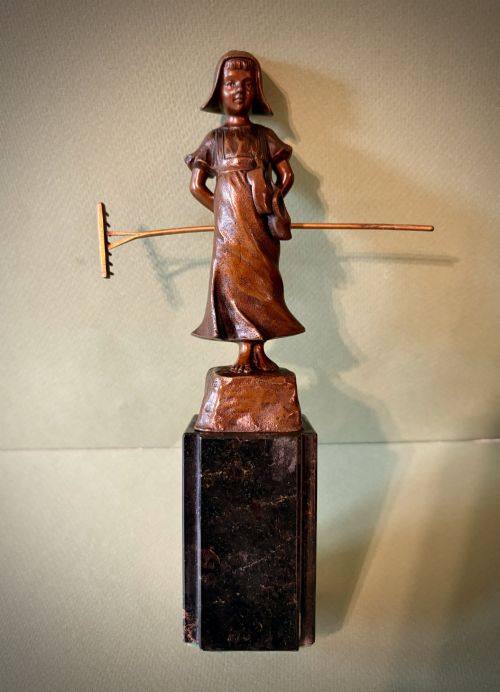
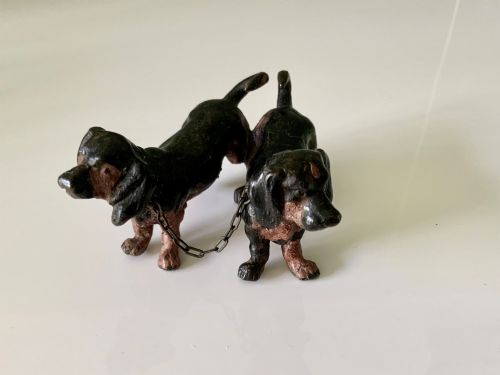
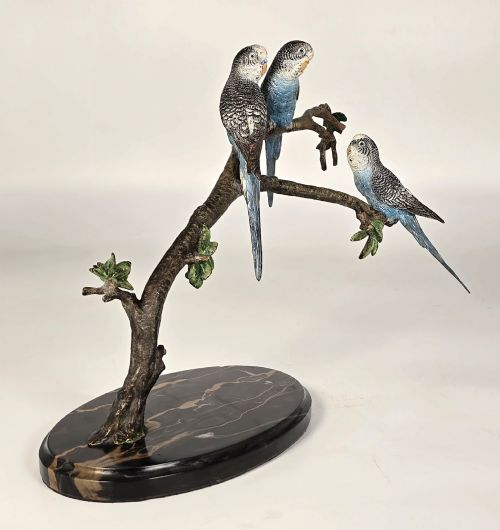
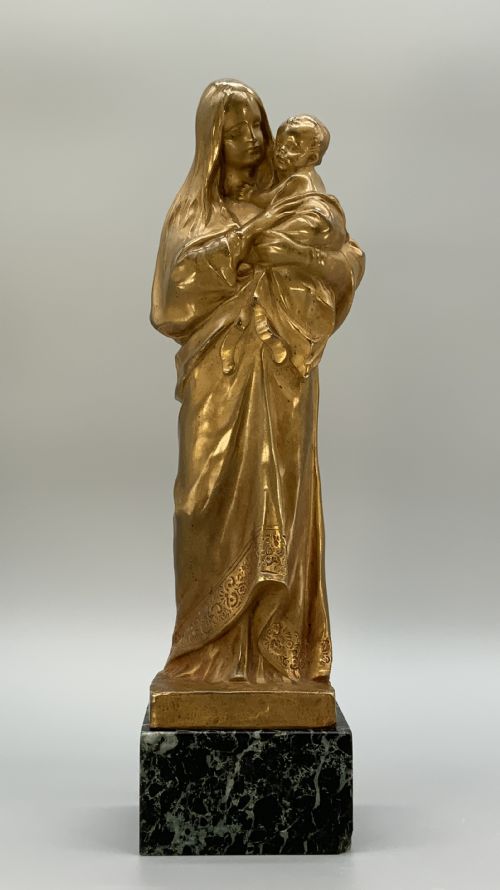
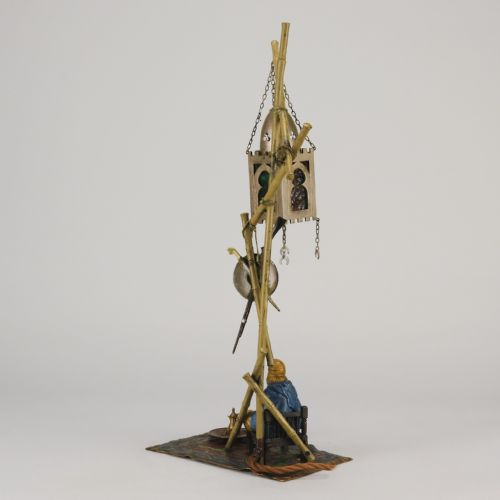
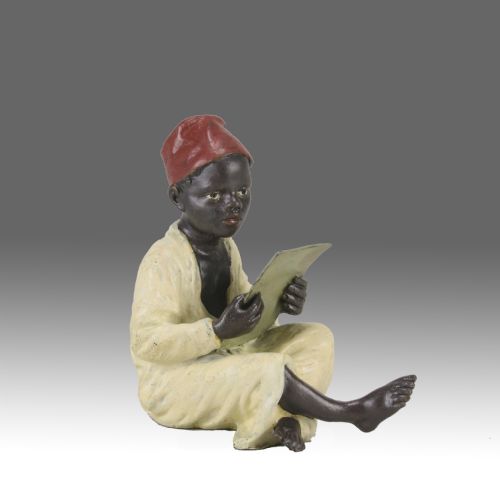
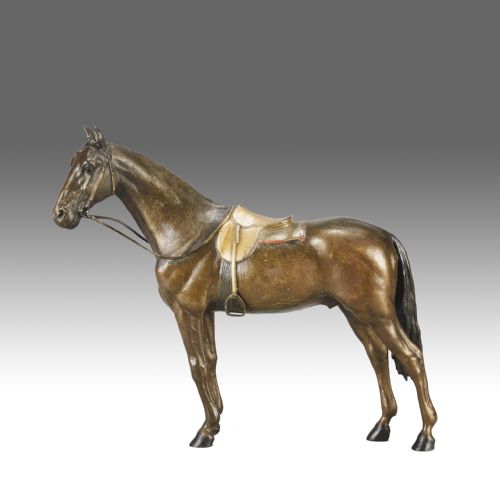
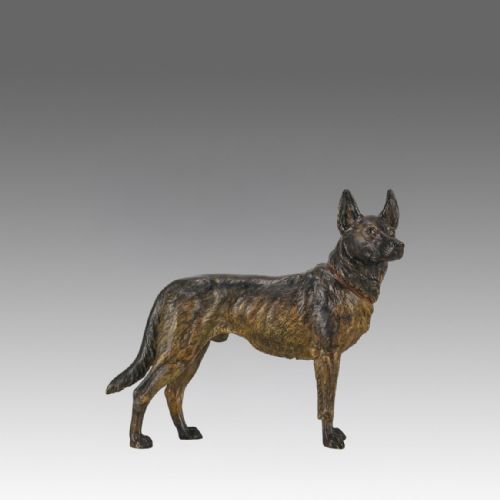
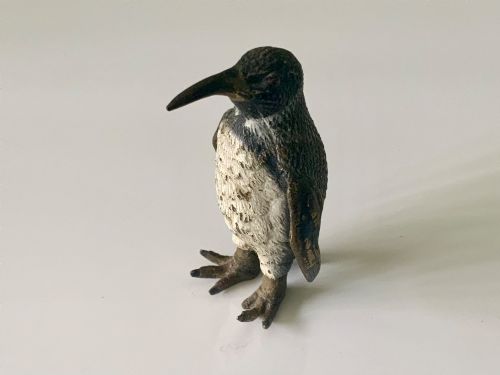
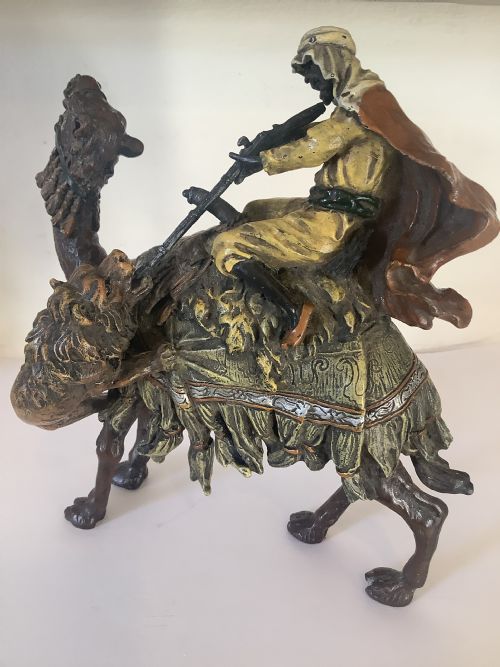
A vienna bronze statue is a small metal sculpture produced in Austrian workshops, most commonly during the late nineteenth and early twentieth centuries. These figures range from domestic animals and birds to human subjects influenced by Orientalist themes, Art Nouveau, and Art Deco styles.
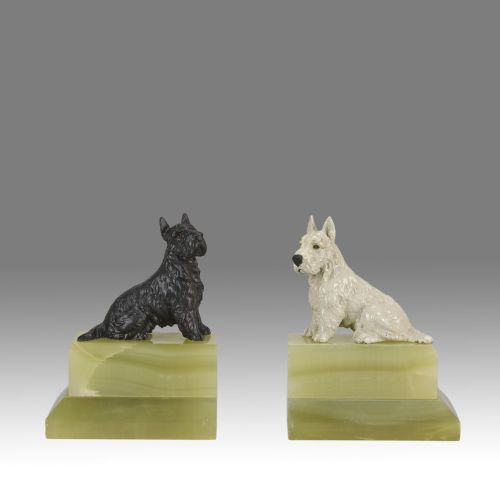
The version most frequently met on this page is the cold-painted bronze figurine, often mounted on a natural stone base or fashioned into practical objects such as bookends and desk tidies.
Materials and technique
Foundries created these works by pouring molten bronze into moulds, capturing intricate textures in fur, feathers, and clothing before finishing the surface. Artisans then applied cold paint, a technique where oil or enamel paint adheres to the unheated metal rather than being fired in a kiln.
Many works incorporate natural materials such as marble, onyx, or quartz to anchor heavier sculptures like hawks and bookends, while other pieces utilise gilt or silvered bronze surfaces.
Listings span the Victorian era through the 1950s, featuring bronze, paint, terracotta, and marble across Art Nouveau and Art Deco designs.
Distinguishing quality
Signatures, foundry marks such as Geschützt stamps, and attribution to prominent Bergman or Viennese workshops elevate the standing of a piece within the field.
Franz Bergman·Josef Lorenzl·Carl Kauba·Hans Müller·Friedrich Goldscheider·Karl Hagenaur·Rudolf Küchler
The Vienna Bronze Statue Glossary
- Cold-Painted
- A decorative technique involving oil or enamel paints applied directly to cold metal without kiln firing. This finish is prone to chipping if handled roughly.
- Geschützt
- A German term meaning protected or registered, often stamped onto Austrian bronzes to denote intellectual property rights. It appears frequently on pieces from the early twentieth century.
- Orientalism
- An artistic movement focusing on Middle Eastern and North African subjects. It inspired many elaborate bronze figures of Arab figures, snake charmers, and dervishes.
- Spelter
- A zinc alloy used as a cheaper alternative to bronze in decorative metalwork. It takes cold paint similarly but feels lighter and lacks the density of true bronze.
Vienna Bronze Statue: Frequently Asked Questions
What is cold-painted bronze?
Cold-painted bronze refers to metal sculptures finished with layers of oil or enamel paint applied after the casting process without firing.
This technique allows for vivid coloration on small animal and human figures, though the pigment remains delicate over time.
How do I clean a vienna bronze statue?
These pieces require gentle dusting with a soft, dry brush to protect the fragile surface paints from moisture and abrasion.
Water and chemical cleaning agents will strip the original cold-painted finish entirely.
Are all these bronzes from Vienna?
While the style originates from Austrian foundries in Vienna, production also involved broader Continental workshops using similar casting methods.
Makers often marked their output with stamps or registered design numbers to indicate origin.
Why do some figures have stone bases?
Natural stone bases such as marble, onyx, or quartz provided stability for heavy or top-heavy compositions like birds of prey and bookends.
These mounts also added height and contrast to the dark metal surfaces.