



Gold Painted Box
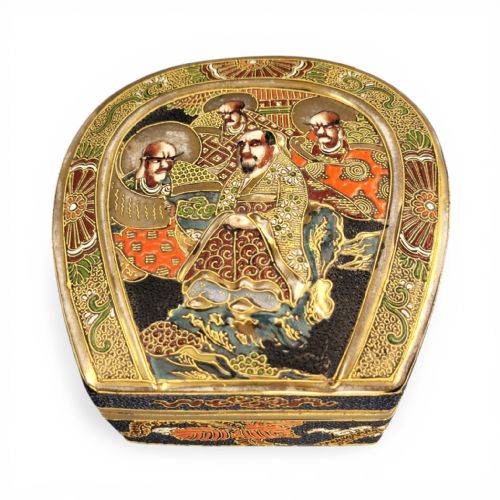
A gold painted box brings rich surface and intricate handwork to a room, offering a small, decorative vessel to hold trinkets or valuables.
Gold Painted Box
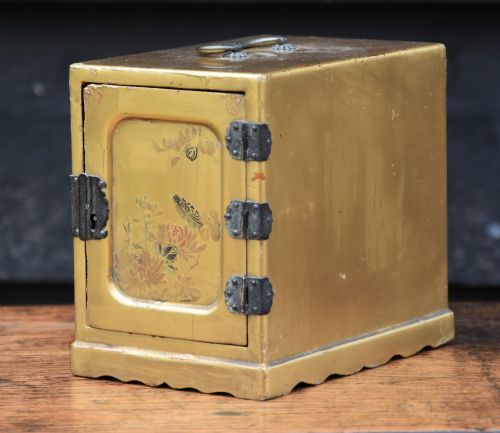
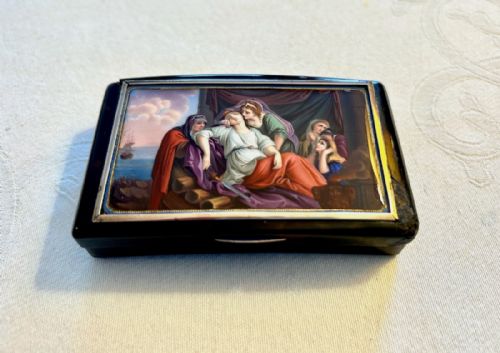
When searching for a gold painted box, a buyer encounters a diverse group of small receptacles ranging from 19th Century Japanese lacquer work to Regency penwork and Edwardian lidded pots. These items serve primarily as decorative boxes, jewellery boxes, music boxes, and small caddies, bringing detailed craftsmanship into domestic spaces.
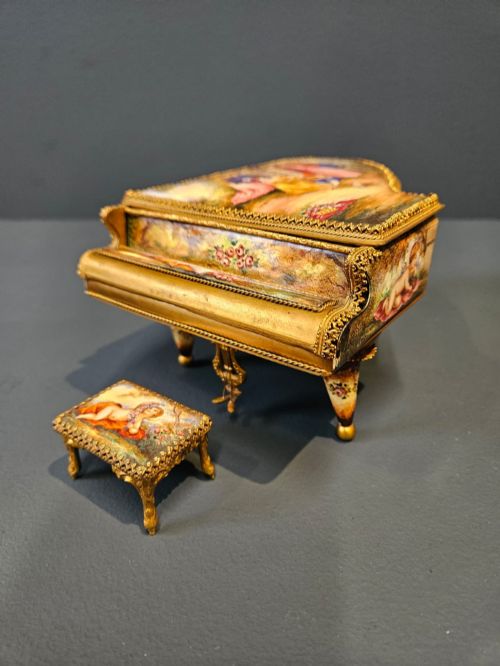
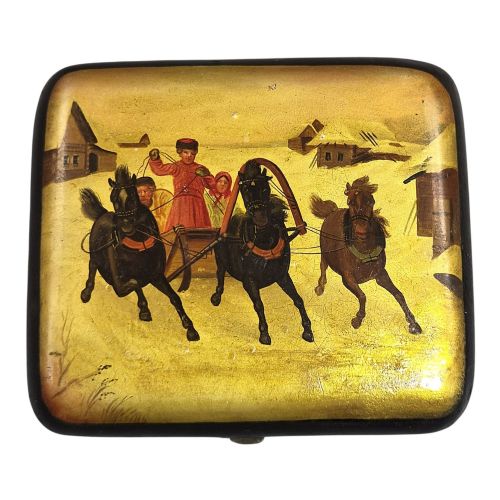
The pieces on this page span several centuries, including Georgian, Victorian, Regency, and Edwardian periods, alongside regional styles such as Meiji Period Japanese works, Viennese Enamel, and Imperial Russian papier-mâché. Lacquer, wood, gold leaf, paint, enamel, and brass form the tangible substance of these objects.
Most examples function as storage for personal items or decorative display pieces, reflecting global traditions of surface decoration. From English penwork to Kashmiri lidded pots, each piece demonstrates how makers applied paint and metallic leaf to wood, metal, or papier-mâché.
Materials and construction techniques
Materials such as wood, lacquer, and papier-mâché provide the structural foundation for these objects, often enhanced with gold leaf, paint, and enamel. Makers shaped these substances into boxes, caddies, and caskets before applying complex surface decoration.
Techniques range from delicate penwork and hand painting to intricate gilt lacquer and ormolu mounts. Artisans utilised contrasting textures, combining glass, brass, and tortoiseshell with applied pigments and metallic highlights to achieve depth and visual warmth.
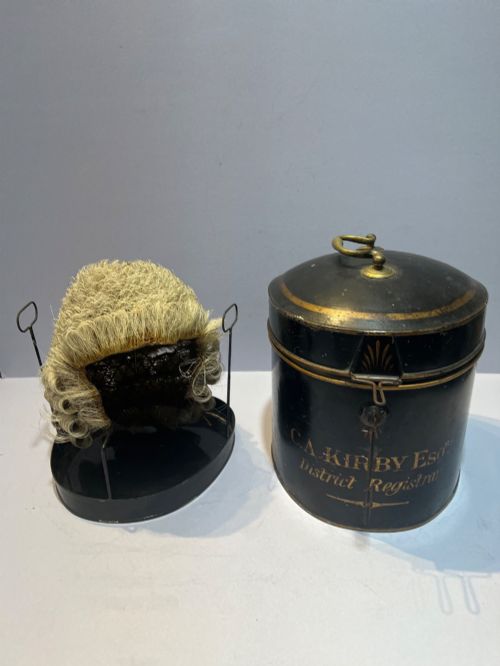
Legal wigs once travelled inside specialised painted cases alongside everyday documents.
Distinctions in craftsmanship and finish
Quality rests in the precision of the hand-painted details, the stability of the foundational material, and the preservation of the original gold leaf or paint. Superior examples display crisp lines in penwork, smooth applications of lacquer, and secure mounting of brass or enamel elements.
Wear and handling alter the appearance of these surfaces over time, making the preservation of original pigments and gilt details a primary indicator of a superior piece. The integration of specialised components, such as functioning music box movements or fitted trays, further separates standard containers from finer works.
Eade and Son·Vishnyakov Workshop·Toshozan·Giuliano Spinelli Florence
The Gold Painted Box Glossary
- Lacquer
- A durable resin finish applied in multiple layers to a substrate, often polished to a smooth gloss. It provides a hardwearing surface frequently seen on Asian and European decorative boxes.
- Papier-mâché
- A composite material made of paper pulp or reinforced paper sheets mixed with adhesive, moulded, and dried. This substance forms lightweight, smooth surfaces ideal for detailed hand painting.
- Penwork
- A meticulous decorative technique using India ink or paint applied with a fine pen to create intricate line drawings on wood or bone. It is characteristic of Regency decorative objects.
- Ormolu
- Gilded bronze or brass applied as mounts, feet, or decorative hardware on boxes and furniture. This technique adds metallic contrast and structural definition to the piece.
Gold Painted Box: Frequently Asked Questions
What were gold painted boxes used for?
These containers served various domestic functions, holding jewellery, documents, tea, or personal accessories like snuff and cigarettes. Their decorative exteriors allowed them to sit openly on tables and desks as functional art.
Over time, owners repurposed them to store smaller keepsakes, while larger versions acted as caskets or table cabinets for valuable personal possessions.
How do I care for a painted box?
Keep these objects away from direct sunlight and excessive humidity to protect delicate paintwork, gold leaf, and vulnerable materials like lacquer or tortoiseshell. Dust them gently with a soft, dry cloth without applying modern cleaning chemicals.
Stable indoor temperatures prevent the underlying wood, papier-mâché, or metal from expanding and contracting, which helps preserve the original surface integrity.
How can I tell the period of a box?
Dating relies on examining construction methods, hinge types, fastening mechanisms, and the specific artistic style applied to the surface. Georgian and Regency pieces often feature distinct penwork or Chinoiserie motifs, while Victorian and Edwardian examples show different material combinations.
Signatures, stamps, or labels on the base or interior can provide direct attribution to specific workshops or active periods.
Are these boxes fragile?
Many materials used in these pieces, such as enamel, glass, and thin layers of gold leaf or lacquer, require careful handling to avoid scratching or chipping. The underlying structures of wood or papier-mâché remain durable, but the decorated surfaces demand gentle treatment.
Regular handling should focus on lifting the object rather than rubbing the painted or gilded exterior decoration.