
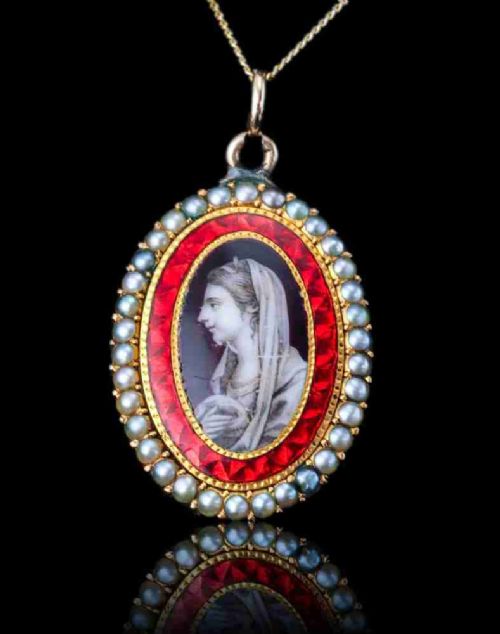


Gold Mourning Locket
A gold mourning locket holds someone close, carrying hair, portraits or enamel beneath glass.
Gold Mourning Locket
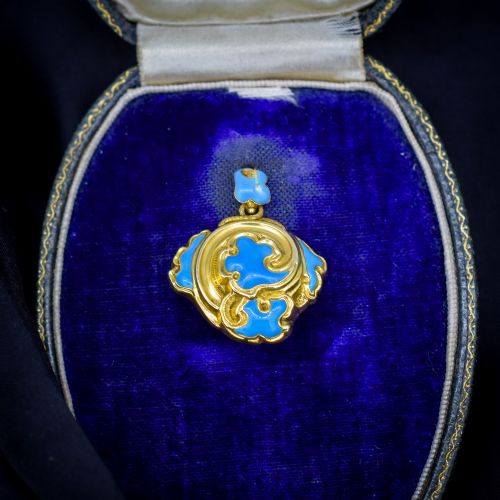
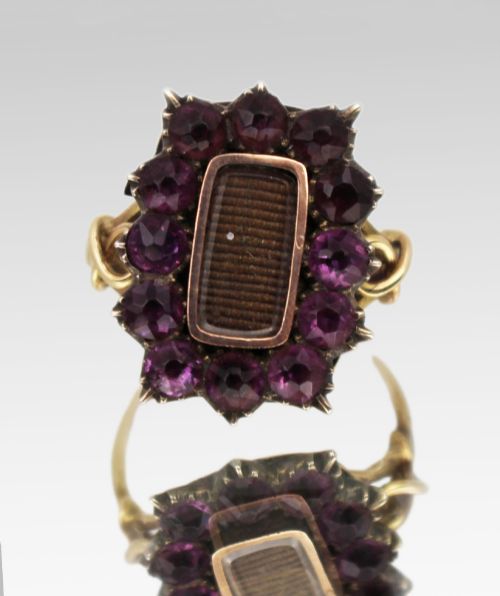
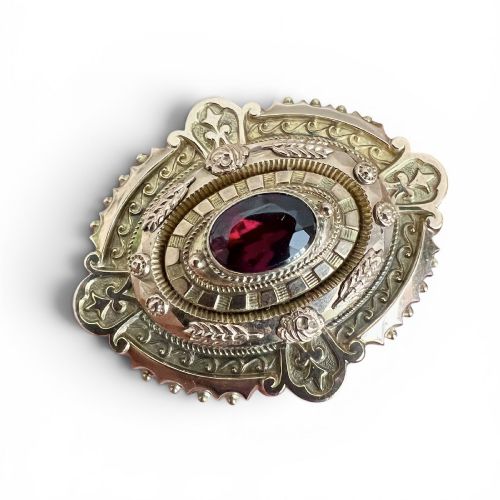
A gold mourning locket serves as a personal memorial, housing hair work, portraits or photographs within gold hinged cases. These pieces appear across Georgian, Victorian and Edwardian periods, taking the form of lockets, pendants and brooches.
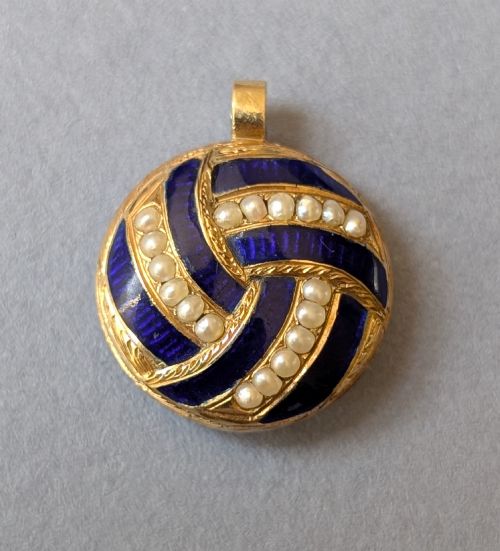
The Victorian pieces form the largest group on this page, often featuring high carat gold set with pearls, enamel and gemstones. Simpler Georgian examples and occasional Edwardian pieces also emerge, spanning pendant lockets and rings.
Makers utilised various metals including 9K, 15ct and 18ct gold to frame glazed compartments intended for hair work or miniature painting. These wearable tokens preserve private grief through durable materials designed to last generations.
Materials and construction
Goldsmiths worked with 9K, 15ct and 18ct gold to create hinged locket cases, often applying engine-turning or Etruscan Revival details to the metal surface. These frames protect internal glazed compartments designed to hold delicate hair work and sepia portraits.
Craftos employed blue enamel, turquoise, garnets and pearls to adorn the exterior of the gold housings. Glass protects both the outer decorative elements and the inner remembrance compartments where human hair is arranged.
One recorded locket was presented directly by Queen Victoria to her housekeeper, blending royal mourning with domestic service.
Assessing quality and finish
The fineness of the gold, ranging from 9K up to high carat 18ct, dictates the baseline quality of the metalwork. Superior examples display intricate engine-turning, precise enamel work and secure bezels holding garnets, pearls or turquoise.
The complexity of the internal hair work and the artistry of portrait miniatures distinguish finer pieces from simpler utilitarian designs. Original glass and intact hinges further separate well-preserved items from heavily altered examples.
Jacob Amyand
The Gold Mourning Locket Glossary
- Hair work
- The delicate craft of arranging human hair into geometric patterns or floral motifs behind glass. This technique forms the central memorial feature in many period pieces.
- Engine-turned
- A decorative technique involving precise geometric patterns engraved into metal by a machine. This method adds texture to the gold surface of locket cases.
- Etruscan Revival
- A Victorian design style inspired by ancient archaeological discoveries featuring granulation and filigree wirework. This aesthetic appears on larger gold locket brooches.
- Vinaigrette
- A small container with a perforated inner grille holding a sponge soaked in aromatic vinegar. Some examples incorporate hair compartments, combining scent containers with memorial function.
Gold Mourning Locket: Frequently Asked Questions
What is inside a gold mourning locket?
These pieces typically contain finely woven human hair, miniature portraits or photographs placed beneath protective glass panels. Some items also feature inscribed names or dates commemorating the deceased.
Such internal arrangements were assembled by specialists or families to keep a physical trace of a person near the heart.
How do I date a gold mourning locket?
Dating relies on the gold purity marks, prevailing artistic styles such as Etruscan Revival or Georgian flat-cut garnets, and structural details like hinge construction. Georgian pieces often feature sepia portraits, while Victorian examples frequently employ enamel and pearls.
Inscribed dates and maker marks provide the most direct evidence for the exact year of creation.
Can I open the locket to see inside?
Many pieces feature hinged outer covers or internal glazed frames designed to open for viewing the memorial contents. Opening older items requires care due to delicate vintage hinges and glass retention bezels.
Forcing a stuck clasp can damage the goldwork, so handling must remain gentle.
Were these lockets worn every day?
Victorian and Georgian mourning jewellery was frequently worn daily as social codes required visible symbols of grief. The durable use of 15ct and 18ct gold supported regular wear as brooches, pendants or rings.
Over time, these items transitioned from active mourning wear into cherished family heirlooms.