



Vintage Photo Locket Pendant
A vintage photo locket pendant holds a miniature portrait close to the heart, combining personal history with wearable metalwork.
Vintage Photo Locket Pendant
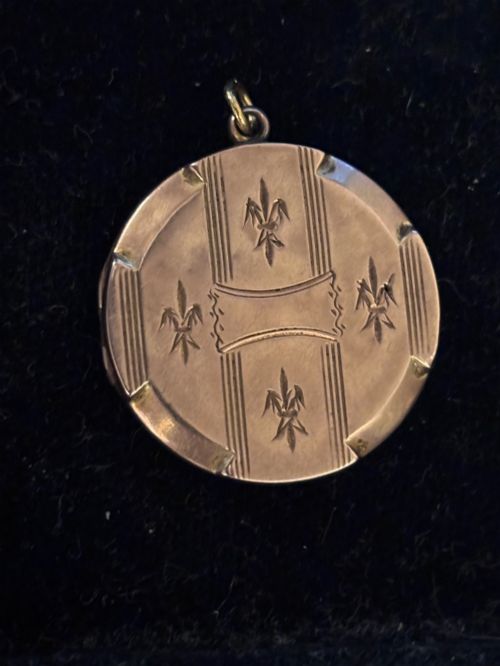
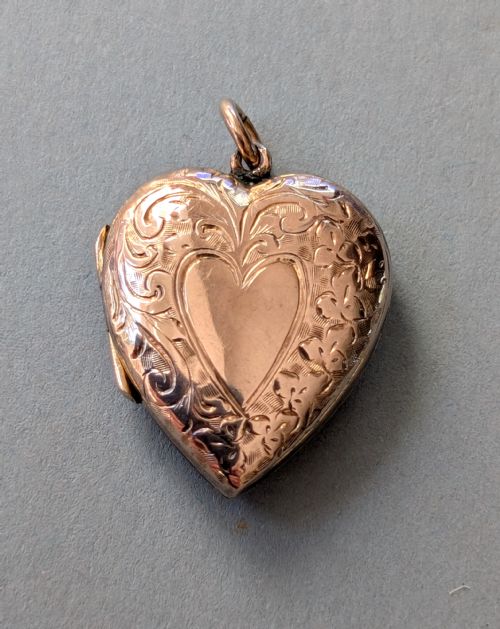
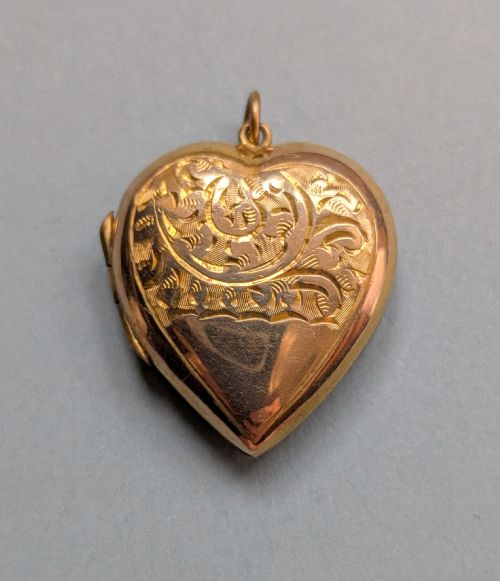
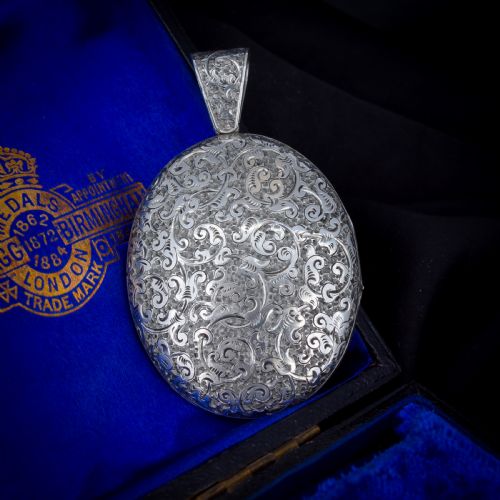
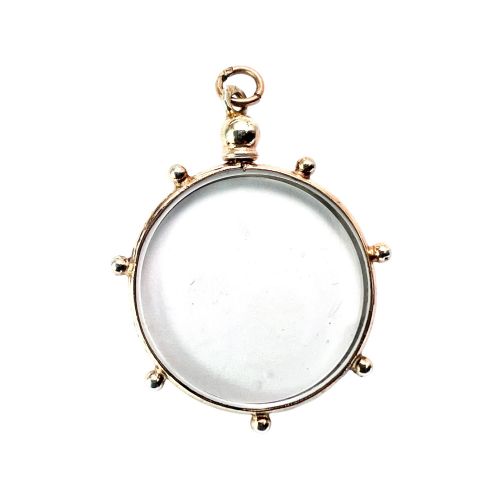
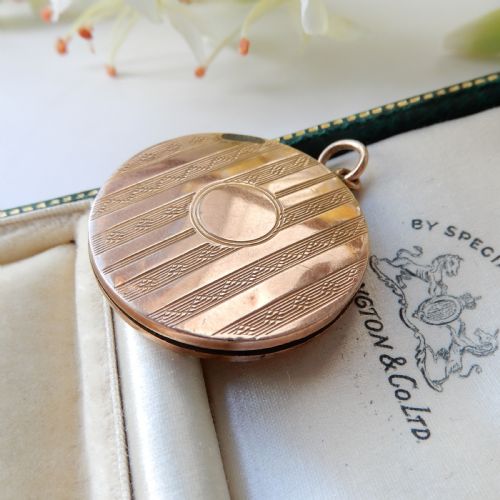
When you search for a vintage photo locket pendant, you are looking at hinged ornamental containers designed to hold small portraits or keepsakes. These pieces span from the Georgian and Victorian eras through the Edwardian period and into the mid-twentieth century. The version you are most likely to meet on this page is a gold or silver hinged case, often engraved with floral or geometric motifs.
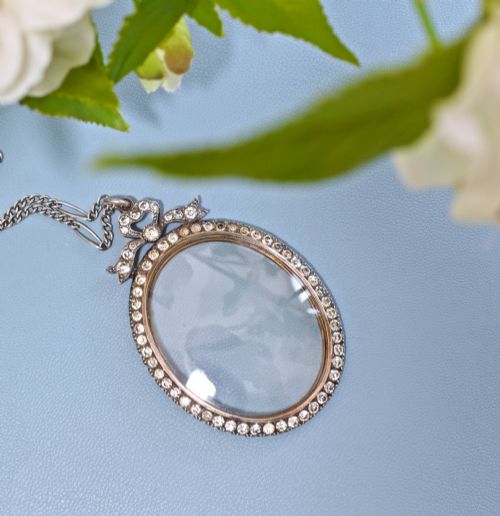
The selection here encompasses hearts, circles, and book-style forms meant to suspend from a neck chain. You will encounter straightforward metal designs alongside pieces set with paste, diamonds, sapphires, rubies, or pearls. Styles range from French Belle Epoque and Aesthetic period works to sturdy mid-century interpretations.
Materials and Construction
These items are constructed primarily from sterling silver, solid gold in various carats such as 9ct, 15ct, and 18ct, and gold back and front or rolled gold techniques. Makers employed methods like hand engraving, filigree wirework, and glass-topped compartments to secure miniature photographs or hair mementos inside. Gemstones including old-cut diamonds, turquoise, pearls, and paste are flush-set or mounted in bezels to accent the exterior metal surfaces.
Hinges and tiny internal rims required precise metalworking to ensure the covers snapped shut securely over paper or glass photograph frames. Many examples utilise yellow or rose gold tones, occasionally combined with silver toppings in the manner typical of Edwardian and Victorian workshops.
Evaluating Quality
Quality in these pendants rests upon the crispness of the hand engraving and the structural integrity of the hinge and snap closure. Superior examples display deep, deliberate chasing and well-balanced proportions, whether shaped as a simple puff heart or an elaborate floral basket.
The choice of materials further defines the tier of the piece, shifting from rolled gold and base metal cores to solid high-carat gold and carefully matched precious stones. Intricate additions like glass photo bezels, fine filigree, and original gem settings separate standard production items from finer jeweller-made ornaments.
B & F·GALLIA
The Vintage Photo Locket Pendant Glossary
- Back and front
- A construction method where the outer shell of the locket is made of solid gold while the interior lining uses a base metal for structural reinforcement.
- Paste
- Faceted glass or lead crystal hand-cut to imitate precious gemstones in antique and vintage jewellery.
- Filigree
- Delicate jewellery work consisting of twisted threads of gold or silver soldered together in openwork patterns.
- Mourning locket
- A piece of jewellery designed to memorialise a deceased person, frequently containing braided hair, a miniature photograph, or a painted portrait under glass.
- Puff heart
- A swollen, three-dimensional heart-shaped pendant hollowed on the inside to reduce weight while maintaining a bold profile.
Vintage Photo Locket Pendant: Frequently Asked Questions
How do I open an antique locket?
Most lockets rely on a tiny side hinge and a snap-shut bezel catch that releases with gentle fingernail pressure at the edge. Take care not to force stiff joints, as antique gold and silver can deform under heavy leverage.
If the catch is stubborn, a trace of professional lubricant on the latch can assist the mechanism without harming the surrounding metal engraving.
Can I put modern photographs inside?
You can insert modern photographs by trimming printed paper to match the interior aperture of the frame. Many older pieces retain their original glass covers and metal retaining rings to hold the picture flat.
Avoid using modern liquid glues inside the compartment, as adhesives can stain the historic metal backing or ruin the internal paper lining.
How do I date a silver photo locket?
Dating relies on a combination of hallmarks, fastener styles, and decorative motifs such as Edwardian bows or Victorian engravings. Examining the construction of the hinge and the style of the internal photo frames provides further clues to the decade of manufacture.
English silver pieces frequently feature assay office marks and date letters that narrow the year of creation down precisely.
What is gold back and front jewellery?
Gold back and front refers to a nineteenth and twentieth-century manufacturing technique where the exterior visible surfaces are sheet gold fused to a base metal core. This provided the rich appearance of solid gold while keeping the pendant lightweight and affordable.
These pieces wear much like solid gold under normal use, provided the exterior gold layer remains thick and uncompromised.