
Gold Mechanical Dress Watch
A gold mechanical dress watch brings traditional horology to the wrist, offering precise manual or automatic movement housed in precious metal.
Gold Mechanical Dress Watch
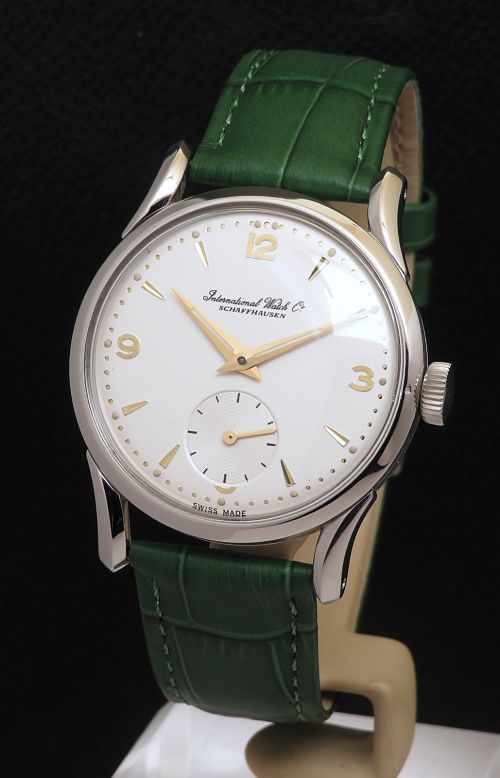
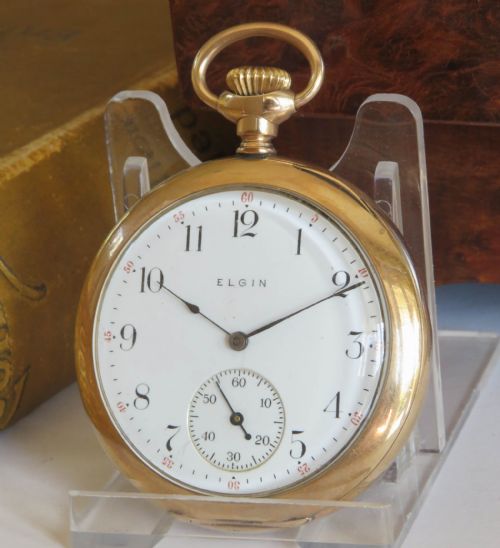
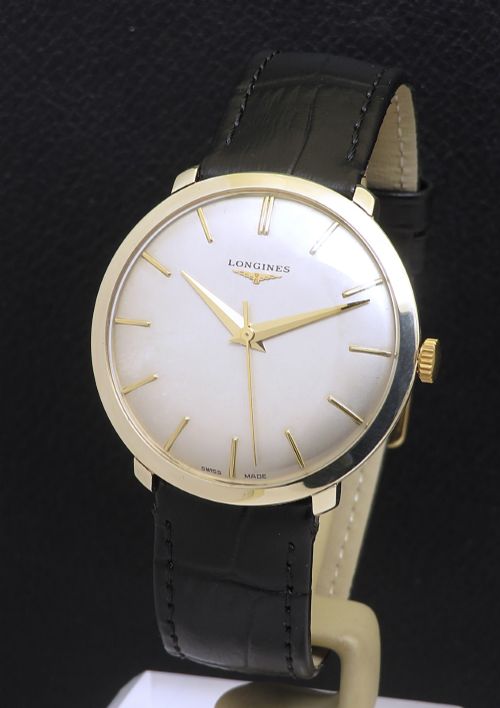
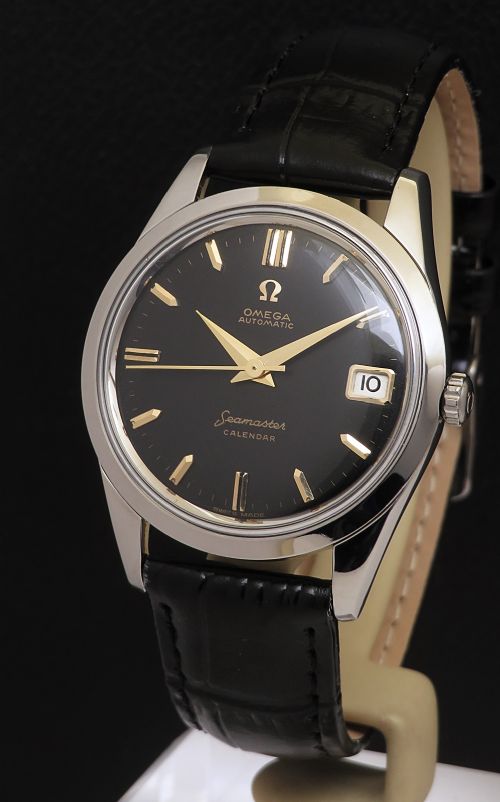
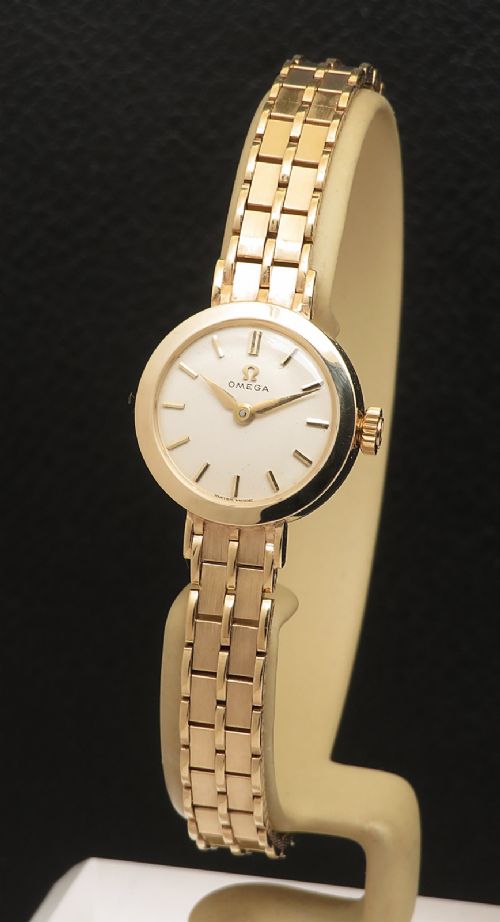
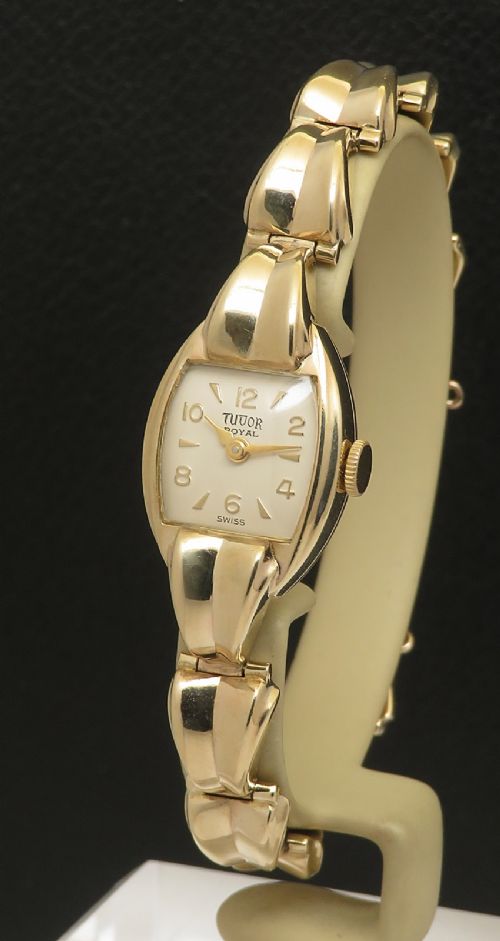
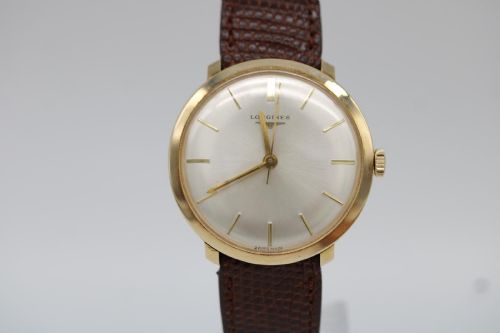
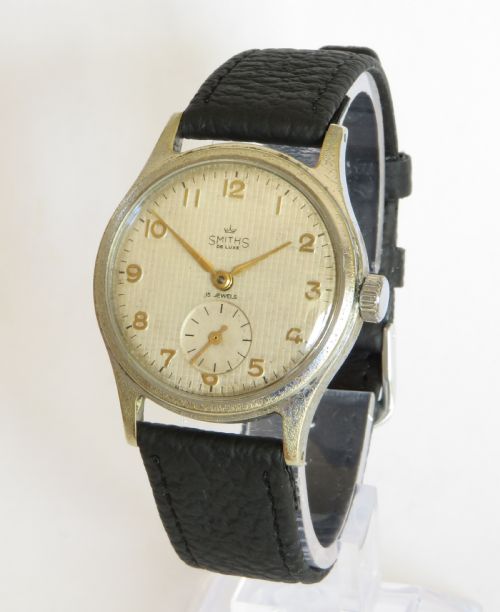
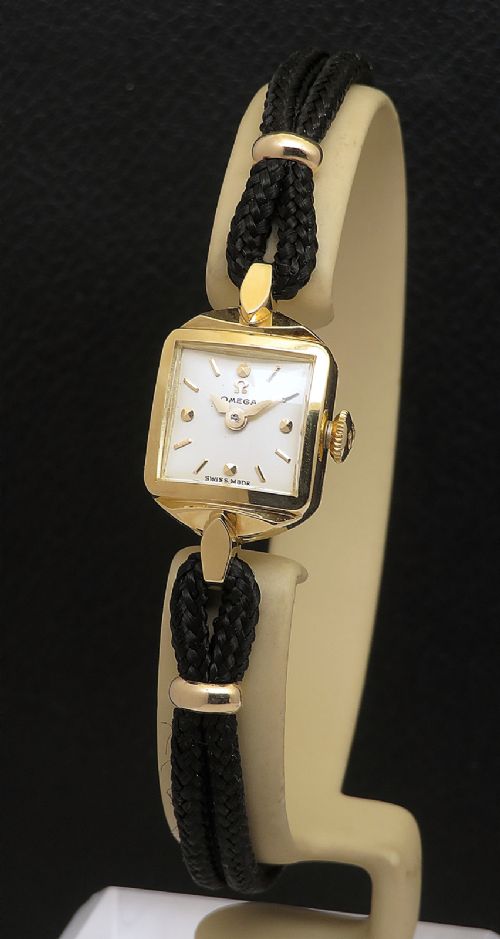
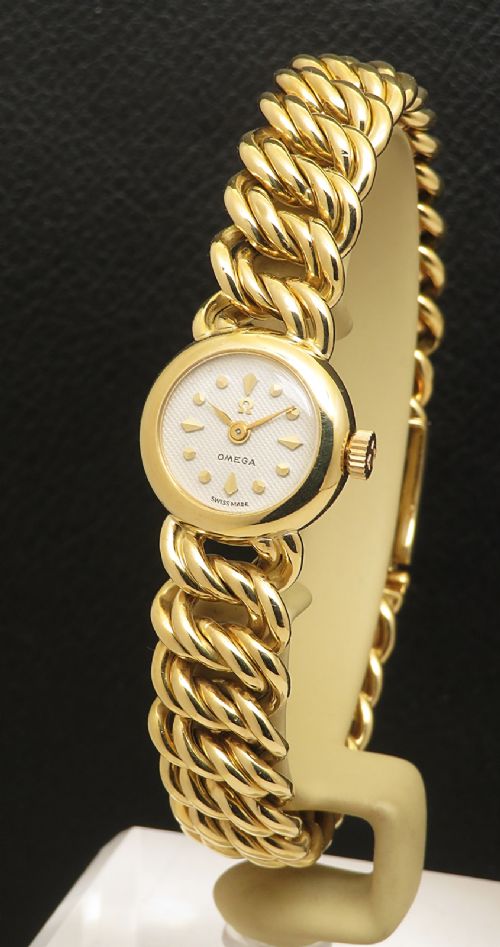
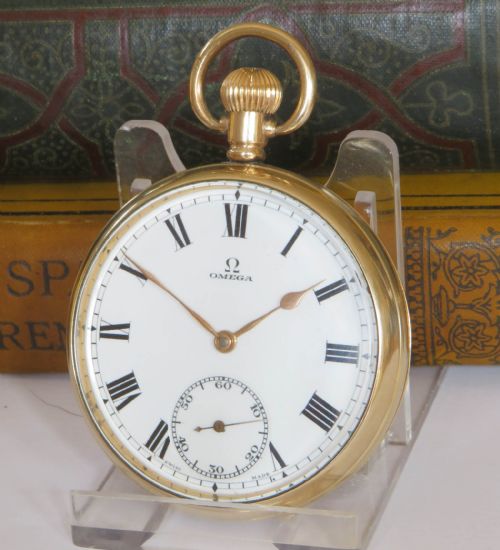
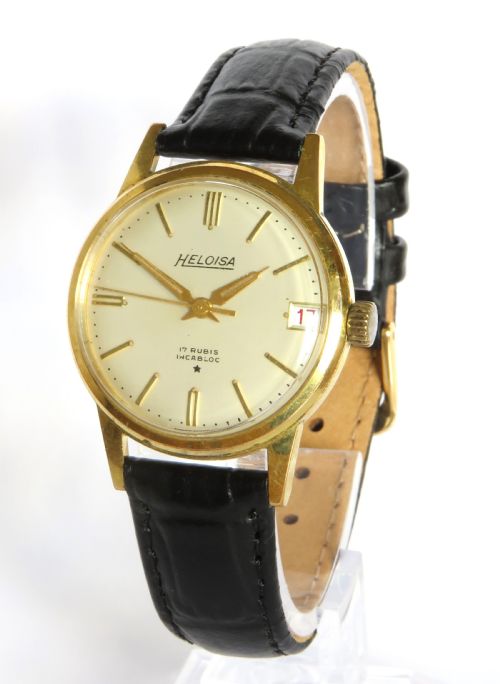
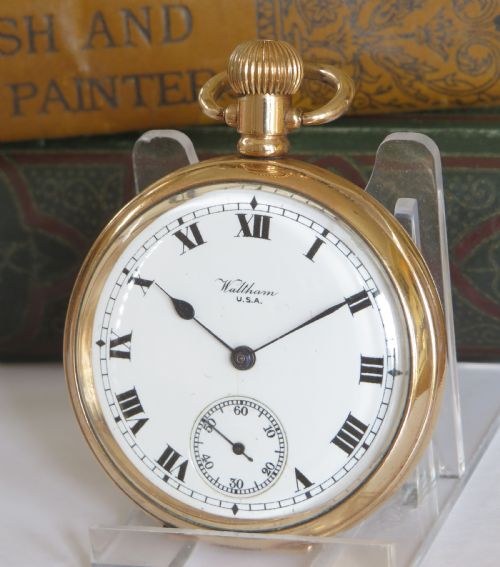
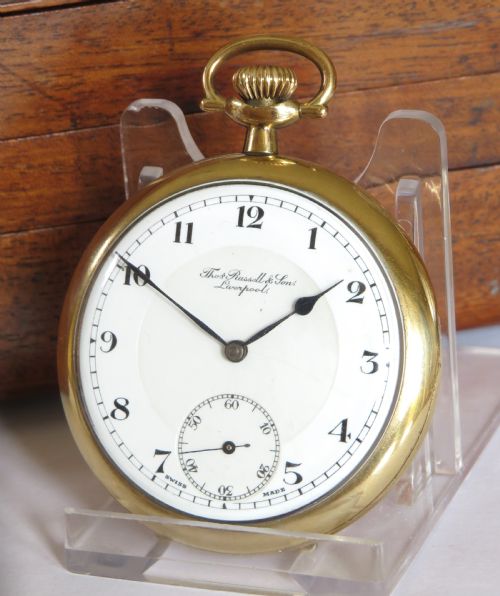
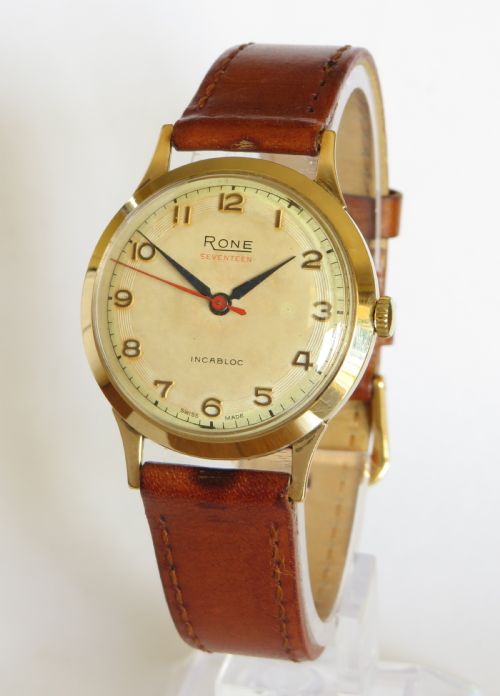
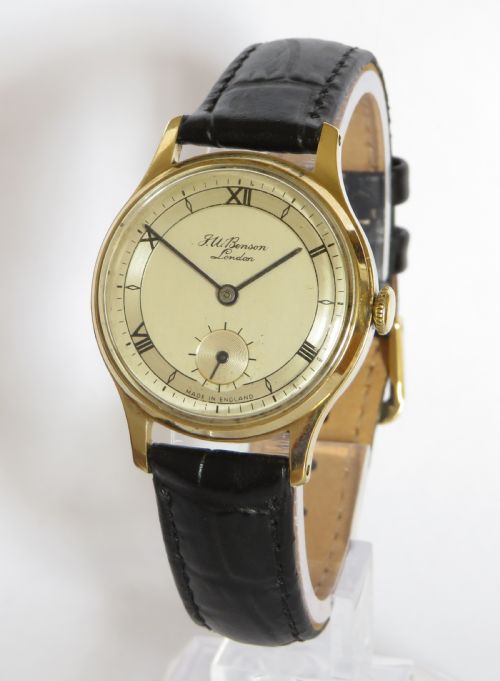
When searching for a gold mechanical dress watch, buyers encounter timepieces spanning from the Victorian era through the mid-twentieth century, including wristwatches and pocket watches. The selections on this page concentrate heavily on mid-century wristwatches and earlier pocket watches produced in solid 9ct gold, 18ct gold, and gold-plated cases.
Forms range from slim gents dress wristwatches to ladies cocktail watches and full hunter pocket watches. Styles such as Art Deco and Mid-Century Modern frequently appear, reflecting the design sensibilities of their respective decades.
How they were made
Cases are formed from solid 9ct gold, 18ct white gold, or gold plate, paired with glass crystals and leather straps. Many designs incorporate enamel dials or subtle acrylic components depending on the production period.
Mechanical movements rely on manual wind or automatic calibres, featuring intricate gear trains and jewels assembled by specialised watchmakers. Components are housed within metal casings designed to protect the delicate inner mechanisms from dust and moisture.
Materials utilised across the selection include solid 9ct gold, 18ct gold, stainless steel, leather, and enamel.
What varies in quality
The degree of preservation distinguishes examples, particularly whether dials and movements remain entirely original or have undergone restoration. The presence of original boxes, papers, or specific high-grade calibres elevates a piece.
Material composition plays a significant role, with solid gold cases commanding greater attention than gold-plated alternatives. The reputation of the maker and the complexity of the internal movement further define the standing of each timepiece.
Longines·Omega·Rolex Tudor·Smiths·Waltham·Elgin·IWC·Lange and Sohne
The Gold Mechanical Dress Watch Glossary
- Calibre
- The specific internal movement design and model created by a watch manufacturer. This designation helps identify the exact mechanism powering the watch.
- Full hunter
- A pocket watch featuring a protective metal spring cover attached to the case. The lid must be opened via a button to read the time.
- Manual wind
- A mechanical movement requiring the wearer to turn the crown by hand to tension the mainspring. This traditional method contrasts with automatic self-winding systems.
- Cocktail watch
- A small ladies dress watch often styled with decorative case work for evening wear. These pieces frequently double as jewellery.
- Chronometer
- A high-precision watch that has passed rigorous accuracy tests conducted by an official certifying body. Such movements represent peak horological performance for their era.
Gold Mechanical Dress Watch: Frequently Asked Questions
How do I wind a mechanical dress watch?
Gently rotate the crown clockwise between your thumb and forefinger until you feel slight resistance. Stop immediately to avoid damaging the mainspring.
Wind the watch at roughly the same time each day to maintain consistent tension and accurate timekeeping.
Are these vintage watches waterproof?
Vintage timepieces lack modern rubber seals and modern pressure resistance standards. Even models labelled waterproof in period should stay away from water.
Humidity and moisture can easily penetrate older glass crystals and crown stems, damaging the dial and movement.
What is the difference between manual and automatic?
Manual wind watches rely entirely on the wearer turning the crown to store power in the mainspring. Automatic watches contain an internal weighted rotor that spins with the motion of the wrist to wind the spring.
Both systems drive mechanical gear trains without the need for electronic batteries.
How do I date an antique watch?
Makers often stamped serial numbers onto the internal movement plates or inside the case back. Cross-referencing these numbers with manufacturer production records reveals the exact year of manufacture.
Stylistic cues such as dial typography and case geometry also point toward specific decades like the Art Deco period.