
Gold Leaf Wall Artwork
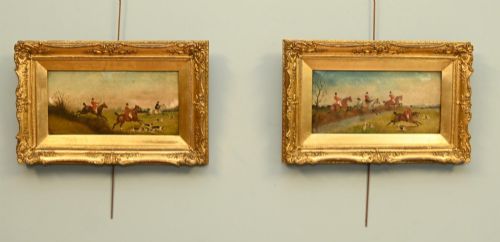
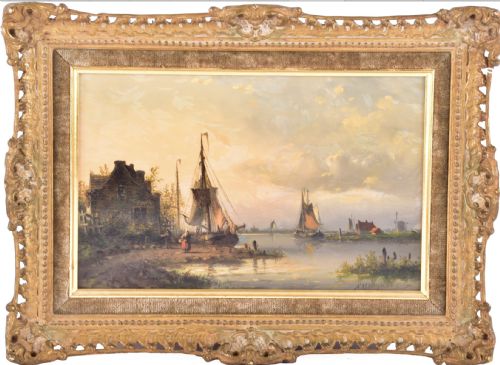
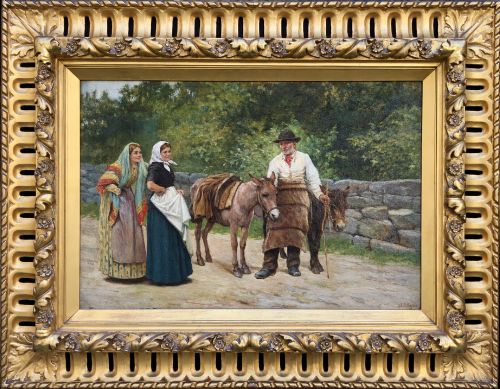
Gold leaf wall artwork brings together historic paintings and elaborate frames to catch the light in any interior.
Gold Leaf Wall Artwork
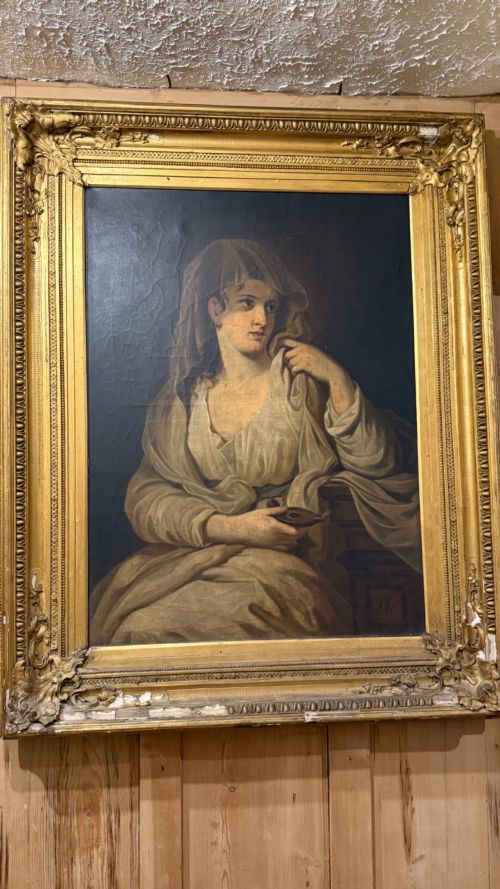
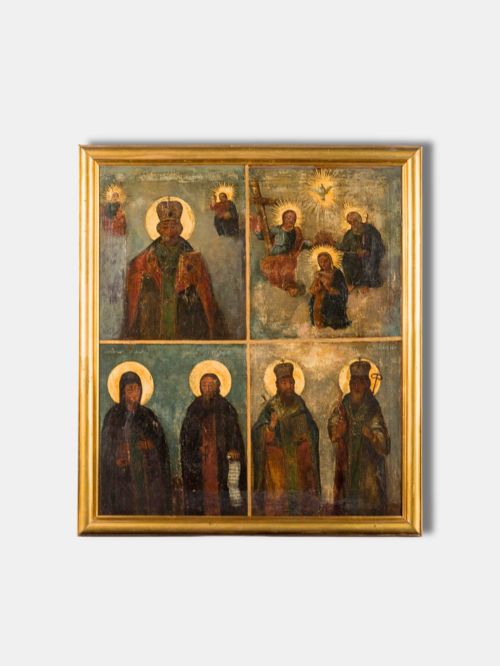
Gold leaf wall artwork encompasses historic oil paintings, engravings, and religious icons set within gilded frames that highlight the decorative arts of past centuries. Buyers find oil on canvas, tempera, paper, and glass pieces originating from periods including the seventeenth, eighteenth, and nineteenth centuries.
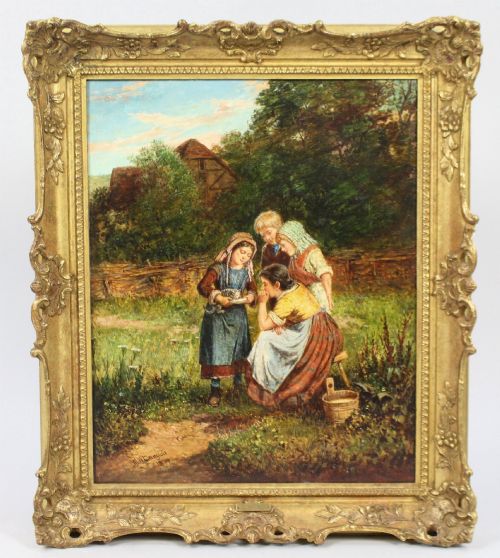
The most frequent examples on this page are oil paintings and framed prints from the Victorian and Georgian eras, often featuring portraits, landscapes, or genre scenes. These works combine painted canvases with carved wooden surrounds treated in gold leaf or gesso.
Originating from British, Dutch, French, Italian, and Russian workshops, these pieces range from devotional icons to domestic portraiture. Each item uses metallic leaf either within the main composition or upon the surrounding frame to create a reflective surface.
How gold leaf wall artwork was produced
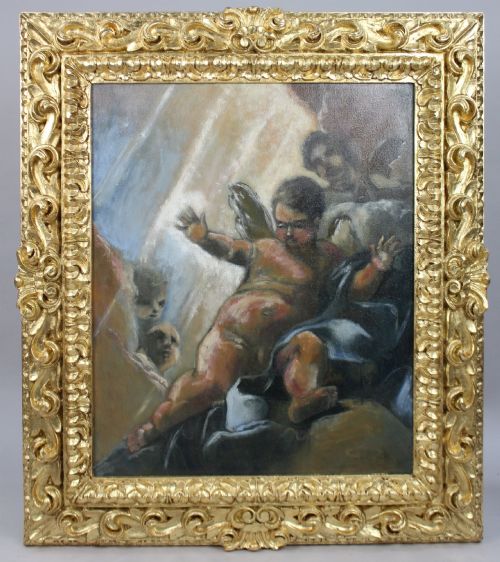
Makers applied beaten gold leaf over layers of gesso and bole upon carved wood to build rich, reflective picture frames and illuminated details within paintings. This technique created durable metallic surfaces that caught ambient light in candlelit rooms.
Artists painted oil on canvas or tempera on panel, frequently incorporating gold leaf directly into religious icons and devotional works. Glazing protected paper prints and watercolours executed on paper or card from environmental damage.
Carved giltwood surrounds utilised timber foundations shaped with hand tools before application of the metallic leaf. Craftsmen sealed these constructions to preserve the integrity of both the artwork and the decorative border.
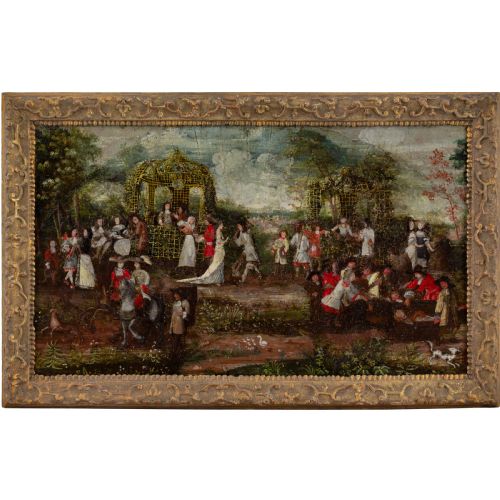
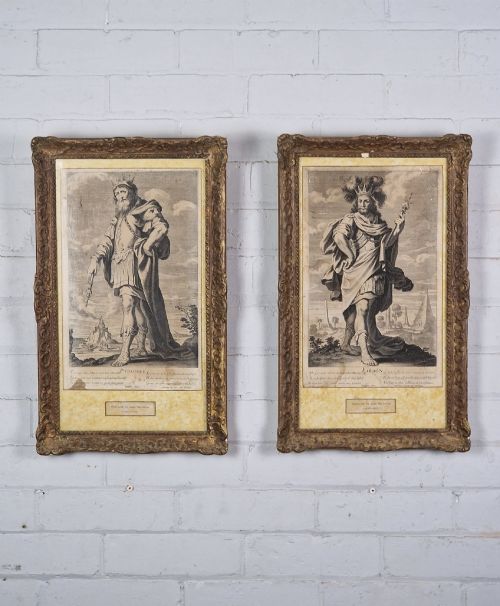
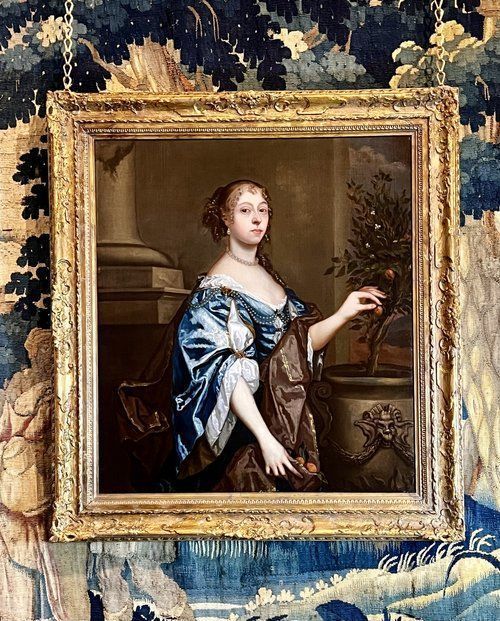
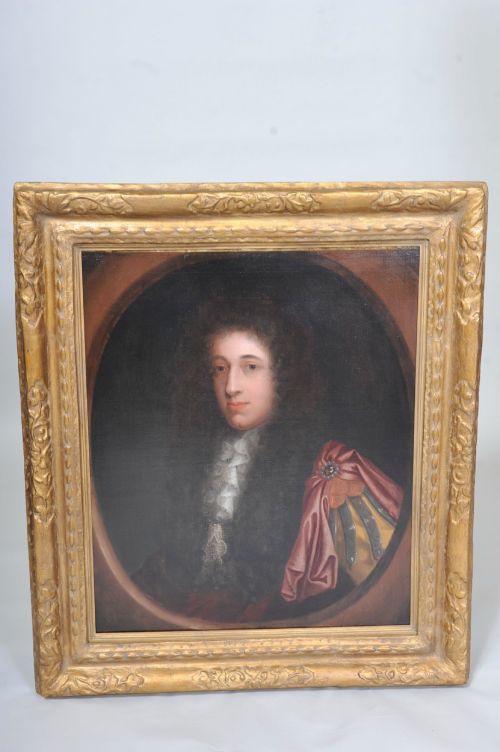
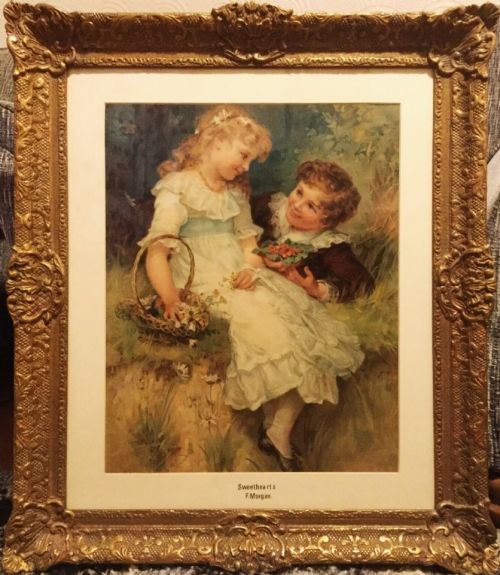
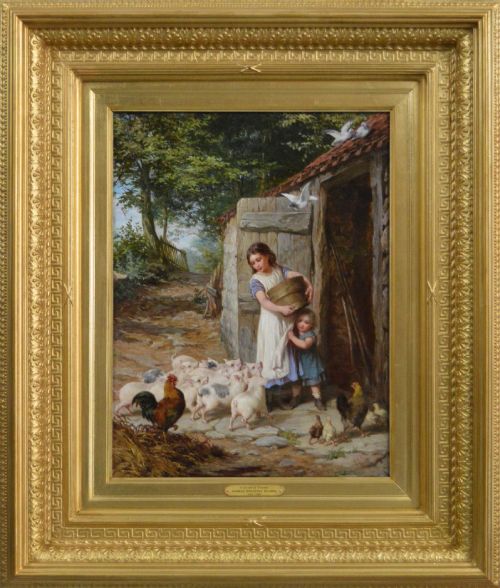
Gentlemen and children share wall space with pigs, chickens, and a lady picking oranges.
What varies in quality across pieces
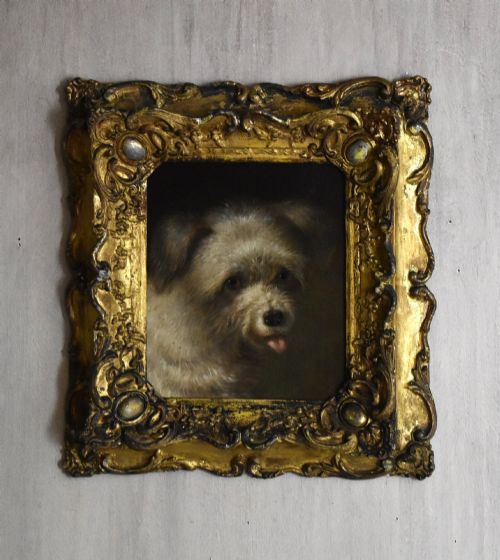
The fineness of the hand-carving on giltwood frames distinguishes standard production from exceptional craftsmanship, where delicate floral or geometric motifs remain crisp beneath the gold leaf. Deeper relief work and well-preserved original gilding indicate superior workshop execution.
In the painted or printed surface, the precision of brushwork and the stability of the medium determine the distinction between ordinary and accomplished examples. Pigment retention and the absence of clumsy later overpainting preserve the original visual balance.
The structural integrity of the wooden stretcher or panel supports affects the longevity of the artwork, with well-joined corners and stable grounds holding higher regard. Original framing components matching the period of the artwork hold greater historical cohesion.
Jean Mariette·PIETER BORSSELER·Frederick Morgans·Mark William Langlois·Bonaventura Peeters·Martin Theodore Ward·George Augustus Holmes·James Stroudley·Raphael Conestabile·Henri Charles Angéniol·Renato Moretti·Jacob Akkersdijk·Thomas Hodgson Liddell·Theodore Jensen·Everett Watson Mellor·John Greenhill·Benjamin Eugene Fichel·Charles William Wyllie·George Bernard O'Neill·Thomas Sidney Cooper·Pieter Cornelis Dommersen
The Gold Leaf Wall Artwork Glossary
- Giltwood
- Timber that has been coated with gold leaf or gold paint for decorative effect. This finish appears frequently on antique picture frames and mirrors.
- Gesso
- A plaster mixture used as a base for paint or gold leaf on wood panels and frames. It provides a smooth surface for subsequent gilding.
- Tempera
- A permanent, fast-drying painting medium consisting of coloured pigments mixed with a water-soluble binder. It appears often in early religious icons.
- Oleograph
- A type of colour print produced by chromolithography to imitate an oil painting. These prints gained popularity during the nineteenth century.
- Stipple engraving
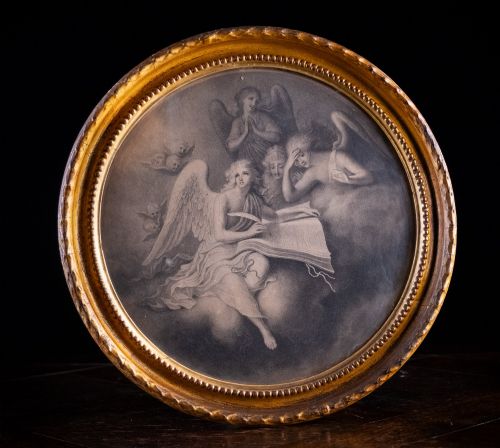
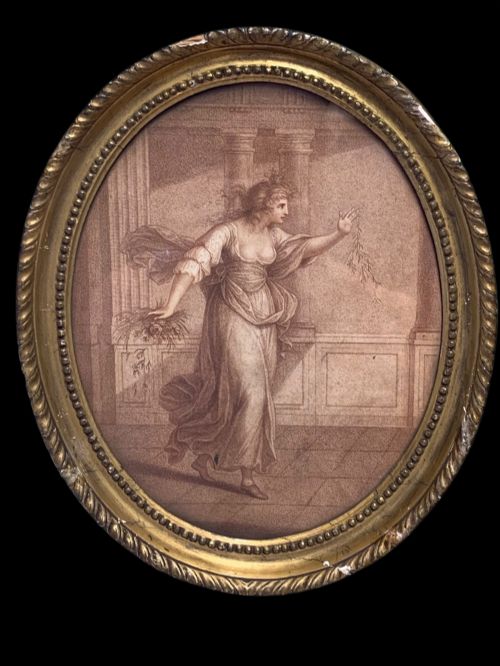
- A printmaking technique using dots to create tonal shadows and highlights. This method was widely utilised for eighteenth-century portrait prints.
Gold Leaf Wall Artwork: Frequently Asked Questions
How do I clean a giltwood frame?
Dust giltwood frames gently with a soft, dry brush to remove surface particles without disturbing the delicate metallic leaf. Avoid moisture or chemical cleaners, which can strip historic gilding.
Professional conservators should handle any deep cleaning or restoration required on fragile nineteenth-century frames.
Where should I hang these artworks?
Position these pieces away from direct sunlight and damp environments to protect oil paints, paper prints, and delicate gold leaf surfaces. Stable indoor temperatures prevent the wood and canvas from warping.
Placing them where ambient lamplight catches the gilded frames enhances their reflective qualities in the evening.
Are these frames original to the paintings?
Many seventeenth and eighteenth-century works retain period frames that match the age and style of the canvas. Secondary framing often occurred later to update the appearance for Victorian interiors.
Examine the rabbet and corner joins to determine if the artwork has remained in its initial housing.
How do I identify a tempera icon?
Tempera icons typically feature opaque pigments applied over a gesso ground on a solid wooden panel, often incorporating applied gold leaf halos. The matte finish distinguishes them from oil paintings.
Religious icons from Russian and European traditions frequently exhibit this specific construction method.