
Gold Leaf Overmantel Glass
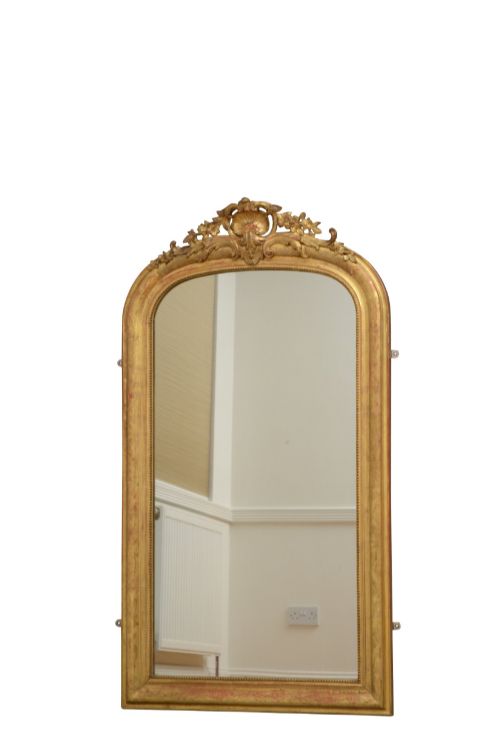
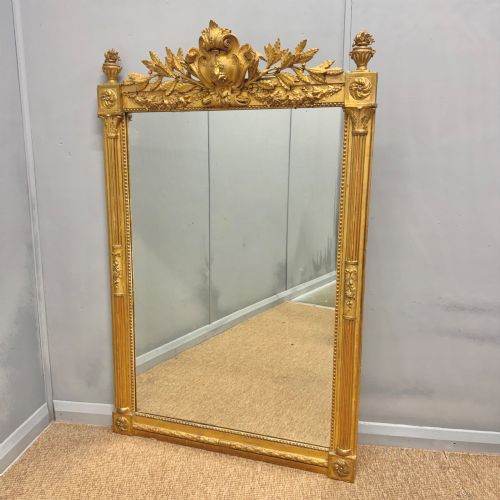
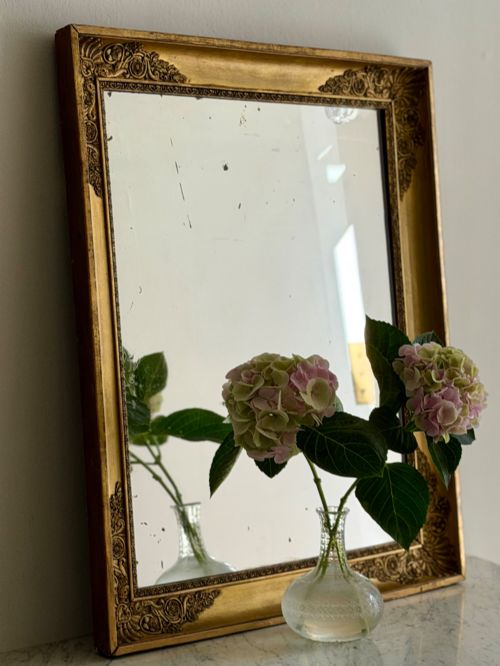
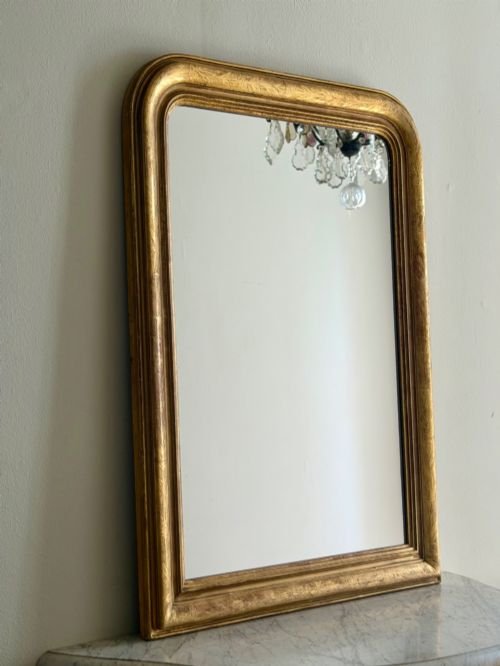
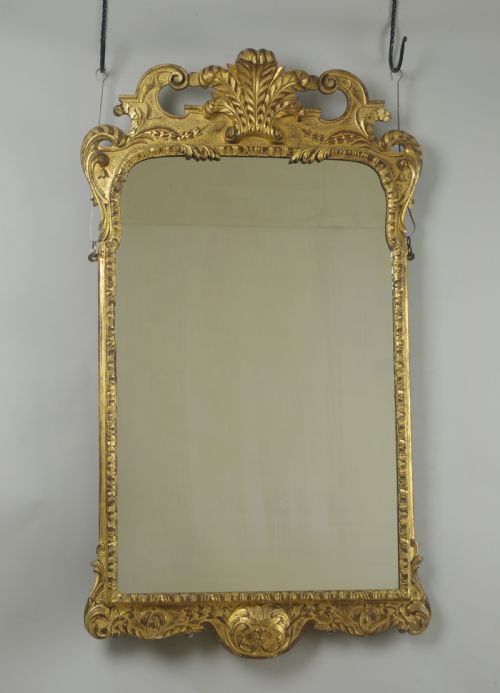
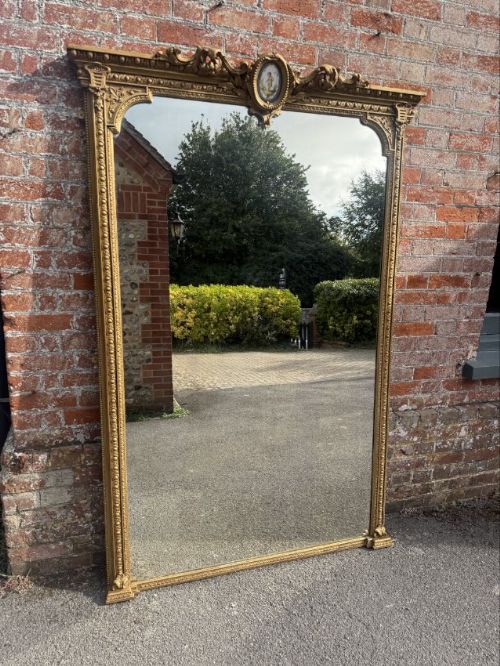
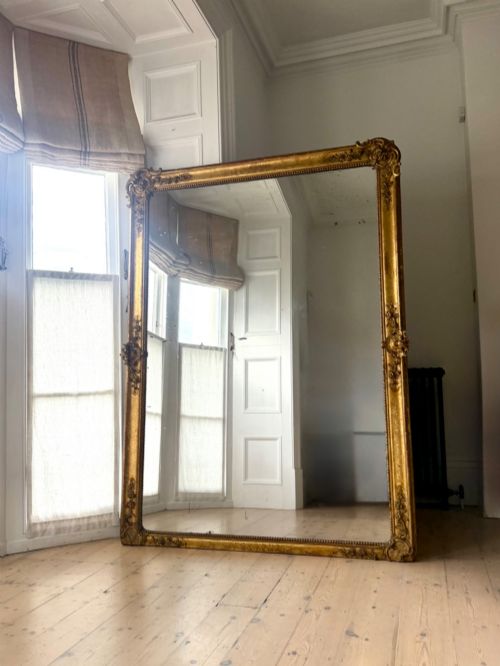
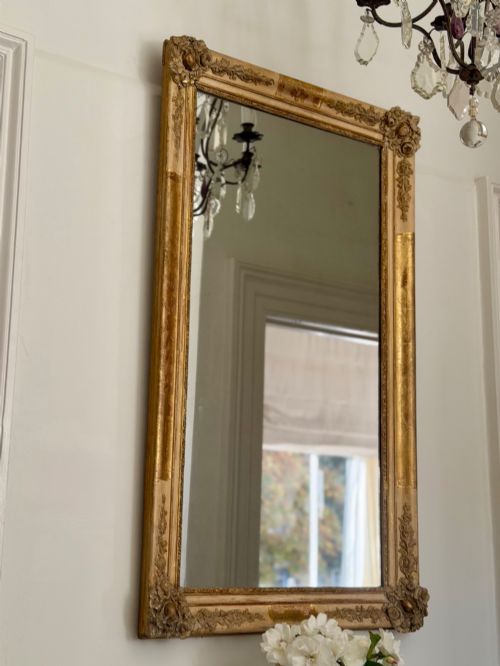
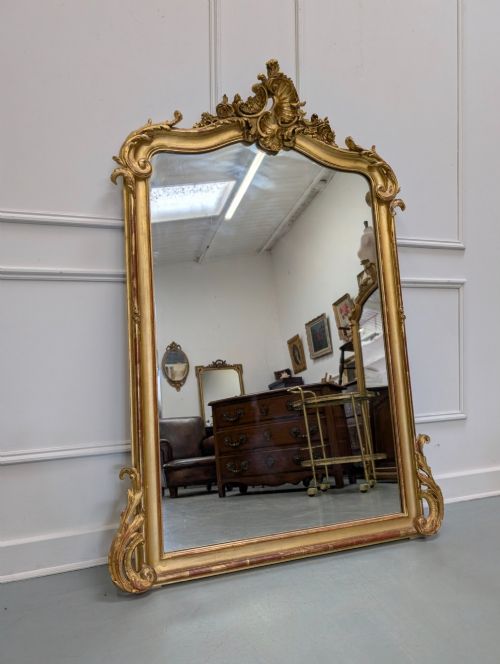
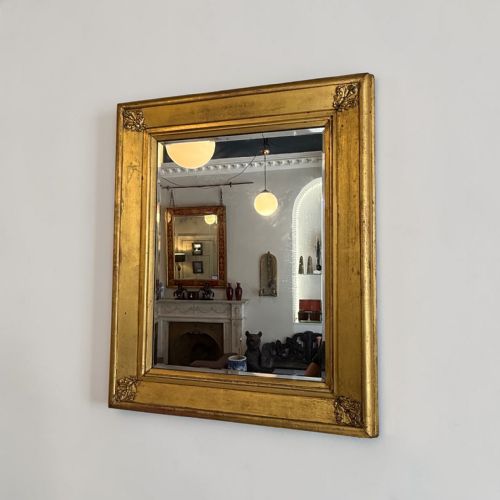
Gold leaf overmantel glass brings expansive light and neoclassical elegance to a room, framed in gilded timber and gesso.
Gold Leaf Overmantel Glass
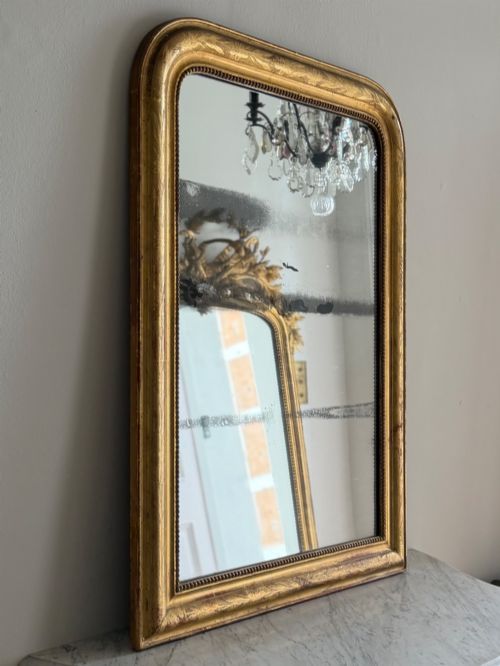
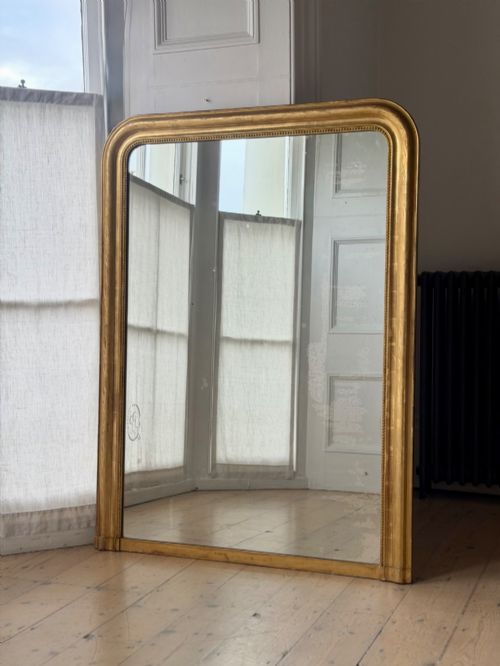
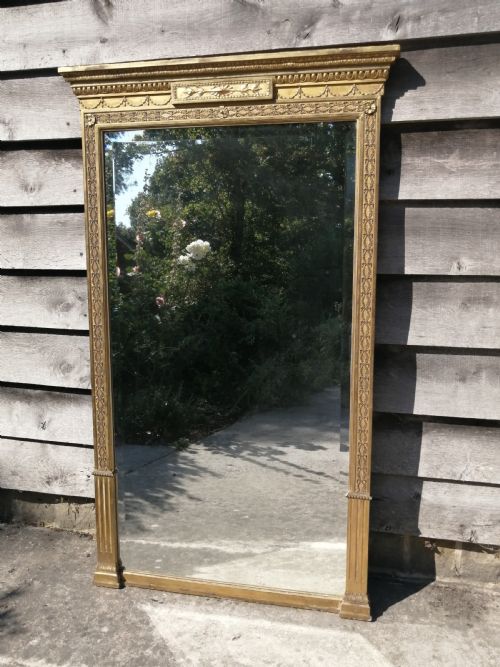
A gold leaf overmantel glass provides a commanding focal point above a fireplace or along a principal wall, reflecting interior space with considerable presence. These mirrors trace origins through the eighteenth, nineteenth, and early twentieth centuries, spanning English, French, and Italian workshops.
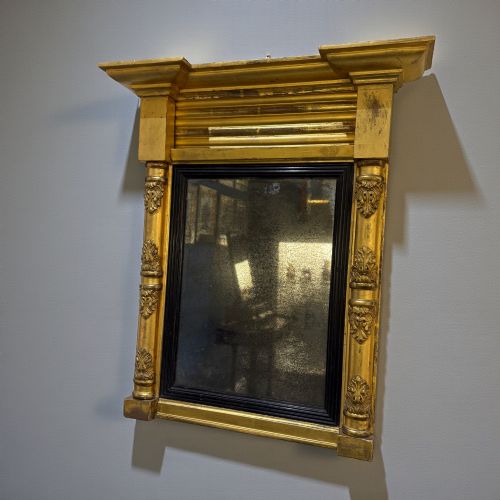
The selections encountered here most frequently belong to the nineteenth century, including Regency, Victorian, and Napoleon III periods. Formats range from arched top overmantels to pier mirrors and compartmentalized designs intended for specific architectural proportions.
Craft and Construction
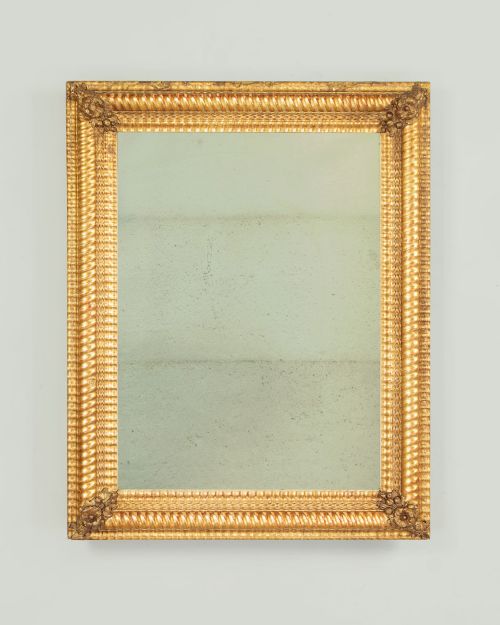
Frames rely upon carved wood, composition, and gesso applied over a timber base to build up intricate relief ornament such as rope twists and floral carvings. Layers of gold leaf are then laid meticulously across the prepared surface to achieve a brilliant metallic finish.
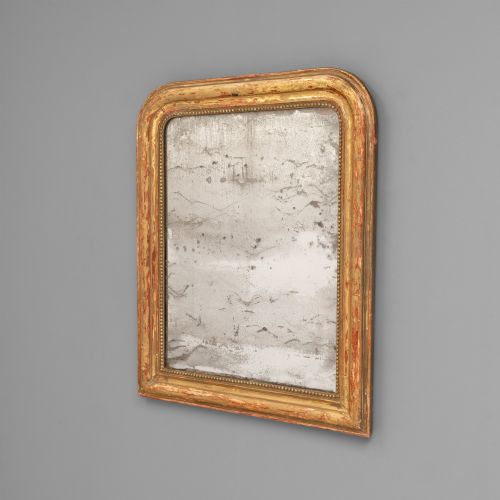
Mirror plates consist of traditional glass, sometimes featuring original foxing or bevelled edges, alongside specialised elements like verre eglomise panels or integrated oil paintings within trumeau frames.
Some nineteenth-century mirrors secretly double as structural time capsules, containing newspaper fragments pasted inside the backboards by Victorian joiners.
Quality and Distinction
The refinement of the carved ornament and the depth of the gesso detailing distinguish superior examples from simpler production. Crisp execution in floral or mythological motifs indicates skilled handwork rather than repetitive composition moulding.
The survival of original mercury glass plates with natural foxing adds historical value. Furthermore, the integrity of the original giltwood surface, preserved beneath layers of time without heavy restoration, elevates the standing of a piece.
The Gold Leaf Overmantel Glass Glossary
- Gesso
- A plaster-like mixture applied to wooden frames to create a smooth surface for gilding. It allows craftsmen to carve intricate relief details before applying gold leaf.
- Overmantel
- A large mirror specifically designed to be hung on the wall directly above a fireplace mantelpiece. These pieces often span significant horizontal proportions to match the hearth below.
- Pier Mirror
- A tall, narrow mirror designed to fit the wall space between two windows. They frequently incorporate console tables or extend vertically to amplify daylight in a room.
- Foxing
- The speckled brown spots and age-related oxidation that develop on antique mirror plates over decades. This natural degradation is valued by collectors as proof of authenticity.
- Verre Eglomise
- A decorative technique where gold or silver leaf is applied to the reverse of glass and then etched or painted. It often appears in upper panels of Regency mirrors.
- Trumeau
- A decorative wall mirror combined with an oil painting or panel artwork above the glass plate. Originating in France, these pieces function as integrated wall panelling.
Gold Leaf Overmantel Glass: Frequently Asked Questions
Where should an overmantel mirror be hung?
These mirrors traditionally anchor the space directly above a drawing room or dining room fireplace mantelpiece. Their generous scale allows them to reflect opposing windows and distribute natural light evenly across the interior.
Alternatively, secure placement on a primary wall creates an architectural focal point similar to a large painting. Ensure the wall structure and fixings can support the substantial weight of carved wood and glass.
How do I identify a Regency period mirror?
Regency pieces typically date from the early nineteenth century and display neoclassical restraint alongside bold decorative motifs. Look for architectural elements such as reeded frames, balls, or ebonized details.
Proportions tend to be balanced and formal, drawing influence from classical antiquity. Compartmentalized plates divided into sections also frequently characterise this specific era.
What is the difference between an overmantel and a pier mirror?
Overmantel mirrors are constructed with wide horizontal dimensions to sit comfortably above a fireplace opening. Their frames balance the heavy masonry of a chimney breast.
Pier mirrors are built taller and narrower to occupy the wall space between windows or doors. Their vertical orientation maximises the reflection of light in darker architectural corners.
How do I clean antique gold leaf frames?
Dust the gilded surface gently with a soft, dry ostrich feather brush or a clean microfibre cloth. Avoid applying moisture, commercial cleaning sprays, or abrasive pressure, which can lift delicate gold leaf and gesso.
Keep the mirror plate itself clean using a sparing amount of glass cleaner applied to a cloth rather than sprayed directly onto the glass. This prevents liquid from seeping behind the plate and damaging the silvering or backing.