

Gold Leaf Oil Portraits
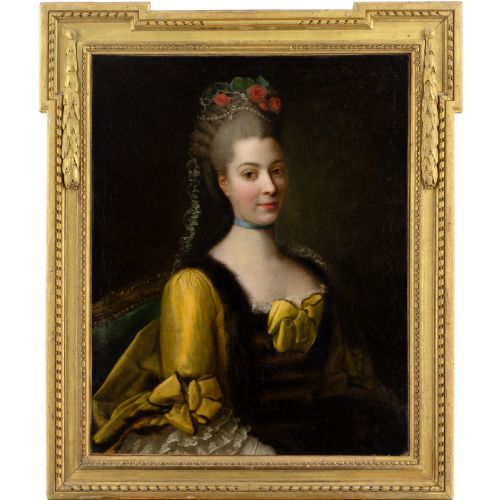
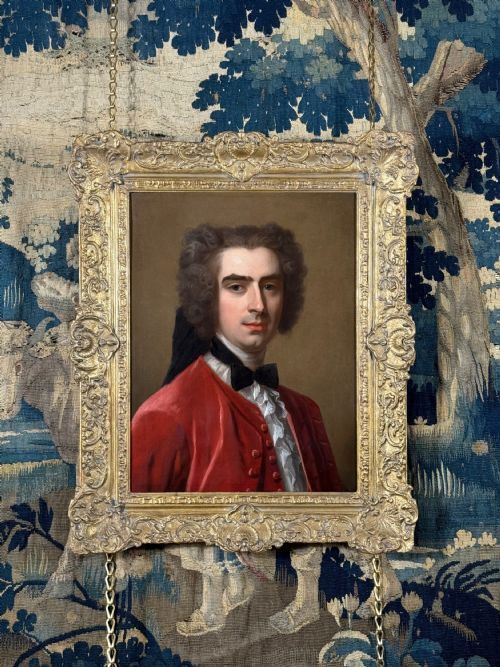
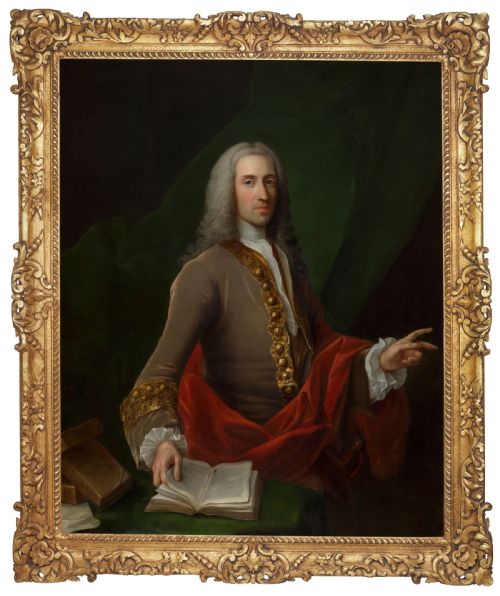
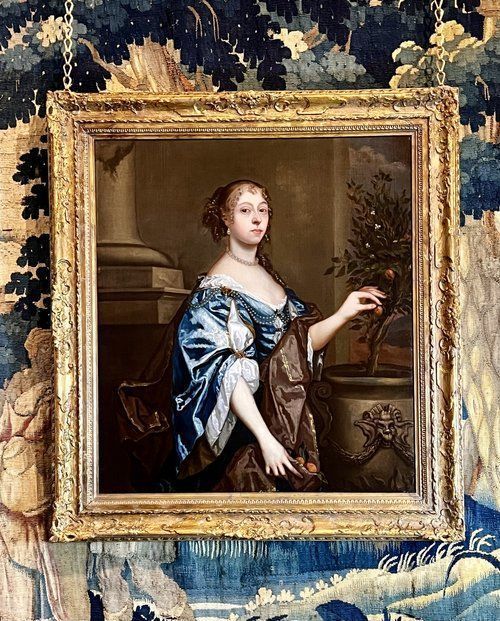
Gold leaf oil portraits bring centuries of portraiture into focus through the interplay of oil paint on canvas and gilded wood surrounds.
Gold Leaf Oil Portraits
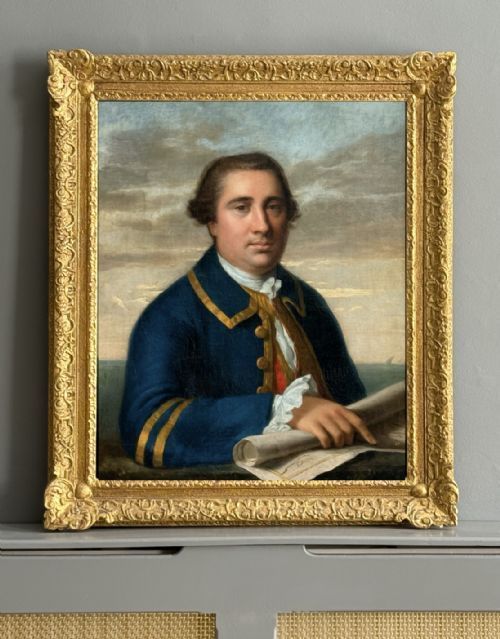
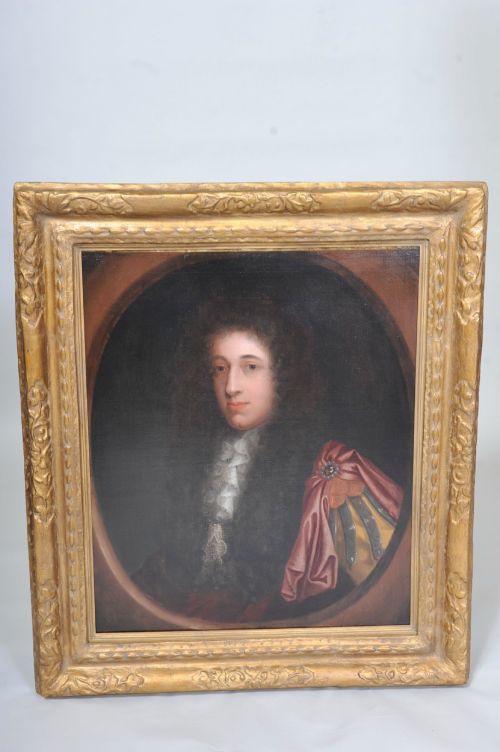
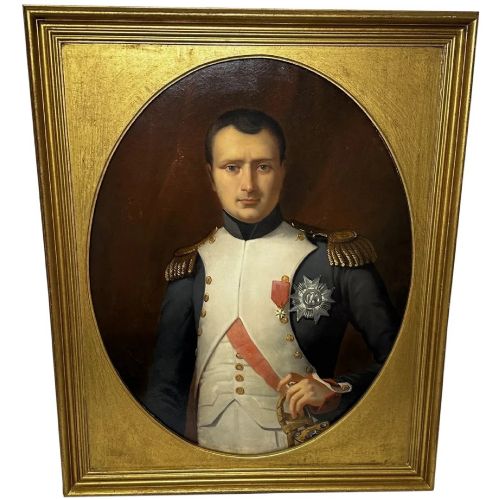
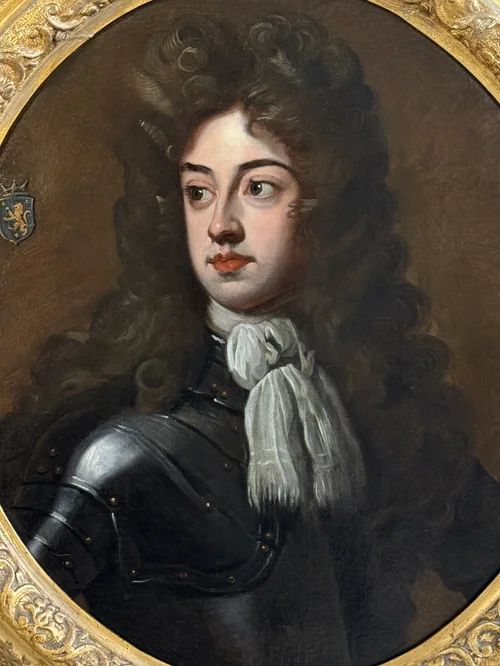
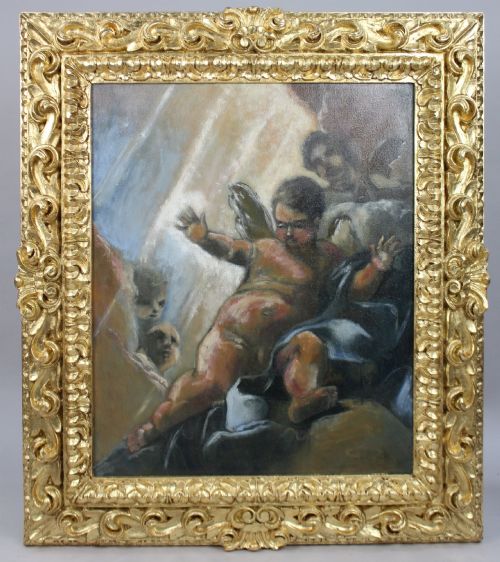
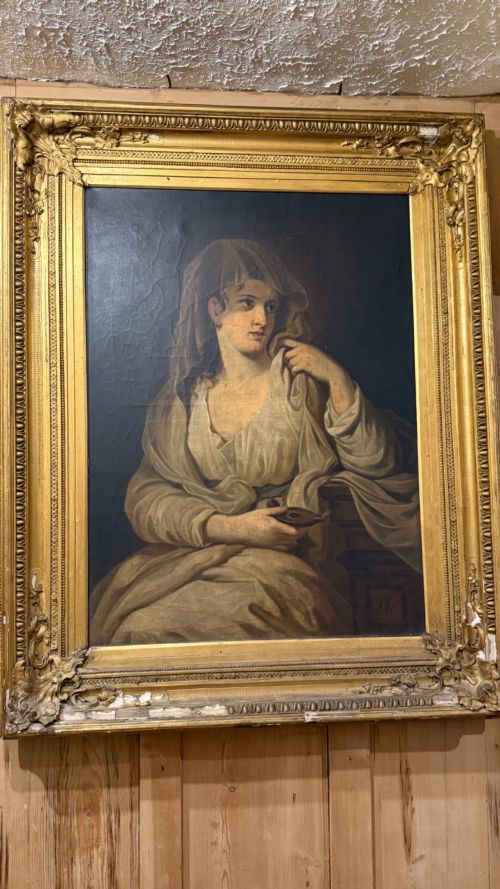
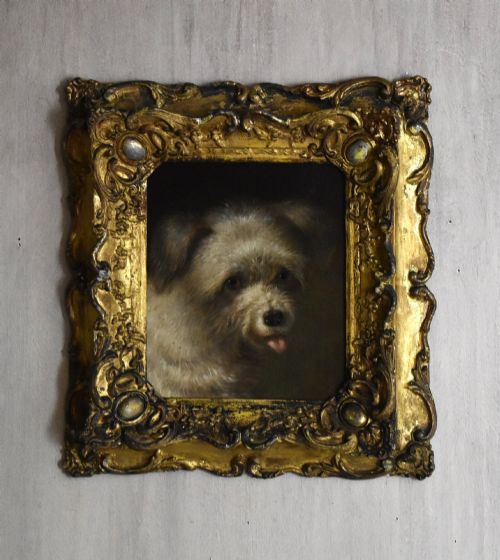
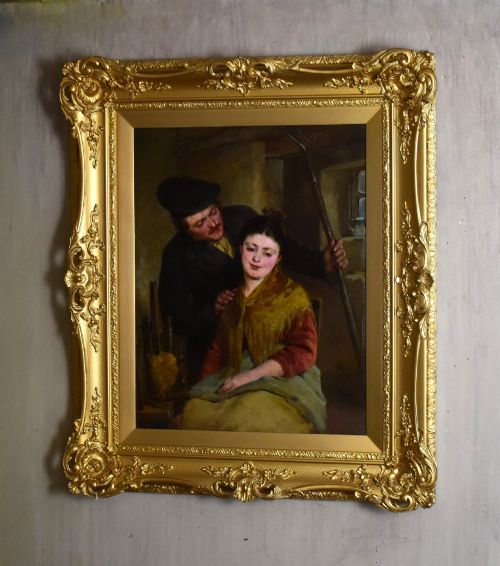
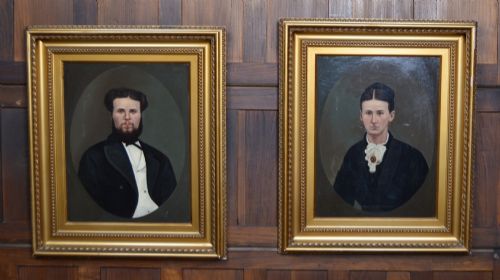
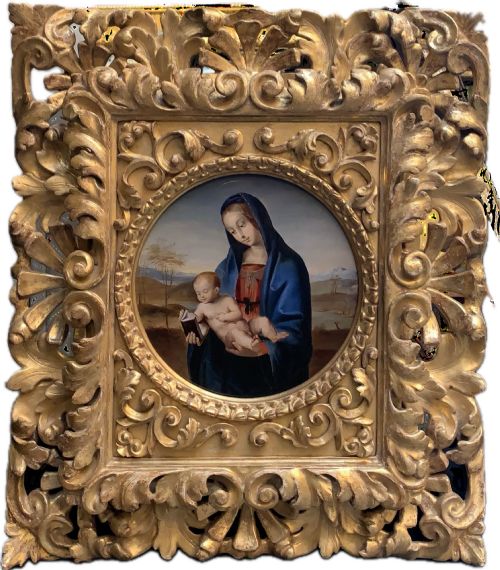
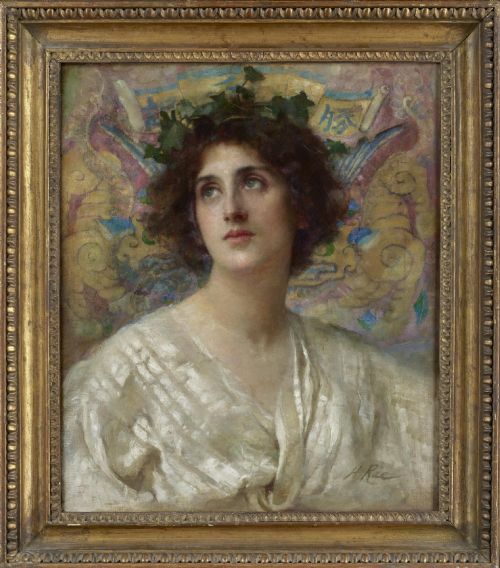
Gold leaf oil portraits combine painted portraiture on canvas with ornate frames finished in giltwood, gesso, and gold leaf. These works span from the 17th century through the 19th century, featuring subjects from nobility to everyday figures captured in oil paint.
The pieces on this page lean heavily toward British and European portraiture executed during the Georgian, Regency, and Victorian periods. Alongside formal portrait paintings, buyers encounter genre scenes and historical works housed within their original or period-matching frames.
Makers and schools represented range from 18th-century French portraitists to 17th-century English masters. The common thread uniting these artworks is the physical pairing of a traditional oil painting with a metallic leaf surround that catches and reflects ambient light.
Materials and Construction
Artists painted primarily with oil paint on stretched canvas or occasionally wood panels, building up layers of pigment to achieve depth and skin tones. The preparation involved sizing the canvas with glue and priming it with gesso before applying the oil colours.
Frames were constructed from timber such as wood, then coated with layers of gesso to create a smooth surface for gilding. Artisans applied thin sheets of gold leaf over a bole base, burnishing the metal to a brilliant shine where required.
Carved details on frames utilised wooden mouldings or applied composition ornaments. The combination of oil on canvas and gilded gesso wood creates a substantial weight and a distinct visual boundary for each portrait.
Listings feature oil paintings spanning from the 17th century through the mid-20th century, utilising materials including gesso, giltwood, and canvas.
Assessing Quality in Portraits and Frames
Frame craftsmanship contributes significantly to the overall integrity of the piece, with hand-carved giltwood outperforming moulded composition frames in definition and depth. The harmony between the painting and its frame indicates whether they originated together or were paired at a later date.
Condition plays a role in evaluation, including the stability of the canvas, the presence of original or period gilding, and the extent of past restoration work. Intact gesso ornamentation and stable paint layers without extensive cracking elevate the standing of an artwork.
Jean-Baptiste Van Loo·Jeremiah Davison·Pieter Borsseler·Lemuel Francis Abbott·Sir Godfrey Kneller·John Greenhill·George Watson·Theodore Jensen·William Etty·Edgar Hunt
The Gold Leaf Oil Portraits Glossary
- Gesso
- A chalk or plaster mixed with glue binder used to coat wooden frames before gilding. This mixture provides a smooth, absorbent base for the application of gold leaf.
- Giltwood
- Wood that has been coated with gold leaf or gold paint for decorative effect. It forms the primary structural and visual material of the frames housing these portraits.
- Oil on Canvas
- Pigments bound in a drying oil applied to a woven fabric support stretched over a wooden frame. This medium allowed artists to blend tones smoothly and work over longer periods.
- Baroque
- An artistic style prevalent from the 17th to mid-18th century characterised by drama, rich detail, and grand scale. Portraits from this era often feature dynamic lighting and theatrical poses.
- Victorian Realism
- An artistic approach from the 19th century focusing on accurate, unidealised depiction of everyday subjects and contemporary life. These works capture textures and lighting with fidelity.
Gold Leaf Oil Portraits: Frequently Asked Questions
How do I care for an oil portrait?
Keep the painting away from direct sunlight and steady humidity levels to prevent the canvas from sagging or cracking. Dust the surface and the gilt frame gently with a soft, dry brush without applying pressure.
Avoid using liquid cleaners or chemical solvents on either the oil paint or the gold leaf. Professional conservation should be sought if the canvas requires cleaning or re-stretching.
Are these frames original to the paintings?
Many portraits retain their original or period-appropriate frames, while others have been paired with compatible antique surrounds over time. Examining the fit at the back and the wear on the gilding helps determine the history of the pairing.
Matching frames of the same century often complement the aesthetic of the artwork even if they were united later. Both period-matched and original framings are documented in the listing details.
How do I identify the period of a portrait?
Clothing styles, hairstyles, and accessories offer the most reliable clues for dating portrait subjects. Men and women dressed according to the prevailing fashions of their decade, whether the elaborate wigs of the 18th century or Victorian attire.
Frame construction and canvas preparation techniques also provide supporting evidence for the date of creation. Comparing the stylistic markers of the painting with known works helps narrow down the era.
What is the difference between school and artist works?
Paintings attributed to a specific school represent the style and working methods of a region or period without a confirmed master signature. These works reflect the broader artistic standards of workshops active at that time.
Signed works or pieces attributed directly to a named painter carry firmer provenance and documented authorship. Both categories offer historical insight into portraiture traditions.