
Pair Victorian Portraits
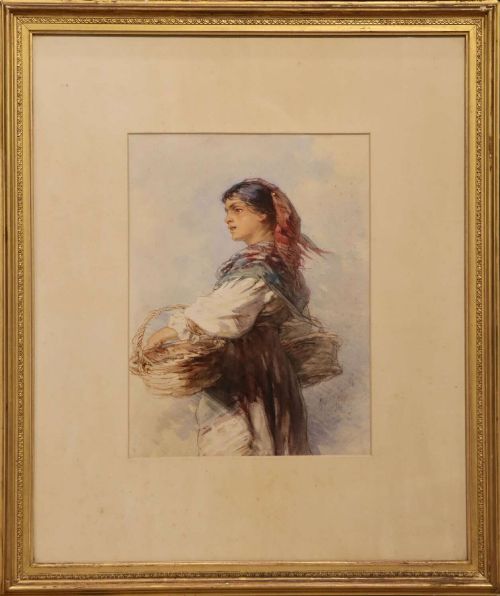
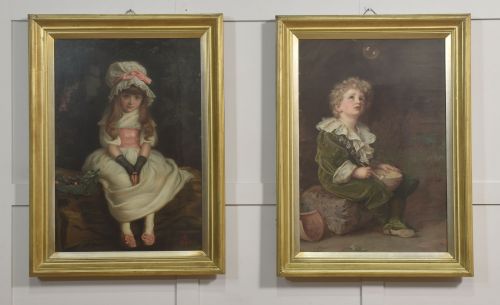
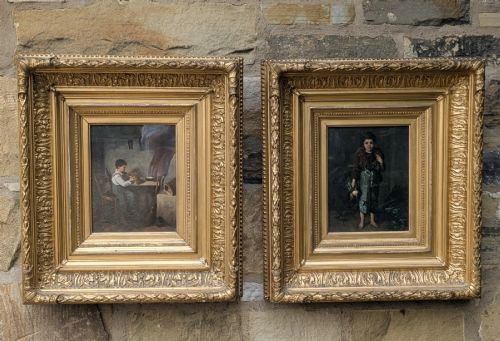
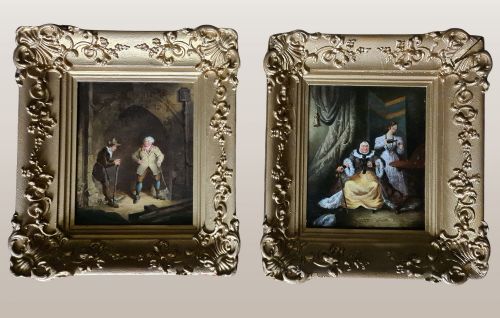
These pair victorian portraits capture faces from the nineteenth century in matched sets.
Pair Victorian Portraits
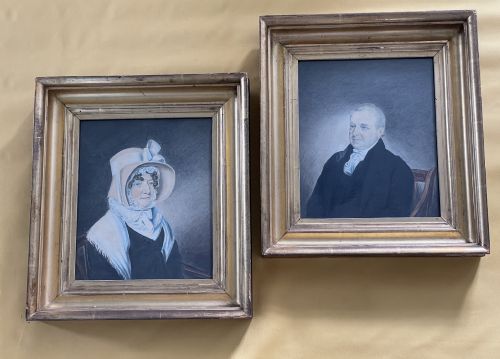
When you search for pair victorian portraits, you find matched sets of two likenesses created during the nineteenth century. These items appear in various mediums, from oils on canvas to watercolours, silhouettes, and pottery figures.
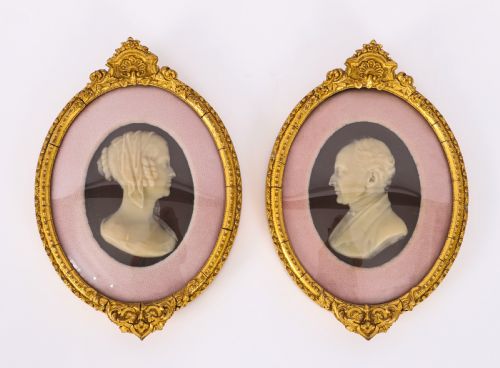
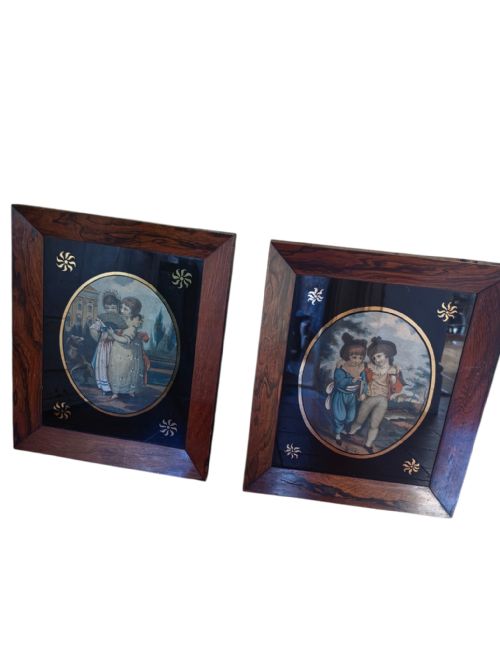
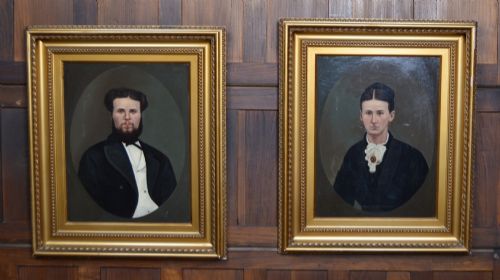
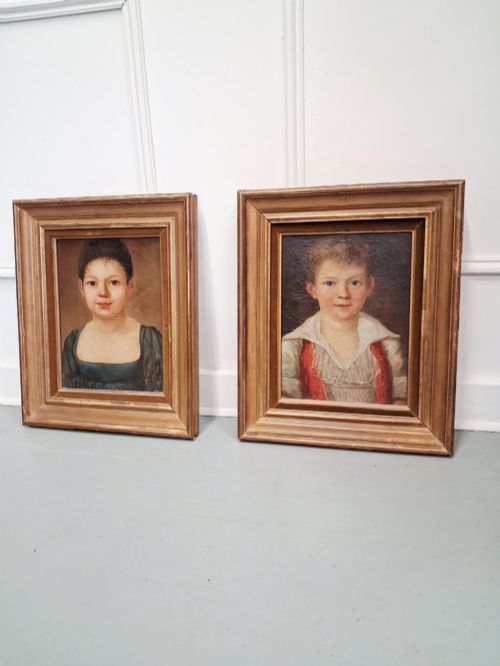
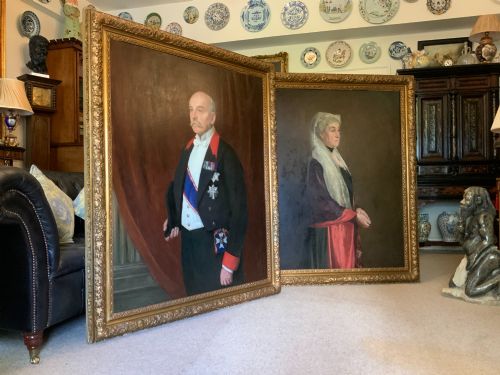
The version you are most likely to meet on this page includes oil paintings on canvas or panel, frequently housed in original gilt or rosewood frames. Such works often depict couples, historical figures, or children, preserving nineteenth-century identities in unison.
Materials and Technique
Artists painted oil on canvas or board using layered pigments, while others worked in watercolour on paper or cut delicate silhouettes by hand. Wood and giltwood provided the primary support for heavy frames, complemented by gold leaf finishes.
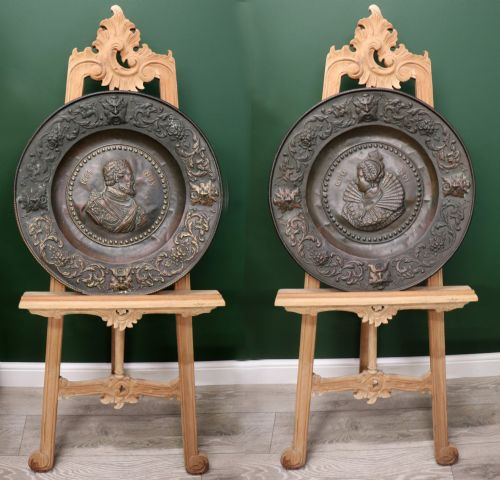
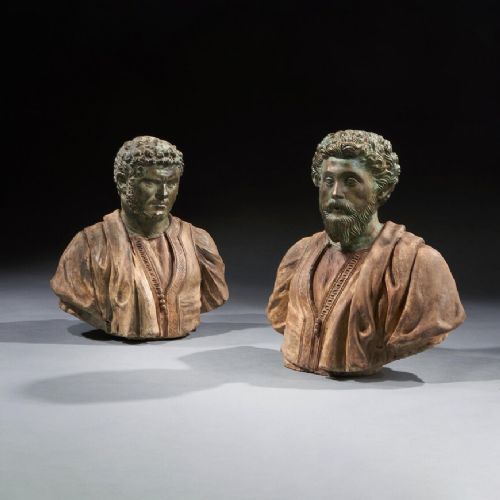
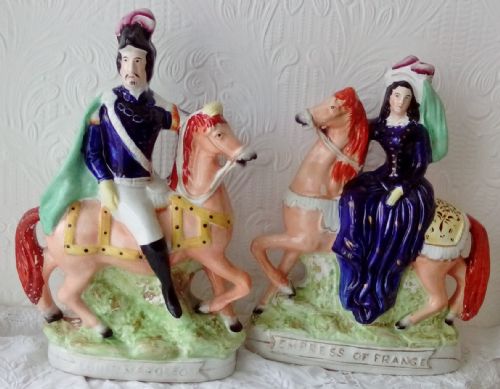
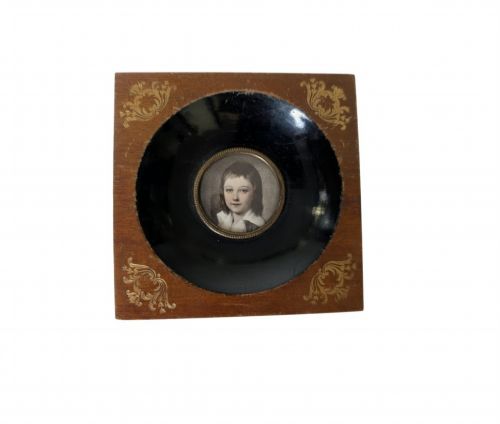
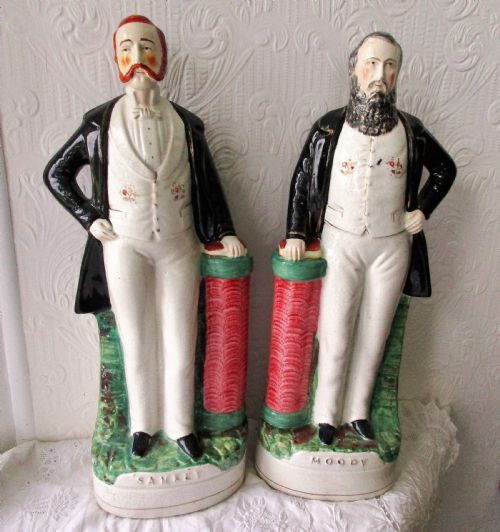
Makers also cast portraits in iron, bronze, and white metal, or moulded them in Staffordshire pottery. Relief techniques in wax and carved mahogany further demonstrate the period's diverse methods for capturing human likeness.
Some nineteenth-century subjects include Roman emperors and soap advertisements, proving that historic homes embraced both high art and clever marketing.
Assessing Quality
The distinction between ordinary and superior pieces rests on the precision of the draughtsmanship and the depth of psychological character captured in the face. Masterly brushwork or carving brings subjects to life, whereas lesser works rely on stiff repetition and flat planes.
Original framing plays a role, as matching period frames in good condition elevate the pair. The handling of light, shadow, and proportion distinguishes accomplished studio works from simple naive pieces.
Guido Bach·Theodore Jensen·Hermann Armin Kern·Gustav Grohe·Henry Frederick Lucas-Lucas·Eva Hollyer·George Smith·Ida Hooper
The Pair Victorian Portraits Glossary
- Giltwood
- Wood that has been coated with a thin layer of gold leaf or gold paint. This technique was widely utilised on nineteenth-century picture frames to create a reflective, decorative border.
- Silhouette
- A solid dark image of a profile against a light background, usually cut from paper or painted. These items offer a clean, minimalist form of personal representation.
- Grisaille
- A painting executed entirely in shades of grey or neutral greyish-brown. This method often mimics the appearance of sculpture.
- Staffordshire Pottery
- Earthenware figures and plaques produced in the potteries of Staffordshire. These pieces frequently commemorated royalty, military leaders, and public figures.
- Provenance
- The documented history of ownership of an antique. Knowing the origin helps confirm authenticity and age.
Pair Victorian Portraits: Frequently Asked Questions
What do pair victorian portraits usually depict?
These pieces typically portray couples, family members, or historical personages intended to be displayed together. The subjects range from commissioned likenesses of gentlemen and ladies to literary figures and rulers.
Artists frequently created them to commemorate marriages, alliances, or personal bonds. This dual format ensures balanced symmetry when hung on a wall.
How should I care for oil portrait pairs?
Keep painted canvases away from direct sunlight and steady extremes of room temperature. This prevents the oil paint and canvas from drying out or cracking over time.
Dust frames gently with a dry, soft cloth and avoid chemical cleaners. Stable indoor climates preserve both the canvas support and the original gilt finish.
Are these portraits always painted in oils?
While oil on canvas forms a large share of the selection, makers utilised many other mediums. You encounter watercolours, engravings, cast iron plaques, carved mahogany, and pottery figures.
Each medium offers a distinct visual texture, from the fine detail of miniatures to the solid presence of metal reliefs.
How can I tell if the frames are original?
Examine the joinery at the corners, the type of wood, and the wear patterns on the gilt or rosewood surface. Period framing typically shows consistent age-appropriate oxidation and matches the physical dimensions of the artwork.
Later replacements often display mismatched dimensions or modern fixings at the back. Original frames complement the artistic style of the nineteenth-century period.