


Gold Leaf Gesso Mirror
A gold leaf gesso mirror brings warmth and reflective depth to a room through centuries-old decorative traditions.
Gold Leaf Gesso Mirror
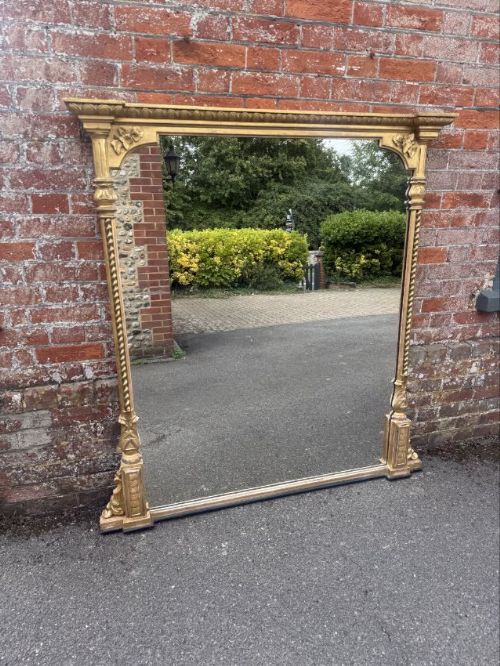
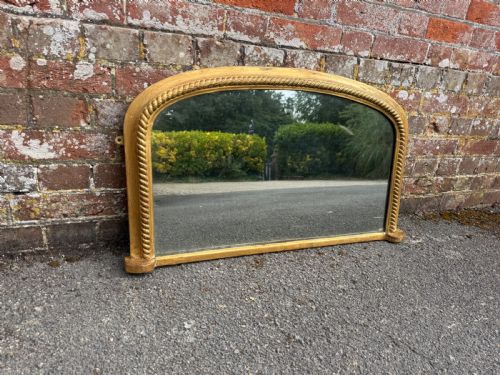
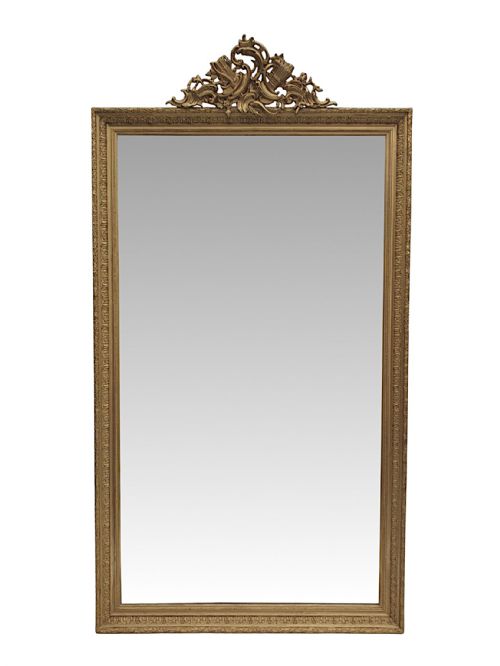
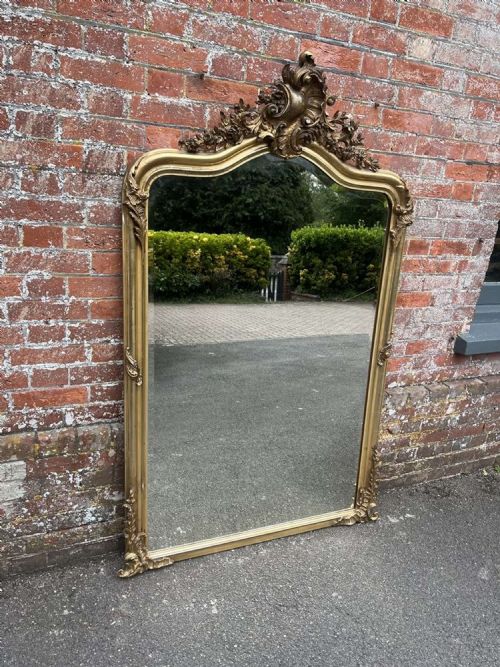
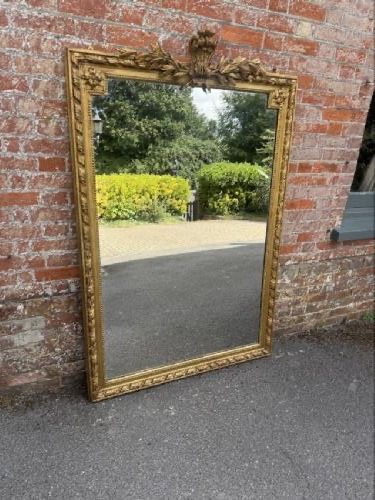
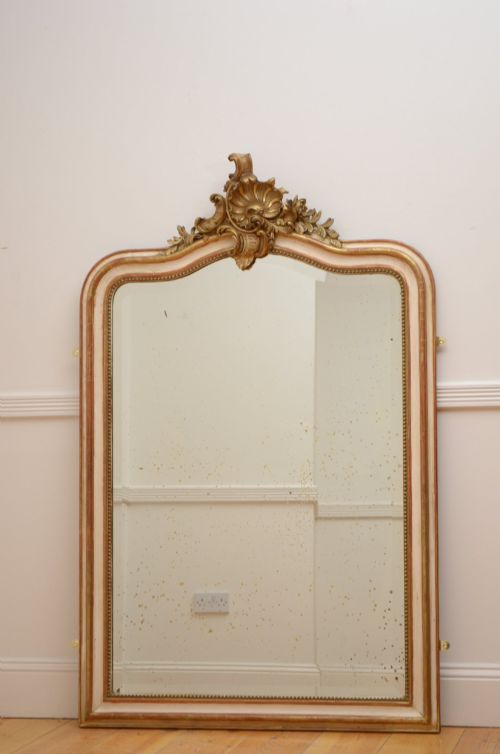
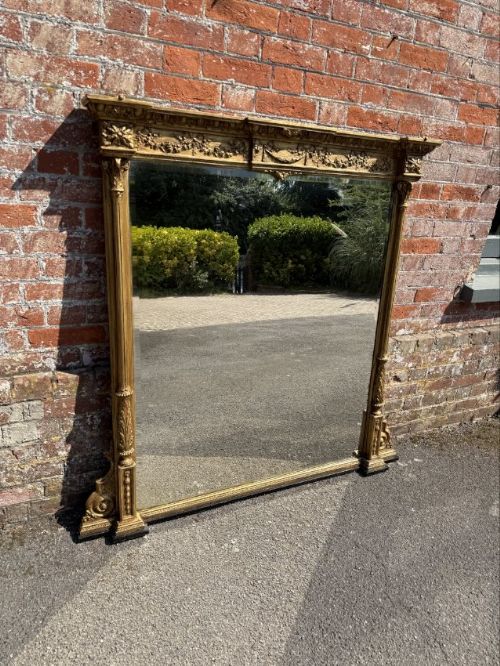
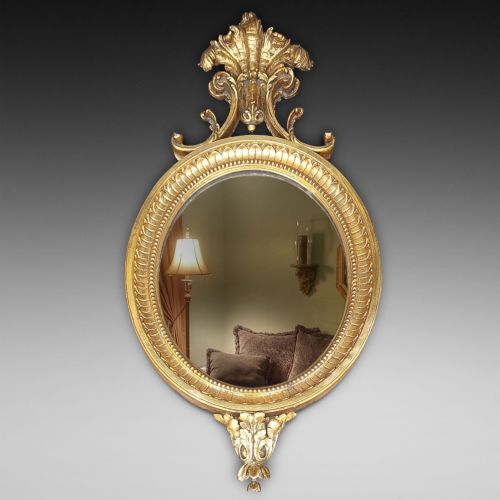
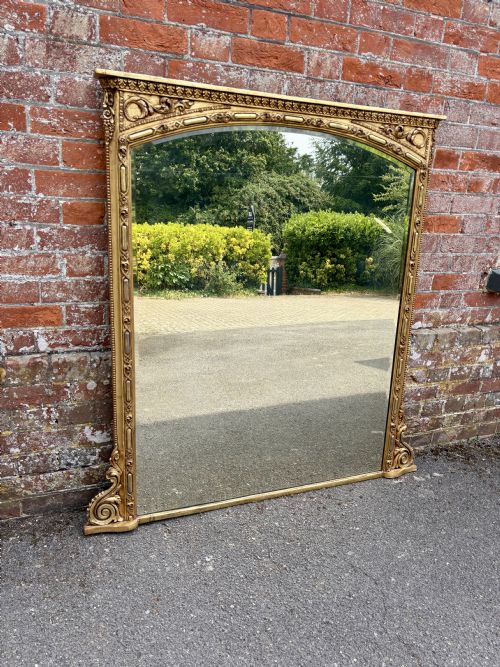
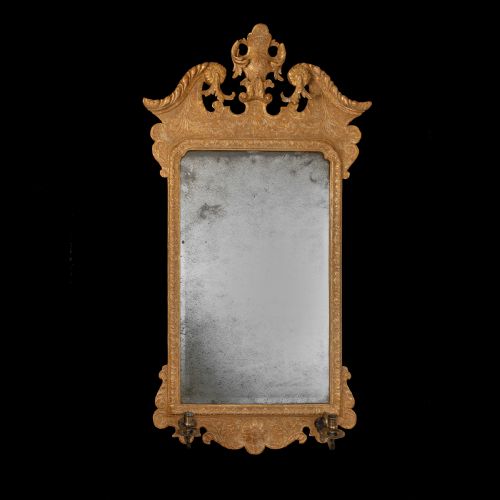
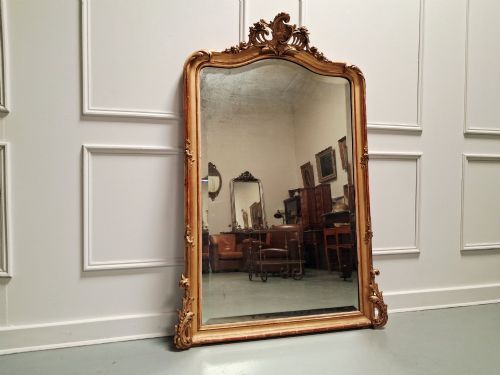
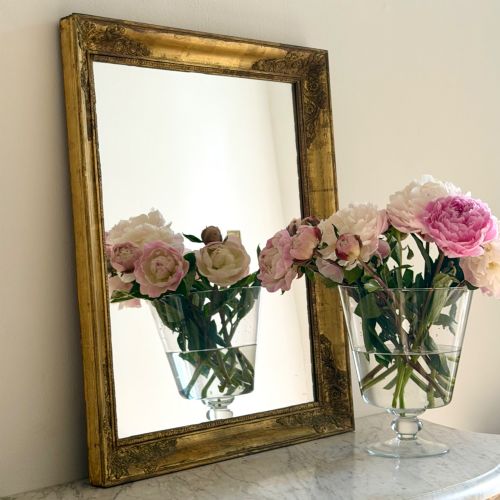
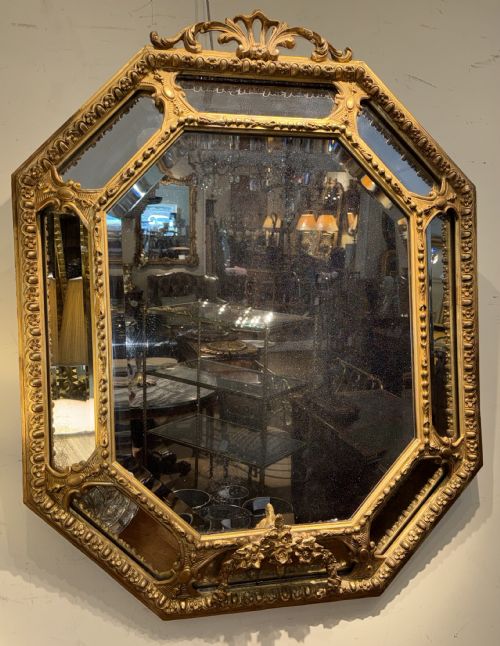
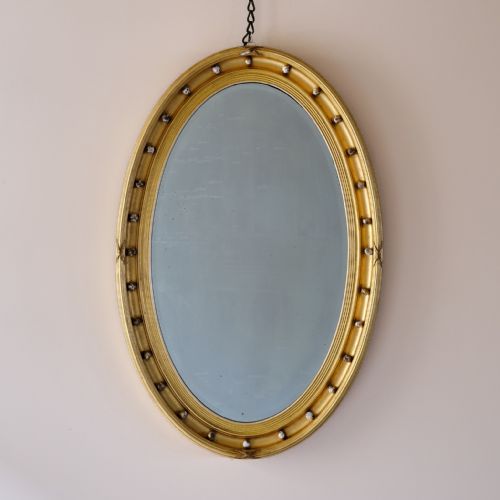
A gold leaf gesso mirror combines a wooden foundation with a detailed surface coating designed to catch the light. When searching for a gold leaf gesso mirror, buyers encounter grand overmantel designs, smaller wall mirrors, and dressing table toilet mirrors from various periods. English and French pieces from the nineteenth century dominate the selection, often featuring arched tops or rope-twist frames.
The styles span from revived eighteenth-century George II and Regency aesthetics to Victorian and Napoleon III interpretations. Overmantel mirrors intended for placement above fireplaces appear frequently alongside shaped top wall mirrors. These objects function simultaneously as practical reflective glass and ornate wooden sculpture.
What Varies in Quality
The crispness of the carved wood and the depth of the gesso relief distinguish finer examples from simpler production pieces. Skilled hands produced sharper undercutting in the foliage and cleaner lines in architectural mouldings, whereas lesser work appears softer and shallower.
The richness of the gold leaf application and the preservation of the original gilded surface significantly influence the character of a piece. Examples that retain their early gilding without heavy overpainting demonstrate superior historical integrity and visual presence.
The selection includes pieces spanning the eighteenth, nineteenth, and early twentieth centuries, featuring French and English design influences.
John Belchier
The Gold Leaf Gesso Mirror Glossary
- Gesso
- A fine plaster mixture applied to carved wood frames to create a smooth, buildable surface for subsequent carving and gilding. This foundational layer allows artisans to achieve sharp relief details.
- Giltwood
- Timber that has been coated with gold leaf or metallic powder to simulate solid gold. It forms the primary structural and visual base for these decorative mirrors.
- Overmantel Mirror
- A large mirror specifically proportioned to hang above a fireplace mantelpiece. These pieces often feature wide horizontal formats and arched or shaped tops.
- Rococo Revival
- A nineteenth-century design movement inspired by the asymmetrical curves, scrolls, and natural motifs of the eighteenth-century French Rococo style. Frames from this aesthetic display exuberant leaf and shell ornamentation.
- Mercury Plate
- An early type of mirror glass silvered using a mercury and tin amalgam rather than modern chemical processes. It frequently exhibits a characteristic mottled grey patina.
Gold Leaf Gesso Mirror: Frequently Asked Questions
Where should I hang an overmantel mirror?
These large mirrors traditionally sit directly above a fireplace mantelpiece to anchor the room's main wall. Their generous proportions also suit placement above large sideboards or as standalone leaners against principal walls.
Ensure the wall construction safely supports the substantial weight of carved wood and glass. Secure the frame using appropriate fixings suited to the specific wall type.
How do I clean a giltwood and gesso frame?
Dust the carved surfaces gently with a soft, dry brush to prevent accumulation in the intricate recesses of the gesso. Avoid applying water, liquid cleaning solutions, or chemical solvents to the gold leaf.
Moisture can penetrate the gesso ground and cause the delicate surface to lift or flake away from the wooden core. Gentle, dry maintenance preserves the fragile metallic finish.
How can I tell a nineteenth-century mirror from an earlier piece?
Nineteenth-century interpretations often adopt heavier proportions and machine-assisted framing methods alongside traditional hand carving. Stylistic revivals from this era frequently blend George II or Regency motifs with Victorian scale.
Earlier eighteenth-century examples display distinct joinery techniques, hand-wrought fixings, and early mercury plates. Examining the backboards and construction pins provides clear clues to the exact manufacturing era.
Can these mirrors be used in bathrooms?
The high humidity and moisture present in bathrooms pose a significant risk to historic gesso and gold leaf surfaces. Dampness softens the traditional plaster ground and accelerates the deterioration of the underlying wood and glass silvering.
Keep these antique pieces in dry living areas, hallways, or bedrooms where environmental conditions remain stable. This protects both the structural integrity of the timber and the original gilding.