


Gold Hanging Light
A gold hanging light brings warmth and illumination to a room, offering brass, bronze, and crystal forms from the nineteenth and twentieth centuries.
Gold Hanging Light
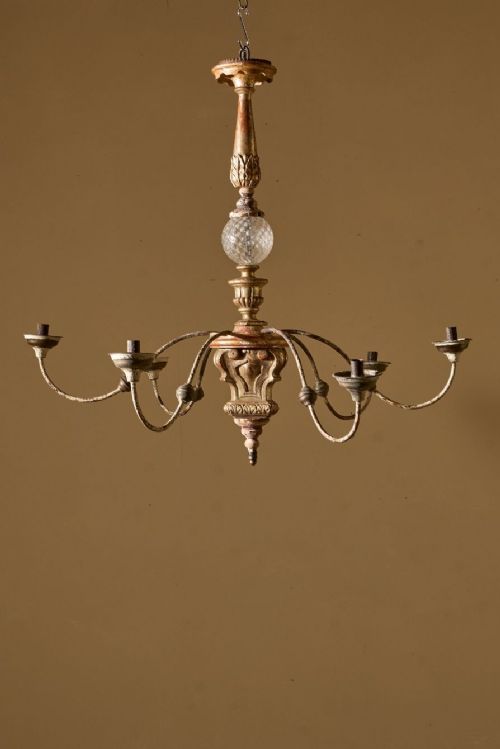
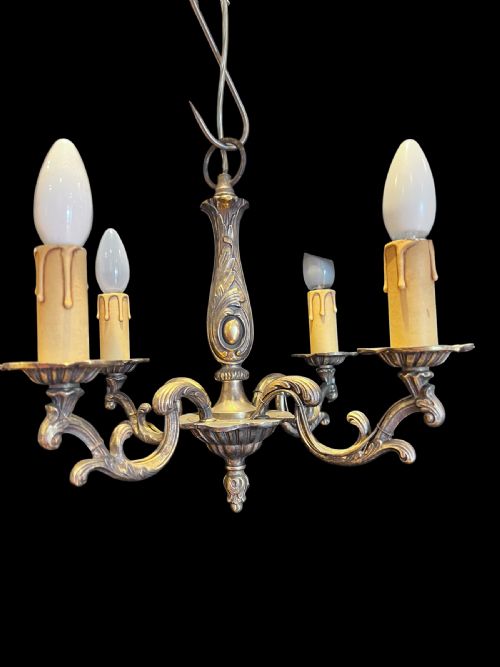
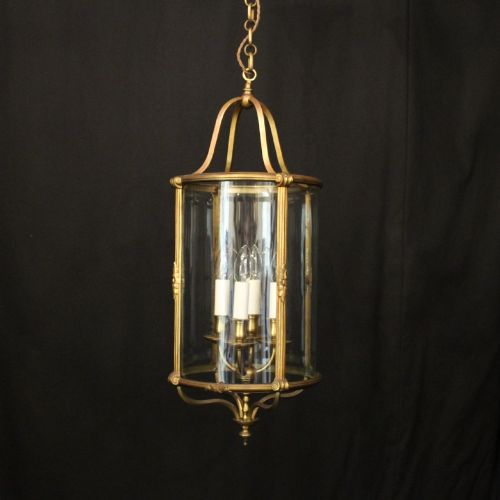
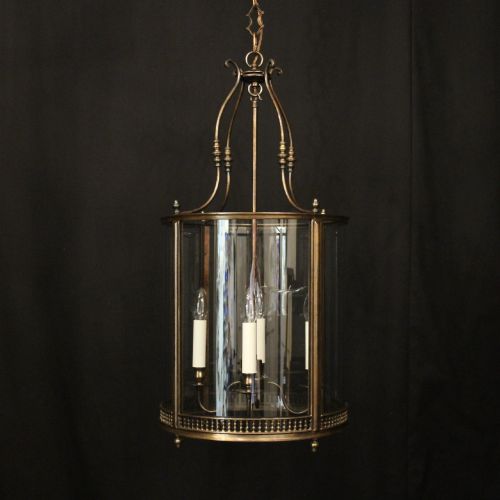
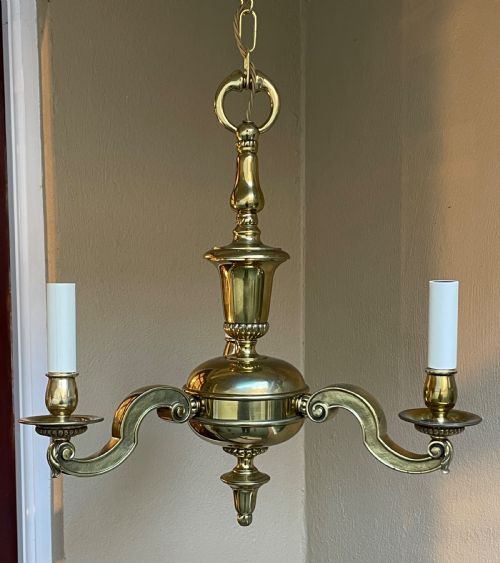
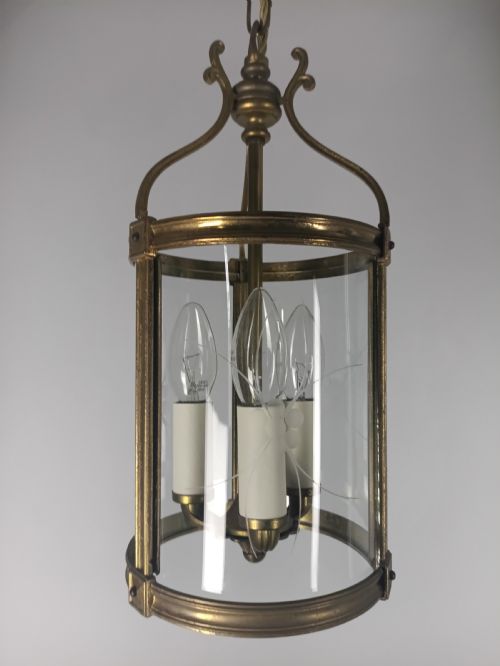
When searching for a gold hanging light, buyers encounter a variety of antique chandeliers, hall lanterns, and pendant lights originating mostly from French and English workshops. These fixtures span periods from the mid-nineteenth century through the Edwardian era and into the 1920s and 1930s.
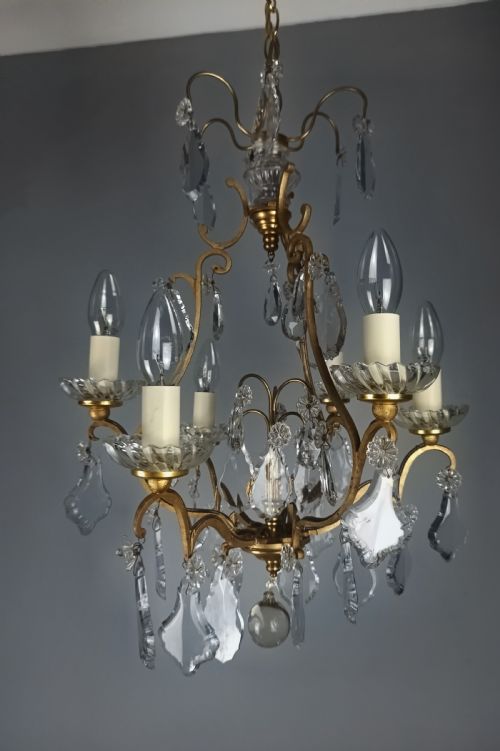
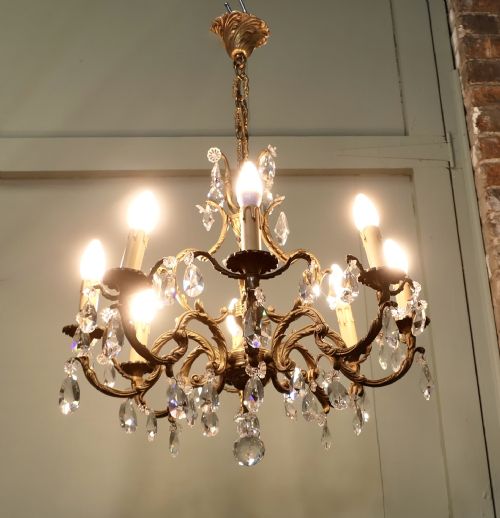
Buyers are most likely to meet French gilded brass or bronze light fixtures adorned with crystal lustres and prisms. These pieces range from single-light entries to monumental multi-branch chandeliers designed for principal rooms.
How They Were Made
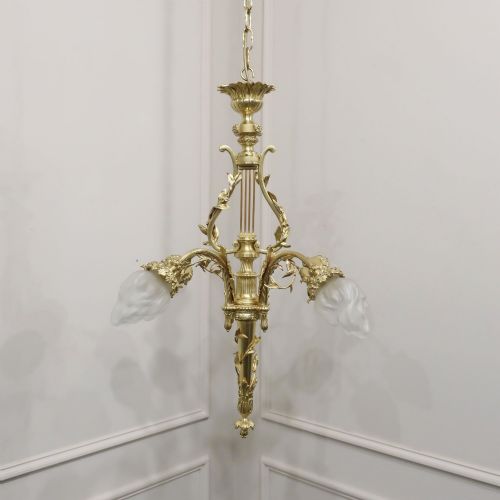
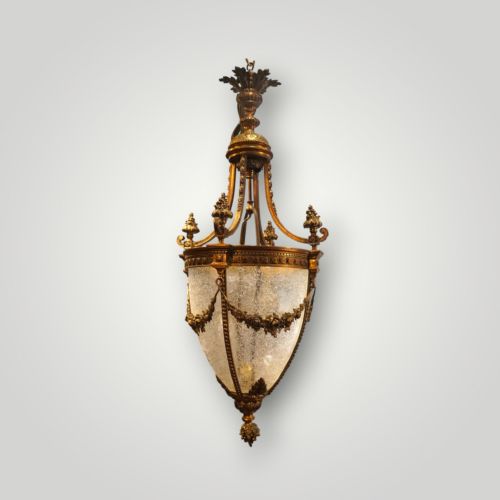
Craftsmen built these light fittings using cast brass, gilt bronze, and gilded metal frameworks to achieve lasting structure and rich metallic surfaces. Frames often incorporated intricately moulded brass branches, coronets, and structural ribs supporting glass panels or open candle arms.
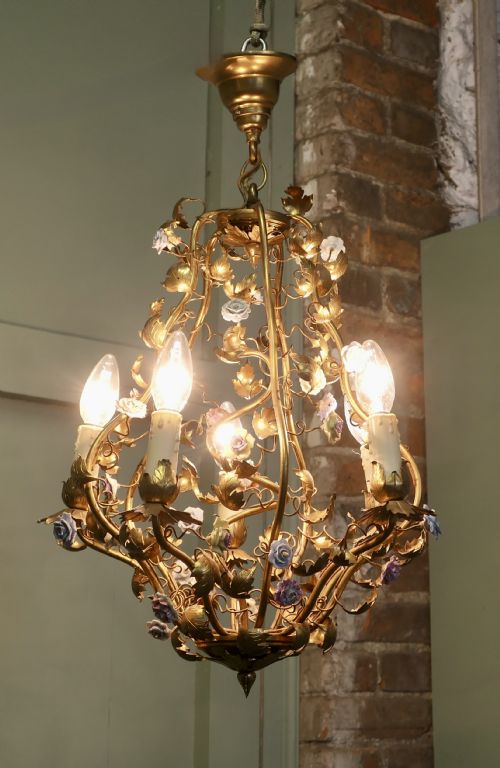
Crystal lustres, teardrops, and etched glass panes were integrated to refract and amplify the illumination from candles or early electric bulbs. Selected pieces also introduced tolewear elements and painted ceramic flowers for added decorative texture.
Some lanterns feature doors that open, originally designed for easy access to light and snuff candles inside.
What Varies in Quality
The refinement of the casting and chasing distinguishes the finest metalwork from standard production, particularly in the crisp detail of gilt bronze ornaments and mounts. Superior pieces display deeply textured foliage, precise symmetry, and well-executed joinery across the frame.
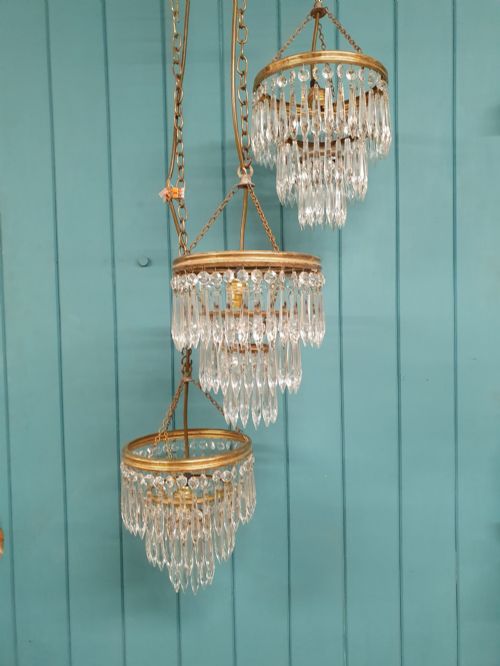
The grade and completeness of the suspended crystal components also determine quality. Uniform clarity in the glass lustres, original etched panels, and intact prismatic drops indicate a higher standard of manufacture.
The Gold Hanging Light Glossary
- Chandelier
- A branched ornamental light fixture suspended from the ceiling. These hold multiple candles or bulbs distributed across arms.
- Hall Lantern
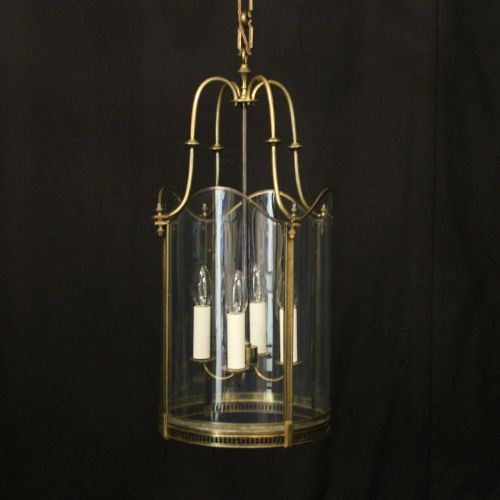
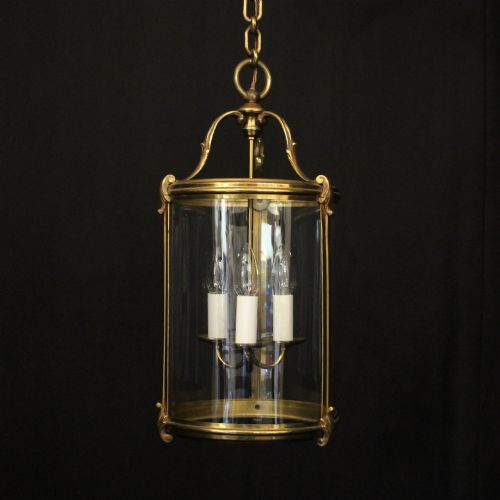
- An enclosed hanging light designed specifically for entranceways and corridors. They frequently feature glass panels set within a brass or bronze frame.
- Gilt Bronze
- An alloy of copper and zinc treated with gold gilding, often termed bronze dore. This material provides a durable base for ornate decorative casting.
- Lustre
- A cut glass or crystal pendant suspended from a chandelier to reflect light. Lustres appear in various shapes including teardrops and prisms.
- Tolewear
- Enamelled or painted sheet metal used to form decorative elements such as floral motifs on light fittings. It brings colour and varied texture to the metallic framework.
- Pricket
- A sharp spike on a candlestick or chandelier designed to impale a wax candle. This form appears on earlier ecclesiastical and traditional lighting.
Gold Hanging Light: Frequently Asked Questions
How do I hang a heavy antique lantern safely?
Suspension requires fixing directly into ceiling joists or using a reinforced pattress block capable of supporting the weight of cast brass and crystal. Professional installation ensures the electrical wiring and ceiling hook match the load.
Weight distribution matters greatly with monumental pieces like large bronze chandeliers or hexagonal hall lanterns. Distribute the load securely before attaching decorative ceiling roses.
Are these lights wired for modern electricity?
Many period hanging lights arrive electrified for modern use, though rewiring may be required to meet current safety standards. A qualified electrician can adapt older brass and bronze fittings safely.
Internal wiring runs discreetly through the central channels of the frame and arms. This preserves the visual appearance of the antique metalwork.
How do I clean crystal lustres?
Remove glass drops gently from the frame and wash them in warm soapy water using a mild detergent. Dry each piece thoroughly with a soft cloth before rehanging.
Leaving the lustres in place during cleaning risks damaging the surrounding gilt bronze or brass framework. Take care around fragile tolewear and ceramic floral details.
What is the difference between a chandelier and a hall lantern?
Chandeliers feature open branches radiating outwards to support multiple light points without protective exterior glass walls. They suit principal living spaces and dining rooms.
Hall lanterns enclose the light source within glass panels or a framed box shape designed for narrow corridors and entryways. They protect the flame or bulb from drafts.