


Antique Entryway Light
An antique entryway light sets the tone for a home, casting a warm glow through glass and metal as visitors step inside.
Antique Entryway Light
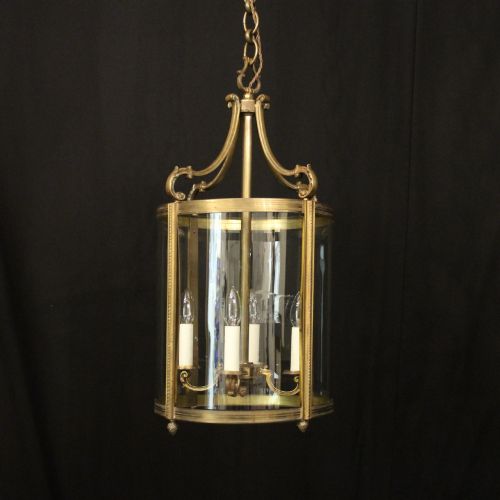
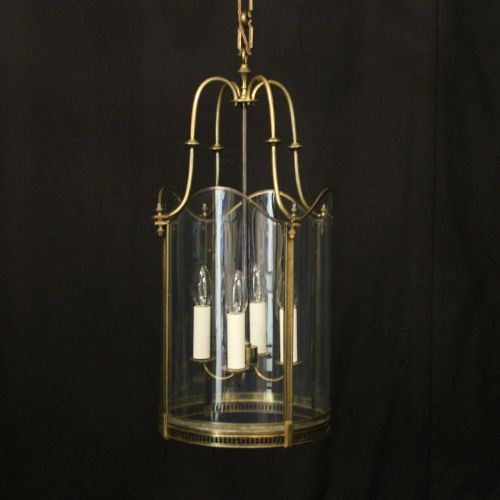
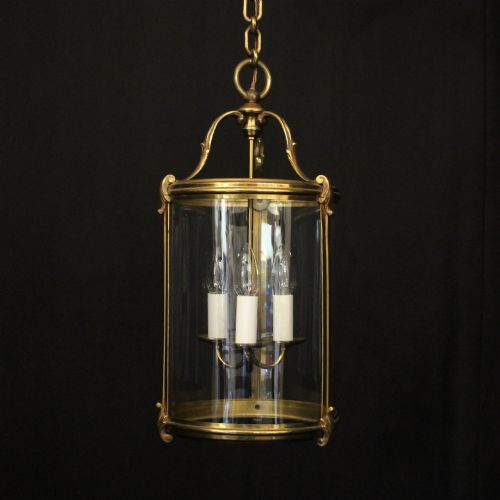
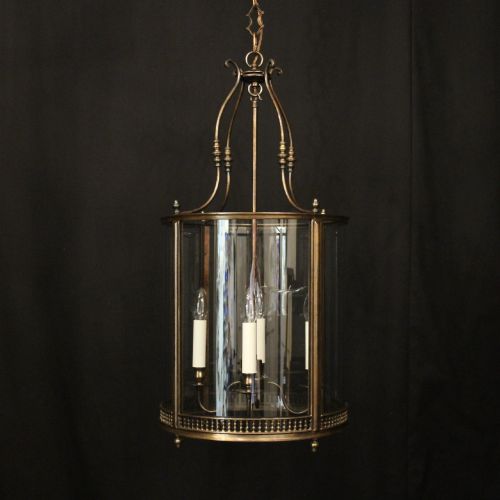
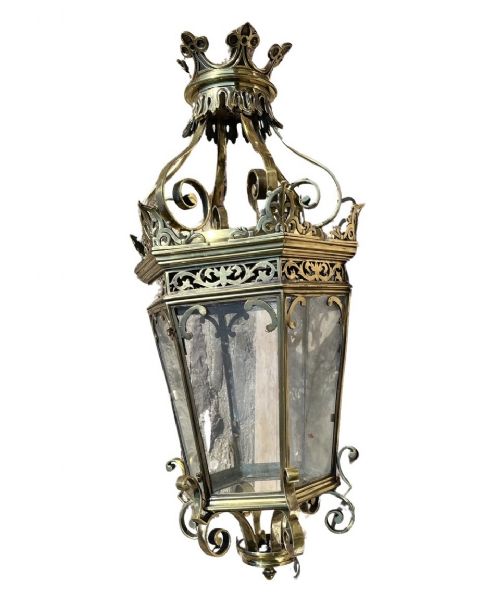
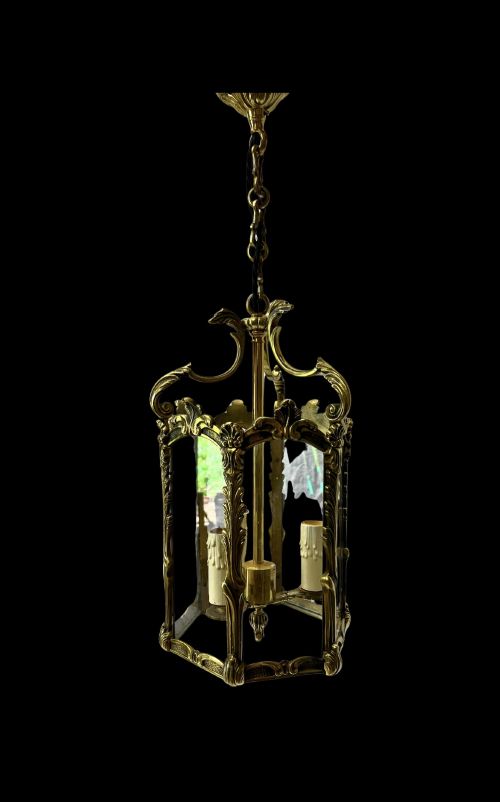
An antique entryway light encompasses hanging fixtures, hall lanterns, and porch lights designed to illuminate passages and corridors. These fixtures originate from various periods including the Victorian era, the Edwardian period, and the early twentieth century.
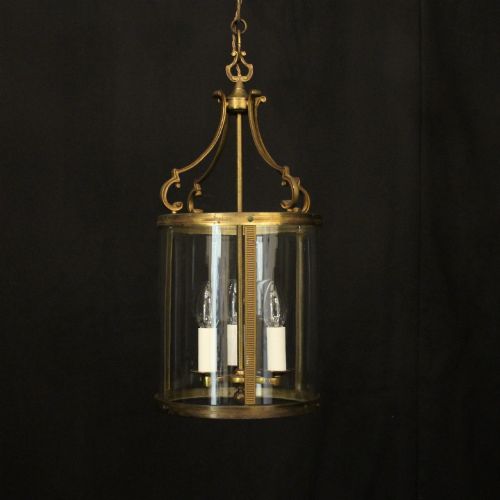
Convex glass panels and multi-light configurations appear frequently among the hanging lanterns. Buyers encounter both single-light drops and substantial triple or quadruple light arrangements suited to high ceilings.
Materials and construction methods
Makers utilised cast and wrought metals, shaping brass, bronze, copper, and iron into structural frames and decorative mounts. Gilt finishes in gold or silver tones frequently coat the bronze and brass surfaces.
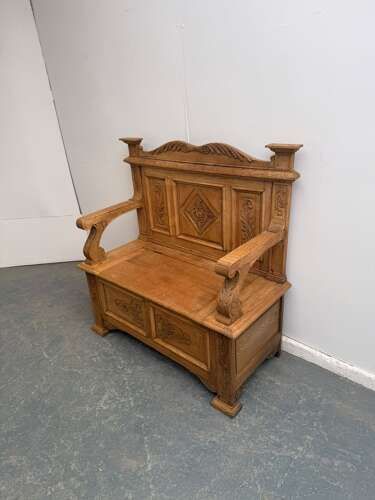
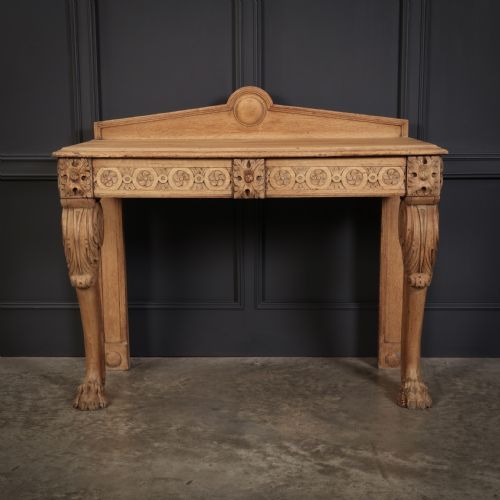
Glass panels, sometimes curved into convex shapes, fit securely within the metal frameworks to enclose the light source. Oak and other timbers appear in associated hallway furniture using carved and waxed techniques.
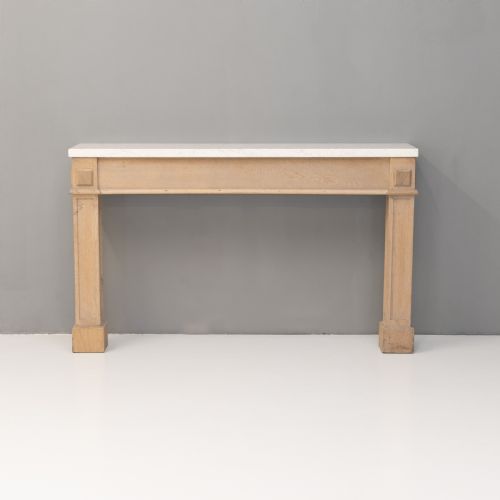
Keep an eye out for hidden green man carvings peering from sturdy oak hall tables.
Distinctions in quality
Quality differentiates itself through the weight and crispness of the metal casting, particularly in the chased details of bronze and brass frames. Finer pieces display substantial metal thickness and precise joinery around the glass panes.
The finish longevity and the sophistication of the glass shaping also separate standard examples from superior ones. Convex glass demands careful craftsmanship to achieve uniform curvature and clear optics.
The Antique Entryway Light Glossary
- Hall lantern
- A hanging light fixture designed specifically for entrance halls and corridors, usually featuring glass panels enclosed in a metal frame.
- Convex glass
- Curved glass panels that project outward, frequently utilised in French lanterns to diffuse light across a wider angle.
- Gilt bronze
- Bronze metal treated with a thin layer of gold or gold-coloured alloy, providing a luminous surface finish.
- Wrought iron
- Iron shaped by heating and hammering, common in Arts and Crafts and Gothic Revival structural metalwork.
- Console table
- A table designed to stand against a wall in an entryway, often paired with a matching wall or ceiling light.
Antique Entryway Light: Frequently Asked Questions
How do I hang a heavy bronze lantern?
Hanging a heavy bronze or brass lantern safely requires anchoring directly into ceiling joists or using a rated ceiling hook capable of supporting the dead weight.
Professional electrical installation ensures the internal wiring matches modern safety standards while preserving the original suspension loop and chain.
What periods do these hall lanterns represent?
The lighting fixtures span from the nineteenth century through the Edwardian era and into the nineteen-twenties and thirties. French chateau and Arts and Crafts influences appear regularly among these dates.
Earlier nineteenth-century examples often feature simpler iron or brass work, while later pieces adopt elaborate gilded bronze frames.
Can I use modern bulbs in these fixtures?
Most antique fixtures accept modern LED bulbs provided the base size matches the existing lamp holders. Rewiring is often completed by previous handlers to accommodate standard contemporary fittings.
Checking the interior clearance ensures that larger bulb shapes fit properly inside convex glass enclosures.
How do I clean gilded bronze frames?
Cleaning gilded bronze requires gentle dusting with a soft brush to prevent damage to the delicate gold surface layer. Liquid cleaners and abrasive cloths should be avoided entirely to preserve the original finish.
Glass panels can be removed carefully for washing with standard glass cleaner before being resecured in the metal framework.