





Gold Glass Bowl
A gold glass bowl brings together rich metallic leaf and lustrous crystal to anchor a formal interior.
Gold Glass Bowl
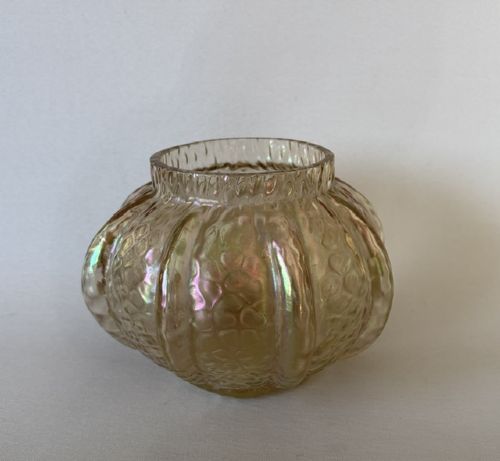
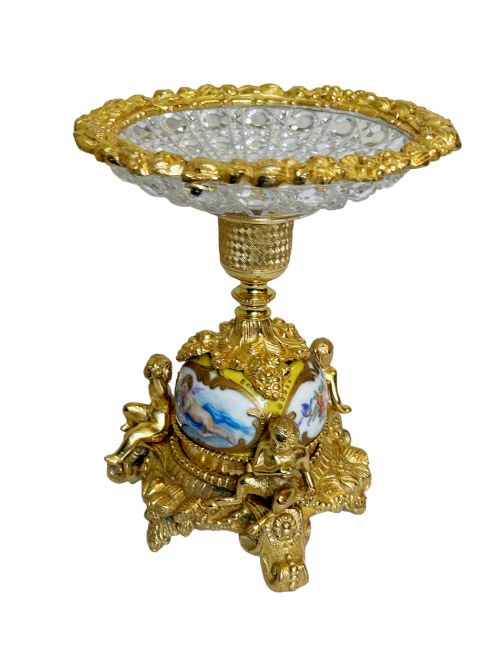
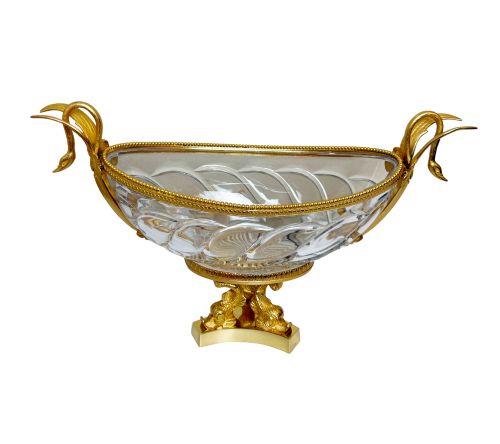
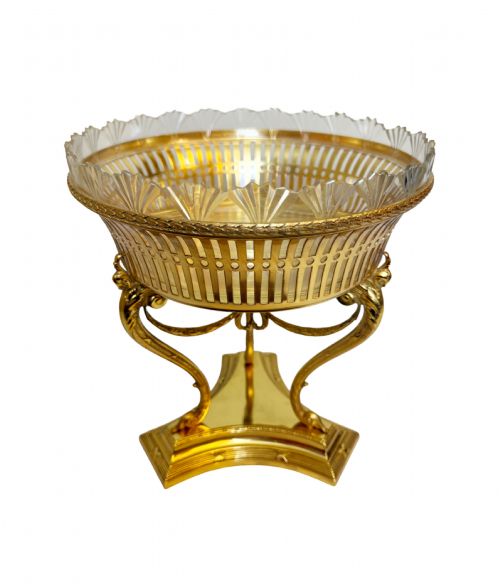
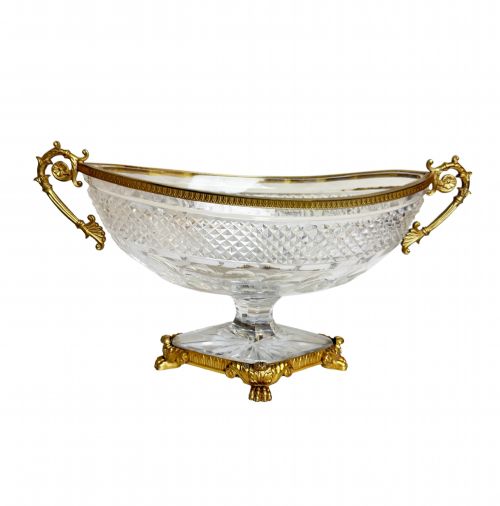
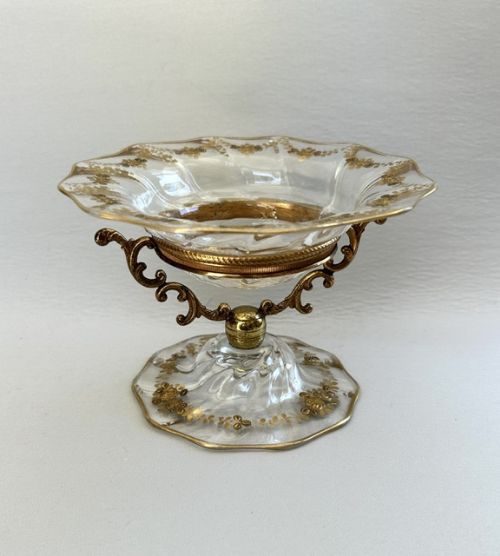
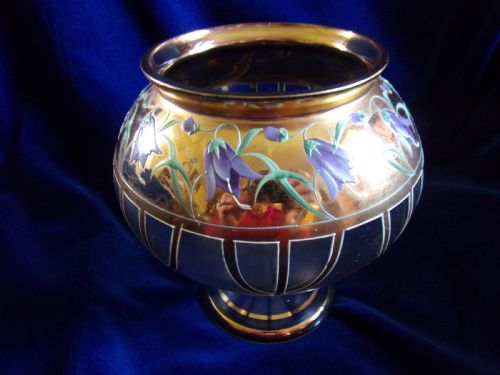
When you search for a gold glass bowl, you enter a field dominated by nineteenth-century and turn-of-the-century decorative vessels designed for display. These pieces range from substantial crystal centrepieces mounted in gilt bronze and ormolu to ruby glass tazzas and delicate Art Nouveau enamel vases. French and Bohemian makers predominate, producing elaborate serveware and jardinieres that utilise heavy cast metal mounts alongside blown and cut glass.
The domestic interiors of the Victorian and Edwardian eras utilised these bowls as focal points on dining tables, sideboards and mantelpieces. Many function as centrepieces, punch sets or decorative dishes, often supported by figural bases depicting cherubs or mermen. You encounter forms that combine practical glass vessels with sculptural metal frames, bridge the gap between tableware and mantel ornamentation, and showcase the eclectic historicism of the nineteenth century.
How they were made
The glass component relies on traditional techniques such as free-blowing, moulding and deep cutting into crystal or ruby glass to create faceted surfaces. Makers then applied gold leaf, paste gilt or gold enamel decoration by hand, sometimes fusing the metallic layer through firing. Engraved and cameo techniques reveal layered colours within the glass body, particularly in Bohemian and French production.
Metal mounts utilise cast bronze, ormolu, gilt metal or pewter to support the glass inserts securely. Foundational elements like stands, handles and rims are cast, chased and gilded to complement the translucency of the glass. The assembly combines glassmaking and metalworking trades, joining rigid metallic frames with fragile blown or cut vessels.
Gold Glass Bowl Retail Price Guide 2026
Typical asking prices for gold glass bowl among the pieces listed under this phrase on Sellingantiques today, from the lower quarter to the upper quarter. They describe what is for sale here now, not the wider market.
Object forms span large centrepieces, tazzas, punch sets and jardinieres decorated in Art Nouveau and Neoclassical styles.
What varies in quality
Quality rests upon the crispness of the casting in the bronze or ormolu mounts and the depth of the hand-cut facets in the crystal. Superior examples feature finely chased figural details, such as cherubs or mermen, that integrate seamlessly with the glass container. Lesser pieces rely on simpler, stamped metal components and superficial surface gilding that wears thin over time.
The integrity of the gilding and enamel work on the glass surface dictates the upper tier of the range. Intricate hand-painted motifs like floral enamel or etched grapevines demand high skill, whereas mechanical printing techniques appear on more commercial output. The weight and clarity of the base glass, whether clear crystal or deep ruby, further separate standard decorative items from exceptional works.
St Louis glassworks·Orivit
The Gold Glass Bowl Glossary
- Ormolu
- Gilded bronze used widely for mounts and stands in French decorative arts. The technique involves applying a finely ground gold-mercury amalgam to cast bronze before heating.
- Tazza
- A shallow ornamental bowl or cup elevated on a stem and foot. These pieces were traditionally used to serve fruit or confections at formal dining tables.
- Jardiniere
- An ornamental receptacle designed to hold plants or floral arrangements. They frequently appear in this category paired with heavy metal bases and cut glass inserts.
- Guilloche
- An intricate decorative pattern engraved mechanically into a metal surface. This technique appears on metal lids and mounts associated with powder bowls and dresser items.
Gold Glass Bowl: Frequently Asked Questions
How do I clean a gilded glass bowl?
Wash the glass gently by hand using lukewarm water and a mild soap. Avoid soaking any areas with exterior gold leaf, paste gilt or enamel decoration.
Keep moisture away from bronze and ormolu mounts to protect the original metallic finish. Dry the glass immediately with a soft cloth to prevent water spots.
Are these bowls safe for food?
Most antique pieces feature historic gilding and enamels that are easily worn or damaged by acidic foods. Use them primarily for dry decoration, potpourri or display rather than daily dining.
Twentieth-century finishes may contain trace elements from historic manufacturing processes. Treat these items as decorative objects to preserve their fragile surfaces.
How do I identify a French mount?
French mounts from the nineteenth century typically display precise chasing and heavy fire gilding on bronze or ormolu. Look for sculptural figures like cherubs or mermen integrated into the stands.
Many pieces reflect Empire, Rococo Revival or Belle Epoque design vocabularies. The combination of cast metal frames with heavy crystal inserts points directly to Parisian workshops.
What is Bohemian ruby glass?
Bohemian ruby glass is a deep red glassware developed in Central Europe during the nineteenth century. Makers achieved the rich colour by adding gold chloride to the molten glass batch.
These red vessels often feature frosted panels, engraved details or heavy gilding. They frequently form the basis of punch bowl sets and decorative tazzas from the period.