



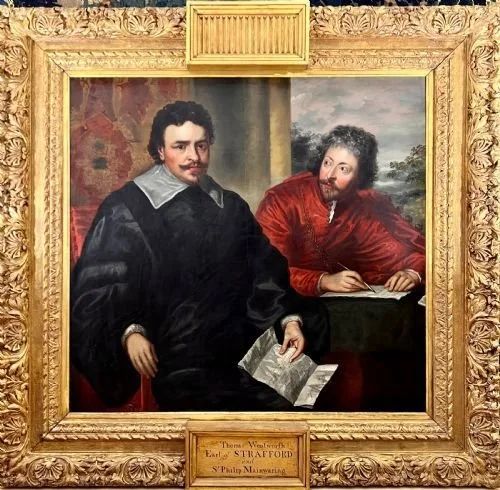


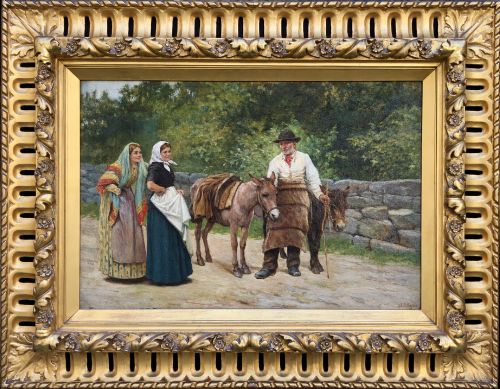

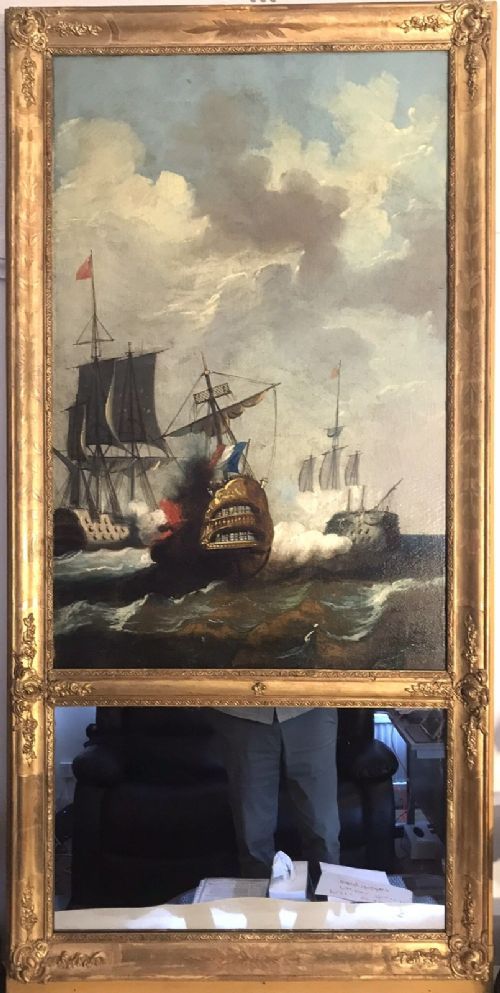
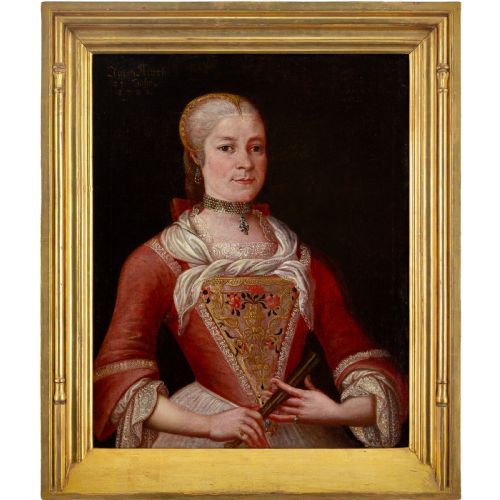
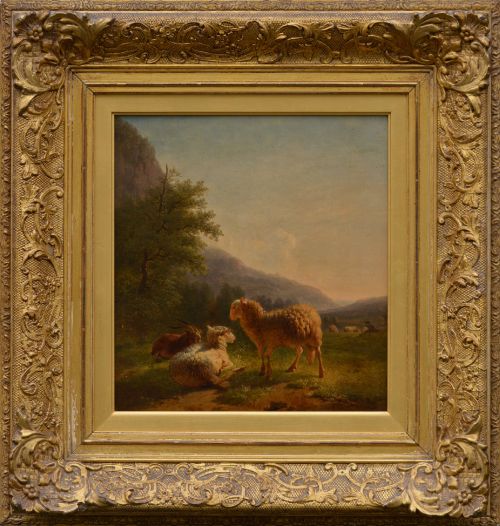

Gold Giltwood Oil Painting
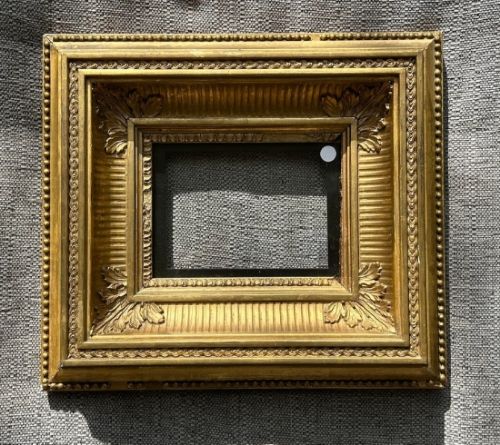
A gold giltwood oil painting brings together rich canvas art and elaborate carved frames spanning several centuries.
Gold Giltwood Oil Painting
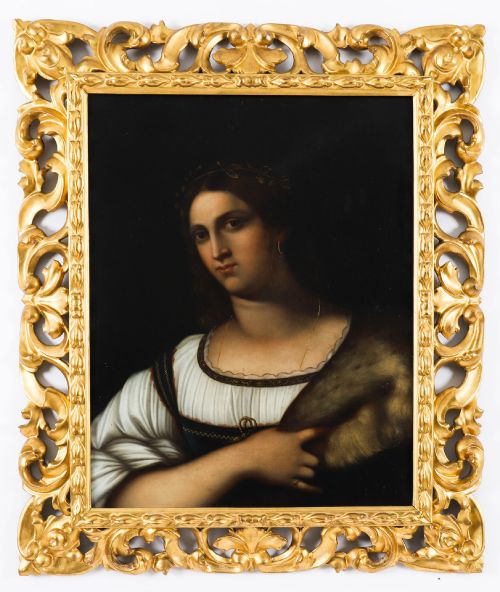
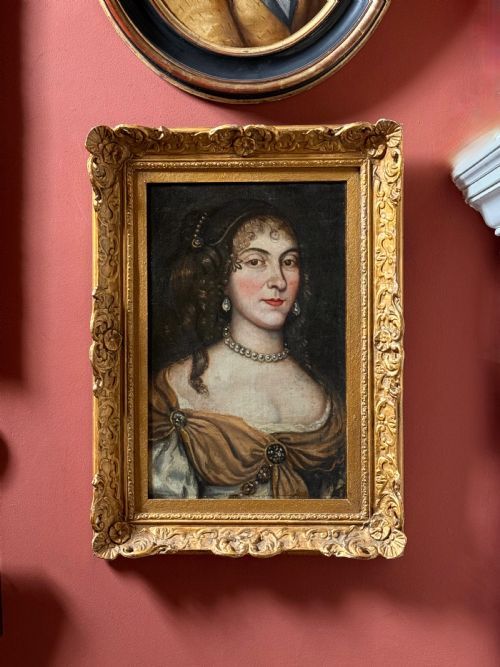
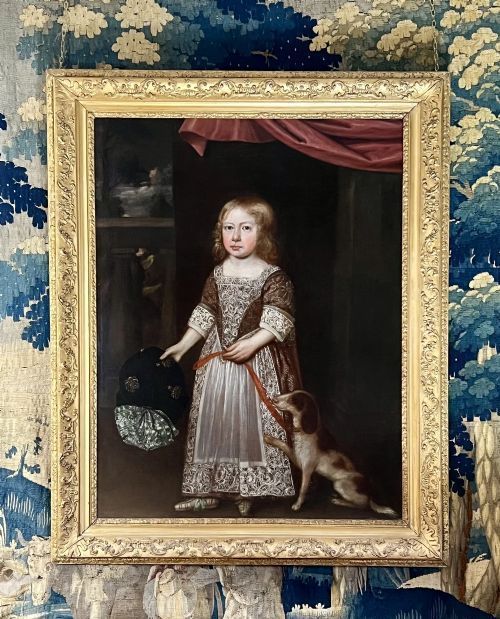
When you search for a gold giltwood oil painting, you encounter canvases framed in carved wooden mouldings coated in gold leaf and gesso. These works range from intimate landscapes to monumental portraits created across the seventeenth, eighteenth, and nineteenth centuries.
The pieces on this page include formal portraits of gentlemen and officers, pastoral scenes with sheep, and dramatic maritime views. British, French, Italian, and Spanish schools are all represented among the works.
Victorian and Georgian periods dominate the selection, alongside earlier Baroque compositions and later Edwardian pieces. Many examples pair oil paint on canvas with deeply profiled frames that reflect period aesthetics.
Materials and construction
Makers built these frames from timber, applying layers of gesso as a smooth base before laying down delicate sheets of gold leaf. Canvases received applications of oil paint, often stretched over wooden frames and secured within the gilded mouldings.
Carvers shaped the wood manually to achieve intricate scrollwork, bead patterns, and corner carttouches typical of Baroque, Rococo, and Victorian design.
Portraits dominate the selection, accompanied by marine views, pastoral landscapes, and architectural scenes from British and continental European schools.
Distinctions in quality
Quality rests upon the sensitivity of the brushwork in the oil painting and the depth of the carving on the frame. Master painters captured light and fabric with nuance, while skilled gilders applied gold leaf over meticulously smoothed gesso grounds.
Pieces showing greater anatomical precision in portraits or atmospheric perspective in landscapes stand apart from more formulaic workshop productions. Original matching frames that complement the exact era of the canvas also elevate the piece.
Eugène Verboeckhoven·Jean Baptiste Van Loo·Benjamin Barker of Bath·Thomas Sidney Cooper·Edouard Pingret·Henry H Parker·Edgar Hunt·Robert Cleminson
The Gold Giltwood Oil Painting Glossary
- Giltwood
- Wood carved and coated with gold leaf over a prepared surface. This material provides a bright, reflective border that enhances the colours within the oil painting.
- Gesso
- A plaster mixture applied to wood frames to create a smooth surface for gilding. Artisans sanded this compound before laying down fine gold leaf.
- Oil on canvas
- Pigment mixed with drying oils applied to a woven fabric support. This technique allowed artists to achieve rich tones and subtle blending.
- Baroque
- An artistic style characterised by dynamic movement and dramatic lighting. Works from this period display intense emotional expression and ornate framing.
- Provincial school
- Art produced outside major metropolitan centres by regional practitioners. These works often exhibit charming local characteristics and direct observation.
Gold Giltwood Oil Painting: Frequently Asked Questions
How do I date a gold giltwood oil painting?
Dating relies on stylistic clues within the canvas, such as costume details in portraits or landscape conventions, combined with the construction methods of the frame. Joinery techniques and the formulation of the gesso underneath the gold leaf offer further chronological markers.
Examinations of the canvas weave and stretcher bars also assist in confirming the period of creation. Comparing the work to documented pieces by known schools helps narrow down the decade.
Where should I hang a giltwood framed painting?
These works require placement away from direct sunlight and fluctuating heat sources to protect both the oil pigment and the delicate gold leaf. Stable indoor environments prevent the wood frame from warping and the canvas from slackening.
Selecting a wall with sufficient clearance allows the ornate moulding to project visually without crowding. Adequate ambient light helps illuminate the reflective properties of the gilding.
Are the frames original to the paintings?
Frames and canvases sometimes became separated over centuries, though many pieces retain their original matching surrounds. Evaluating the fit at the rabbet and the oxidation levels of the wood helps determine if they belong together.
Period-correct replacement frames were frequently fitted to valuable canvases when earlier mouldings suffered damage. Both matched originals and period-appropriate replacements hold historical validity.
How do I clean a giltwood frame?
Dust removal requires a very soft, dry brush to prevent abrasion to the delicate gold leaf layers. Moisture and chemical cleaning agents must be avoided entirely, as they strip the gilding and damage the gesso base.
Professional conservators should handle any stubborn grime or structural repairs to the carved wooden elements. Regular gentle dusting keeps the surface stable over time.