
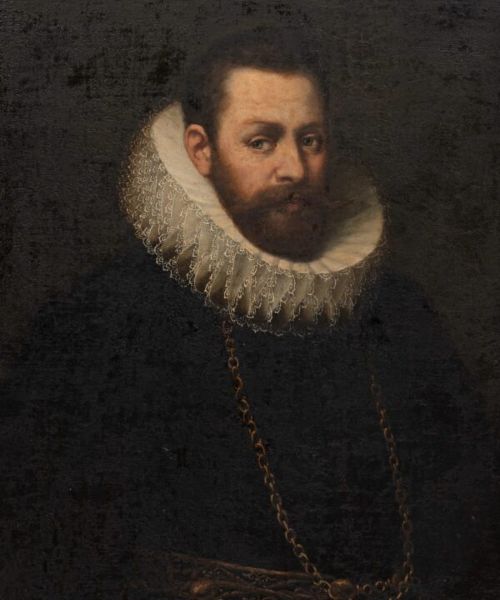
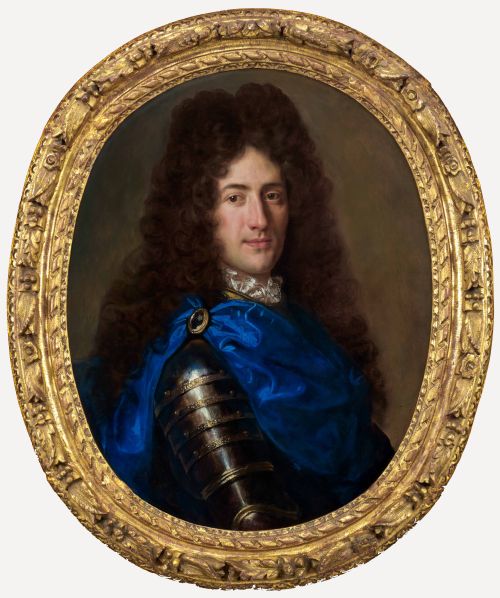
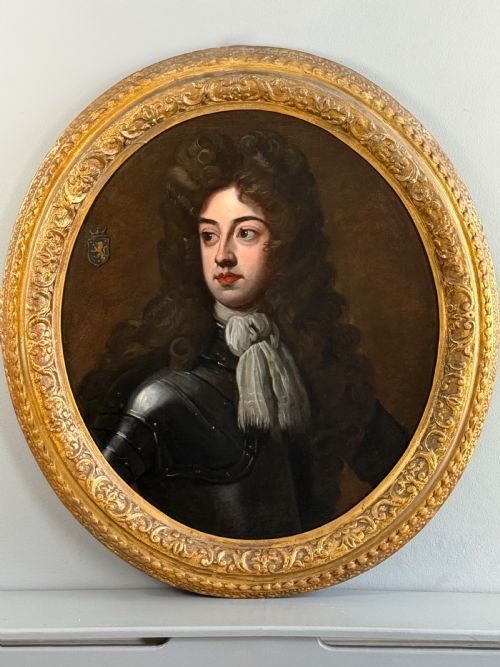
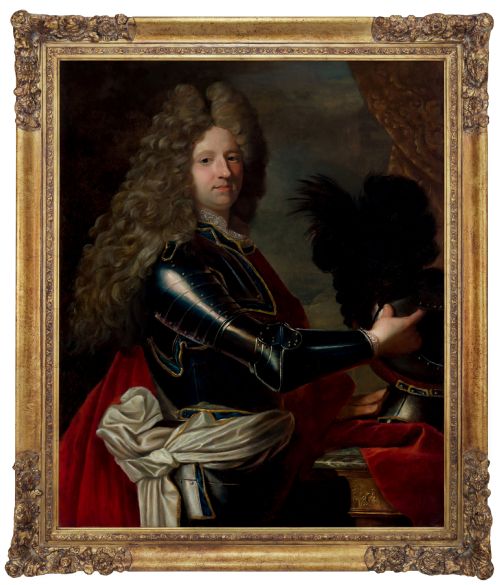
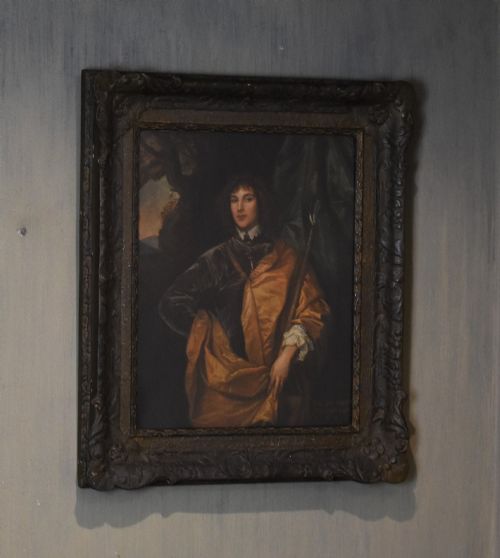


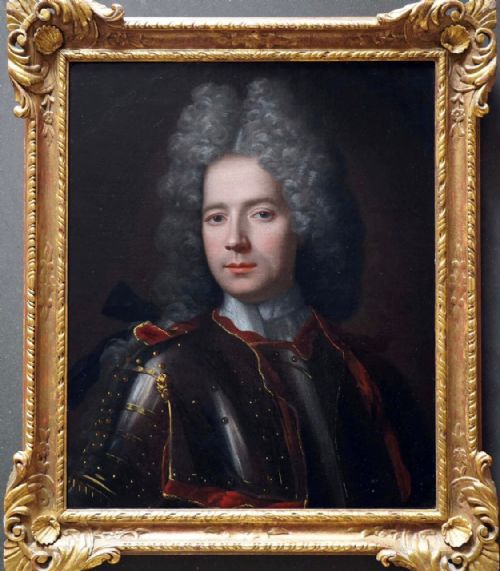

Baroque Portrait of Nobleman
A baroque portrait of nobleman brings aristocratic gravity into a room, capturing status through oil paint or marble.
Baroque Portrait of Nobleman
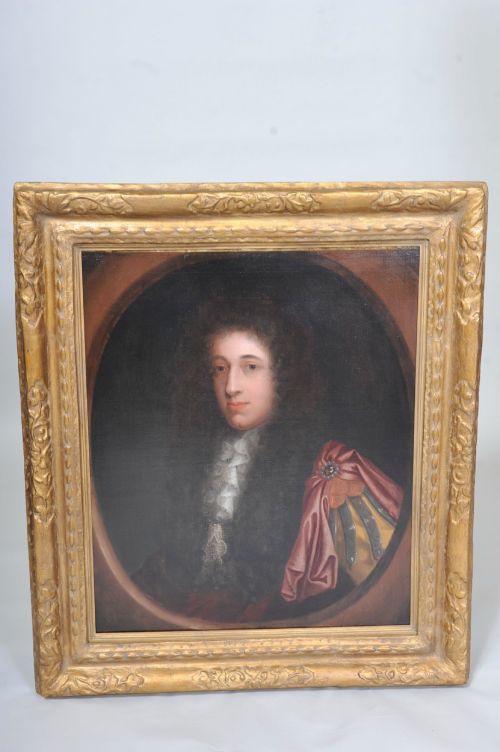
A baroque portrait of nobleman captures aristocratic status across centuries, ranging from original oils to later revivals and prints. You encounter gentlemanly depictions alongside framed prints after van Dyck and sculpted busts in marble.
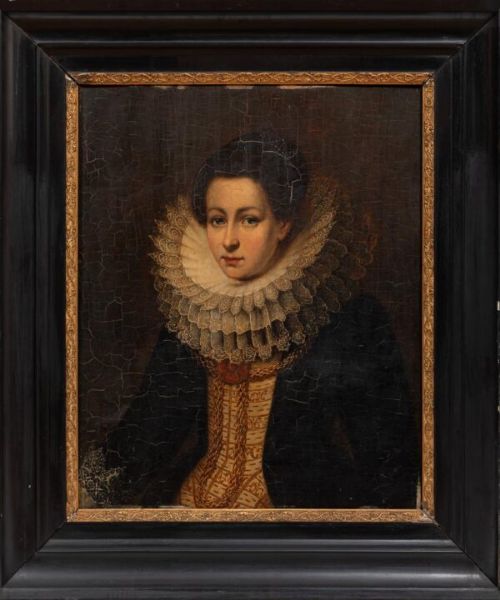
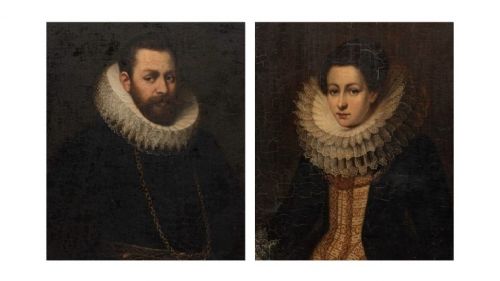
The material record spans the seventeenth, eighteenth, and nineteenth centuries, including Dutch school pairs with ruff collars. German school aristocrats in armour appear alongside works attributed to painters like Michael Dahl.
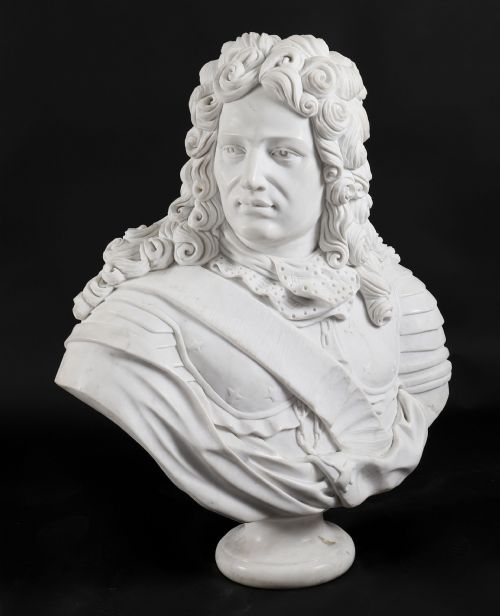
Framed prints and vintage Italian marble busts provide alternative interpretations of the subject alongside traditional canvas works. French baroque and rococo influences mingle with Dutch Golden Age examples.
How they were made
Sculptors carved white marble for bust formats, depicting noblemen in detailed armour. Wood serves as a structural foundation for both stretcher frames and carved display elements.
Listings span four centuries, featuring oil on canvas, carved white marble, and giltwood frames.
What varies in quality
Attribution to named circles or specific artists elevates a painting above anonymous school works. Depth of characterisation in the subject's expression distinguishes finer brushwork.
Materials such as hand-carved white marble and period giltwood frames signal superior craftsmanship compared to later reproductions or prints.
Nicolas De Largillière·Louis De Silvestre·Michael Dahl·Jean-Baptiste Santerre
The Baroque Portrait of Nobleman Glossary
- Baroque
- A style of European art from the seventeenth and early eighteenth centuries known for drama and grand scale. It emphasises dynamic movement and deep contrast.
- Ruff collar
- A stiff, pleated lace or fabric neckpiece worn by nobility in the sixteenth and seventeenth centuries. These items denote high social standing in portraits.
- Giltwood
- Wood carved and coated with gold leaf or metallic paint for a decorative finish. This material creates ornate frames for canvas works.
- Armour
- Protective steel covering worn by nobility and depicted in portraiture to signal military rank. It adds visual weight and texture to the composition.
- Attributed to
- A term used when a work shows the hand or style of a specific master without definitive documentation. It guides collectors toward probable authorship.
Baroque Portrait of Nobleman: Frequently Asked Questions
Are these portraits original oils?
The selection includes original oil paintings on canvas from the seventeenth and eighteenth centuries alongside nineteenth-century works and twentieth-century prints.
Material descriptions in each listing clarify whether the piece is a painted canvas, a marble sculpture, or a printed reproduction.
How do I hang a heavy framed oil?
Large oil paintings with giltwood frames require secure wall fixings suited to the combined weight of wood and canvas.
Professional picture hooks fastened directly into wall studs provide the necessary support for heavier aristocratic portraits.
What does attribution mean here?
Attribution indicates that an expert has linked a painting to a specific artist's circle or workshop based on stylistic evidence.
This classification connects the artwork to a known master's tradition without formal documentation of the artist's signature.
How should I care for marble busts?
White marble sculpture requires gentle dusting with a soft, dry cloth to prevent surface grime from settling into the porous stone.
Avoid chemical cleaners and keep marble pieces away from direct heat sources to preserve the carved finish.