

Gold Gilt Glass
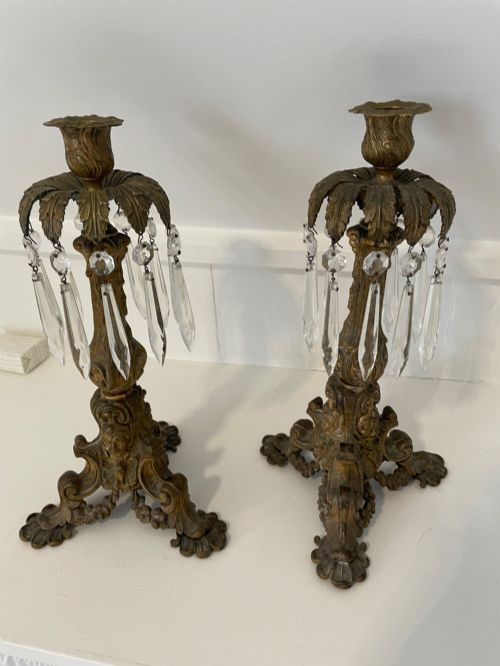
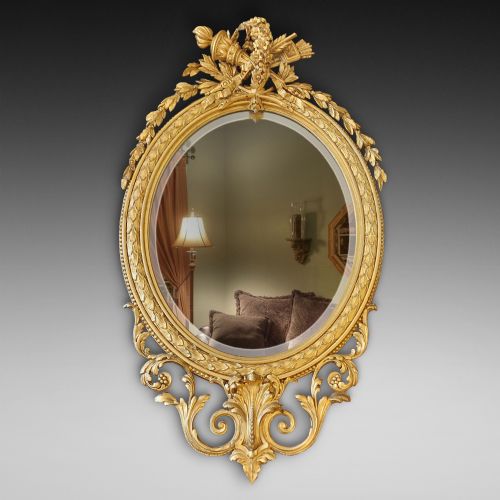
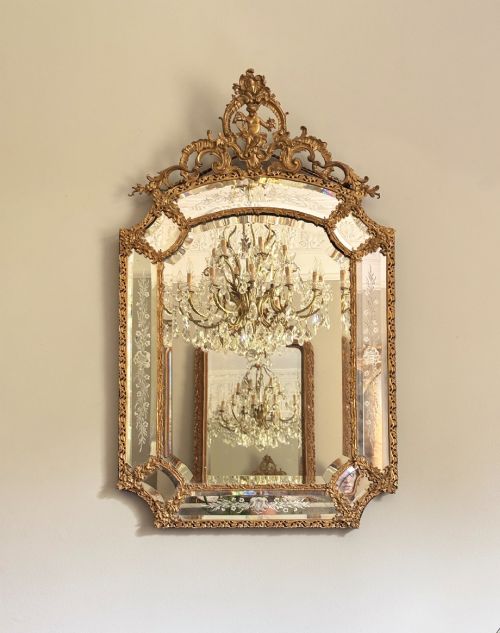
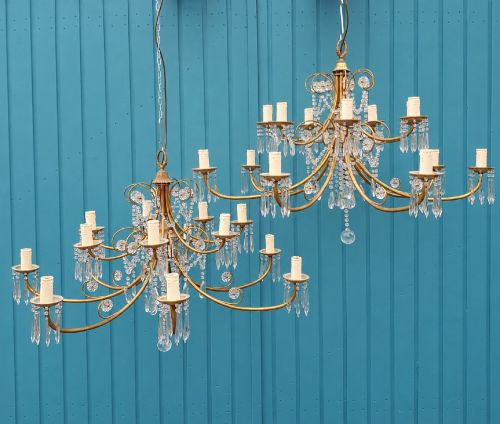
These gold gilt glass pieces span centuries of decorative mirrors and crystal chandeliers that bring reflective warmth into a room.
Gold Gilt Glass
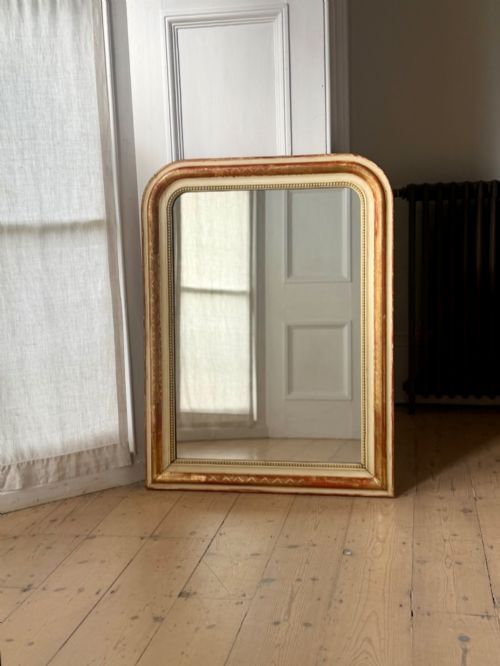
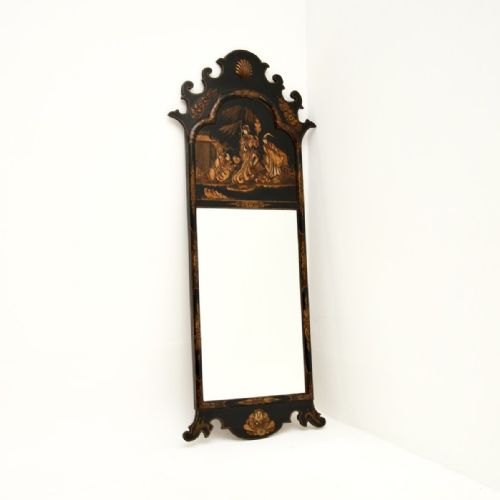
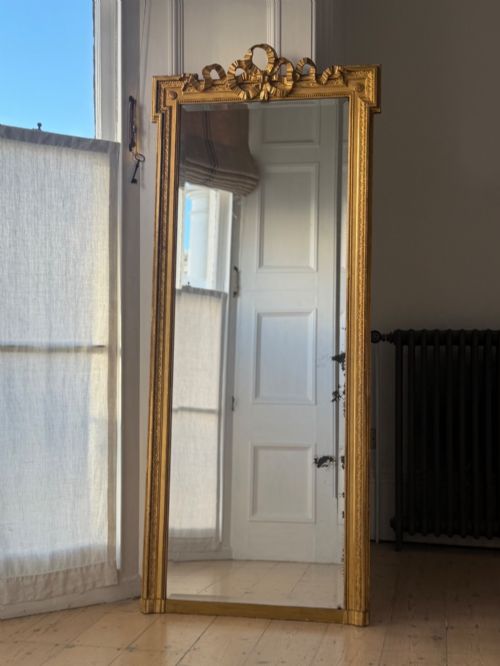
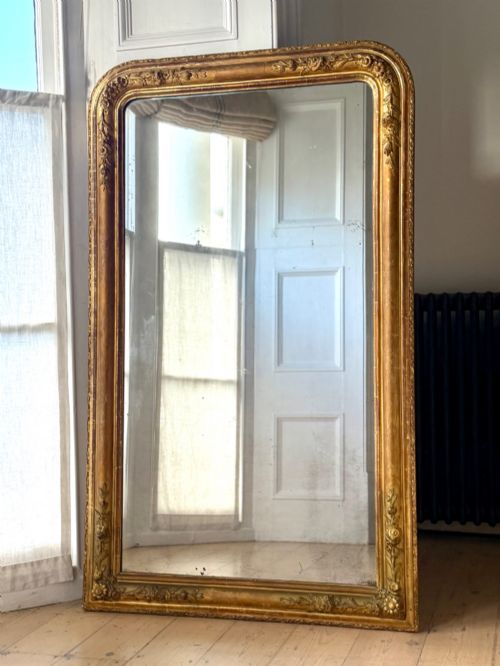
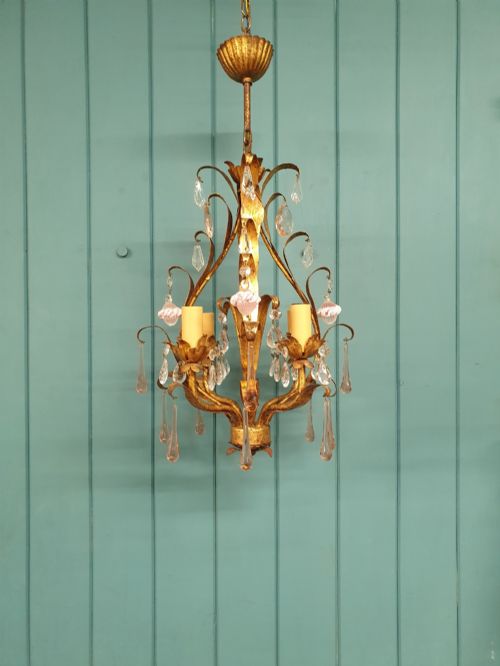
Gold gilt glass encompasses large wall mirrors, overmantels, and crystal chandeliers originating mainly from the nineteenth and early twentieth centuries. These objects frequently display French styles such as Louis Philippe and Napoleon III alongside Georgian and Victorian English pieces.
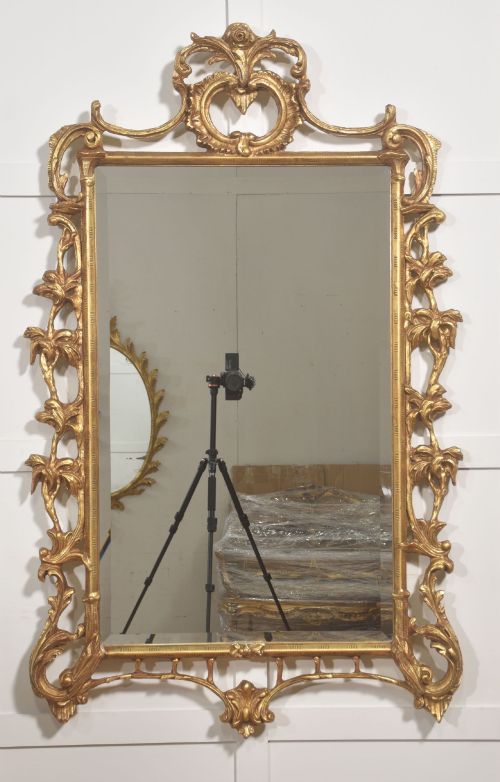
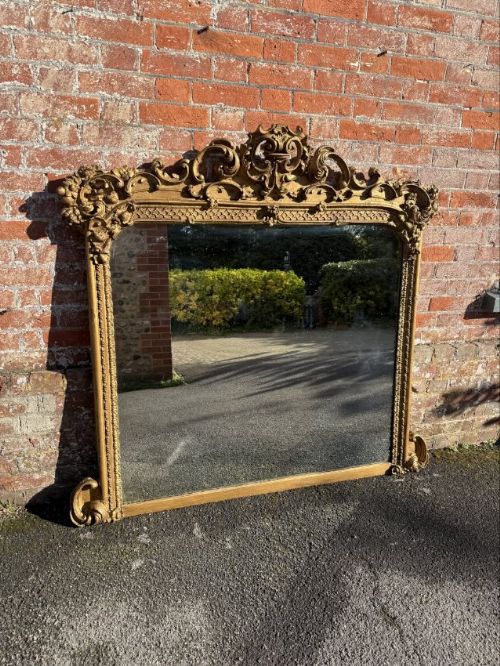
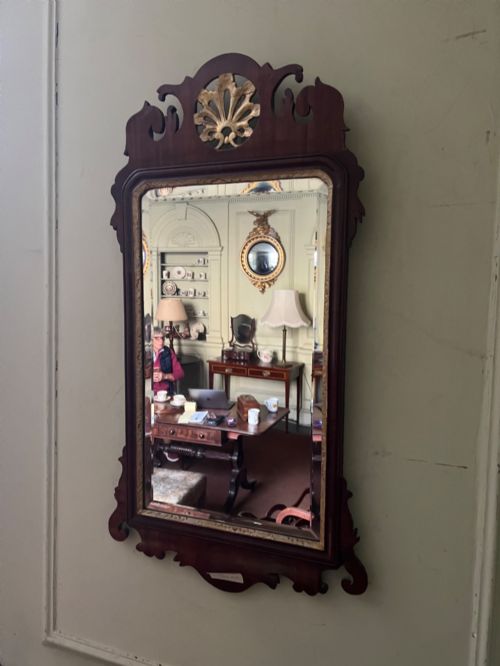
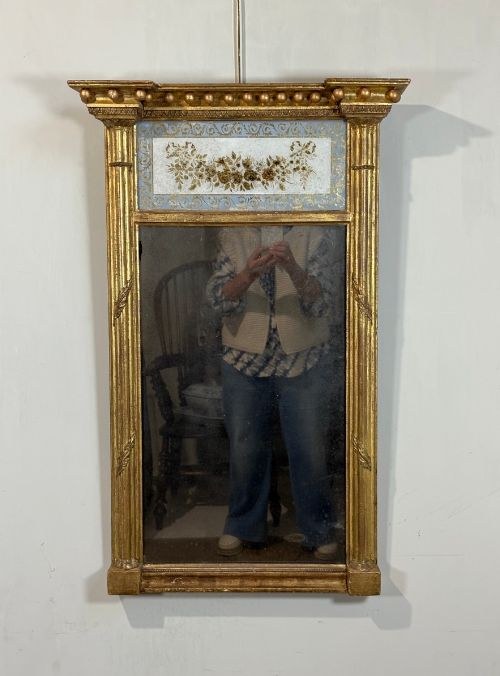
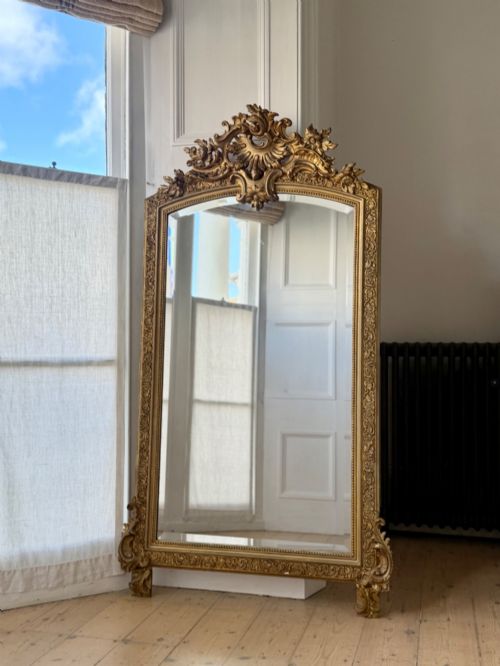
Buyers meet everything from restrained neoclassical rectangular plates to elaborate arched overmantels topped with pierced foliage crests. Smaller decorative items like reverse painted portrait miniatures on glass also appear within the selection.
Materials and construction methods
Carved wood and gesso provide the foundational structures for the ornate mirror frames, shaped into rope twists and neoclassical pediments before receiving their metallic finish. Artisans applied thin sheets of gold leaf or water gilding directly onto the prepared gesso surfaces.
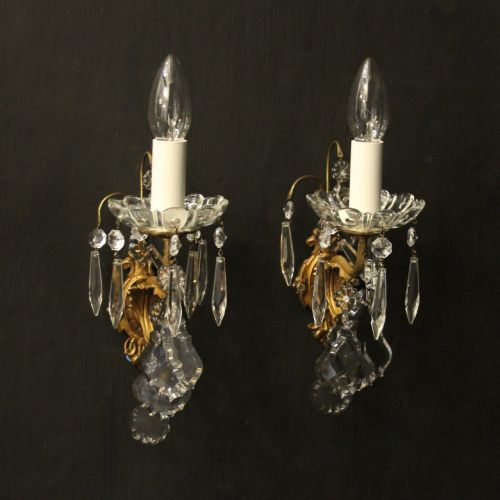
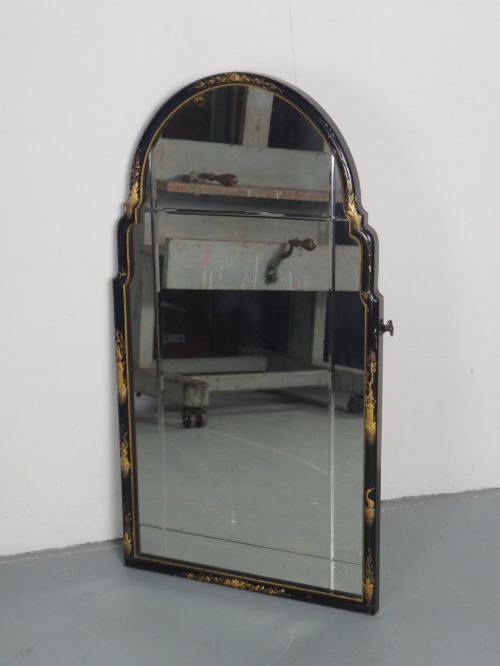
Lighting pieces combine cast bronze, wrought iron, and polished brass with hanging crystal drops and lead glass components. Mirror plates utilise historical techniques including silvered mercury glass and eglomise glass with reverse painted decoration.
Gold Gilt Glass Retail Price Guide 2026
Typical asking prices for gold gilt glass among the pieces listed under this phrase on Sellingantiques today, from the lower quarter to the upper quarter. They describe what is for sale here now, not the wider market.
Miniature marriage portraits painted in reverse on glass preserve tiny nineteenth-century romantic sentiments behind a shiny protective shield.
Evaluating quality and craftsmanship
The depth of hand-carving in the wooden frames and the precision of the applied gesso ornamentation separate standard production from finer workshop output. Crisp botanical crests and balanced proportions indicate superior maker attention during construction.
The condition and character of the reflective glass plate influence the desirability of each piece. Original mercury glass with natural foxing and clear crystal prisms demonstrate period authenticity compared to later replacements.
Arsène Rochette of Versailles·Maison Ramsay
The Gold Gilt Glass Glossary
- Mercury glass
- A double-walled blown glass filled with a silvering solution through a small pontil hole, creating a heavy and reflective mirror effect. This technique dates principally to the nineteenth century.
- Gesso
- A plaster-like mixture applied to carved wood to create a smooth surface for gilding. It holds intricate mouldings and relief decoration firmly in place.
- Eglomise
- A cold decoration technique where artists paint and gild designs onto the reverse side of glass panels. It produces a glossy, metallic sheen viewed from the front.
- Water gilding
- A traditional method applying gold leaf onto a wet glue and gesso ground, allowing the metal to be burnished to a high shine. This finish appears on fine antique frames.
- Overmantel mirror
- A large horizontal mirror designed to sit directly above a fireplace mantelpiece. These pieces often feature arched tops and substantial wooden frames.
Gold Gilt Glass: Frequently Asked Questions
How do I clean an antique gilt mirror frame?
Dust the carved wooden surface gently with a soft, dry brush to remove particles without disturbing the delicate gold leaf layer. Avoid liquid cleaning agents and moisture, which can lift the underlying gesso.
Keep the glass plate clean using a soft cloth dampened slightly with distilled water. Take care to prevent any moisture from seeping behind the glass edge where the silvering resides.
What is mercury glass?
Mercury glass is a blown double-walled glass material silvered with a liquid mixture between the layers. The technique creates a distinct mirrored appearance without using actual mercury.
Items made with this glass often display charming age-related spots and foxing. These natural variations confirm the historical manufacturing process used in nineteenth-century mirrors.
How do I hang a heavy overmantel mirror?
Secure heavy wall mirrors directly into structural wall studs using appropriate fixings rated for substantial weights. Professional installation prevents strain on the frame joints and mounting hardware.
Distribute the weight evenly across secure brackets rather than relying on decorative wire. Ensure the wall structure can support the combined mass of the wood and glass.
What defines Louis Philippe style mirrors?
Louis Philippe mirrors feature characteristic rounded top corners combined with otherwise straight, clean framing. This nineteenth-century French design balances restrained elegance with classical proportions.
They often incorporate beaded inner borders and subtle crests without excessive ornamentation. This versatility allows them to blend easily into both traditional and contemporary interiors.