
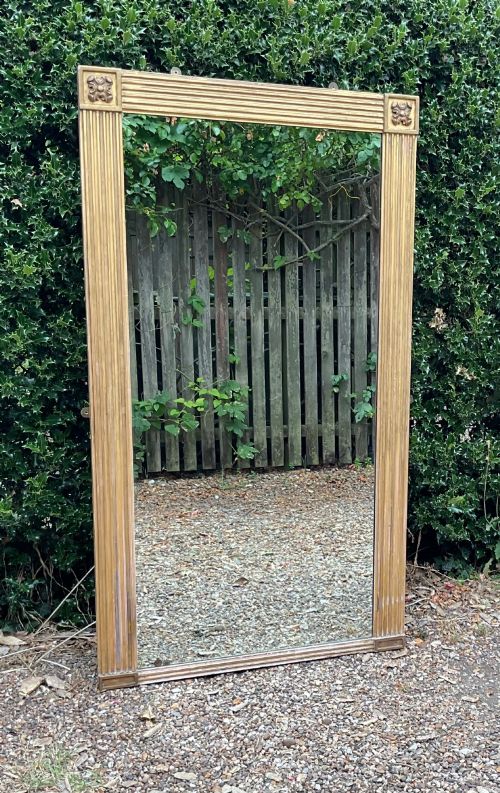
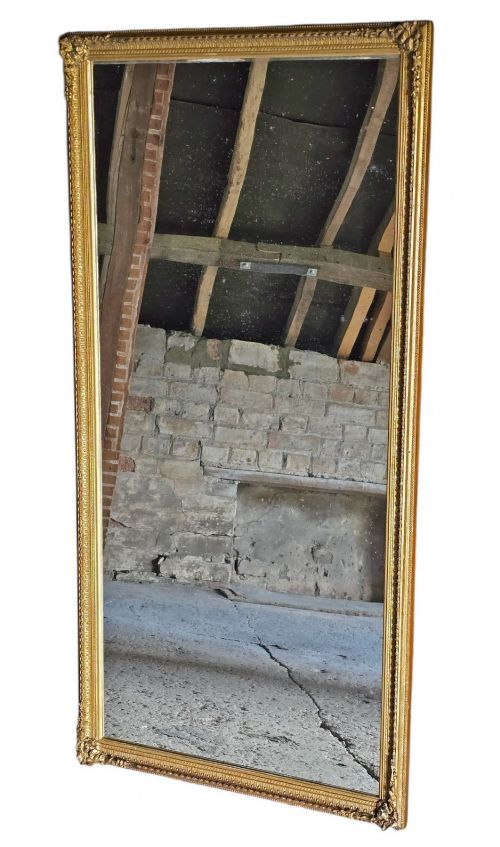
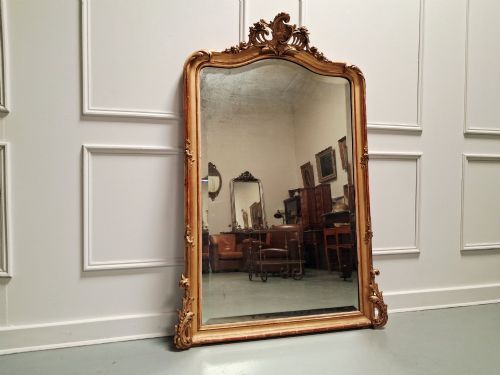
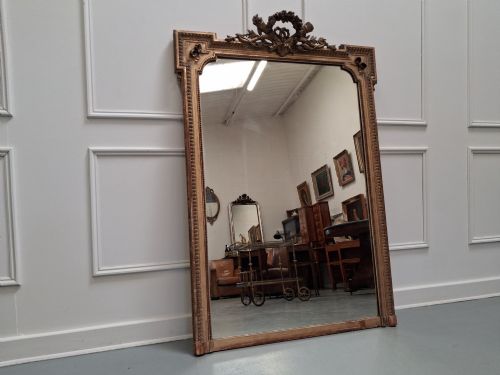

Gold Gilt Floor Mirror
A gold gilt floor mirror brings height, light and architectural presence to a room, functioning as both a practical looking glass and a grand statement piece.
Gold Gilt Floor Mirror
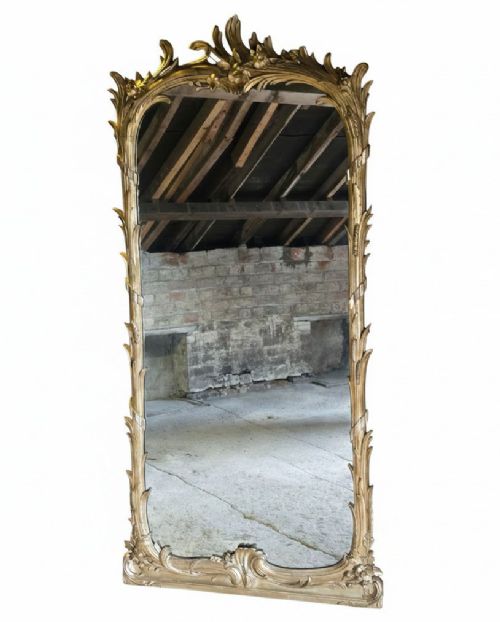
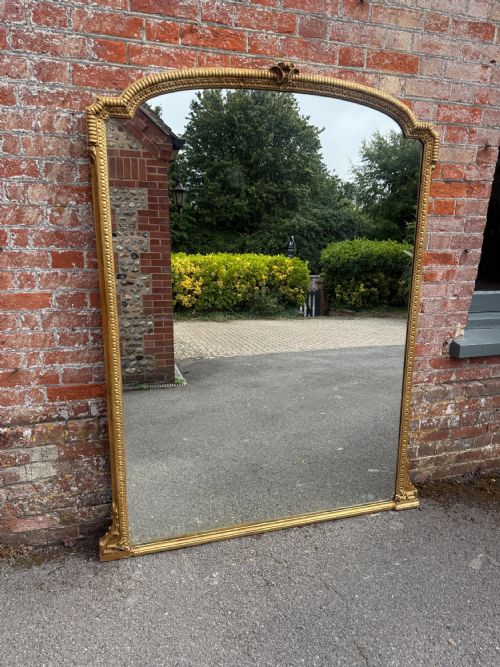
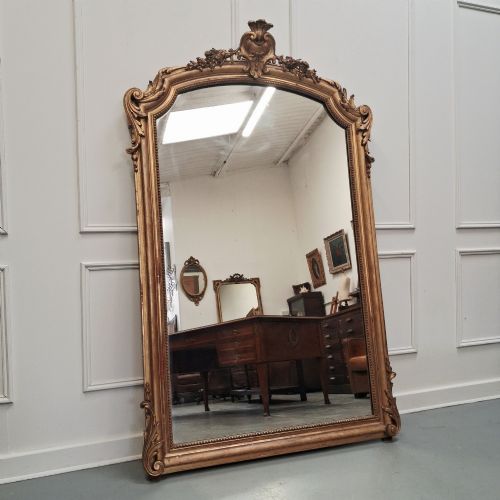
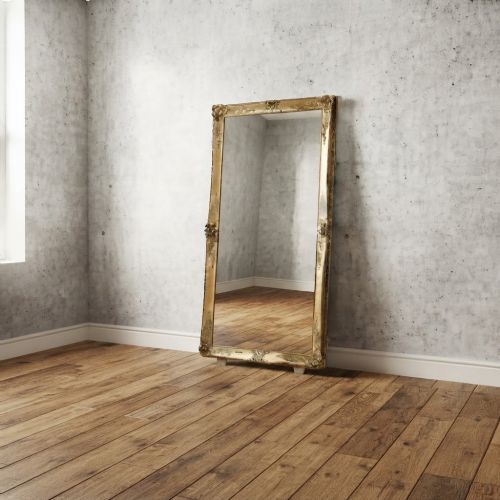
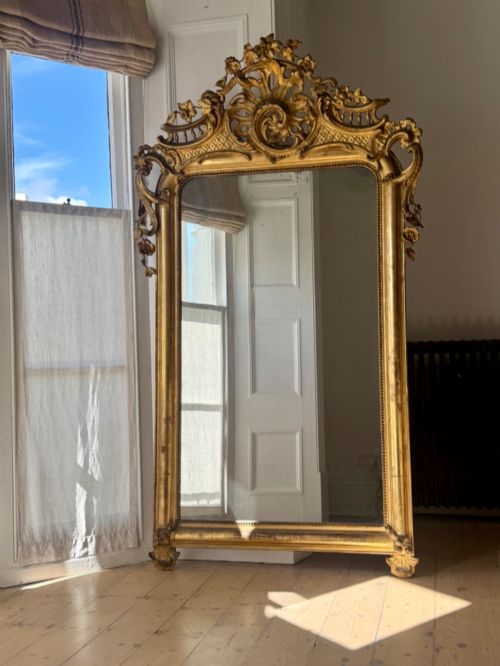
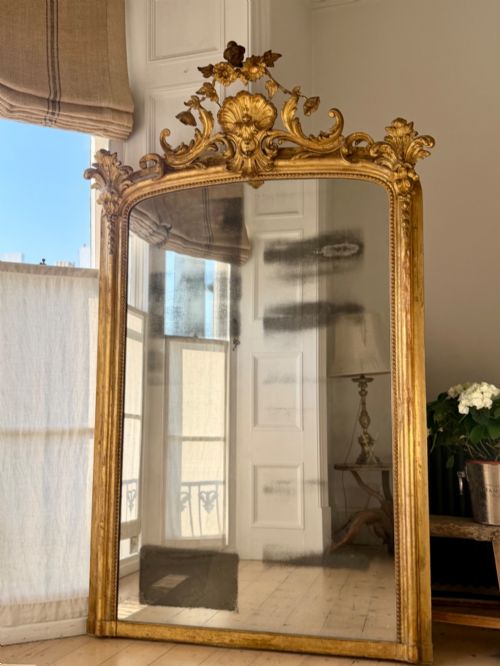
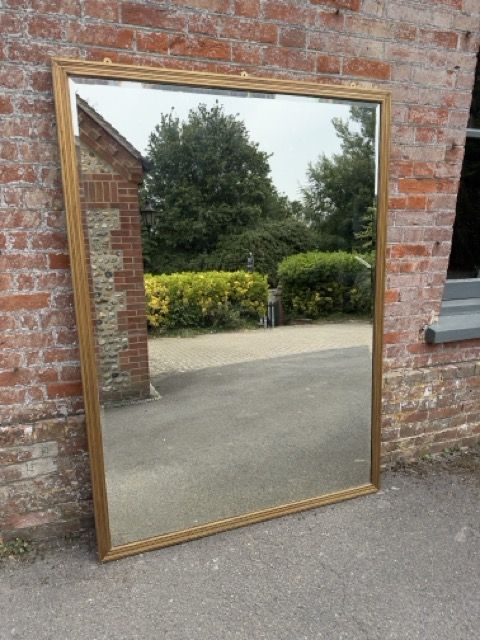
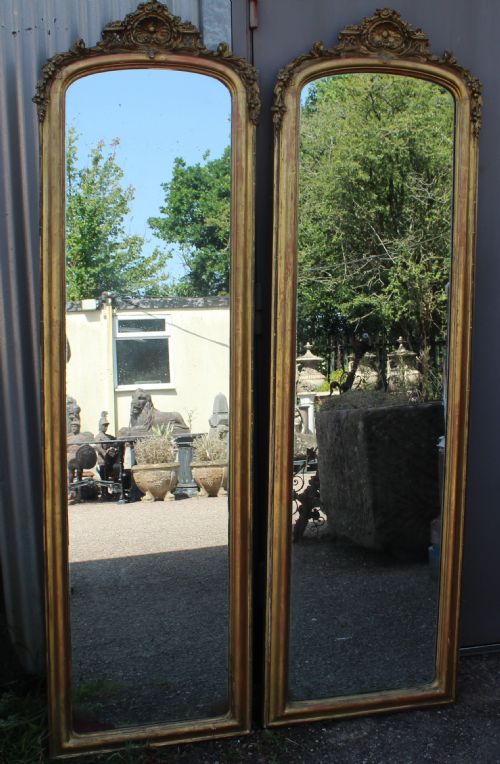
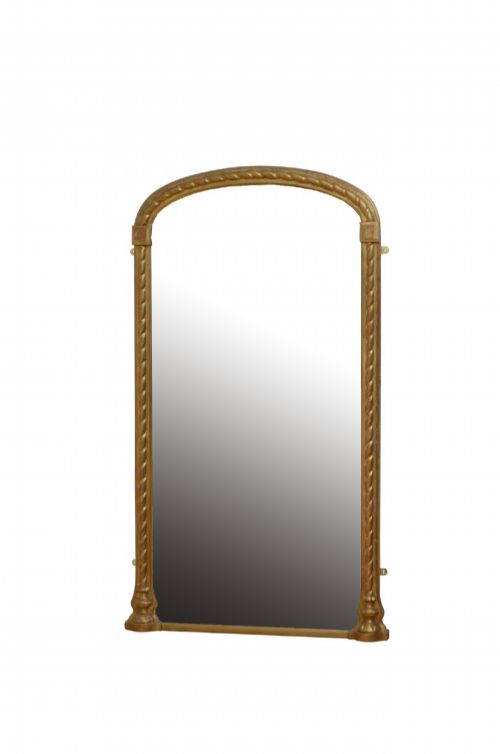
A gold gilt floor mirror is a substantial looking glass designed to stand on the floor or lean against a wall, creating an illusion of depth and reflecting natural light across a room. Buyers searching for a gold gilt floor mirror will encounter tall rectangular formats, arched profiles, and full-length leaner styles originating mainly from the nineteenth century.
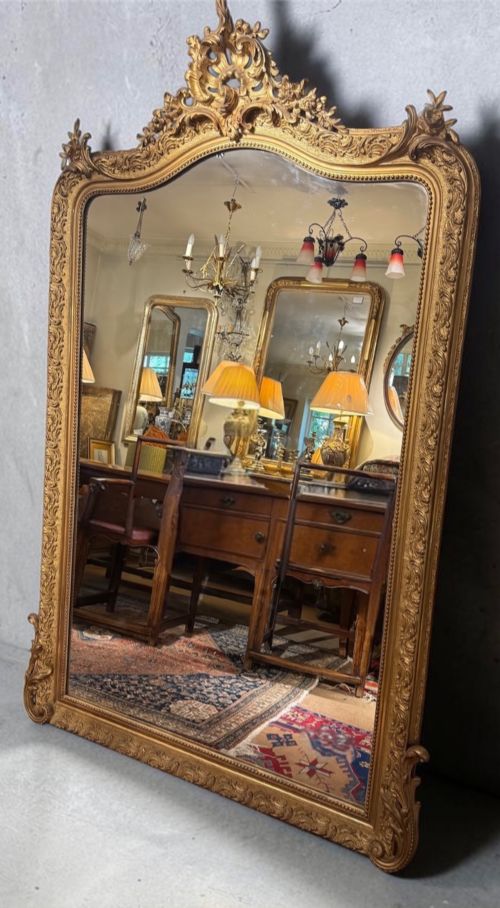
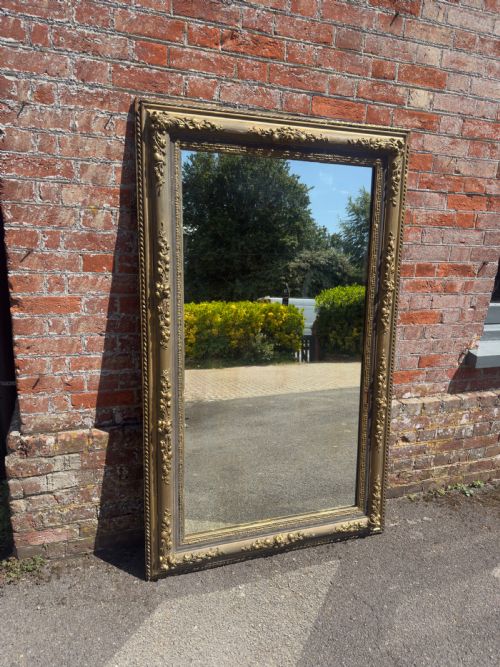
The selection ranges from French Louis Philippe designs with simple clean lines to ornate Rococo Revival pieces adorned with carved scrollwork. English and French workshops produced these grand frames to anchor principal rooms, utilising proportions that draw the eye upward and amplify interior space.
Many examples double as pier mirrors or overmantel adaptations, though true floor-standing cheval mirrors also appear in the selection. The overarching commonality is the commanding scale and the reflective expanse held within a gilded wooden structure.
How they were made
Craftsmen built the underlying framework of a gold gilt floor mirror using solid timbers such as carved wood, upon which they applied layers of gesso to create smooth surfaces for ornamentation. Moulded composition material was often used alongside hand carving to build up intricate relief details like rope twists and floral motifs.
The decorative surfaces received a finish of gold leaf or silver gilding, sometimes combined with painted elements to achieve depth and contrast. Earlier pieces frequently house original mercury glass or foxed mirror glass, which displays characteristic ageing marks and soft dark speckling across the reflection.
One recorded past sale travelled with a London maker's label tucked behind the frame, proving even mirrors love leaving a paper trail.
What varies in quality
The distinction between ordinary and exceptional examples lies in the crispness of the carved woodwork and the depth of the gesso relief beneath the gilding. Superior pieces display hand-chiselled details that retain sharp definition, whereas lesser frames rely heavily on cast composition that can appear rounded or indistinct.
The integrity of the original mercury glass or heavy plate mirror plate also dictates the character of the piece, with undisturbed silvering commanding greater interest. Furthermore, the structural stability of the tall timber frame determines how well the mirror withstands the pressure of leaning against a wall over generations.
Charles Nosotti
The Gold Gilt Floor Mirror Glossary
- Giltwood
- Timber that has been coated with a thin layer of gold leaf or gold paint. This technique provides a warm metallic brilliance that defines the aesthetic of antique mirrors.
- Gesso
- A plaster-like mixture applied to wood frames to create a smooth base for gilding and intricate low-relief carving. It allows craftsmen to model fine decorative details before applying gold leaf.
- Mercury glass
- A type of double-walled silvered glass produced in the nineteenth century and earlier. It often develops foxing, which manifests as charming dark spots and a characteristic mottled reflection.
- Cheval mirror
- A freestanding full-length mirror hung within a frame on pivots, allowing the glass to tilt. This form permits the user to adjust the angle of the reflection.
- Pier glass
- A tall, narrow mirror traditionally hung on the solid pier of wall between two windows. These pieces were designed to maximise light in Victorian and Georgian interiors.
Gold Gilt Floor Mirror: Frequently Asked Questions
How do I safely support a heavy leaner mirror?
Tall gilded mirrors carry substantial weight from the wood and thick glass plate. They should rest securely on a stable floor surface while being anchored safely to the wall studs using appropriate brackets.
Professional installation is recommended for exceptionally tall nineteenth-century pieces to prevent tipping and relieve pressure on the lower frame joints.
What is mercury glass and how do I spot it?
Mercury glass refers to double-walled blown glass silvered with a liquid reflective substance during the nineteenth century. True examples often display foxing, which appears as soft cloudiness and dark speckles within the glass.
This aged appearance contributes historical authenticity and distinguishes older plates from modern replacement mirror glass.
How do I clean an antique gilded frame?
Gilded surfaces require gentle maintenance to preserve the delicate gold leaf and gesso layers. Dusting with a soft, dry brush or feather duster prevents particle accumulation without disturbing the finish.
Water and chemical cleaning agents should be avoided entirely, as moisture quickly damages aged gilding and exposed composition ornament.