


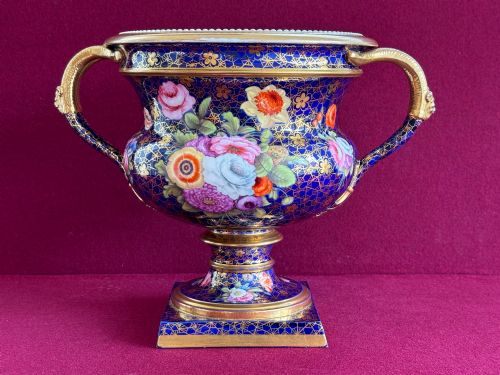
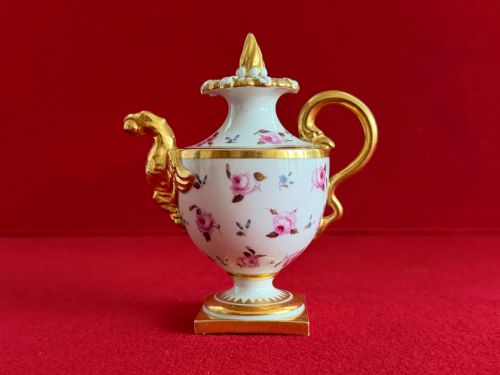

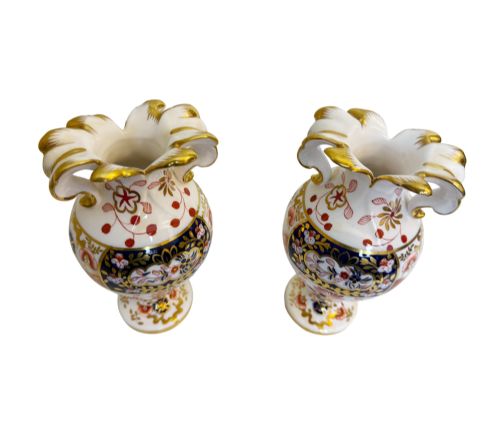
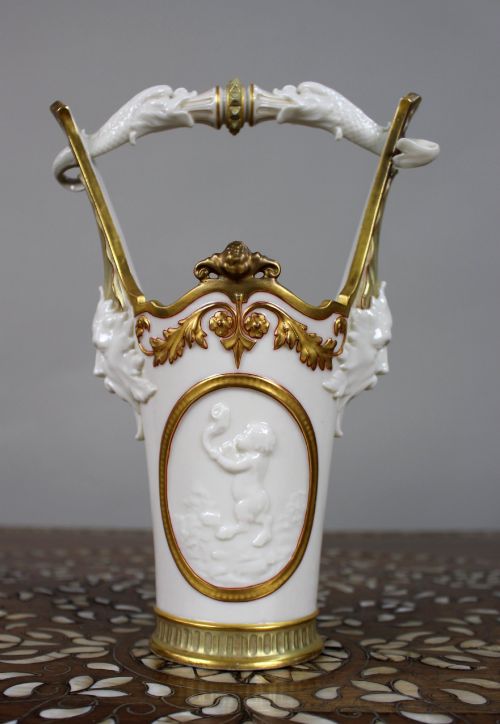


Gold Gilt Decorative Vase
Gold gilt decorative vase items bring metallic sheen and rich ornament into a room, spanning porcelain, earthenware and bronze.
Gold Gilt Decorative Vase
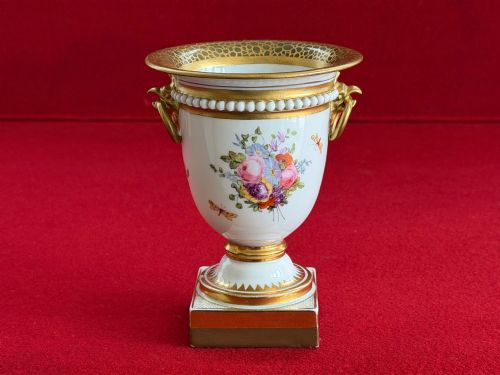
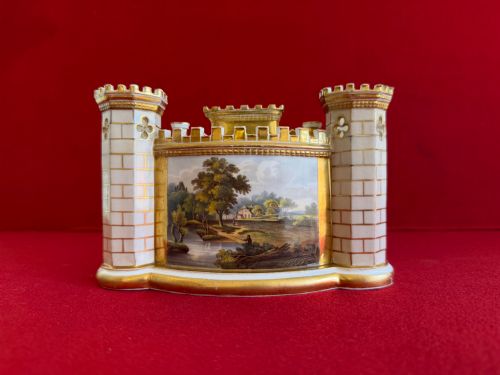
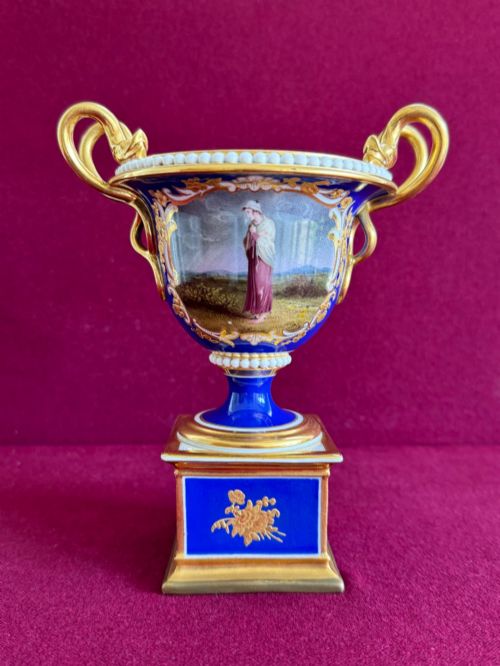
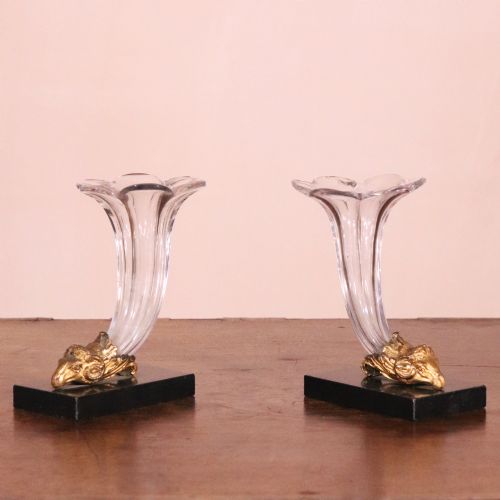
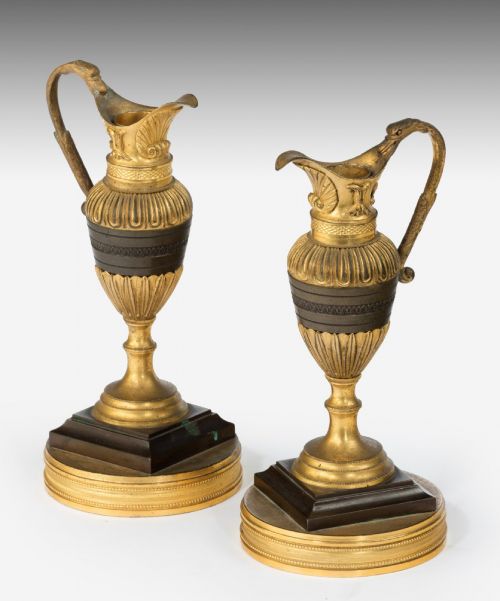
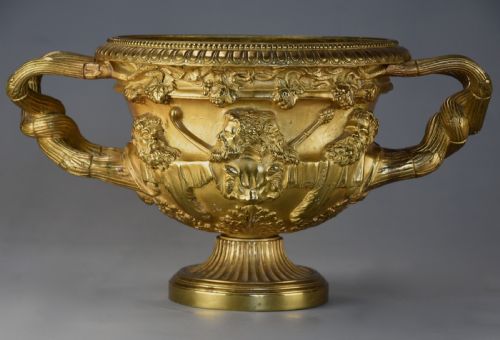
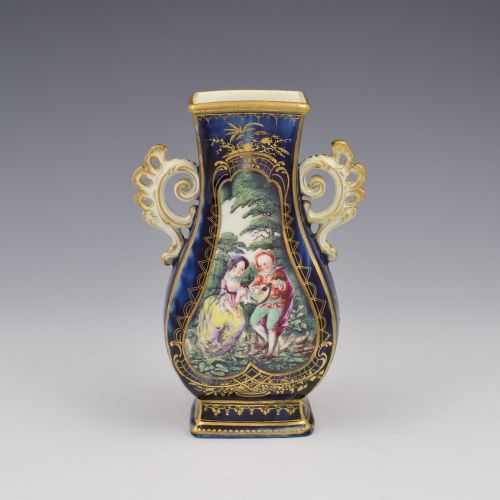
A gold gilt decorative vase takes many forms across this selection, including campagna urns, pot pourri vessels, ewers and baluster shapes. Buyers will find pieces originating from English potteries, French ateliers and Japanese kilns.
The periods represented stretch from the eighteenth century through the Victorian and Edwardian eras into the early twentieth century. Porcelain vessels with painted reserves and Satsuma ceramic wares appear frequently among the listings.
Materials and techniques
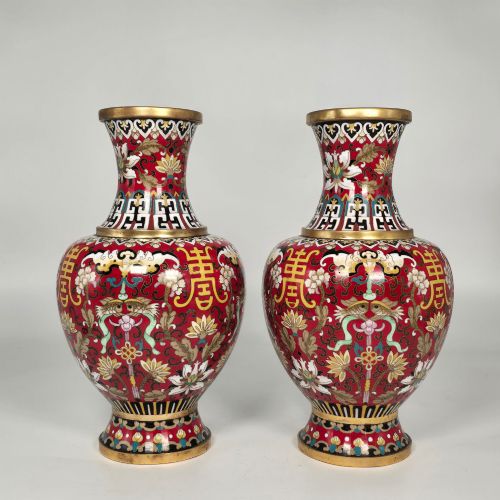
Makers utilised porcelain, earthenware and glass as foundational bodies, applying gilding, gold leaf, or ormolu mounts to create metallic highlights. Champleve enamel, bronze and gilt bronze provide structural weight and contrasting textures.
Painting and hand-finishing appear across the ceramic and porcelain examples, often combined with raised moriage details or reticulated piercing. Metal components undergo casting and gilding to achieve classical or neoclassical contours.
Gold Gilt Decorative Vase Retail Price Guide 2026
Typical asking prices for gold gilt decorative vase among the pieces listed under this phrase on Sellingantiques today, from the lower quarter to the upper quarter. They describe what is for sale here now, not the wider market.
Listings span the nineteenth and early twentieth centuries, incorporating materials like gilt bronze, porcelain, enamel and earthenware.
Craftsmanship and execution
The standard of execution rests upon the precision of the hand-painting, the crispness of the bronze or ormolu casting, and the delicacy of the gilding. Finer pieces display intricate brushwork on porcelain panels or detailed relief work on ceramic bodies.
Provenance and named makers or specific factory marks elevate examples within the range, distinguishing standard production items from exhibition pieces created by notable houses.
Flight Barr and Barr·Royal Worcester·Coalport·Kinkozan·Hododa
The Gold Gilt Decorative Vase Glossary
- Ormolu
- Gilded bronze mounts applied to furniture, glass, or porcelain. This technique was widely used in French decorative arts to add metallic definition.
- Moriage
- A type of raised enamel decoration used on Japanese ceramics. It creates a textured, three-dimensional surface effect on the glaze.
- Campagna urn
- A bell-shaped vessel form inspired by classical antiquity. Makers during the nineteenth century reinterpreted this classical silhouette in porcelain and metal.
- Reticulated
- Pierced or openwork decoration cut into the ceramic body before glazing and firing. It requires considerable skill to prevent warping in the kiln.
- Ewer
- A large jug with a wide spout and looped handle, often produced purely for display. These pieces mirror historical washing vessels but serve a decorative function.
Gold Gilt Decorative Vase: Frequently Asked Questions
What materials make up these vases?
The pieces combine ceramic bodies such as porcelain and earthenware with metallic elements including bronze, ormolu and gold leaf. Enamel and glass also feature across the selection.
Surface decoration frequently involves hand-painted scenes, gilding and raised ceramic relief work.
How do I identify a Satsuma vase?
Satsuma wares originate from Japan and typically feature an earthenware body with a crackle-glaze finish. They are decorated with detailed hand-painted scenes and heavy gold gilding.
Many bear specific artist or workshop signatures on the base, such as Kinkozan or Hododa.
Where were these pieces made?
The selection includes European porcelain and bronze from English factories like Royal Worcester and Coalport, alongside French gilt bronze works.
Japanese Satsuma pieces from the Meiji and Showa periods represent the Asian origins present in the listings.
How should I display a gilt vase?
These decorative vessels require stable surfaces away from direct sunlight to protect painted details and delicate gilding. Pairing them with complementary period furnishings suits their aesthetic.
Heavier bronze and porcelain pieces need robust placement due to their substantial weight.