





Gold Gilt Ceramic Jar
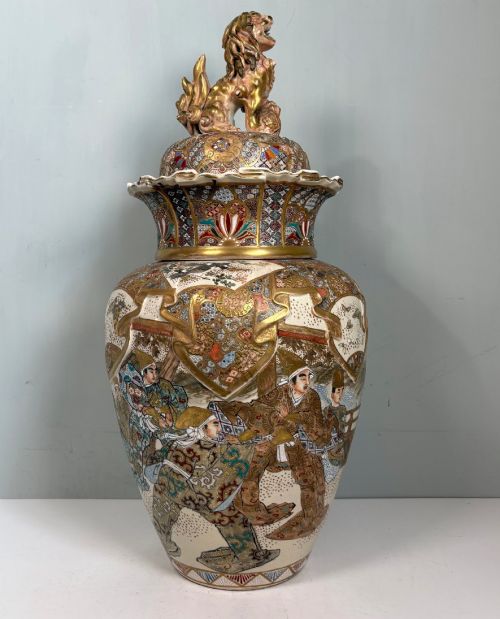
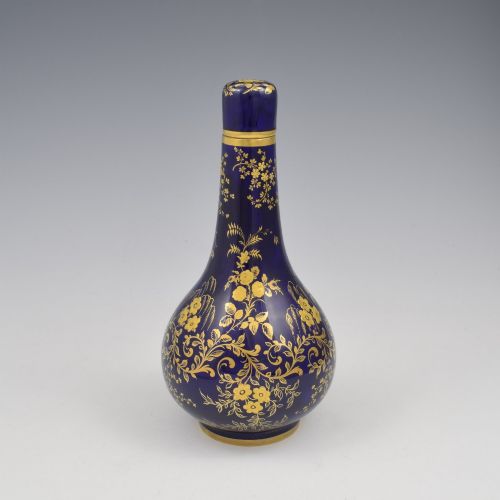
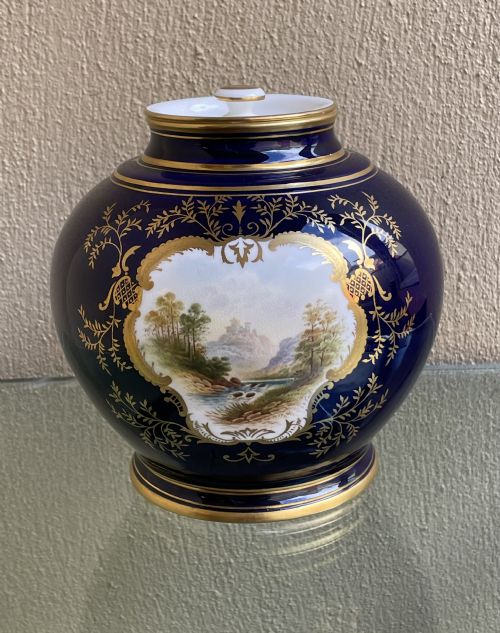
These gold gilt ceramic jar examples span nineteenth century Satsuma and English porcelain, offering rich gilding and painted detail for the interior.
Gold Gilt Ceramic Jar
A gold gilt ceramic jar search brings together decorative vessels, vases, and pot pourri containers adorned with metallic leaf, gilt, and enamel. These objects range from nineteenth century Japanese Satsuma and Arita wares to English porcelain pieces by makers such as Royal Worcester and Coalport.
The most common forms on this page include lidded pot pourri vases, bottle vases, and ginger jars or sugar bowls mounted in ormolu or brass. They combine ceramic bodies with intricate painting and gilding, spanning periods from the late nineteenth century into the mid twentieth century.
How they were made
Potters shaped the ceramic bodies from porcelain and earthenware, which were then fired before receiving detailed enamel painting and gold leaf or gilding. Many pieces incorporate applied bronze, brass, or ormolu mounts to secure lids and elevate the vessel form.
Makers utilised traditional techniques across English factories and Japanese studios, such as the Kyoto studios, applying hand-painted fruit, floral motifs, and classical Chinoiserie or Neoclassical designs beneath layers of protective glaze.
Gold Gilt Ceramic Jar Retail Price Guide 2026
Typical asking prices for gold gilt ceramic jar among the pieces listed under this phrase on Sellingantiques today, from the lower quarter to the upper quarter. They describe what is for sale here now, not the wider market.
Some nineteenth century pot pourri jars smell faintly of dried spices after a century or two of holding fragrant botanical mixtures.
What varies in quality
The precision and density of the hand-painted decoration set the finer examples apart from standard production wares. Master painters executed intricate fruit, figurative scenes, and symmetrical patterns with clear definition that retained crispness under the glaze.
The weight and finish of the gilding also distinguish the pieces, alongside the quality of any associated ormolu mounts and applied metalwork. Intact covers and signed studio pieces demonstrate higher execution standards from periods like the Meiji era or early English porcelain manufactories.
Royal Worcester·Coalport·Carlton Ware
The Gold Gilt Ceramic Jar Glossary
- Gilding
- The application of gold leaf, gold dust, or a thin gold mixture to the surface of ceramics. This technique highlights raised decorative elements and rims.
- Satsuma
- A type of Japanese earthenware featuring a crackle ivory glaze decorated with polychrome enamel and gilt. It gained significant popularity during the Meiji period.
- Ormolu
- Finely chopped high-karat gold applied to a bronze or brass base object. It provides durable metallic mounts for decorative jars and vases.
- Pot Pourri
- A vessel designed with a pierced or lidded body to hold dried plant material scented with spices. These jars diffuse fragrance while serving as mantel ornaments.
- Enamel
- Opaque vitreous glass fused to ceramic surfaces through firing. It creates vibrant, permanent colours alongside gilded details.
Gold Gilt Ceramic Jar: Frequently Asked Questions
What is a gold gilt ceramic jar used for?
These vessels functioned primarily as decorative ornaments, mantel displays, or specialised containers for pot pourri and sugar.
Their rich gilding and painted scenes were intended to catch candlelight and add colour to period drawing rooms.
How do I identify Satsuma ware?
Satsuma pieces typically display an ivory-coloured earthenware body covered in a fine network of crackle glaze.
They feature dense enamel painting combined with heavy gold leaf highlights, often bearing signature stamps on the base.
Where were porcelain painted fruit pieces made?
Painted fruit designs appear predominantly on English porcelain vessels produced during the late nineteenth and mid twentieth centuries.
Factories such as Royal Worcester employed specialist artists to render naturalistic fruit studies against shaded backgrounds.
How should I clean gilt ceramics?
Dust these pieces gently with a dry, soft brush to protect the delicate gold leaf and enamel surfaces from abrasion.
Water and chemical cleaning solutions should be avoided to prevent lifting the fragile gilding and old glazes.