




Gold Gilt Carved Artwork
Gold gilt carved artwork brings together centuries of layered oil paint, carved wood, and bright leaf.
Gold Gilt Carved Artwork
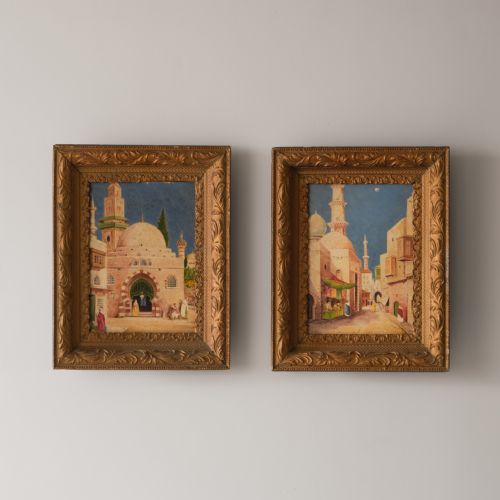
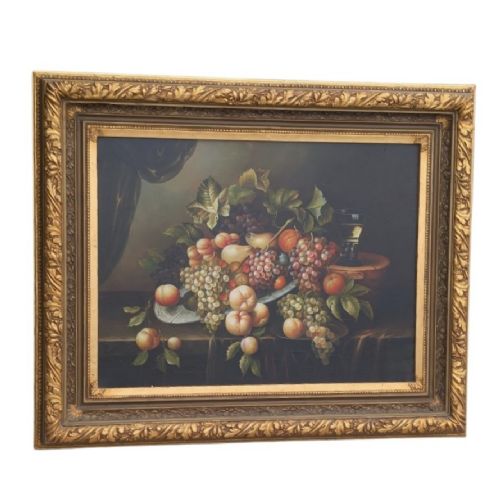
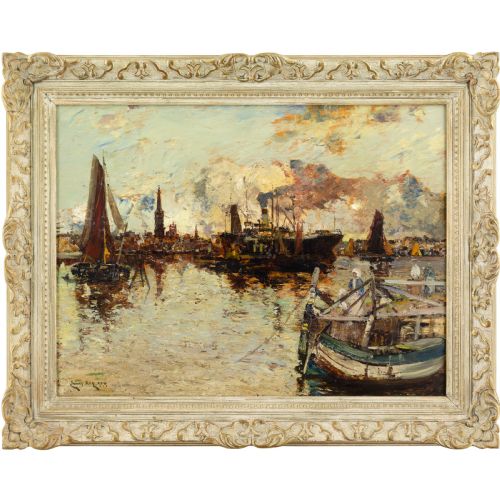
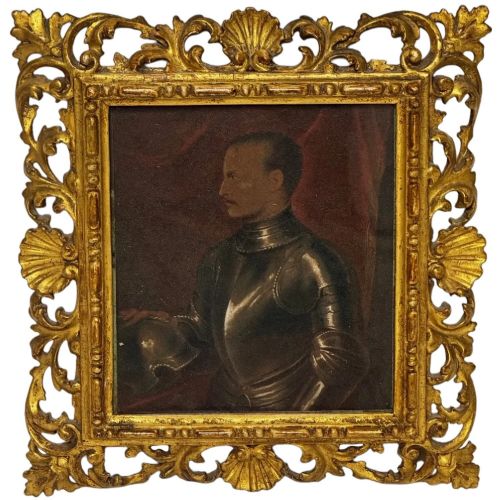
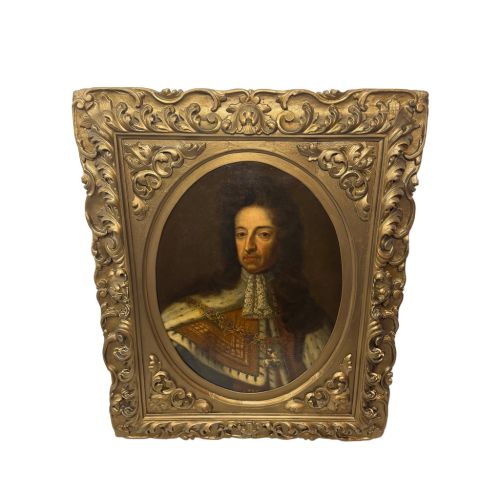
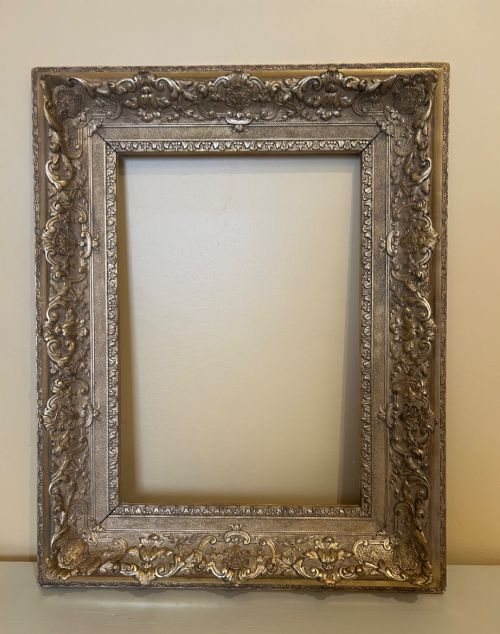
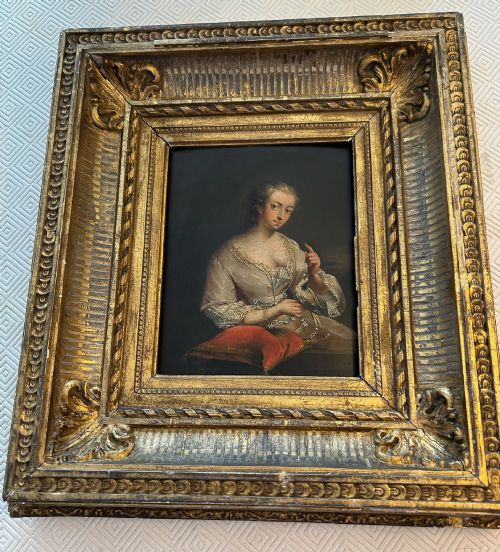
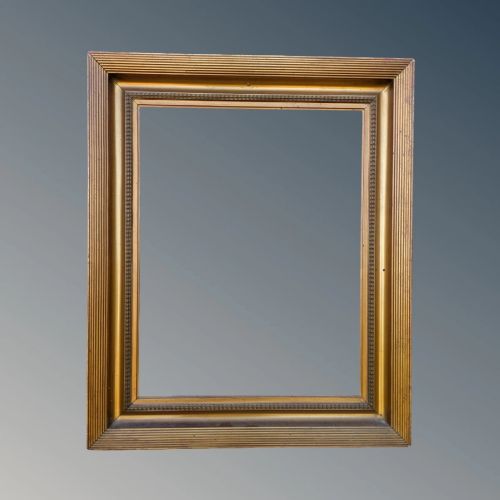
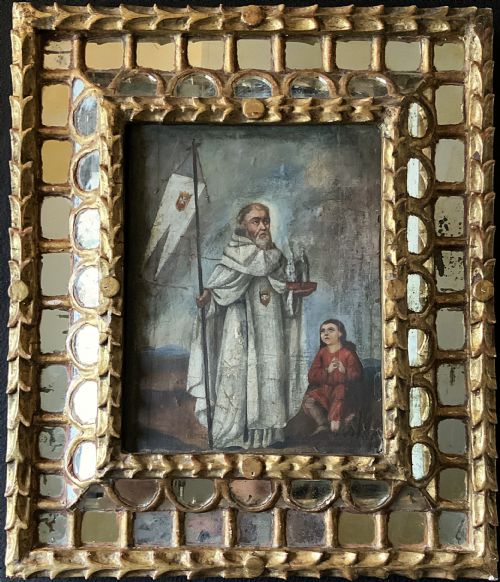
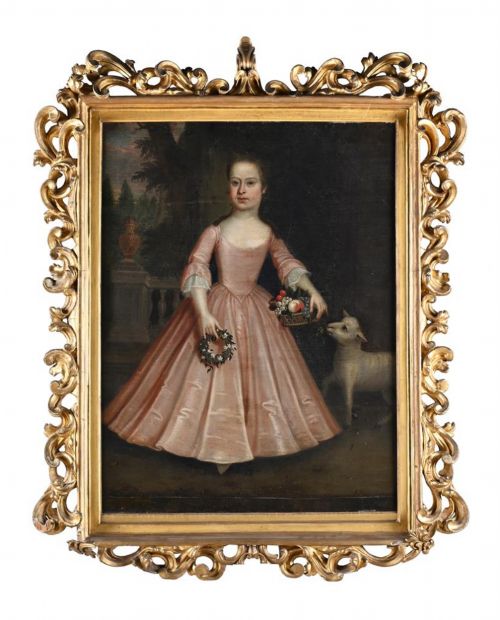
Gold gilt carved artwork encompasses oil paintings on canvas or board and the ornate wooden frames that house them. You will most frequently encounter 18th-century and 19th-century oil portraits, landscapes, and still lifes alongside standalone gilded wooden picture frames.
The selection spans periods from the 17th century through to the mid-20th century, drawing on English, French, Italian, and Spanish traditions. Works range from intimate domestic portraits to monumental religious scenes and heavy decorative surrounds.
Many of these objects combine fine art canvas with substantial timber structures, uniting painted portraiture or pastoral scenes with the sculptural craft of gilder and carver. The primary forms on this page reflect centuries of European portraiture, landscape painting, and decorative framing.
Materials and technique
Painters relied primarily on oil paint applied to stretched canvas or wooden panels, utilising pigment suspended in drying oils to build rich colour and depth. Canvases were often prepared with a gesso ground before the artist laid down preliminary sketches and successive layers of pigment.
The frames and decorative elements are constructed from wood, shaped by carving, and finished with a layer of gesso to create a smooth surface for gilding. Artisans then applied thin sheets of gold leaf, sometimes over a red or yellow bole, burnishing the metal to achieve a bright reflective sheen.
A solitary parrot perches quietly among centuries of solemn European counts and generals.
What separates the grades
Quality rests upon the execution of the painting and the depth of the carving on the surrounding frame. Superior works display confident brushwork, accurate anatomical proportions in portraits, and sophisticated handling of light and shadow.
The construction of the gilt element also dictates the tier of the piece, with hand-carved wooden mouldings and crisp gesso ornaments holding greater distinction than mass-produced composition ornament. Original matching pairs of paintings and frames command particular attention for their unified survival.
James Kay·Thomas Hudson·Frans Gailliard·Edward Ladell·Jan Evert Morel
The Gold Gilt Carved Artwork Glossary
- Gesso
- A plaster mixture applied to wood or canvas as a base for paint or gold leaf. It creates a smooth, absorbent surface essential for fine gilding.
- Giltwood
- Timber that has been decorated with gold leaf or gold paint. It forms the structural core of many antique picture frames and decorative carvings.
- Oil on Canvas
- Pigment mixed with drying oil applied to a woven fabric support. This combination allows for rich blending of colour and long-term durability.
- Baroque
- An ornate artistic style originating in the 17th century, characterised by dramatic movement and deep carved detail. Baroque frames and paintings exhibit high theatricality.
- Gilding
- The decorative process of applying very thin gold leaf or powder to solid surfaces such as wood. It protects the underlying material while providing a brilliant metallic finish.
Gold Gilt Carved Artwork: Frequently Asked Questions
Are these oil paintings original?
The paintings listed here are period works created in the centuries stated in their individual descriptions. Many represent original portraits and landscapes from European schools.
Some listings note pieces executed after earlier masters, which were standard practice for artists training or recording notable compositions. Check each title for specific attribution details.
How should I hang heavy gilt artwork?
Heavy frames require robust fixings secured directly into wall studs or masonry rather than standard plasterboard hooks. The combined weight of thick timber, gesso, and canvas demands professional picture wire and heavy-duty D-rings.
Ensure the hanging height keeps the piece away from direct heat sources like radiators. Stable room temperatures protect both the wooden frame and the canvas from warping.
What does a linen slip indicate?
A linen slip is a fabric-covered inner border placed between the oil painting and the outer wooden frame. It creates a visual buffer that separates the painted canvas from heavy gilding.
This technique became popular in framing to provide a neutral transition area. It helps draw the eye into the composition of the artwork.