

Gold Gilded Picture Frame
When you search for a gold gilded picture frame, you are looking at centuries of craftsmanship designed to elevate art and interiors alike.
Gold Gilded Picture Frame
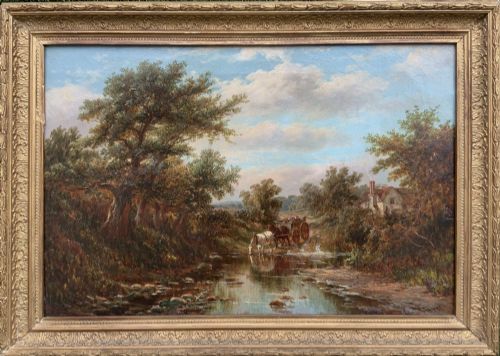
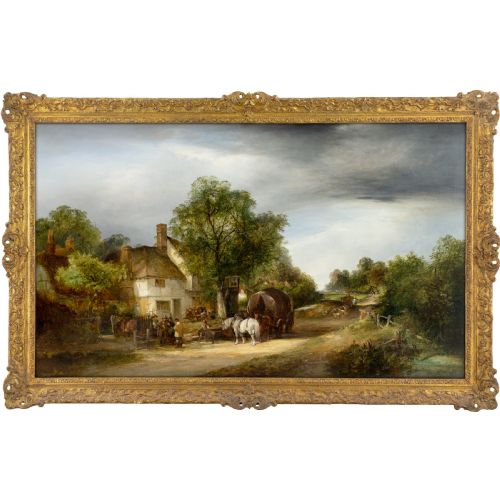
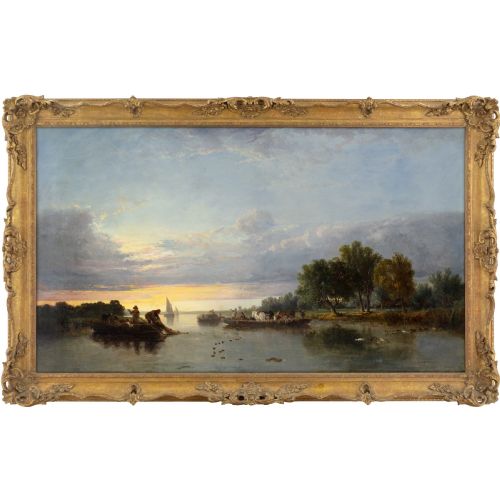
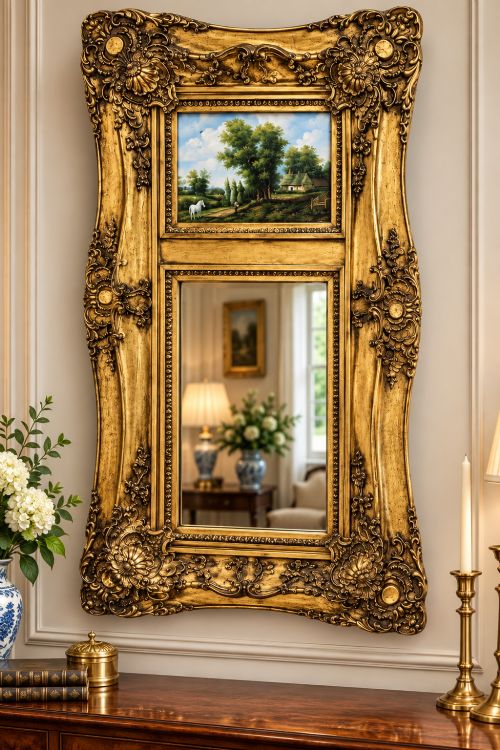
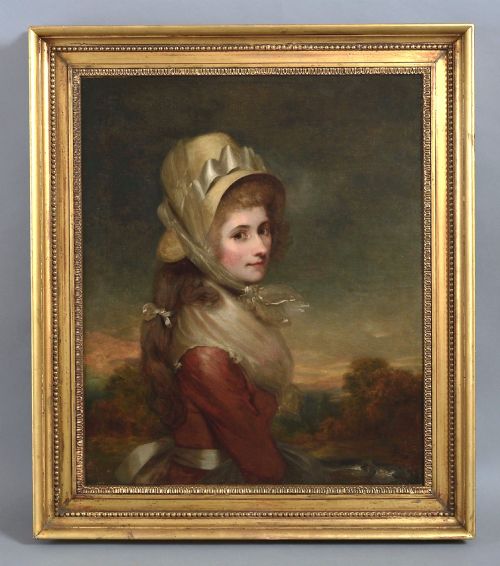
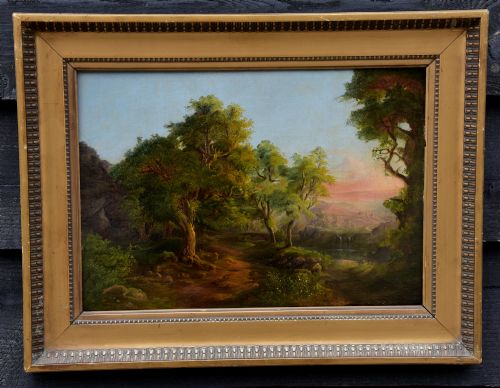
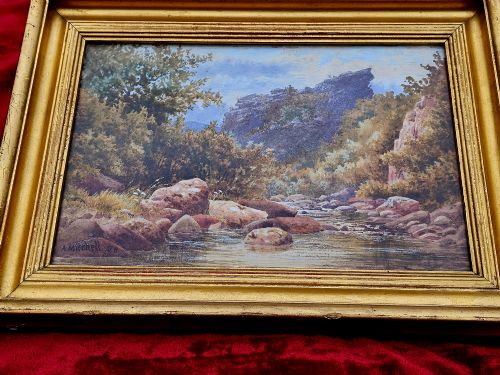
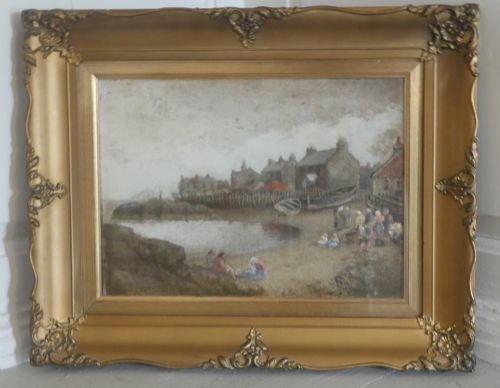
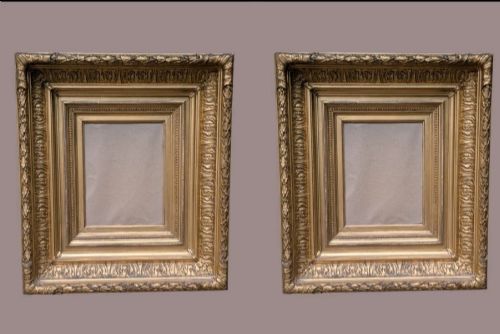
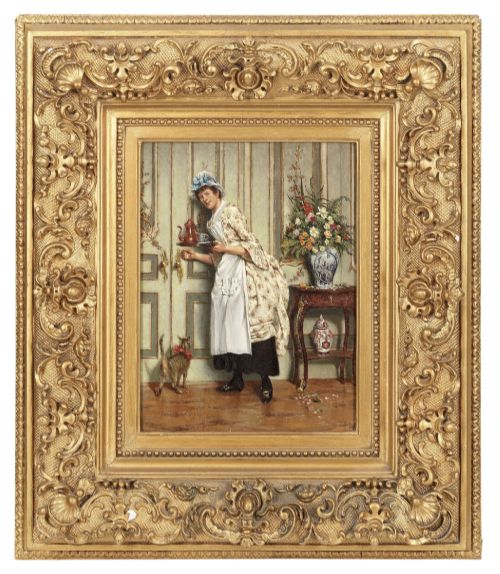
A gold gilded picture frame serves to enclose and elevate oil paintings, watercolours, and wall mirrors. These pieces span from the 18th century through to the mid-20th century, carrying periods like the Victorian era, Georgian period, and Edwardian times.
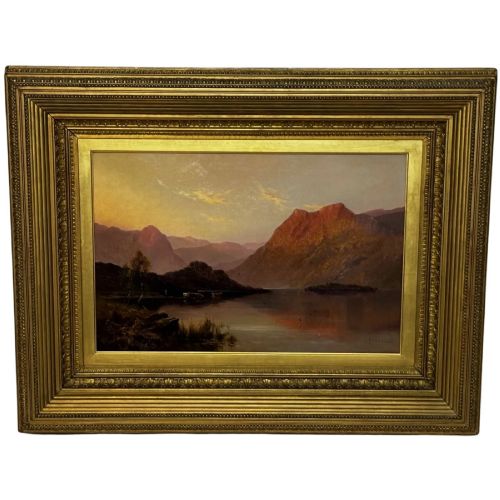
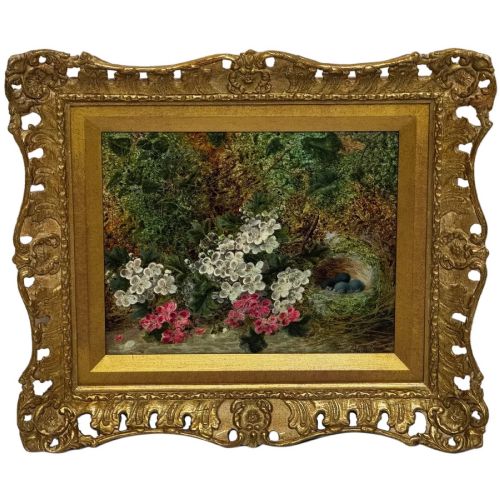
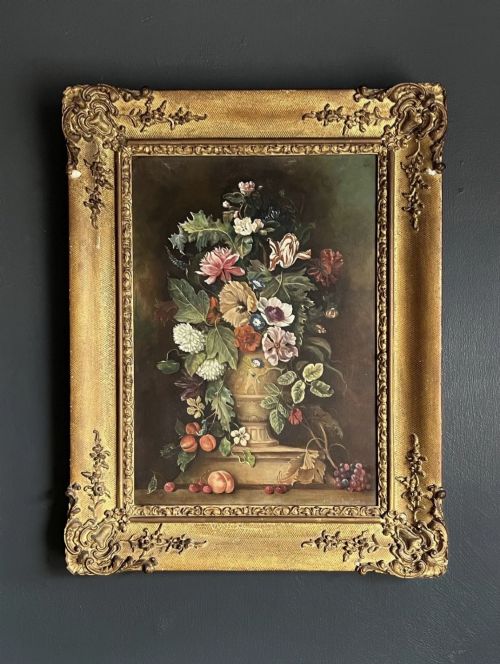
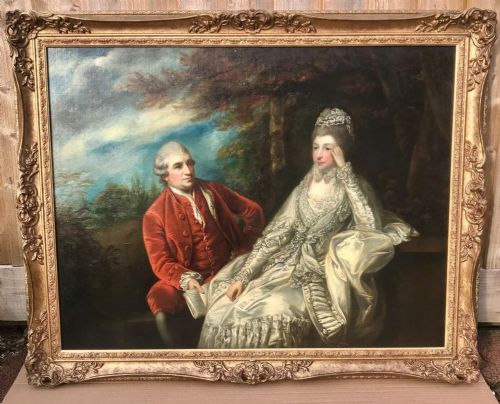
The version you are most likely to meet on this page is the 19th-century gilt frame or Victorian gilt mirror, often housing oil on canvas or oil on board landscapes and portraits.
Makers and artists applied these frames to everything from British Impressionism to Rococo Revival pieces, creating a distinct visual weight for domestic spaces.
How They Were Made
Carpenters and artisans built the core structures using wood, onto which they applied layers of gesso to create smooth or moulded decorative surfaces.
Craftsmen then laid thin sheets of gold leaf over the prepared ground, burnishing the metal to achieve a brilliant reflective sheen.
Carved giltwood details, such as acanthus leaf decoration, were frequently worked directly into the wooden moulding before gilding took place.
A bird's nest and delicate spring blossoms quietly hide within the corners of one Victorian canvas.
What Varies in Quality
The depth and intricacy of the carving separate standard mouldings from superior examples, particularly in deep Victorian frames and Florentine designs.
The integrity of the original gesso and gold leaf application dictates the longevity and visual richness of the piece, as excessive over-gilding masks original detail.
Sir Godfrey Kneller·Sir Martin Archer Shee·Joshua Reynolds·Frederick Morgans·Stephen Samuel Lewin·David Bates·Alfred Lyndon Grace·Robert Thorne Waite·John Hodgson Lobley·Henrietta Rae·Robert Watson·John Wilson Carmichael·Edwin Steele·Fred Fitzpatrick·Thomas Gainsborough·Henry Yeen King·Delapoer Downing·Emily Eyres·Gian Paolo Pace·Harold Clayton·Johannes Lingelbach·Sir John Gilbert
The Gold Gilded Picture Frame Glossary
- Giltwood
- Wood that has been covered with gold leaf or gold powder. This material forms the primary structure of many high-status antique frames.
- Gesso
- A plaster-like mixture applied to wood frames to create a smooth surface for gilding. It allows artisans to carve intricate relief patterns.
- Acanthus
- A foliage ornament derived from Mediterranean plant leaves. Carvers frequently utilised this motif on Victorian and revival frames.
- Overmantle
- A large mirror designed to hang specifically above a fireplace mantel. These often share the heavy gilded construction of picture frames.
- Oleograph
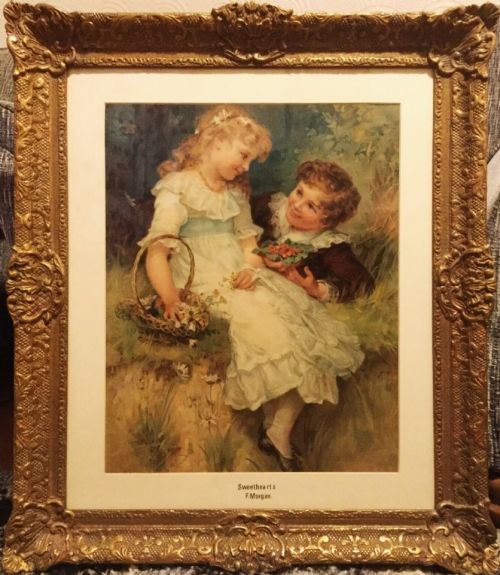
- A type of chromolithograph made to resemble an oil painting. These prints are occasionally found set into period gilt frames.
Gold Gilded Picture Frame: Frequently Asked Questions
How do I date an old frame?
Examine the wood construction, joinery methods, and the composition of the gesso beneath the gold leaf. Earlier pieces often feature hand-carved wooden mouldings, whereas later 19th-century examples may incorporate composition ornament.
Look closely at the fastening methods on the reverse and any stamps or labels left by makers or framers. Stylistic cues, such as Victorian acanthus motifs or Georgian proportions, also point directly to a specific era.
Can I hang a heavy gilt mirror safely?
Heavy gilded wall mirrors and deep picture frames require robust wall fixings secured directly into studs or masonry. Using standard picture wire is insufficient for substantial wood and gesso pieces.
Consult a professional framer or installer to attach heavy-duty D-rings and appropriate hanging hardware to the frame structure. Distributing the weight evenly ensures the antique remains secure on the wall.
How should I clean a gold leaf frame?
Dust the gilded surface gently with a very soft, dry brush or a clean microfibre cloth. Avoid applying water, liquid cleaners, or chemical solvents, as these easily damage fragile gold leaf and underlying gesso.
Take care around carved relief work where the gold leaf may be thin or already lifting. Professional conservation is necessary if the surface requires more than light dusting.
What is the difference between giltwood and gilded wood?
Giltwood strictly refers to solid timber that has been carved and covered entirely in gold leaf. The material beneath the gold is visible only where wear has occurred over time.
Gilded wood is a broader term that can include secondary woods or composition ornaments coated to simulate solid gold finishes. Both techniques yield the brilliant reflective surfaces seen on antique wall art.