
Gold Framed Victorian Print
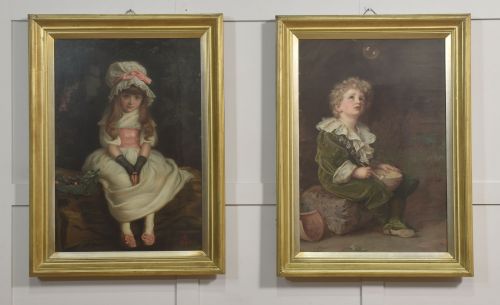
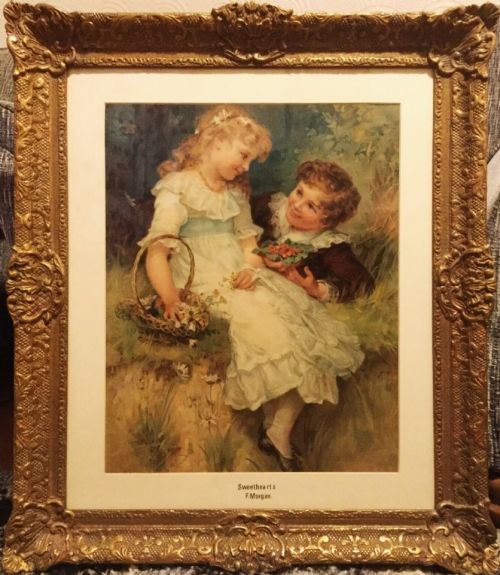
A gold framed victorian print brings nineteenth-century portraiture, sporting scenes and pastoral life into a room with traditional gravitas.
Gold Framed Victorian Print
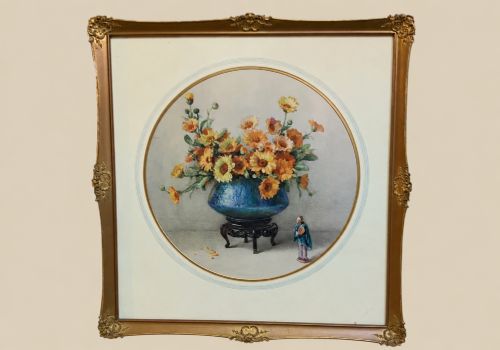
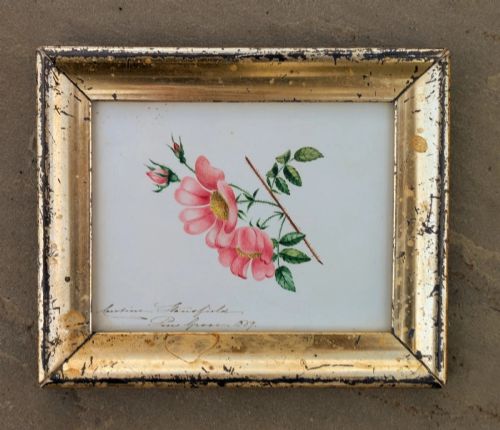
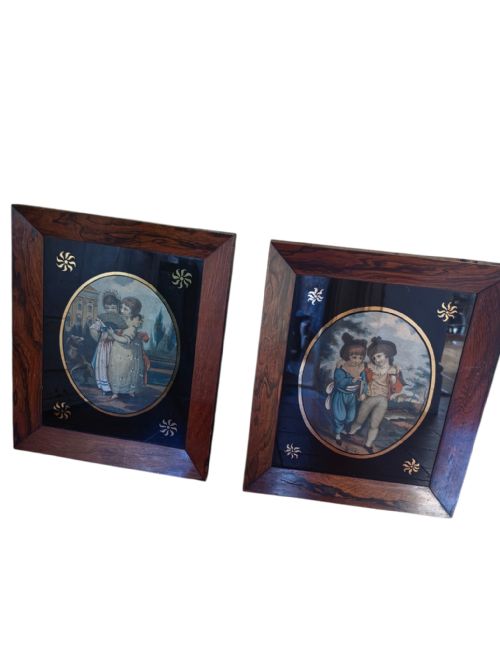
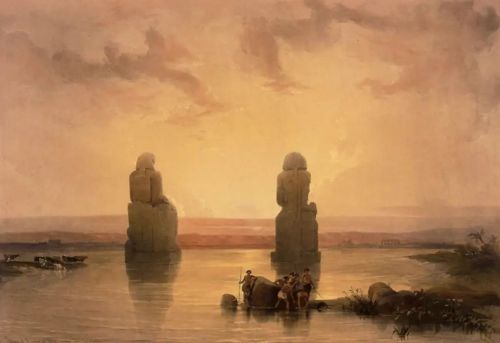
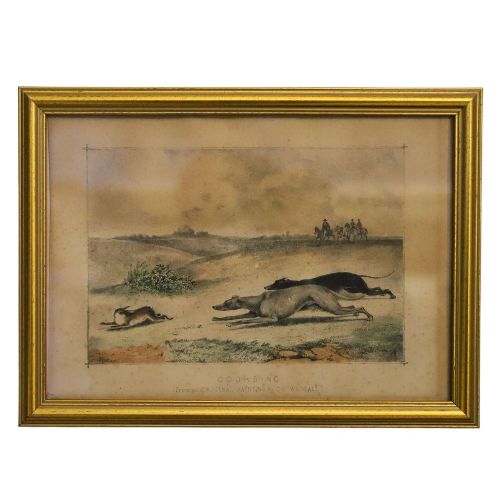
A gold framed victorian print encompasses period framed artwork, engravings, lithographs and oleographs housed in giltwood and gesso mouldings. Buyers look for these pieces to anchor period interiors with authentic nineteenth-century imagery ranging from sporting studies to classical portraits.
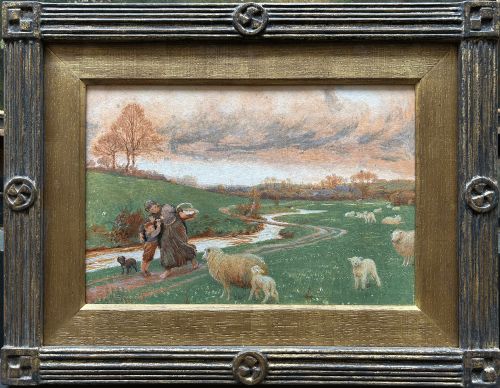
The selections span mid-nineteenth century works through to early twentieth-century print productions, alongside related oil paintings and watercolours sharing the same framing aesthetic. Pastoral scenes, animal studies and historical subjects dominate the physical inventory.
Most examples rely on wooden frames finished with gold leaf or gilt preparation, protecting paper, canvas or glass-covered surfaces underneath. The format allows collectors to acquire period wall art retaining its original decorative housing.
Materials and construction
Framing relies on carved wood finished with gesso and gold leaf to create the characteristic metallic sheen. These gilt frames enclose paper prints, lithographs, engravings or canvas supports protected by glass.
Reproduction and printing techniques include mid-nineteenth-century lithography, hand-coloured engravings, mezzotints and oleographs on canvas. Underlying substrates consist of paper and canvas mounted within structural timber frames.
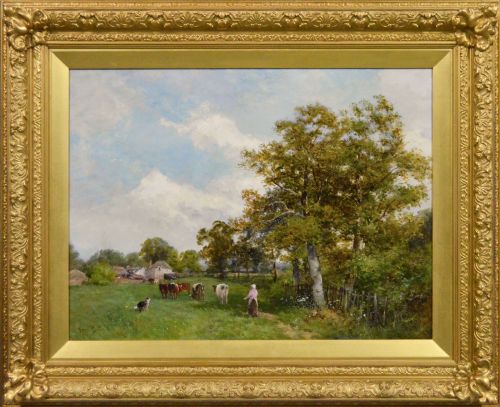
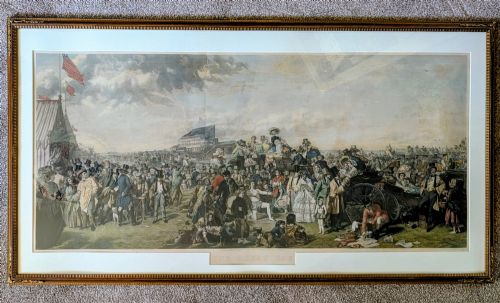
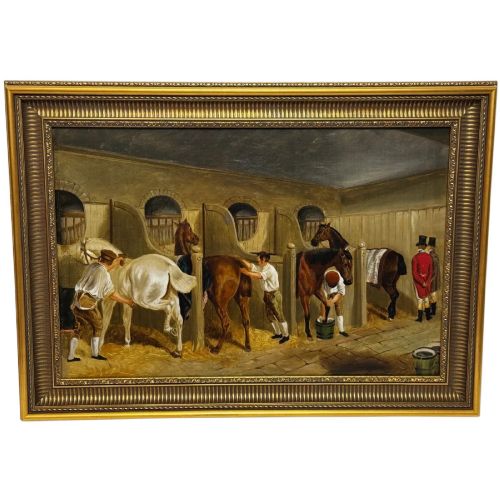
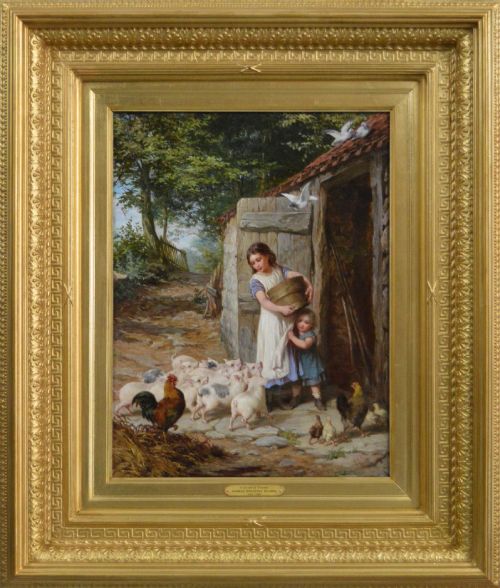
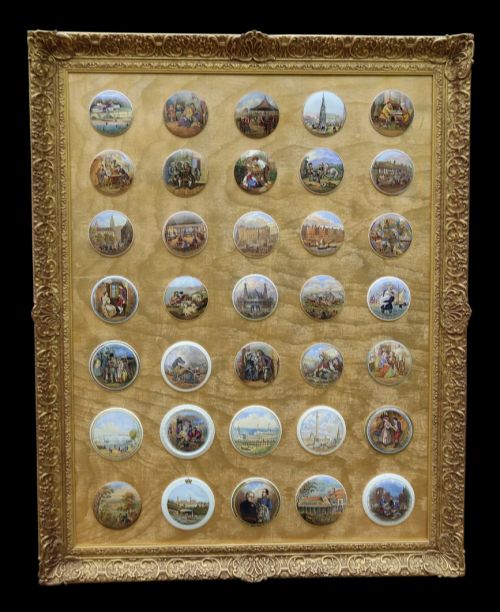
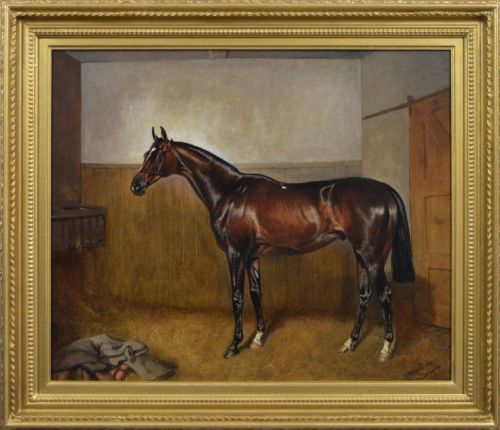
Dogs herd cows, pigs receive attention from children, and racehorses pose proudly while gilt frames hold it all together.
Evaluating distinction
Quality rests in the preservation of the original gilt frame and the crispness of the underlying print or painting. Intricate gesso moulding detail and intact gold leaf elevate the piece above plain wooden substitutes.
The clarity of the image impression, whether lithograph, engraving or oil on canvas, dictates visual success. Hand-colouring depth and the integrity of the protective glass or surface finish complete the assessment.
Frederick Morgans·David Bates·William Powell Frith·George Augustus Holmes·David Roberts·Frederick Walker·John Alfred Wheeler·Charles Edward Wilson·Oliver Goldsmith·Charles Burton Barber·Arthur Hacker
The Gold Framed Victorian Print Glossary
- Giltwood
- Wood carved and coated with gold leaf or metallic gilt preparation. This finish defines the ornate borders typical of period picture frames.
- Gesso
- A plaster-like mixture applied to wood frames before gilding. It provides a smooth base for intricate moulded decorative reliefs.
- Lithograph
- A print produced from a flat stone or metal plate using a chemical image transfer. It served as a primary medium for mass-producing nineteenth-century colour images.
- Oleograph
- A textured reproduction on canvas that simulates an oil painting through chromolithographic printing. These items often appear under protective glass in heavy gilt frames.
- Engraving
- An image incised into a metal plate using a sharp tool before ink application and printing. This technique yields fine, sharp linear detail on paper.
Gold Framed Victorian Print: Frequently Asked Questions
What periods do these pieces cover?
The inventory spans the nineteenth century and early twentieth century, capturing Victorian aesthetic shifts from 1850 through to Edwardian production.
Items incorporate later commemorative pieces from the early nineteen-hundreds while retaining the traditional framing styles of earlier decades.
How should I display them at home?
Mount these framed works on walls with stable humidity away from direct sunlight to protect the paper and the delicate gilt surface.
Their heavy gold frames suit traditional studies, hallways or living rooms alongside period furniture and classic interiors.
Are the frames original to the prints?
Many pieces retain their original nineteenth-century giltwood or gesso frames, showing appropriate age-related wear to the metallic finish.
Matching the frame style and framing material to the print's production era confirms historical continuity.
What subjects are most common?
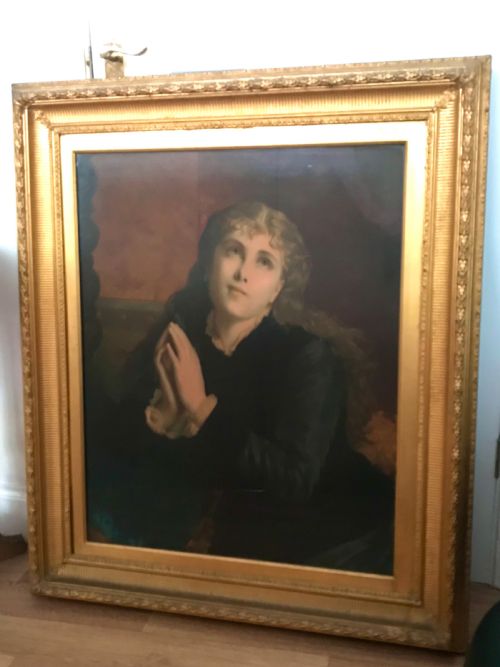
Portraits, equestrian scenes, natural history studies and pastoral landscapes form the core subject matter across the available artwork.
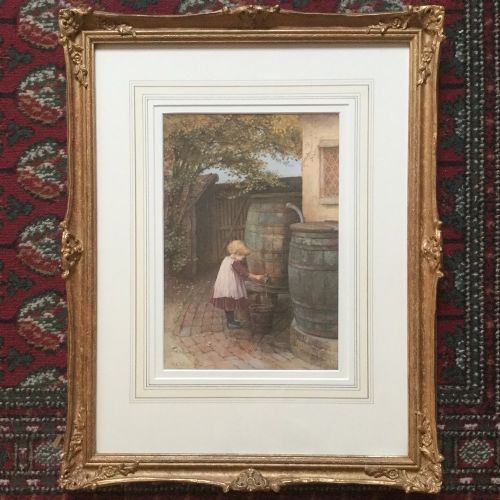
Genre scenes depicting children, animals and classical architecture also appear frequently within the selection.