





Antique Glass Picture Print
An antique glass picture print combines delicate reverse painting with historical printmaking, offering a glimpse into centuries of portraiture and decorative art.
Antique Glass Picture Print
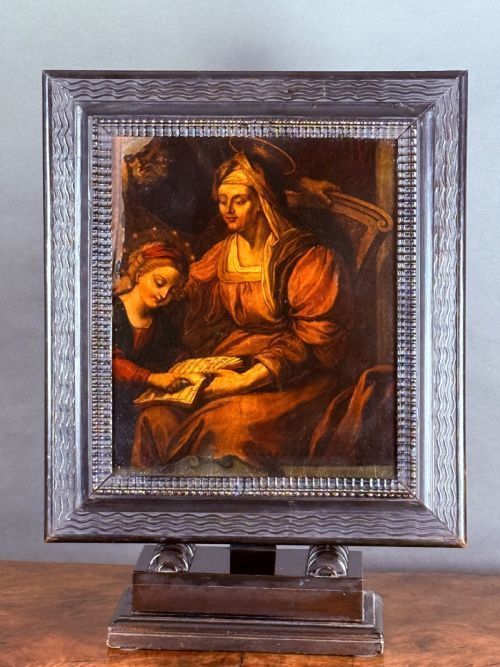
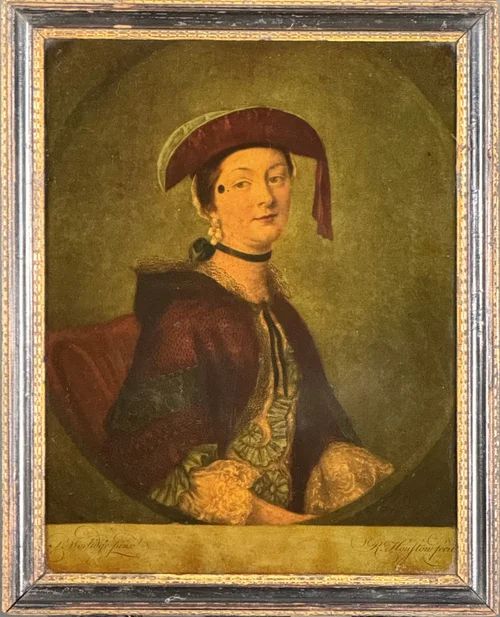
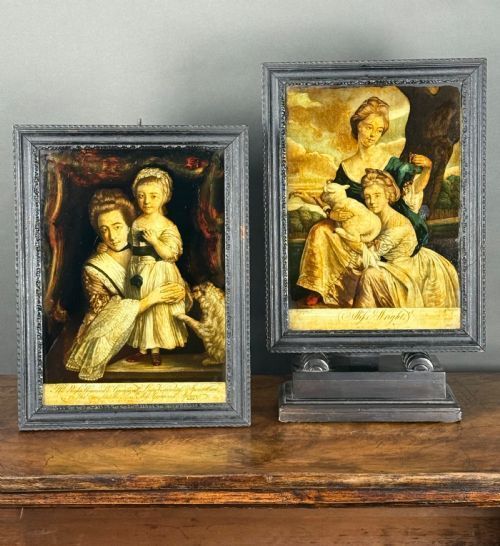
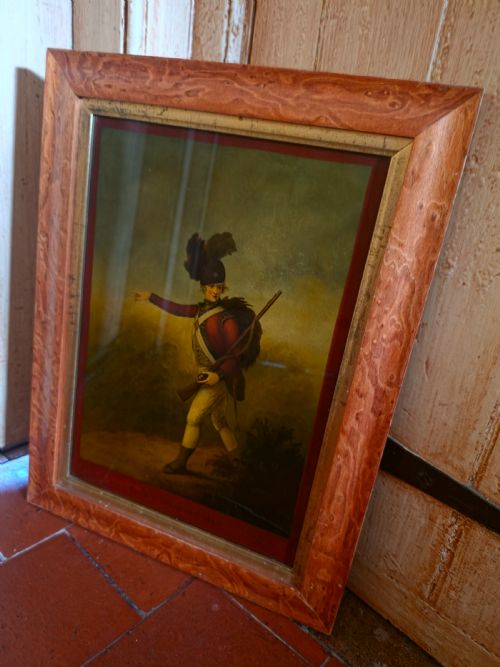
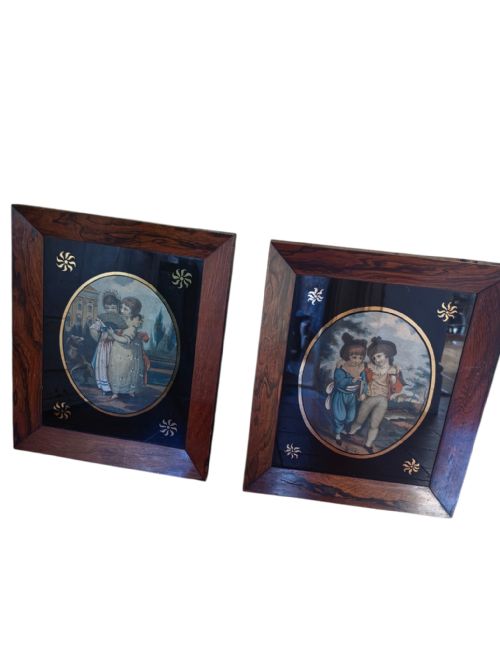
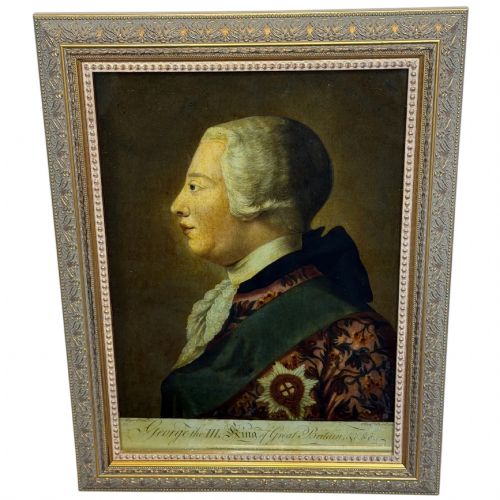
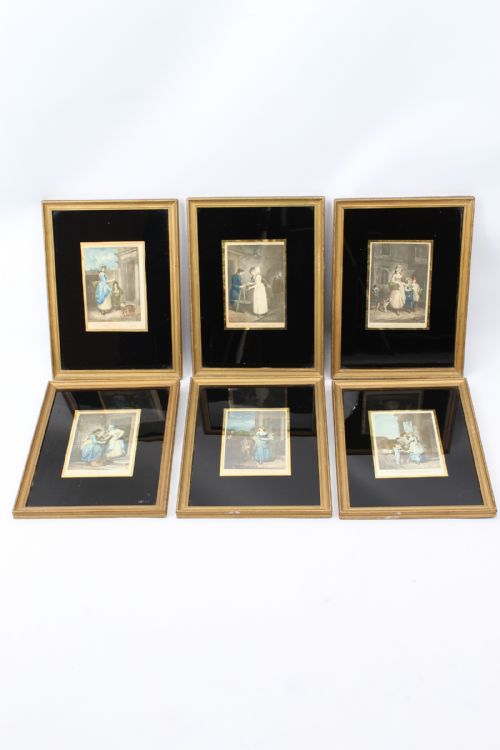
When you search for an antique glass picture print, you encounter delicate works where engravings or mezzotints were transferred directly onto the back of glass panels before being hand-coloured with pigment or oil paint. These pieces span from the eighteenth century through the Victorian era, capturing subjects that range from Georgian nobility and religious scenes to military engagements and seasonal allegories.
The version you are most likely to meet on this page is the reverse painted mezzotint set within a period wooden frame, often originating from the Georgian or Regency periods. Makers applied inked prints face down to glass, rubbed away the paper backing, and carefully tinted the remaining translucent ink with rich pigments to achieve a luminous finish.
What varies in quality
The precision of the initial mezzotint transfer and the skill of the hand-applied pigment dictate the visual depth of each piece. Superior examples display delicate tonal graduation in the faces and garments, whereas lesser works rely on flat, heavy application of oil paint that obscures the underlying printed lines.
The integrity of the original frame also influences the overall standard, as period giltwood, maple, or rosewood surrounds that have survived intact alongside the glass panel indicate careful preservation over centuries.
Light infantrymen, naval battles, and domestic maids share wall space here with saints, archdukes, and weeping milkmaids.
Fletcher·Sebastiaan Vrancx·Charles Spooner·Richard Purcell·Robert Sayer·Henry Corbould
The Antique Glass Picture Print Glossary
- Mezzotint
- A printmaking process where the copper plate is roughened to achieve rich dark tones and subtle gradations of light. This technique formed the foundation for many reverse glass prints.
- Crystoleum
- A Victorian method of applying a colourless paper print to glass, hand-colouring it, and then adding subsequent layers of paint and backing glass to create a three-dimensional effect.
- Eglomise
- A process of applying cold gilding and painting to the reverse of glass. It appears frequently in decorative panels and mirror frames.
- Oleograph
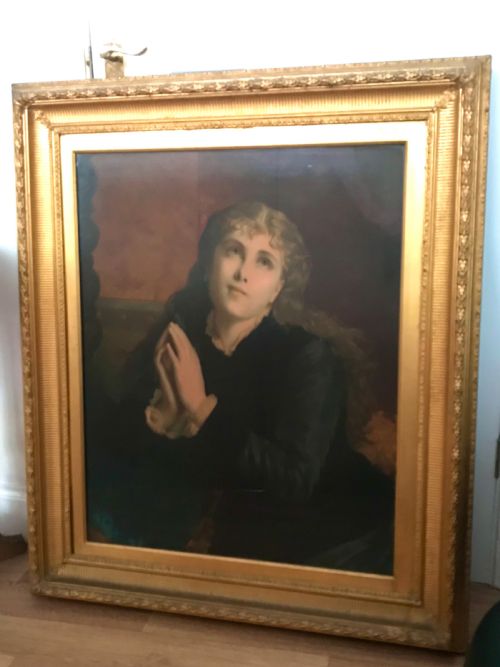
- A type of chromolithographic reproduction printed on canvas to simulate an oil painting. Some examples were subsequently mounted under glass for domestic display.
Antique Glass Picture Print: Frequently Asked Questions
Are these prints painted on the front?
The defining characteristic of these works is that all pigment and ink application occurs on the reverse side of the glass.
This technique protects the colours from atmospheric dust and handling while imparting a distinct glossy depth when viewed from the front.
What frames are typical for these pieces?
Makers housed these fragile glass panels in period wooden surrounds, most frequently selecting giltwood, maple, or rosewood.
Many retain their original frames, which often feature divided sections or gilt ornamentation characteristic of Georgian and Victorian design.
How do I distinguish a mezzotint from a crystoleum?
Eighteenth-century examples typically utilise reverse-painted mezzotints where paper was rubbed away from inked glass.
Later Victorian crystoleoms involved layering multiple translucent paper prints and hand-applied paints to achieve a more opaque, dimensional appearance.