
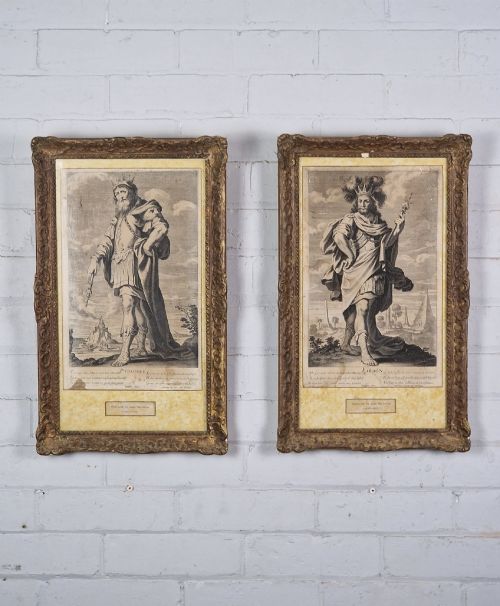
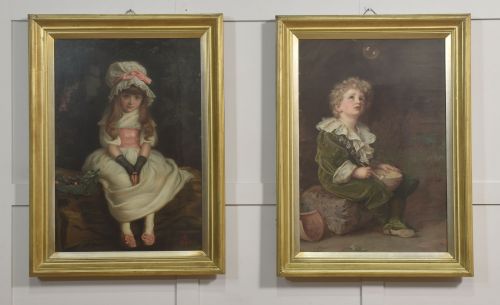
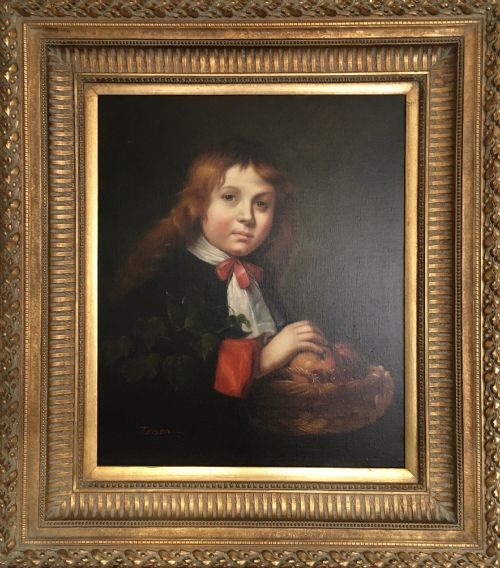
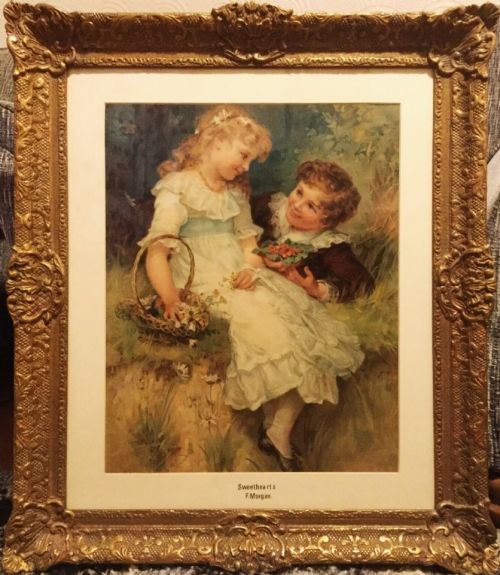
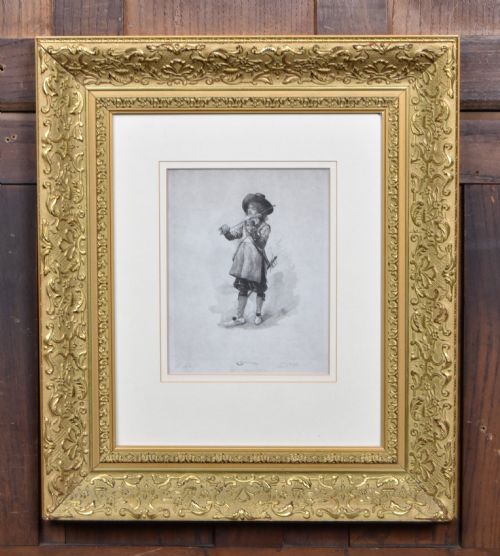
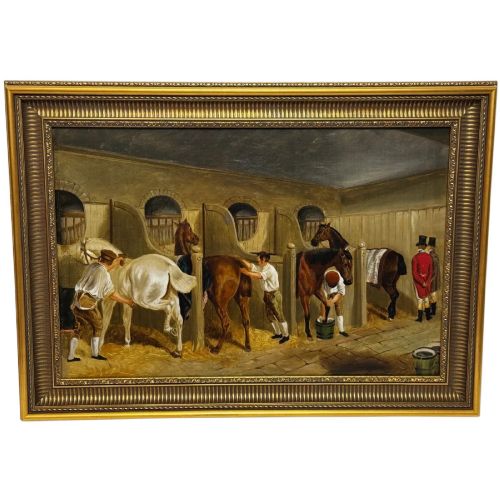
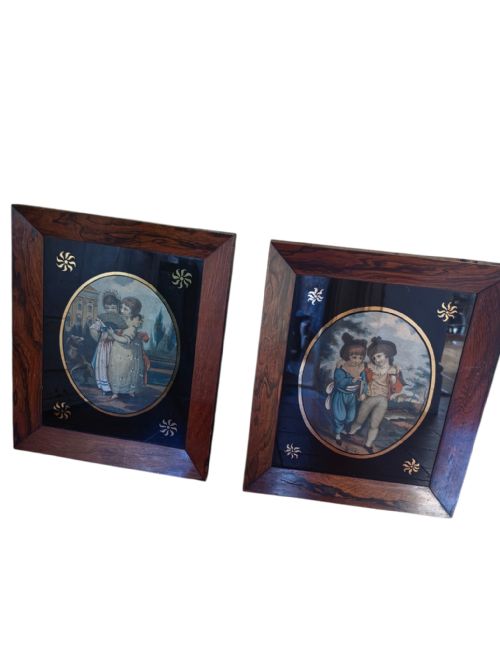
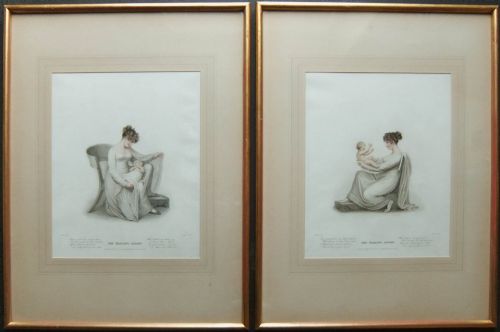
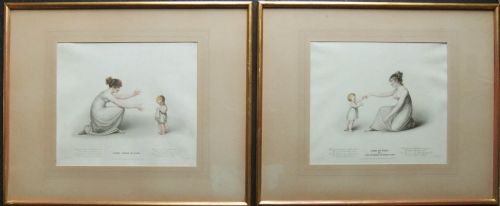
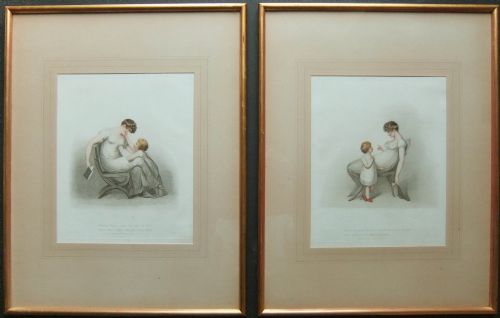
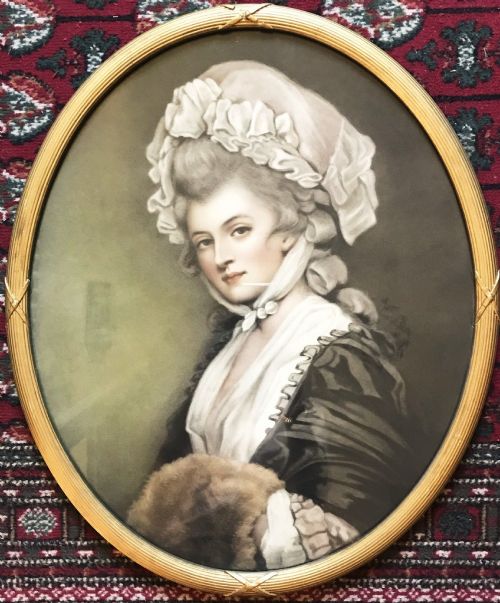
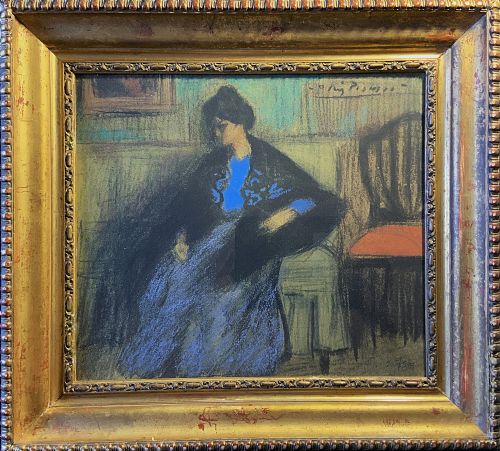
Gold Framed Portrait Print
A gold framed portrait print brings character to a room through historical likenesses and decorative mountings.
Gold Framed Portrait Print
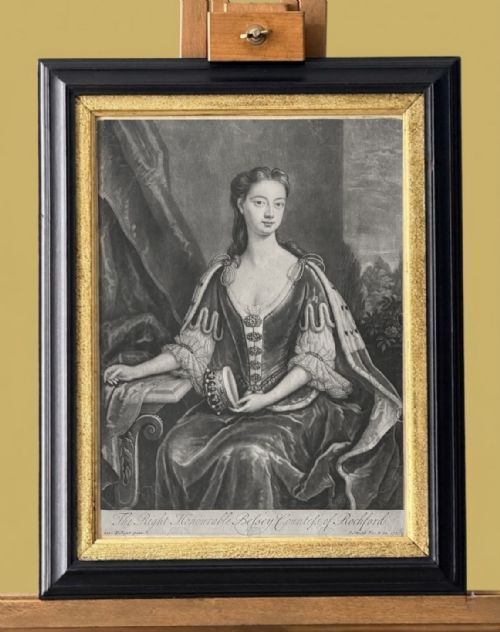
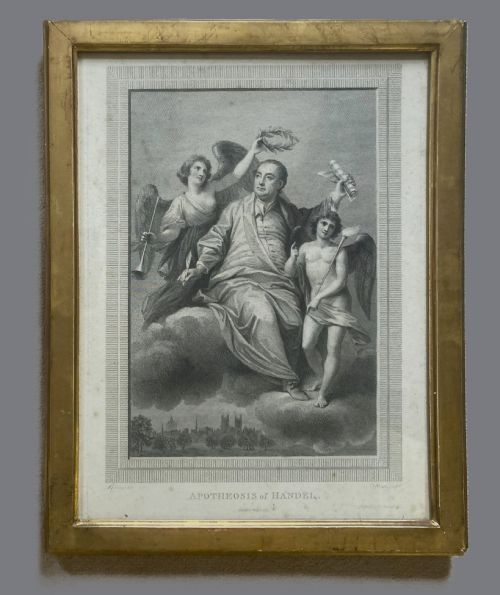
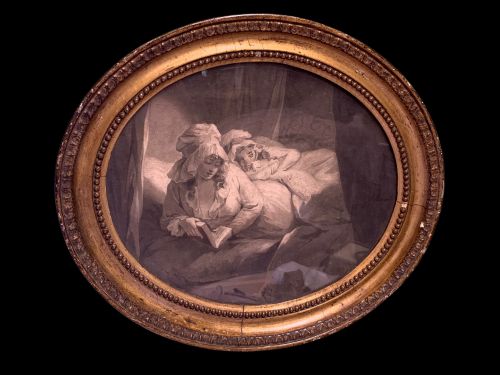
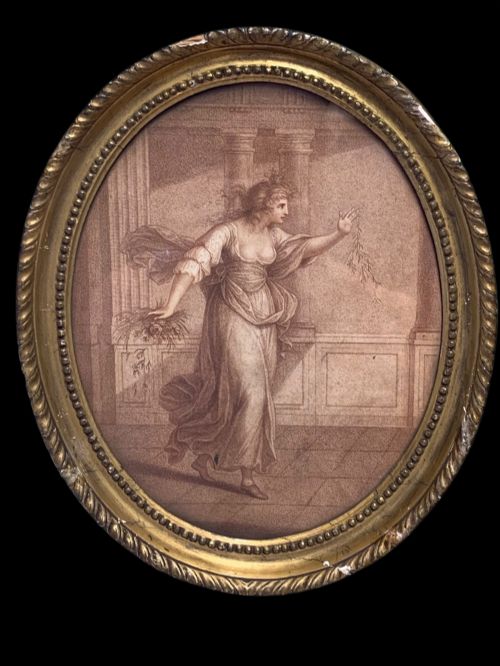
A gold framed portrait print encompasses historical engravings, mezzotints, oleographs, and lithographs housed within gilt wood or painted surrounds. These pieces capture likenesses of nobility, children, and political figures derived from original paintings across several centuries.
The selection here draws primarily from eighteenth-century engravings, nineteenth-century Victorian pieces, and early twentieth-century print runs. Buyers frequently encounter subjects after classical artists alongside advertising and allegorical works.
Giltwood surrounds and glass glazing protect these paper and canvas works, creating a distinct visual presentation that links past portraiture with traditional interior display.
Materials and Construction
Makers utilised paper, canvas, and glass to support the central printed or painted imagery, often applying gold leaf or gilt finish to timber frames. Techniques range from traditional copperplate engraving and mezzotint to later oleograph reproduction on canvas.
Frames combine structural wood with gesso and gold leaf applications, sometimes incorporating rosewood or Hogarth profiles alongside ornate moulded ornament. Glazing protects delicate paper surfaces from environmental damage over generations of display.
Gold Framed Portrait Print Retail Price Guide 2026
Typical asking prices for gold framed portrait print among the pieces listed under this phrase on Sellingantiques today, from the lower quarter to the upper quarter. They describe what is for sale here now, not the wider market.
Materials recorded include giltwood, paper, canvas, and glass.
Factors of Quality
The crispness of the impression dictates the success of an engraved or mezzotint portrait, where early pulls from a plate display superior fine lines compared to worn later editions. Hand-colouring, where present, introduces subtle tonal variation that elevates the visual depth.
Frame craftsmanship contributes significantly to the overall merit of the piece, with genuine period giltwood mouldings offering better material depth than later substitutes. The preservation of the underlying paper or canvas beneath glass remains central to the integrity of each work.
Jean Mariette·John Smith·James Heath·Adam Buck·Louis Icart·John Alfred Wheeler·Robert Sayer·George Romney·Charles Burton Barber·Edward Stodart
The Gold Framed Portrait Print Glossary
- Mezzotint
- A printmaking process of the intaglio family where the plate is roughened to achieve dark tones and scraped to produce light areas. This technique allows for rich gradations of shadow and light.
- Oleograph
- A type of chromolithography designed to imitate an oil painting by reproducing brush texture and varnished colour. These are typically printed on canvas or textured paper.
- Stipple engraving
- A method of creating prints by means of dots rather than continuous lines, producing soft tonal effects particularly suited to flesh and drapery. It gained popularity during the eighteenth century.
- Reverse glass print
- An image painted or transferred directly onto the back of a glass panel to be viewed from the front. This method imparts a glossy surface sheen.
- Giltwood
- Timber that has been coated with gold leaf or gold paint for decorative effect. It forms the primary housing for traditional framing.
Gold Framed Portrait Print: Frequently Asked Questions
What is a gold framed portrait print?
A gold framed portrait print is a historical likeness on paper or canvas, secured beneath glass within a gilded timber surround.
These works span centuries of printmaking and painting reproduction, offering decorative wall art with classical subjects.
How do I date a gold framed portrait print?
Dating relies on examining the framing materials, the printing technique, and the style of the portrait subject.
Eighteenth-century pieces often feature hand-laid paper and period moulding, while later Victorian and twentieth-century examples show distinct mechanical printing dots or oleograph textures.
How should I display these prints?
Hang these framed works away from direct sunlight to protect the paper, ink, and gold leaf from fading.
Ensure wall fixings match the weight of the timber and glass assembly to support the frame securely.
What are mezzotints and engravings?
Engravings use incised lines on a metal plate to transfer an image, whereas mezzotints build up rich tonal areas from a roughened surface.
Both methods produce detailed monochrome portraiture favoured by historical printmakers.