




Gold Framed Pastel Painting
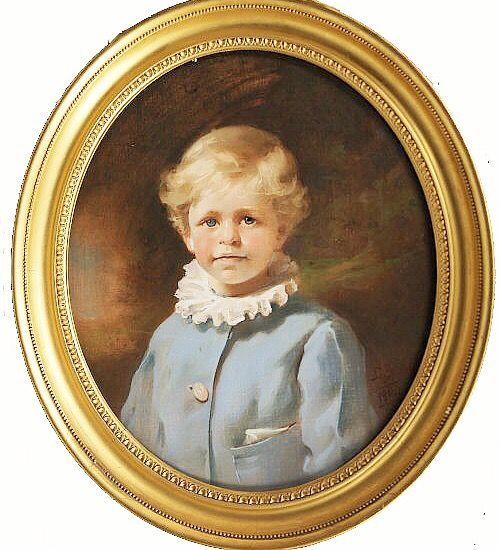
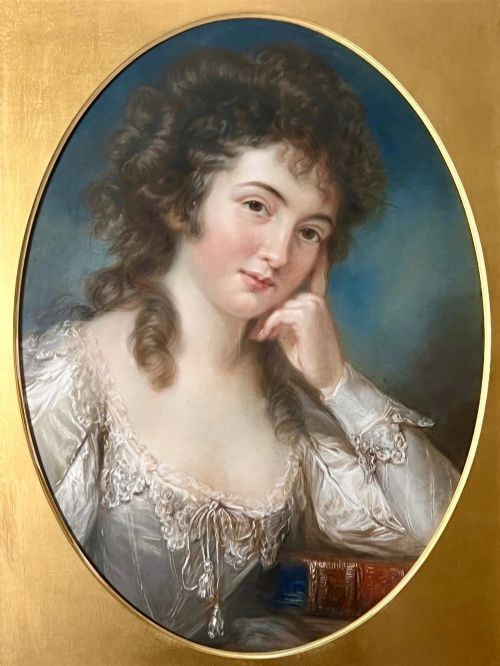
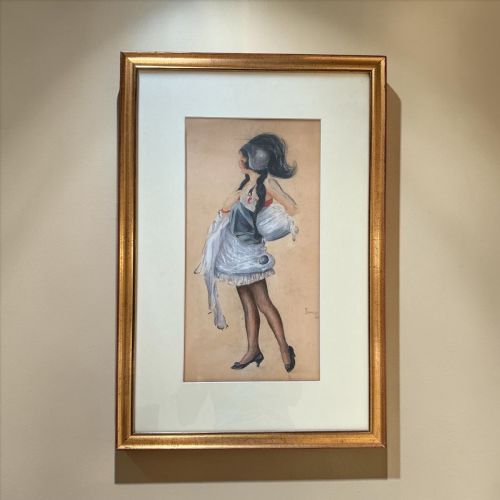
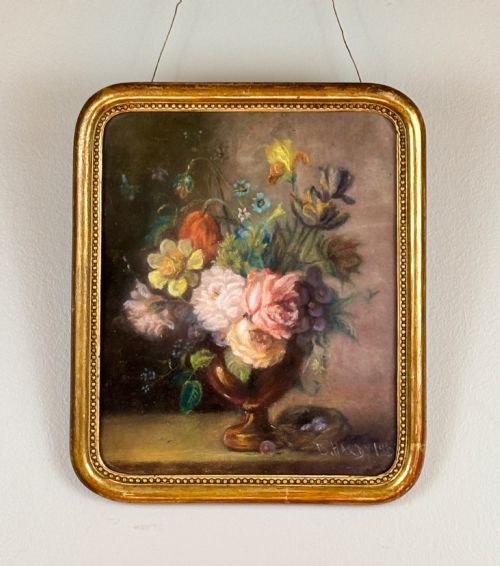
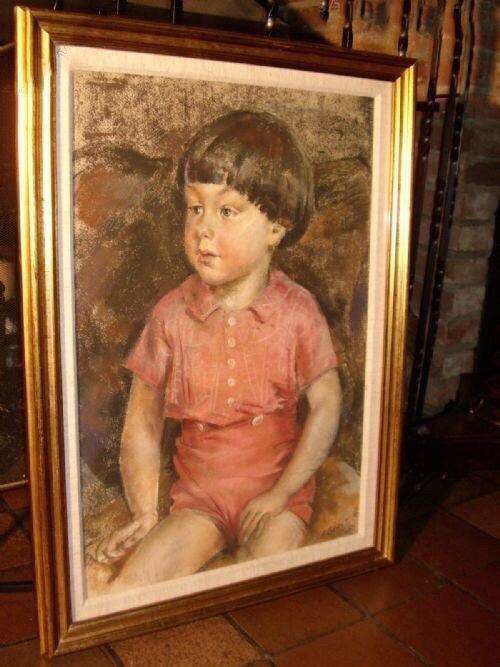
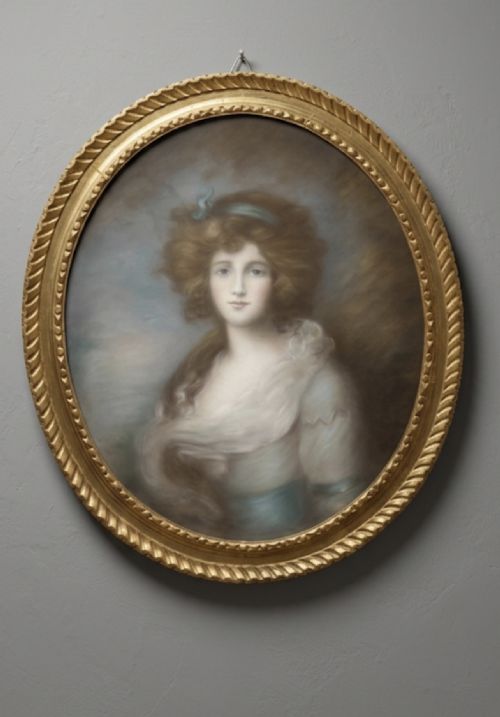
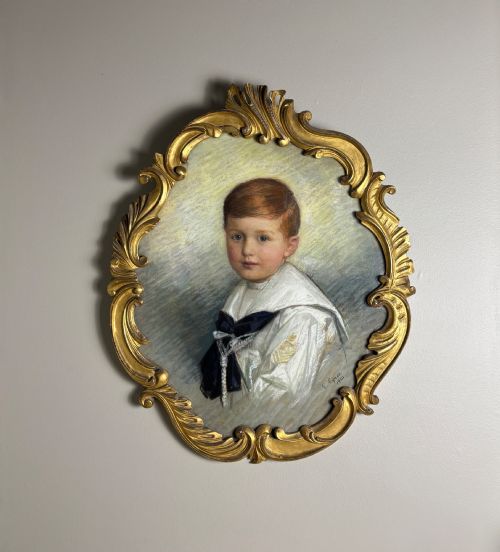
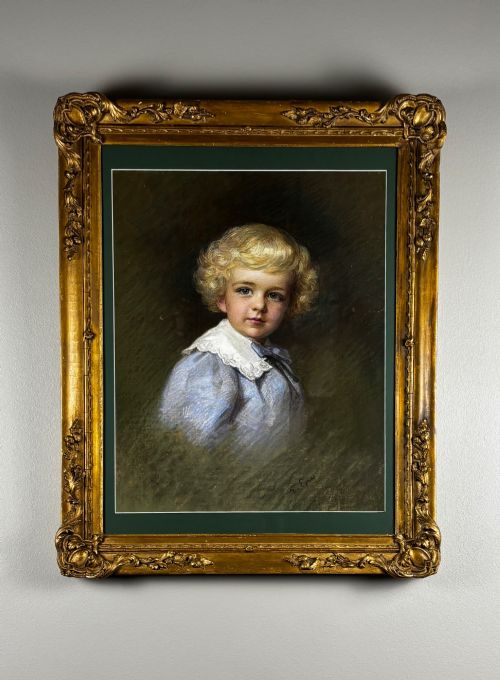
These pieces of gold framed pastel painting offer a direct window into historical portraiture and landscape, combining soft media with ornate surrounds.
Gold Framed Pastel Painting
A gold framed pastel painting brings together delicate chalk or pastel media on paper, canvas, or board with substantial giltwood or gold leaf surrounds. Buyers searching for a gold framed pastel painting encounter a diverse selection of portrait miniatures, full-scale likenesses, still lifes, and sweeping landscapes.
The pieces available span multiple eras, including Georgian, Victorian, Regency, Edwardian, and mid-century modern periods. Portraiture dominates the selection, frequently depicting named sitters, young ladies, gentlemen, and children, alongside French school works and landscape scenes.
How They Were Made
Artists executed these works using pastel, oil pastels, gouache, or crayon applied to paper, canvas, or board, sometimes paired with watercolour or ink. The fragile dry media required protection beneath glass, mounted within wooden frames finished in giltwood, gold leaf, or gilt wood.
Makers housed the delicate surfaces securely to prevent pigment loss, combining hand-carved or moulded frames with backing boards and protective glazing. The structural integrity of the frame preserved the unfixed or lightly fixed pigment of the artwork over decades and centuries.
Materials documented across the inventory include pastel, gouache, giltwood, glass, and paper.
What Varies in Quality
The degree of realism and anatomical precision in portraiture separates accomplished hands from standard output, particularly in the rendering of hands, fabrics, and facial expressions. Masterful handling of light and shadow in pastel creates depth and texture that lesser drawings lack.
The craftsmanship of the framing also dictates overall quality, with hand-gilded, ornate wooden mouldings commanding greater visual presence than simpler or later replacements. Preservation plays a role, as works retaining vibrant pigment and original backing demonstrate superior historical survival.
James Sharples·Emily Eyres·Leon Sprinck·John Russell·Joseph Knight·Antoine Calbet·John Hobson Nicholson·John Raphael Smith·Willem E. Roelofs·Josiah Gilbert·Gaston Bouy·Henry Bright·Gerrit Schipper
The Gold Framed Pastel Painting Glossary
- Pastel
- A dry painting medium consisting of powdered pigment and a binder, known for its velvety texture and soft colour graduation. It requires glazing behind glass for protection.
- Giltwood
- Wood that has been coated with gold leaf, gold dust, or metal leaf using a thin layer of size or gesso. This finish defines the ornate borders characteristic of these frames.
- Gouache
- An opaque water-based paint often used alongside pastel to add highlights, solid areas of colour, and sharp detail to works on paper.
- Portrait Miniature
- A small, highly detailed painting, frequently executed in pastel or watercolour on paper or ivory, popular during the eighteenth and nineteenth centuries.
- Gesso
- A plaster-like mixture applied to wood frames as a smooth base before gilding with gold leaf. It allows artisans to carve intricate relief patterns.
Gold Framed Pastel Painting: Frequently Asked Questions
How do I clean the glass?
Clean the exterior glass surface carefully with a soft cloth and a minimal amount of window cleaner applied to the cloth rather than the frame. Avoid letting moisture seep behind the glass into the pastel layer.
Keep moisture entirely away from the gilt frame and the artwork itself, as dampness damages both paper supports and gold leaf finishes.
Where should I hang these?
Position these artworks away from direct sunlight, high humidity, and heat sources to prevent the dry pastel pigment from fading and the paper from degrading.
Interior walls with stable ambient temperatures and indirect lighting provide the best environment for preserving delicate works on paper.
Are these original works?
The selections include hand-drawn and painted original works by named artists and historical schools, alongside occasional period studies after earlier masters.
Examining the surface texture reveals the physical application of chalk or pigment particles directly onto the paper or board substrate.
How do I identify the period?
Dating relies on the style of dress, hair, and framing techniques, alongside artist signatures and historical records associated with the sitters or makers.
Georgian and Victorian pieces display distinct portrait conventions and framing profiles that separate them from twentieth-century examples.