


Mid Century Figure Painting
When you search for mid century figure painting, you enter a world of mid-century expressionism and modernist portraits capturing human presence through oil and canvas.
Mid Century Figure Painting
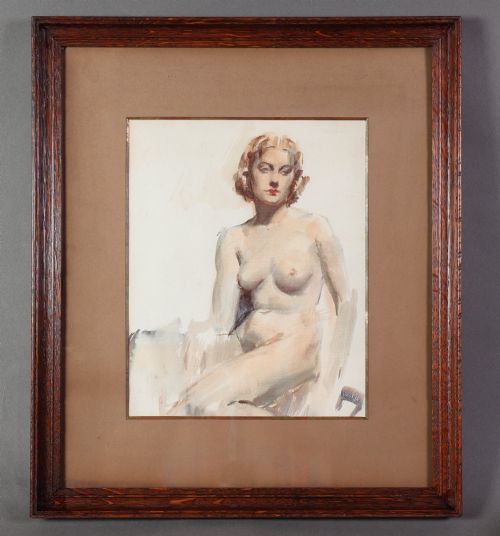
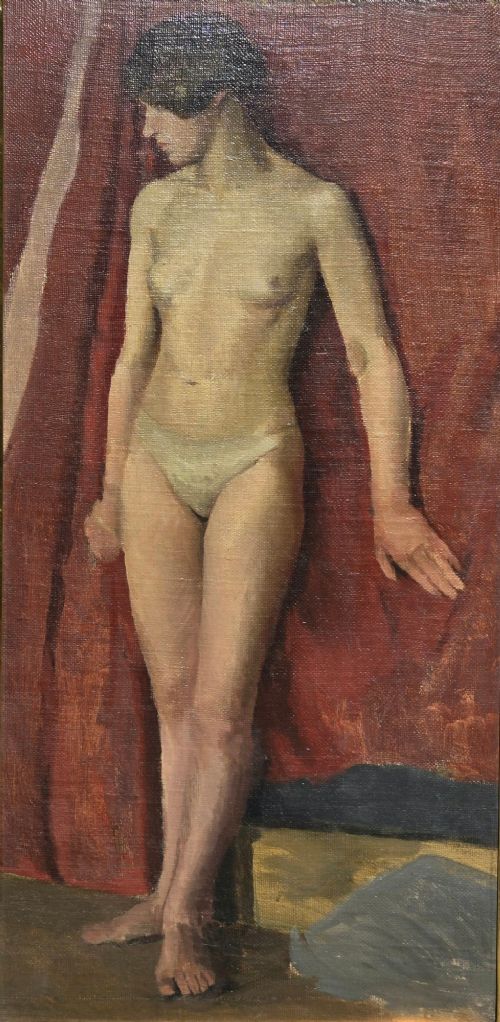
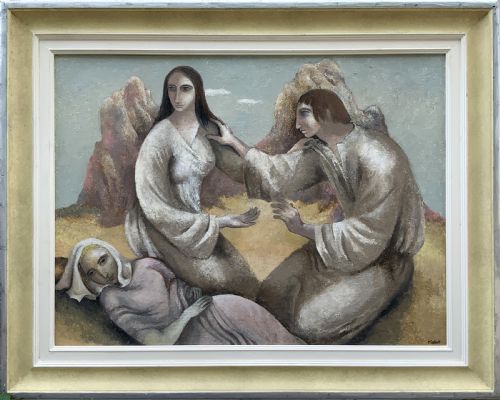
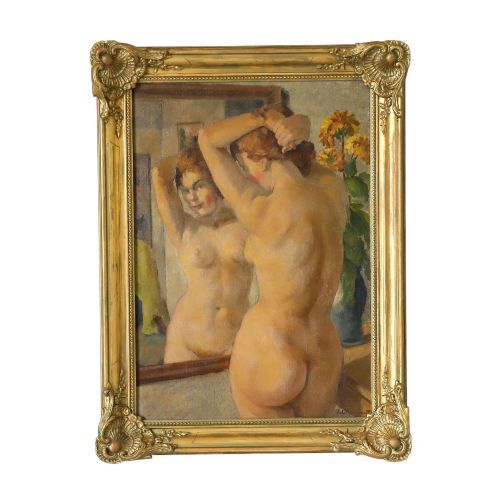
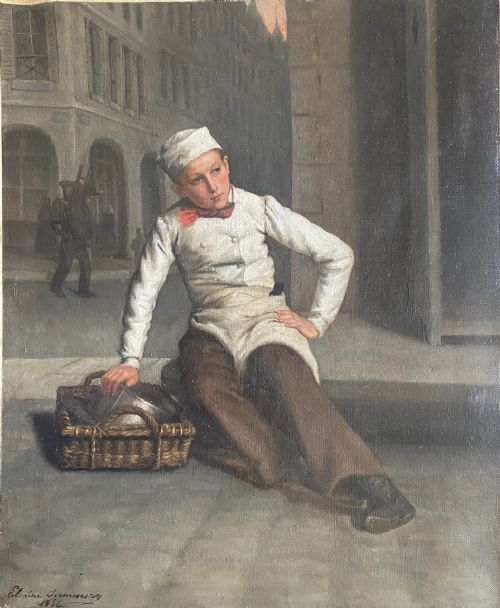
Mid century figure painting encompasses portraits, nudes, and street scenes created across the 1930s, 1940s, 1950s, and 1960s. These works bridge traditional academic observation and experimental post-war movements.
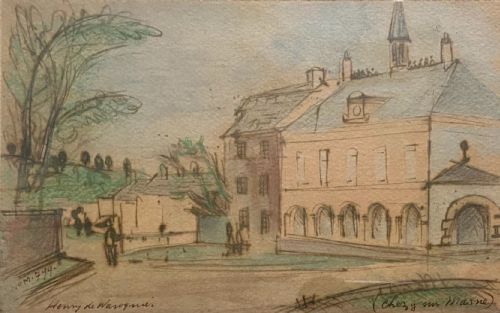
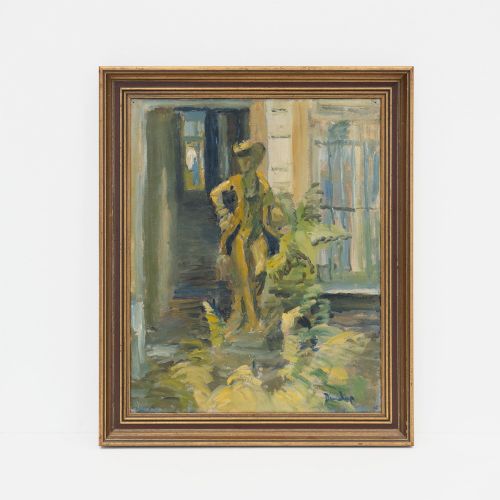
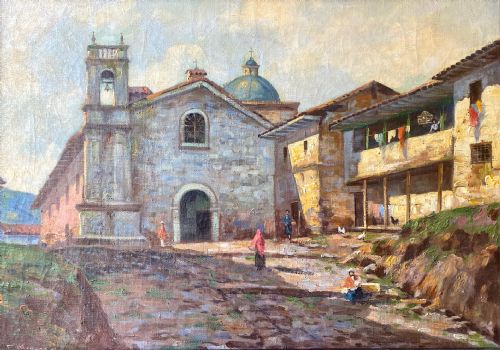
The most common formats on this page are oil on canvas and mixed media works on paper, depicting solitary models, studio interiors, or figures within continental streetscapes.
Originating from British, French, Swedish, and Latin American schools, these paintings reflect the diverse international approaches to human representation during the middle decades of the twentieth century.
How They Were Made
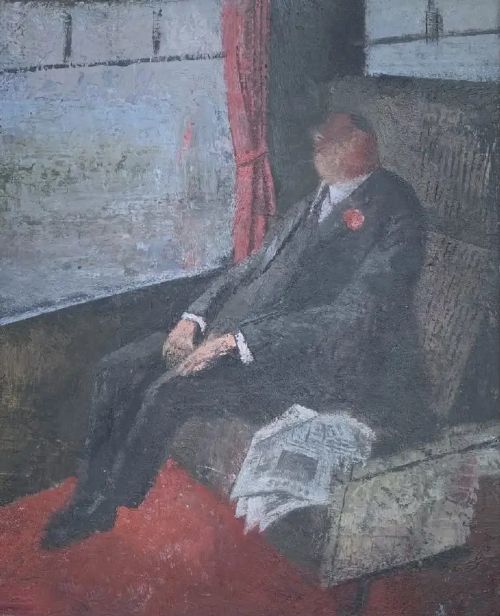
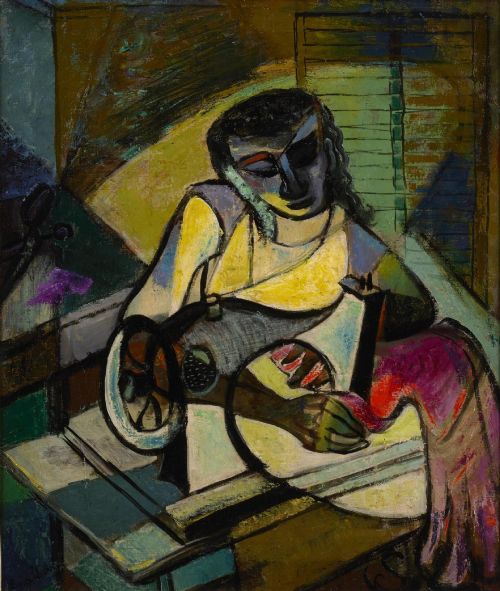
Artists built these compositions primarily using oil paint applied to stretched canvas or wooden boards, frequently employing heavy impasto to create tactile, textured surfaces.
Works on paper utilised ink, watercolour, and pastel media, relying on rapid gestural marks and mixed media techniques to capture immediate posture and expression.
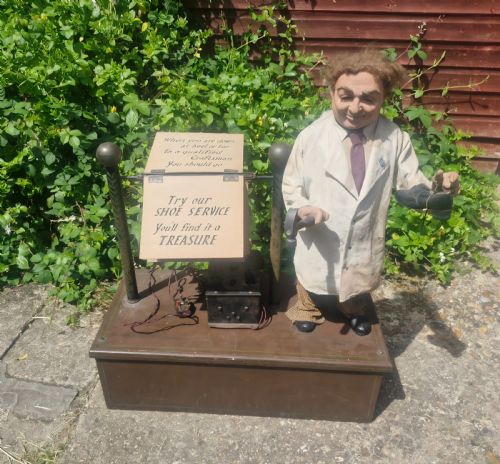
A solitary ballerina contemplates her worn gilt frame while a nearby cobbler's shop model works in automated silence.
What Varies in Quality
The distinction between standard academic exercises and superior works lies in the confidence of brushwork and the psychological depth conveyed by the artist.
Stronger pieces demonstrate a deliberate handling of light and shadow, such as chiaroscuro contrasts, that anchors the human form securely within its surrounding interior or landscape.
James Stroudley·Lena Gurr·Winifred Rymer·Christine Nesbit·Philippe de Rougemont·Henry de Waroquier·Ronald Ossory Dunlop·Thomas Hicks·Tony Giles·Gaetan Dumas·YA MING·Antonio Ferri·Yetta Kane·Kenneth B Malpass·Raymond Arthur Roadnight
The Mid Century Figure Painting Glossary
- Impasto
- Paint applied thickly to a canvas, standing out in relief from the surface so that the marks of the brush or palette knife remain clearly visible. This technique adds physical texture and depth to a figure study.
- Chiaroscuro
- An artistic effect contrasting light and shadow to create a sense of volume in modelled three-dimensional objects and figures. It directs the viewer's eye across the canvas.
- Triptych
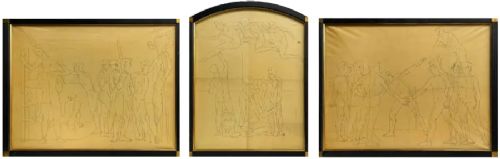
- A picture or relief carving on three panels, typically hinged together side by side and used as a single decorative work. This format allows narrative sequences or contrasting figure studies to be displayed adjacently.
- Post-Impressionism
- A predominantly French art movement that developed roughly between 1886 and 1905, extending Impressionism while rejecting its limitations. Artists rejected faithful reproduction in favour of symbolic content.
- Modern British
- A broad term covering art produced in Britain during the twentieth century that embraced European modernist innovations. It encompasses various movements from realism to abstraction.
Mid Century Figure Painting: Frequently Asked Questions
How do I hang a mid-century figure painting?
Position the centre of the canvas at standard eye level, ensuring secure fixings into wall studs or appropriate masonry anchors.
Allow adequate breathing space around the frame so the composition interacts cleanly with surrounding interior furnishings.
What framing suits these oil paintings?
Simple wooden profiles or worn gilt frames complement the mid-century aesthetic without overpowering the painted surface.
Ensure any glazing sits clear of the canvas face to prevent moisture trapping against the oil paint.
Are these paintings signed?
Many examples feature artist signatures, exhibition stamps, or inscriptions on the front canvas or reverse wooden stretchers.
Unsigned works are frequently attributed through stylistic analysis and period documentation.