
Gold Framed Floral Painting
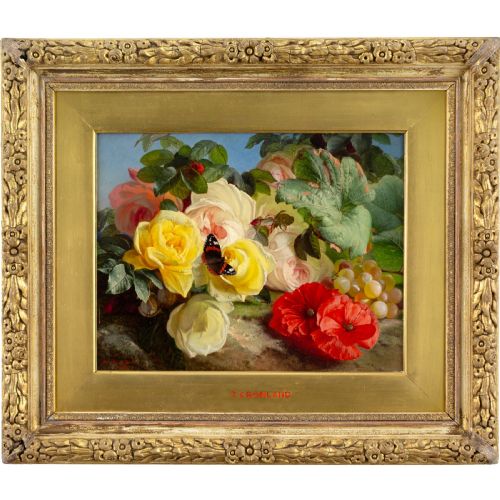
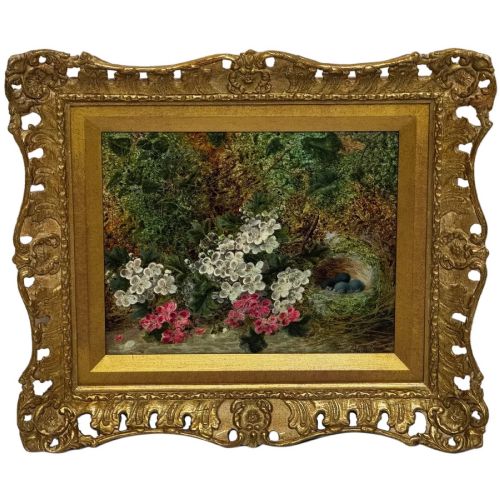
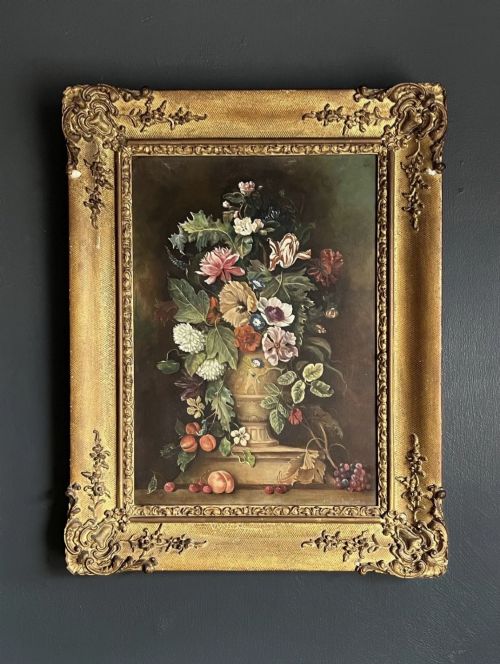
When you search for a gold framed floral painting, you encounter canvases and panels depicting botanical subjects within gilded surrounds.
Gold Framed Floral Painting
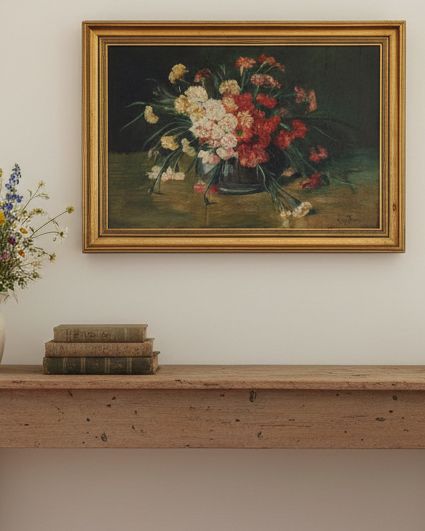
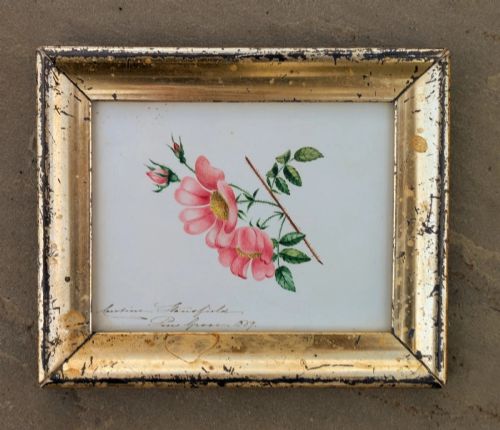
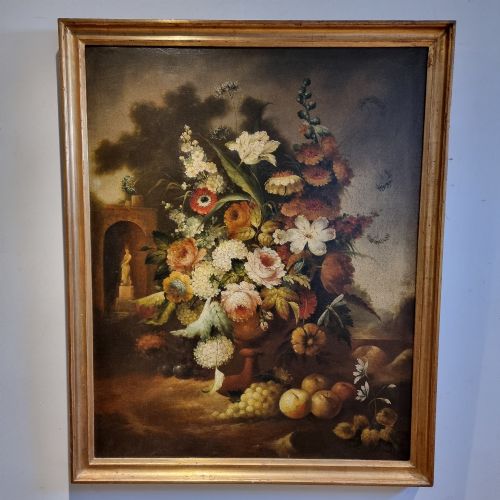
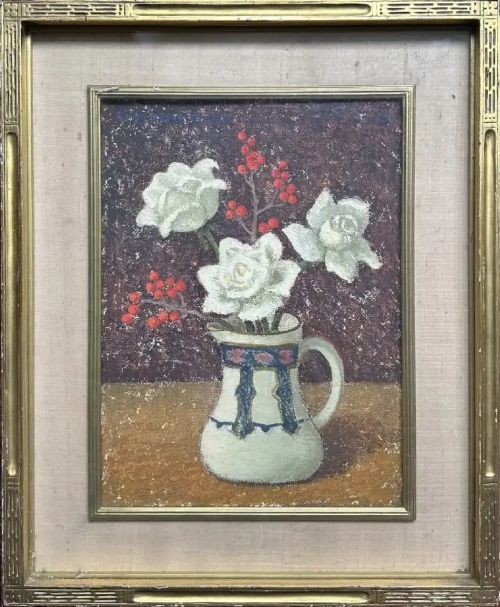
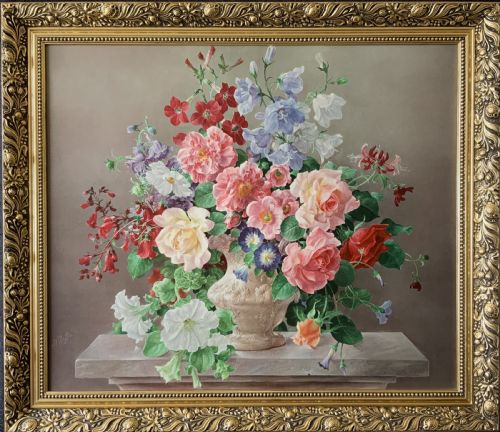
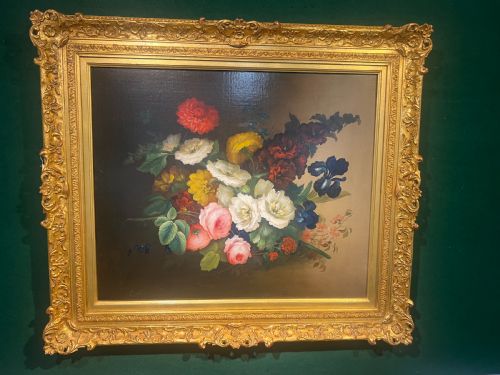
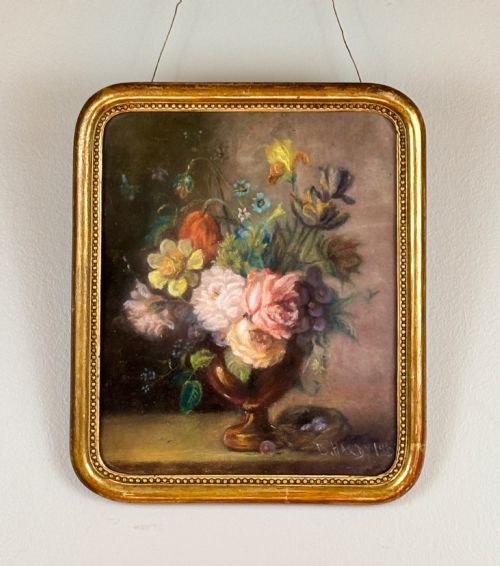
A gold framed floral painting brings botanical subjects into domestic interiors through various mediums. These works include depictions of roses, carnations, and summer flowers arranged in vases or baskets.
The selections span the nineteenth and twentieth centuries, encompassing Victorian examples, Dutch style still lifes, and mid-century impressionist renderings. Canvases and boards dominate the selection alongside works on paper.
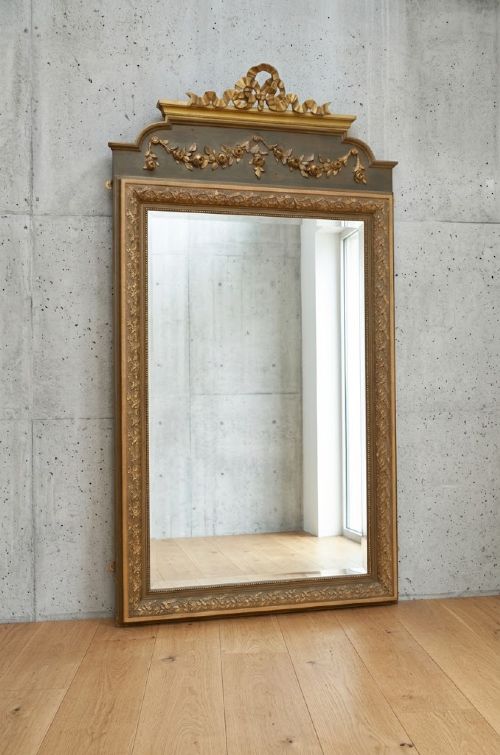
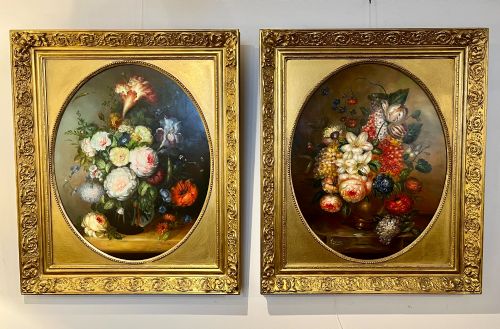
Framing forms an integral component of the pieces encountered. Giltwood, gesso, and gold leaf surrounds define the visual boundary of each botanical artwork.
How they were made
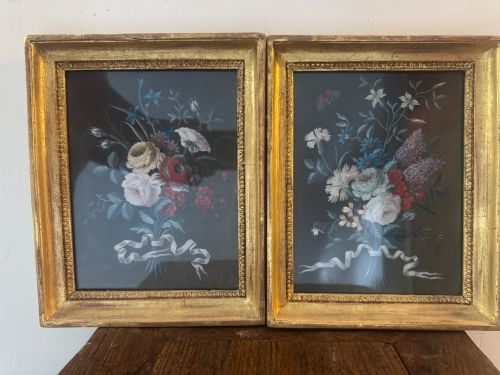
Makers utilised oil paint on canvas or board to build up depth and texture within floral compositions. Watercolour, gouache, and pastel appear on paper supports for botanical studies.
Frames rely on wood structures finished with gesso and gold leaf to achieve decorative surfaces. Giltwood construction provides substantial weight and ornate detailing to the surrounds.
Gold Framed Floral Painting Retail Price Guide 2026
Typical asking prices for gold framed floral painting among the pieces listed under this phrase on Sellingantiques today, from the lower quarter to the upper quarter. They describe what is for sale here now, not the wider market.
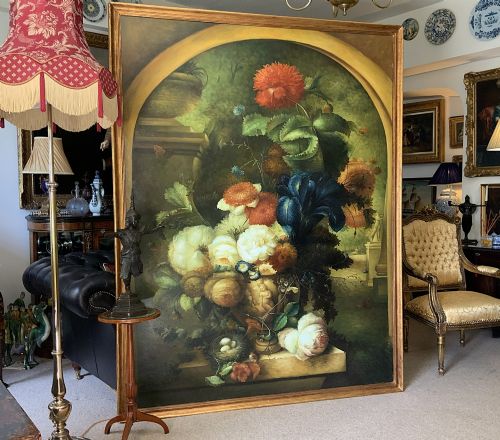
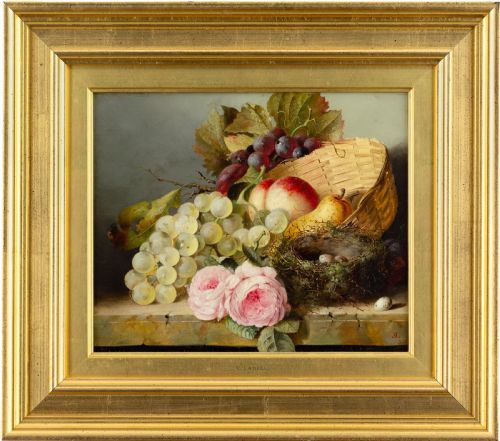
Butterflies and bird's nests occasionally share canvas space with the roses.
What varies in quality
The application of paint and the handling of light distinguish individual works. Skilled artists capture botanical textures and tonal variations with precision across petals and leaves.
The execution of the surrounding frame contributes to the overall standard. Hand-carved gesso details and authentic gold leaf distinguish superior mounts from simpler surfaces.
Theude Grönland·Oliver Clare·Edward Ladell·Emma Fordyce MacRae·Henry Schouten
The Gold Framed Floral Painting Glossary
- Gesso
- A plaster mixture applied to wood frames as a base for gilding. It provides a smooth surface for intricate moulding and leaf application.
- Giltwood
- Timber that has been coated with gold leaf or gold paint. This material gives frames a luminous finish.
- Still life
- An artwork depicting inanimate subject matter, typically commonplace objects such as flowers in vases. Botanical arrangements form a specific focus within this genre.
- Impressionism
- An art style characterised by relatively small, thin yet visible brush strokes and an emphasis on accurate depiction of light. Mid-century examples apply this approach to floral displays.
Gold Framed Floral Painting: Frequently Asked Questions
Where were these paintings displayed?
These floral artworks hung principally in domestic reception rooms and parlours during the Victorian and Edwardian periods. Owners placed them to introduce colour and botanical themes into interior spaces.
Larger canvases often occupied prominent positions above mantelpieces or within formal dining areas. Smaller studies found places in boudoirs and private sitting rooms.
How do I care for gilt frames?
Gilt frames require gentle maintenance to preserve the delicate gold leaf and gesso surfaces. Dusting with a dry, soft brush prevents particle accumulation without disturbing the finish.
Keep these pieces away from direct sunlight and high humidity to prevent the wood from warping and the gesso from cracking.
What subjects appear besides flowers?
Floral compositions frequently incorporate complementary elements such as bird's nests, fruit, and insects. Still life arrangements often include ceramic vases, wicker baskets, and glassware.
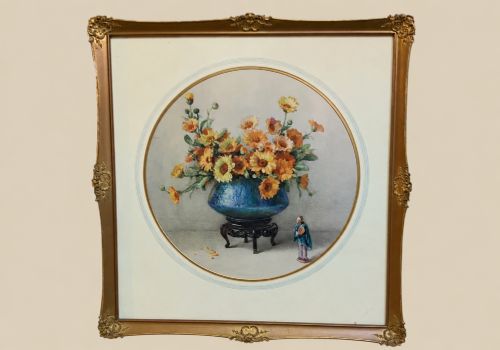
Some botanical studies partner flowers with Chinese objects or autumn foliage to add narrative depth to the painted arrangement.
How do I identify the period?
Stylistic indicators and framing techniques help determine the era of a piece. Victorian works often feature detailed realism, while mid-century examples lean towards impressionist brushwork.
Examination of the stretcher bars, canvas weave, and frame construction provides further clues to the date of creation.