


Gold Frame Religious Painting
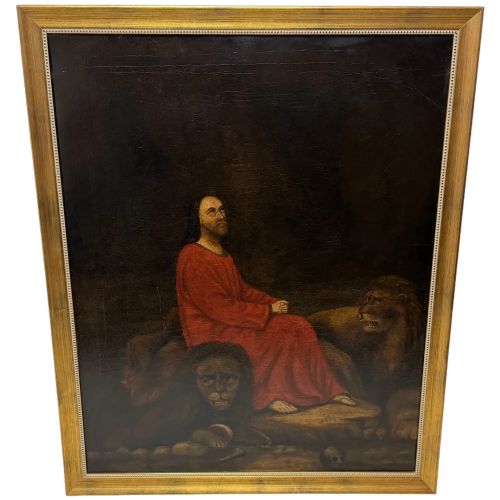
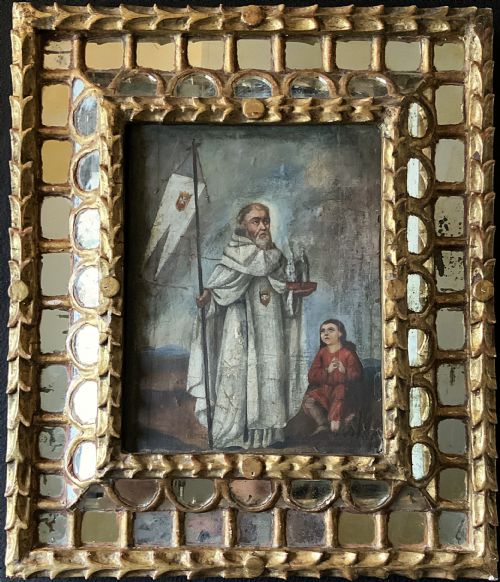
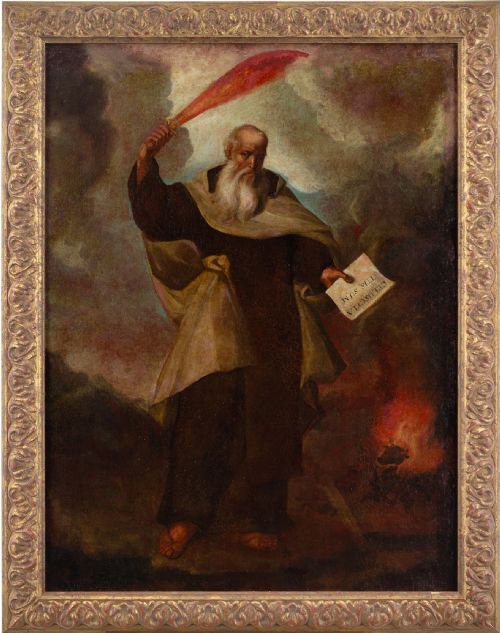
When you search for a gold frame religious painting, you encounter centuries of sacred devotion rendered in oil, tempera, and carved wood.
Gold Frame Religious Painting
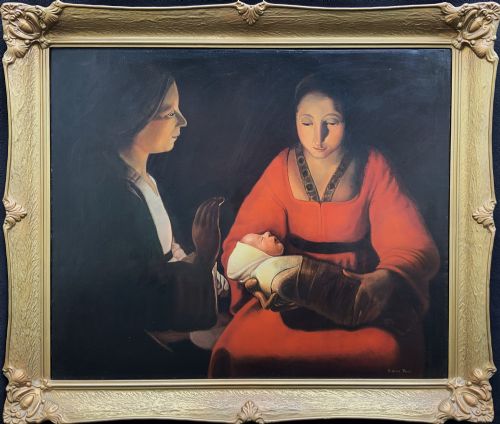
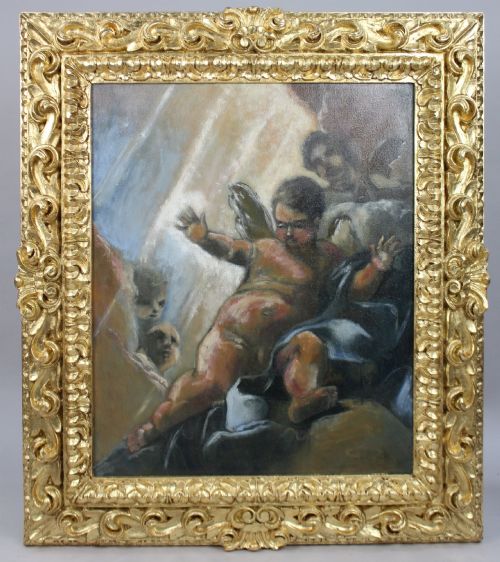
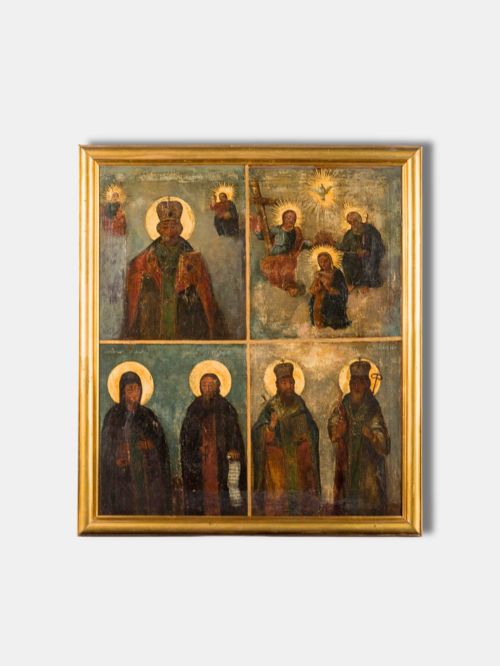
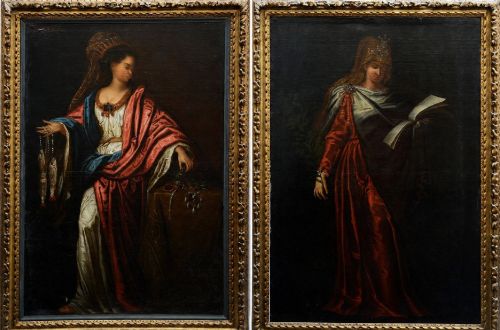
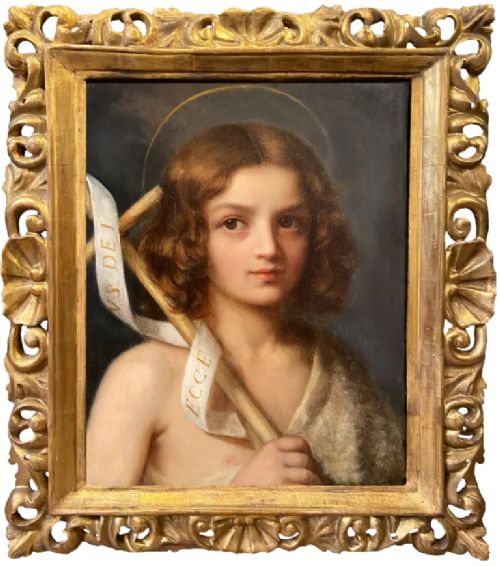
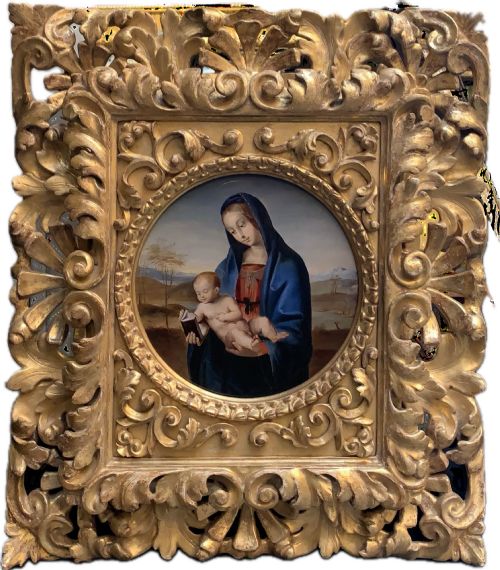
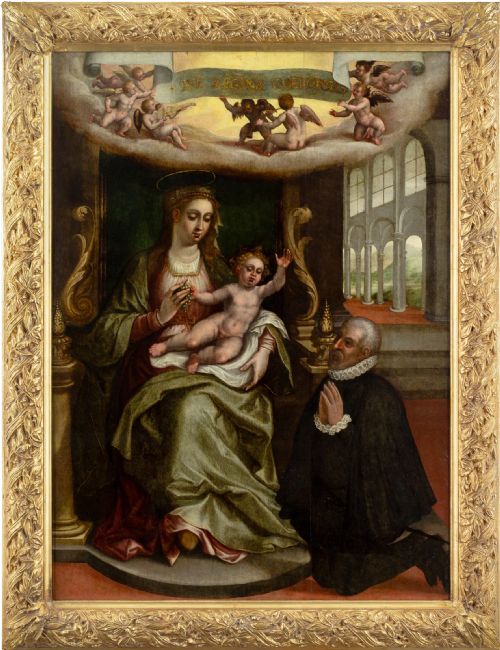
A gold frame religious painting brings together sacred iconography and devotional portraiture executed across multiple European schools from the sixteenth century onwards. When searching for a gold frame religious painting, collectors encounter devotional works ranging from Russian Orthodox tempera icons on canvas to large Italian Renaissance and Baroque oil paintings after masters like Raphael and Correggio.
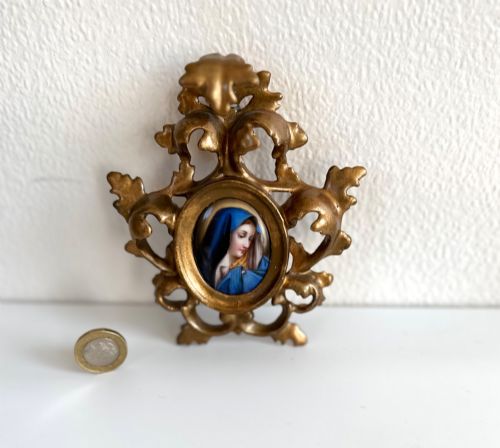
The selection includes intimate Victorian miniatures of the Madonna alongside robust seventeenth-century Spanish and Venetian portrayals of saints and biblical narratives. These artworks function simultaneously as historical artefacts and expressions of profound spiritual heritage, housed in their original or period-matched surrounds.
Most examples found in current listings demonstrate regional European traditions, particularly Italian, French, and Central European schools, spanning periods from the 1600s through to early twentieth-century interpretations.
How they were made
Makers built these works primarily using oil paint on canvas, wood panels, or copper plates, occasionally employing tempera and gold leaf for traditional Russian icons and early devotional panels. The supporting structures typically feature carved wood or gilded wood frames, utilising applied gold leaf to catch candlelight and elevate the visual weight of the sacred subject matter.
Painters applied layers of pigment and glaze to achieve depth in drapery and flesh tones, often working within established workshops as followers or copyists of Renaissance and Baroque masters. The framing techniques combined joinery, gesso priming, and manual gilding to create ornate architectural borders that complemented the theological focus of the central canvas.
Several seventeenth-century saints gaze upward with such dramatic devotion they appear perpetually startled by celestial book-keeping.
What varies in quality
The sophistication of the brushwork and the anatomical proportion of the figures separate standard studio copies from works of higher artistic execution. Masterful handling of light, shadow, and emotional expression in the faces of saints and holy figures indicates a superior hand.
The integrity of the physical construction, specifically the harmony between the painting and its carved giltwood frame, influences the overall coherence of the piece. Original or period-appropriate gilding that shows honest patination without aggressive modern intervention preserves the historical value of the object.
Miguel Barroso·Juan Ruiz Soriano·Guido Reni·Scipione Pulzone·Benvenuto Tisi
The Gold Frame Religious Painting Glossary
- Giltwood
- Wood that has been coated with a thin layer of gold leaf or gold powder. This technique provides a luminous, durable finish characteristic of traditional European picture frames.
- Temperafura
- A permanent, fast-drying painting medium consisting of coloured pigments mixed with a water-soluble binder material such as egg yolk. It was widely used for icons before the general adoption of oil paint.
- Icon
- A religious work of art, most commonly depicting Jesus Christ, his mother, or various saints. These objects serve as focal points for prayer in Christian traditions, particularly within Eastern Orthodox churches.
- Baroque
- An artistic style originating in Rome around sixteen hundred, characterised by exaggerated motion and clear detail used to produce drama and grandeur. Works from this period emphasise intense emotional states and theatrical lighting.
- Provenance
- The chronology of the ownership, custody, or location of a historical object. Establishing this lineage helps confirm authenticity and historical context.
Gold Frame Religious Painting: Frequently Asked Questions
How do I identify a religious icon?
Religious icons are typically characterised by stylised depictions of holy figures set against gold leaf backgrounds on wood panels or canvas. They follow strict iconographic canons developed across centuries within Orthodox traditions.
These pieces often display inscriptions in Church Slavonic or Greek identifying the saint or event portrayed, differing significantly from Western European naturalistic portraiture.
Are these paintings original works or copies?
The listings comprise both original compositions by regional school painters and later devotional copies executed after Renaissance masters like Raphael and Correggio. Studio copies and works created in the manner of established artists were common practice across centuries.
Careful examination of the pigment, canvas weave, and stylistic execution helps determine whether a piece is a period original or a subsequent homage.
How should I care for a giltwood frame?
Giltwood frames require stable environmental conditions away from direct sunlight, excessive heat, and moisture fluctuations to prevent the wood from warping and the gesso from cracking. Dust the carved surfaces gently with a soft, dry brush without applying cleaning chemicals.
Avoid touching the gold leaf directly, as natural skin oils can degrade the delicate metallic finish over time.
What distinguishes Baroque religious art?
Baroque religious art employs dramatic lighting effects known as chiaroscuro, intense emotional expressions, and dynamic compositions to engage the viewer directly in the sacred narrative. Figures are often shown in moments of profound spiritual crisis or ecstasy.
This theatrical approach aimed to inspire devotion and awe, contrasting with the more static and harmonious compositions of the earlier Renaissance.