


Italian Master Style Canvas
These Italian master style canvas works bring centuries of academic tradition, religious iconography and classical myth straight into domestic rooms.
Italian Master Style Canvas
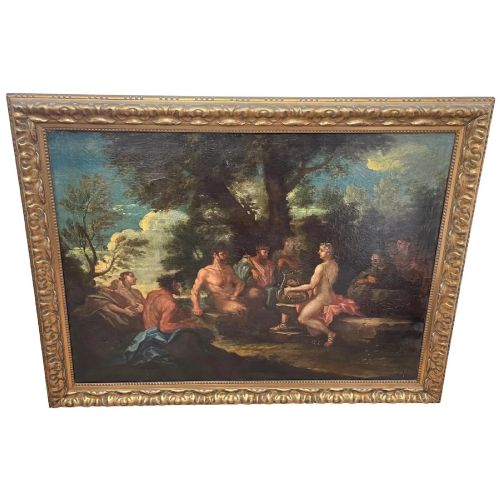
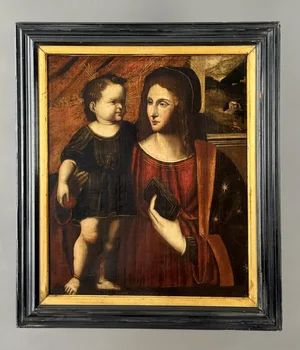
An italian master style canvas takes many forms, most frequently presenting religious subjects such as the Madonna and Child alongside mythological scenes and classical landscapes. These paintings draw directly on historical compositions by major figures like Raphael, Correggio and Francesco Solimena.
Most examples found here date from the eighteenth and nineteenth centuries, though earlier sixteenth-century works and later Edwardian interpretations also appear. They range from devout devotional panels to secular portraits and grand historical genre scenes.
The compositions often arrive framed in heavy giltwood or gilded wood, completing the historical presentation. Buyers frequently encounter pieces created by followers, workshops or later copyists working in direct homage to Renaissance and Baroque ideals.
Distinctions in quality
The listings span from the sixteenth century through to the Edwardian era, featuring oil on canvas framed in giltwood and gold leaf.
Francesco Solimena·Francesco Zuccarelli·Willem Johannes Martens
The Italian Master Style Canvas Glossary
- Oil on Canvas
- A traditional painting medium where pigments suspended in drying oils are applied to stretched fabric. This technique permits subtle blending and long-lasting durability.
- Giltwood
- Wood that has been coated with a thin layer of gold leaf or powder. It forms the standard framing material for formal historical European paintings.
- Follower
- An artist working in the style of a noted master, often within the same period or slightly later. These painters adopted specific compositional habits without necessarily training directly under the primary hand.
- Baroque
- A European style spanning the seventeenth and eighteenth centuries characterised by dramatic movement and deep chiaroscuro. It prioritises emotional intensity and theatrical lighting effects.
Italian Master Style Canvas: Frequently Asked Questions
What periods do these paintings come from?
The selection spans several centuries, running from sixteenth-century religious portraits through eighteenth-century classical interpretations up to nineteenth-century and Edwardian academic studies.
Most pieces reflect the enduring influence of Renaissance and Baroque masters upon later generations of painters who kept those visual traditions alive.
How should I hang an oil painting on canvas?
These works require sturdy wall fixings because the combination of canvas, stretcher bars and substantial giltwood frames often adds considerable weight.
Keep them away from direct sunlight, radiators and damp walls to protect the oil medium and the underlying fabric from environmental stress.
Are these original sixteenth-century works?
While a few pieces date back to the sixteenth century, many examples on this page are later interpretations, studio pieces or works by followers created in the eighteenth and nineteenth centuries.
Such paintings were frequently produced as respectful homages or study pieces after celebrated compositions by artists like Raphael and Correggio.
What subjects are most common?
Religious themes dominate the inventory, particularly depictions of the Madonna and Child, the Holy Family and various biblical narratives. Mythological figures, classical landscapes and genre scenes also appear regularly.
These subjects mirror the core concerns of historical Italian academic painting across multiple centuries.