





Gold Frame Oil Artwork
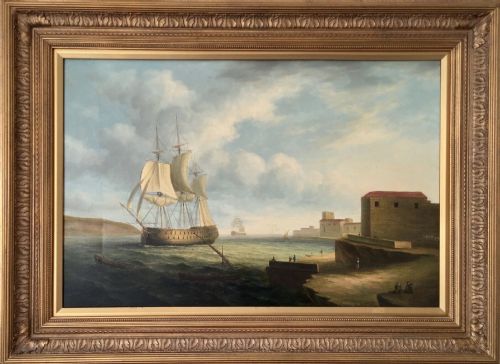
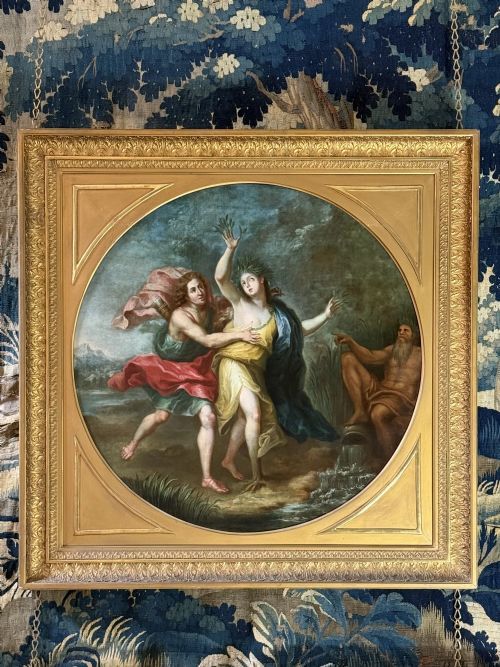
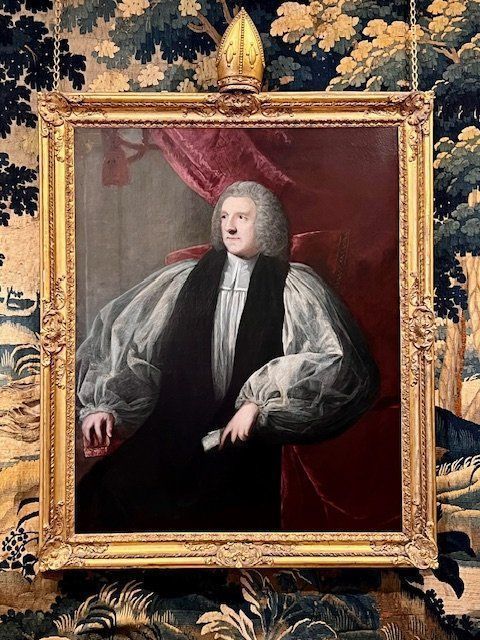
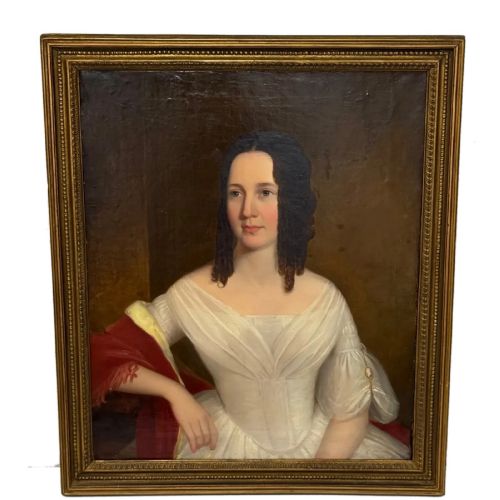
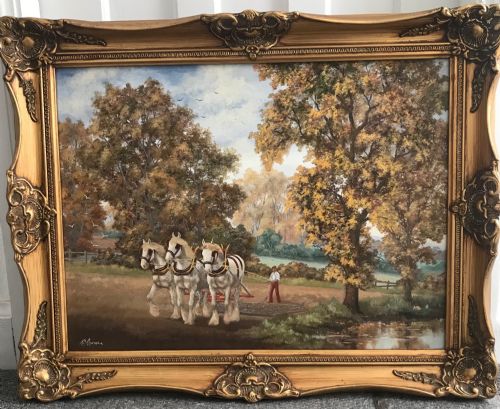
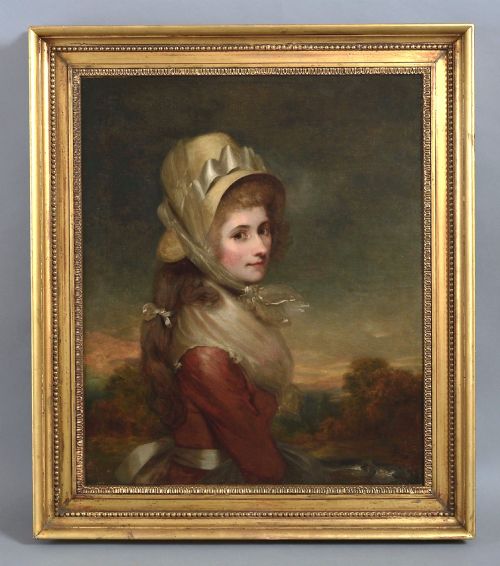
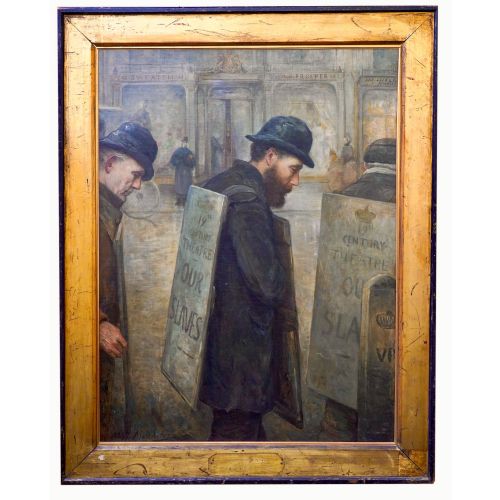
When you search for gold frame oil artwork, you uncover centuries of painted portraiture and landscape rendered in oil and housed in carved wooden surrounds.
Gold Frame Oil Artwork
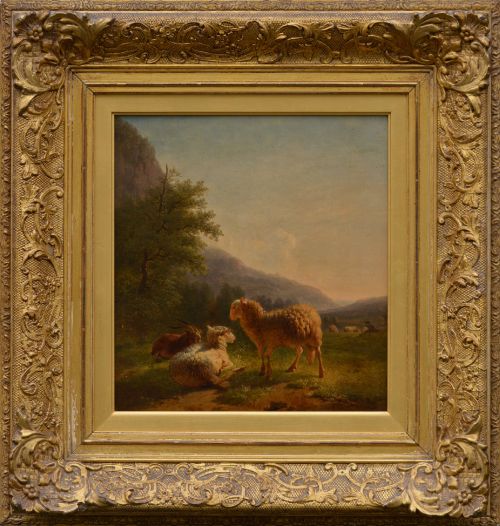
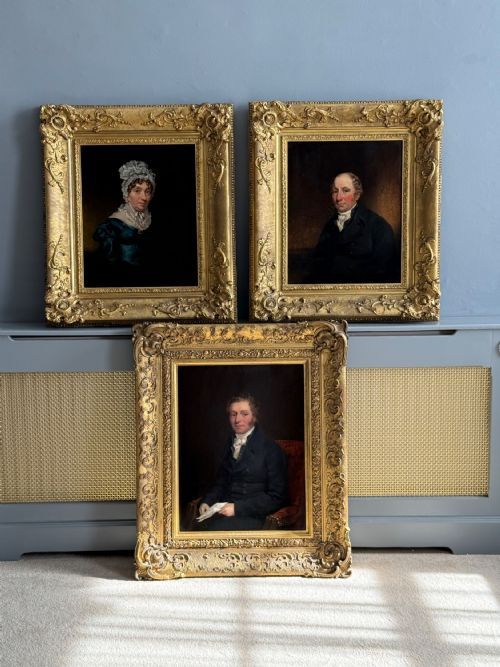
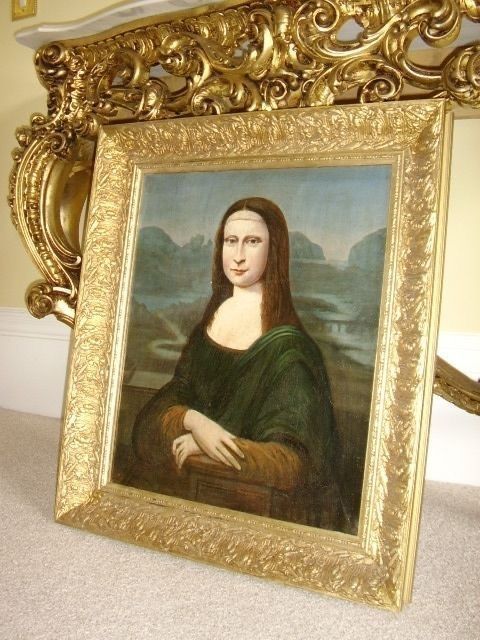
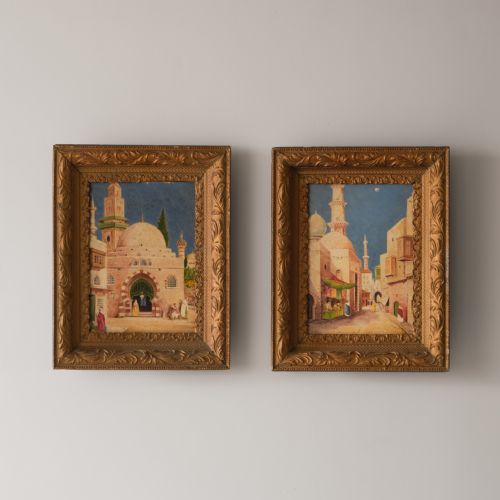
A gold frame oil artwork combines traditional painted canvases or panels with ornate wooden surrounds finished in gold leaf or gilt. These pieces span from the seventeenth century through to the mid-twentieth century, encompassing genres such as classical portraiture, pastoral landscapes, and narrative history scenes.
The versions most frequently encountered here originate in the nineteenth and eighteenth centuries, heavily weighted towards British and European portraiture and landscape subjects. They often depict notable figures, country gentlefolk, or rural vistas framed in period giltwood.
The forms range from intimate panels to monumental canvases, reflecting the domestic and grand spaces for which they were originally commissioned. Their unifying characteristic is the presence of an oil pigment medium coupled with a metallic-finished timber perimeter.
Materials and construction
The visual foundation of these works relies on oil paint applied to stretched canvas or wooden board supports, allowing for rich colour blending and layered depth. Artists utilised traditional pigments bound in oils, building texture through brushwork that survives centuries of change.
The surrounding enclosures are constructed from carved wood, commonly finished with layers of gesso and gold leaf or gilt. This protective and decorative housing frames the pictorial surface, using joinery and moulding techniques specific to each period's cabinet-making traditions.
The inventory records portraiture, landscape, and marine subjects enclosed within wooden gilt and gold leaf surrounds.
Judging the standard
The distinction between tiers rests upon the anatomical accuracy and expressive power of the painted brushwork, particularly evident in portraiture faces and hands. Master works display subtle tonal gradations and confident draughtsmanship that elevate them far above provincial decorative copies.
Surrounds contribute heavily to overall excellence, where hand-carved wooden moulding and original gold leaf gilding outshine later moulded plaster replacements. Preservation of the primary canvas surface without extensive modern overpainting also dictates the upper tier of the market.
Sir Joshua Reynolds·William Oliver·Joseph Clover·Sir Peter Lely·Sir Godfrey Kneller
The Gold Frame Oil Artwork Glossary
- Giltwood
- Timber carved and coated with a thin layer of gold leaf or metallic powder. It provides the reflective metallic border characteristic of traditional picture framing.
- Oil on canvas
- Pigment suspended in a drying oil applied to a woven fabric support. This technique allows for flexibility and durability across centuries.
- Gesso
- A plaster mixture applied to wood before gilding to create a smooth surface for carving. It forms the base under gold leaf on period frames.
- Provenance
- The documented history of ownership associated with a work of art. It establishes authenticity and traces the journey of the piece from creation onward.
Gold Frame Oil Artwork: Frequently Asked Questions
How do I date an old oil painting?
Dating relies on examining the canvas weave, the stretcher construction, and the chemical composition of the pigments used by the artist. Stylistic clues in costume, hair, and framing provide further context for narrowing down the decade of creation.
Secondary evidence includes handwritten inscriptions on the reverse, artist signatures, and historical records linked to documented sitters or landscape locations.
Are original gilt frames important?
Original giltwood surrounds contribute significantly to the historical integrity and visual harmony of a canvas. They reflect the aesthetic tastes of the specific era in which the artwork was painted.
Replaced or mismatched surrounds alter the intended presentation, though period-appropriate alternatives remain acceptable if craftsmanship matches the age of the art.
How should I clean a gilded frame?
Cleaning requires extreme caution to avoid rubbing away delicate gold leaf or flaking gesso beneath the metallic surface. Gentle dusting with a soft, dry brush is generally the safest maintenance method for antique woodwork.
Moisture and commercial solvents should be avoided entirely, as they damage the ancient finishes. Professional conservators handle deep cleaning and repair of damaged gilding.
What is the difference between canvas and panel?
Canvas consists of woven fabric stretched over a wooden frame, offering a flexible surface that reacts to humidity changes. Panels are solid wooden boards, which provide a rigid and stable foundation favored in earlier centuries.
Panel paintings often require careful climate control to prevent warping, whereas canvases can be re-tensioned over time as the fabric ages.